
Why Red Acne Marks Stay Visible
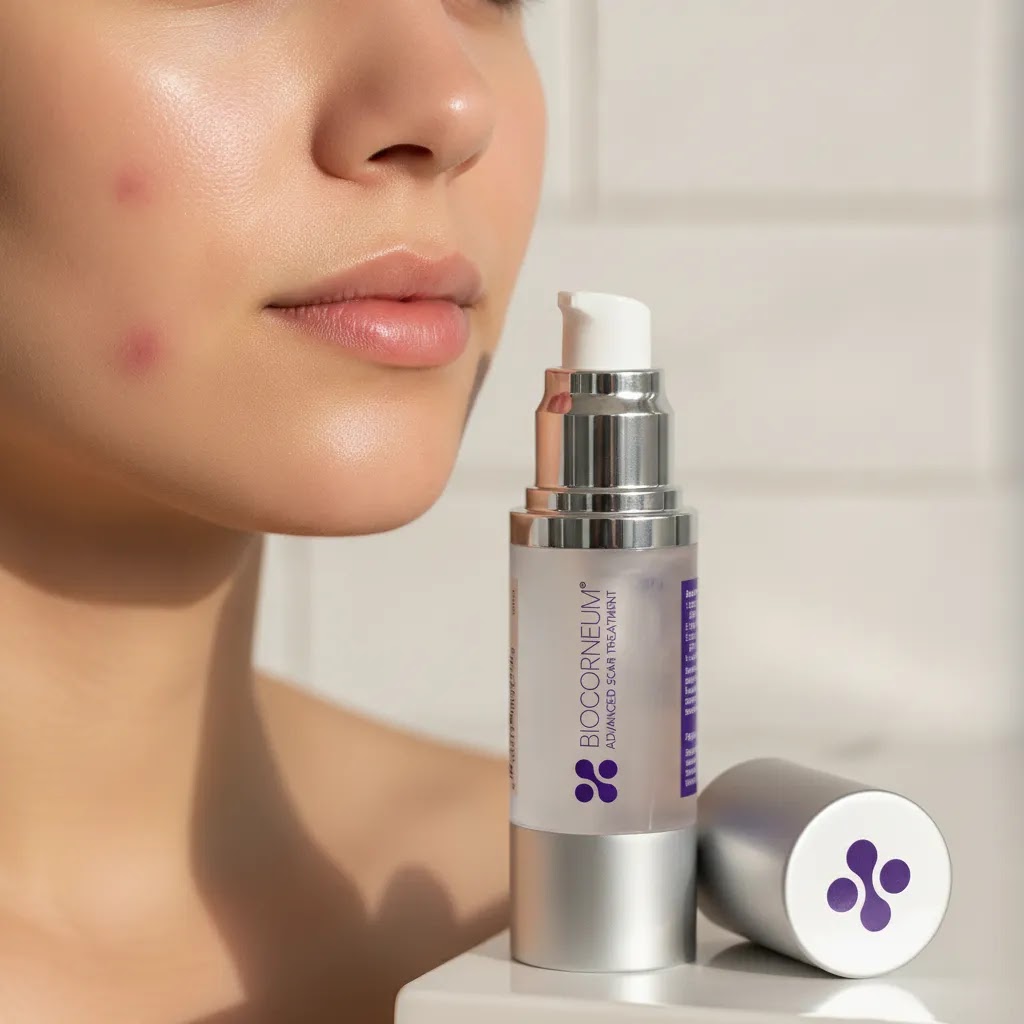
After an inflamed blemish heals, visible redness can remain because inflammation widens or damages very small blood vessels near the surface. Clinicians commonly call this post-inflammatory erythema. It often looks pink, red, or sometimes violet, especially on lighter skin tones. In addition, it may look less brown than post-inflammatory hyperpigmentation.
These marks can linger because inflammation does not always settle as fast as the breakout itself. Repeated picking, squeezing, friction, aggressive exfoliation, and ongoing acne can prolong the process. Sun exposure can also make redness more noticeable, even if the mark itself does not behave like a brown spot.
True acne scars are different. Ice pick, boxcar, and rolling scars involve a change in skin texture caused by collagen loss or remodeling. Red marks may sit on top of that textural change. As a result, some people feel confused when their skin looks smooth in one area and uneven in another. If you are comparing broader options for texture, discoloration, and long-term remodeling, our article on best acne scar treatment can help you sort through those differences.
For readers exploring related categories, Nuance Medical also groups educational resources under Scar Treatment & Skincare, which is useful if your concern includes post-procedure scars as well as acne-related marks.
For general skin-protection guidance, the American Academy of Dermatology sunscreen guidance explains why daily SPF matters when healing marks remain visible.
Red Marks vs True Scars: A Quick Visual ID Guide
Here’s the key point: people use the word “scar” for several different post-acne changes, but those changes do not behave the same way. A quick visual check can help you tell whether you are looking at vascular redness, pigment, texture change, or a mix.
What it tends to look like
Post-inflammatory erythema (PIE) is typically flat and pink-to-red, sometimes with a slightly purple tone. It can look more obvious in bright, direct light. It may also seem to “wake up” after exercise, a hot shower, alcohol, or temperature changes because flushing temporarily increases blood flow.
Post-inflammatory hyperpigmentation (PIH) is discoloration rather than vascular redness. It often appears tan, brown, gray-brown, or even a muted purple-brown depending on skin tone and how deep the pigment sits. Unlike PIE, it usually does not intensify with heat or flushing in the same way. Instead, it can look more stain-like than inflamed.
Atrophic acne scars are true texture changes, meaning the surface is no longer evenly smooth. Common patterns include:
- Ice pick scars, which look like tiny, narrow “pinholes” or deep pores.
- Boxcar scars, which look like round or oval depressions with more defined edges, like a shallow crater.
- Rolling scars, which create a gentle wave-like unevenness, often most noticeable when light hits from the side and casts soft shadows.
A quick self-check in the mirror and in photos
You can learn a lot by changing the lighting. Stand near a window and then turn slightly so light hits your skin from the side. If you notice shadowing and unevenness, texture is likely part of the picture. If it stays smooth but looks pink or red, you may be dealing more with post-inflammatory erythema.
Next, try a flush check after mild activity or a warm shower. If the mark looks temporarily brighter or more vivid when you flush, that points toward a vascular component. Makeup can also offer clues: green-tinted concealer often neutralizes redness, while peach or orange tones more often offset brown or gray discoloration.
A note on skin tone nuance
Color alone is not always definitive across different skin tones. Post-inflammatory erythema is often easier to spot as pink or red in lighter skin. However, in deeper skin tones, vascular and pigment changes can look more muted, more purple-brown, or harder to separate by color alone. This is one reason an in-person assessment can help, especially if you suspect a combination of redness, discoloration, and texture.
| Concern | Typical look | Clue that helps identify it |
|---|---|---|
| Post-inflammatory erythema (PIE) | Flat pink-to-red, sometimes slightly purple | Can look brighter with heat, exercise, flushing, or direct light |
| Post-inflammatory hyperpigmentation (PIH) | Tan, brown, gray-brown, or muted purple-brown | Usually looks more stain-like and does not intensify with flushing in the same way |
| Atrophic acne scars | Indented or uneven texture | Shows shadowing or surface unevenness when light hits from the side |
How Targeted Redness Care Works
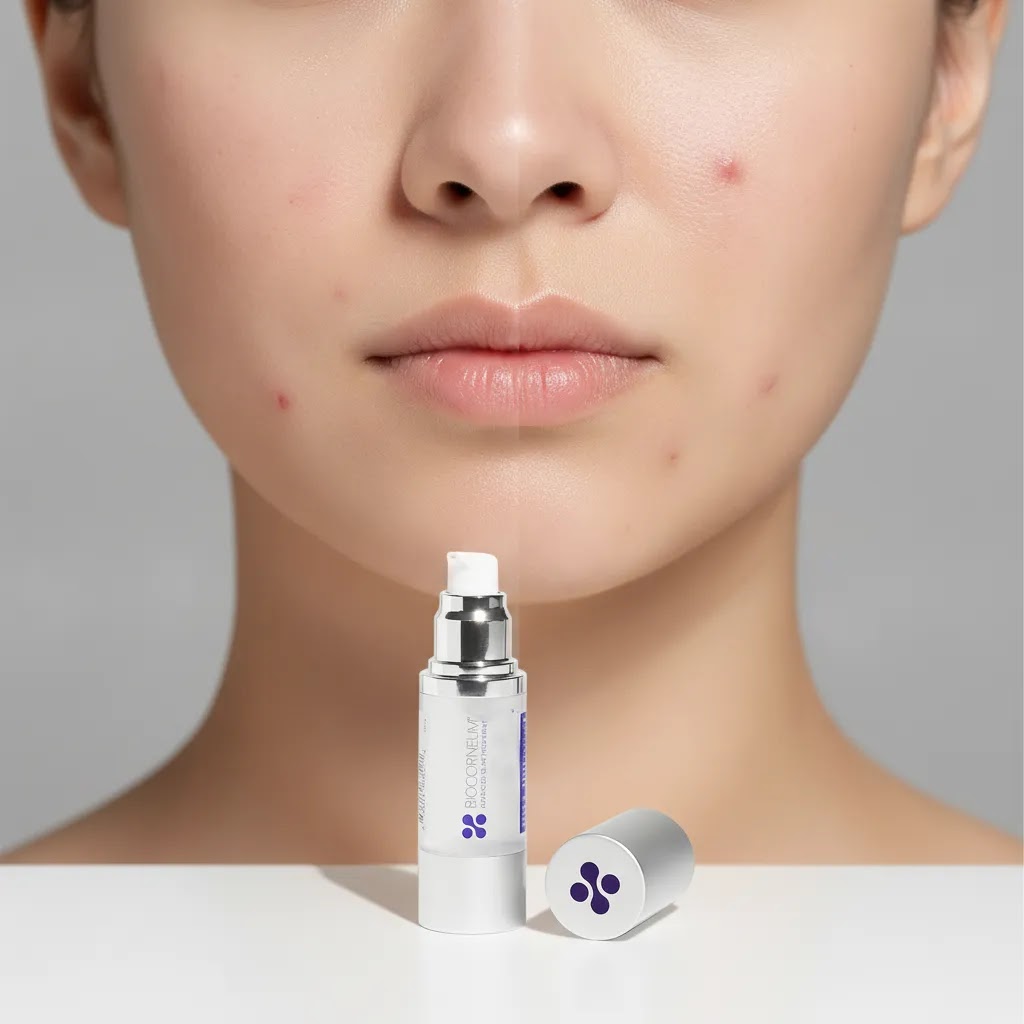
Managing red acne marks usually involves reducing ongoing irritation, supporting the skin barrier, protecting against UV exposure, and, in some cases, using scar-focused topical care to create a more stable healing environment. The exact plan depends on whether the skin is flat and red, raised, indented, or still acne-prone.
- Calm active inflammation first. If breakouts are still appearing regularly, new inflammation can keep replacing old marks. Gentle cleansing and acne control matter before chasing redness alone.
- Protect the barrier. Overuse of scrubs, strong acids, or frequent spot treatments can keep skin in a cycle of irritation. A simpler routine may help the skin settle.
- Use daily sun protection. UV exposure can intensify the appearance of healing marks and prolong visible color change.
- Support scar maturation. Many clinicians use silicone-based scar care to support healing skin because it forms a protective layer over the area.
- Escalate if redness persists. If a mark remains bright red for months, or if there is visible texture change, a clinician may advise in-office assessment rather than continued trial and error at home.
This is also why the phrase acne scar cream can be misleading. Some topicals may support healing, hydration, or scar management, but no single cream is right for every red mark, dark mark, or textured scar. If you want a broader product overview, see our guide to best acne scar cream.
How Long Do Red Acne Marks Take to Fade (and What Affects the Timeline)?
Most red acne marks improve on a slow curve, not in a sudden before-and-after moment. In practice, many patients notice the most meaningful visual change over months, especially when they protect the skin from sun and avoid repeated irritation. Some marks fade within weeks. Others can linger much longer. Individual healing response plays a big role.
What a realistic improvement curve can look like
Over the first few weeks after a breakout, redness often fluctuates. It may look lighter on some days and brighter on others, particularly with heat, stress, exercise, or skin irritation. Over the next several months, many flat red marks gradually become less saturated and less noticeable in photos, especially if you stay consistent with barrier support and daily sun protection.
What many patients overlook is that jumping between strong actives often creates noise. A routine that changes every week can keep the skin reactive. As a result, redness can look stuck even when healing is happening underneath. For a broader timeline discussion, see how long does it take for scars to fade.
Common reasons redness lingers
Redness tends to stick around longer when the skin experiences repeated inflammation or barrier disruption. Common contributors include:
- Picking or squeezing, even “lightly,” which can re-injure small vessels and prolong visible redness.
- Friction and pressure, such as tight masks, chin straps, or frequent rubbing.
- Over-exfoliation or layered actives that leave the skin stinging, tight, or peeling.
- Sun exposure without consistent SPF, which can make healing marks look more noticeable and last longer.
- Ongoing active acne, where new lesions keep restarting the cycle.
When a plateau is a sign to get guidance
It is reasonable to consider a professional evaluation if a mark stays vividly red for months, if you see mixed concerns like redness plus pitting or shadowing, or if there is no visible change after a sustained, gentle routine. Once you have been consistent and protective, a clinician can help you confirm whether you are treating vascular redness, pigment, texture, or a combination. They can also tell you whether an in-office approach may be more efficient than continuing to experiment at home.
What People Often Get Wrong About Red Acne Scars
A common misconception is that every lingering acne mark is a scar in the same sense. Many red marks are vascular rather than pigmented. Therefore, they may respond differently than brown spots left after inflammation.
Another mistake is treating red marks too aggressively. Strong peels, repeated exfoliation, and frequent experimentation with new actives can leave the skin looking brighter red, not calmer. If the skin feels tight, stings with basic moisturizers, or flushes easily, the barrier may be part of the problem.
People also tend to judge progress too quickly. Redness often fades more slowly than expected, particularly if acne has been deep, cystic, or repeatedly manipulated. The skin may improve gradually over several weeks or months rather than all at once.
Finally, flat red marks and raised or indented scars should not be treated as interchangeable. A flat pink area may improve with time and supportive care. A tethered rolling scar or pitted boxcar scar usually needs a different strategy.
A Product Worth Knowing About
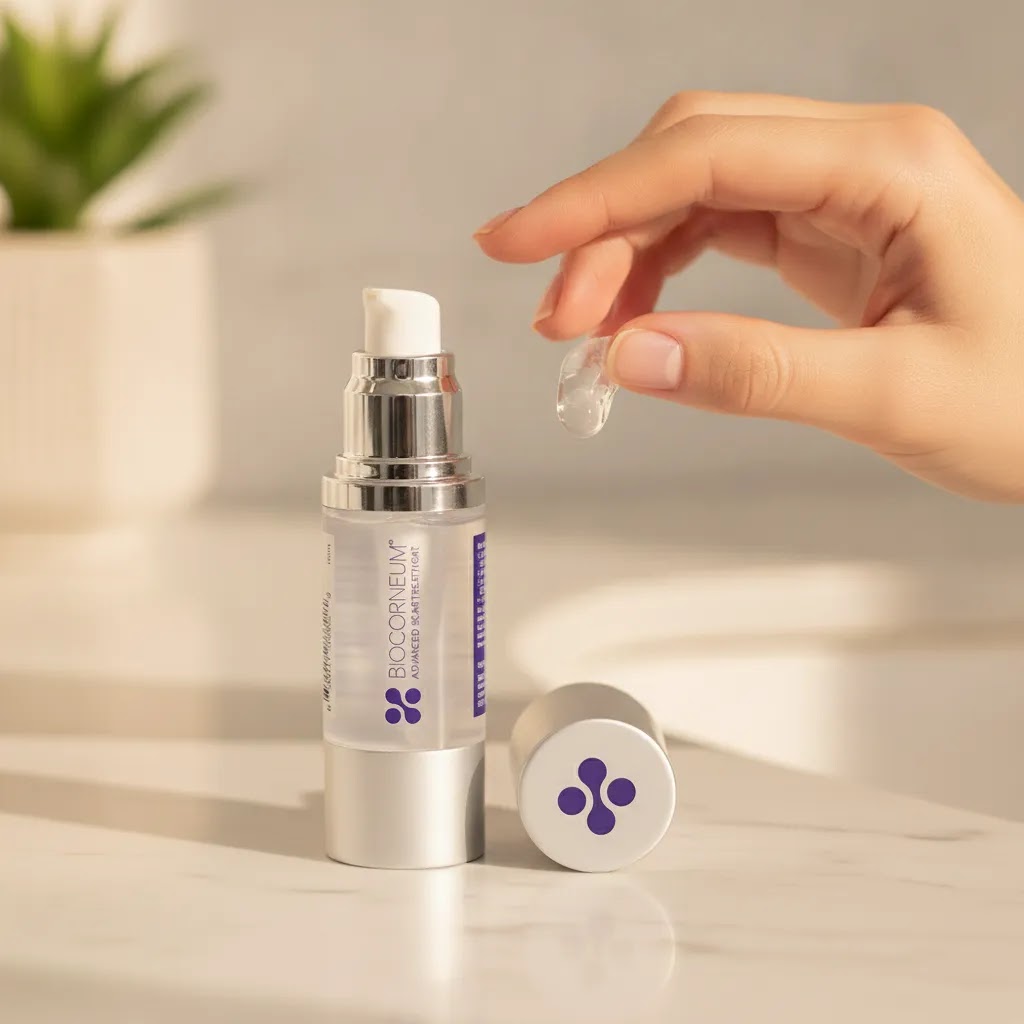
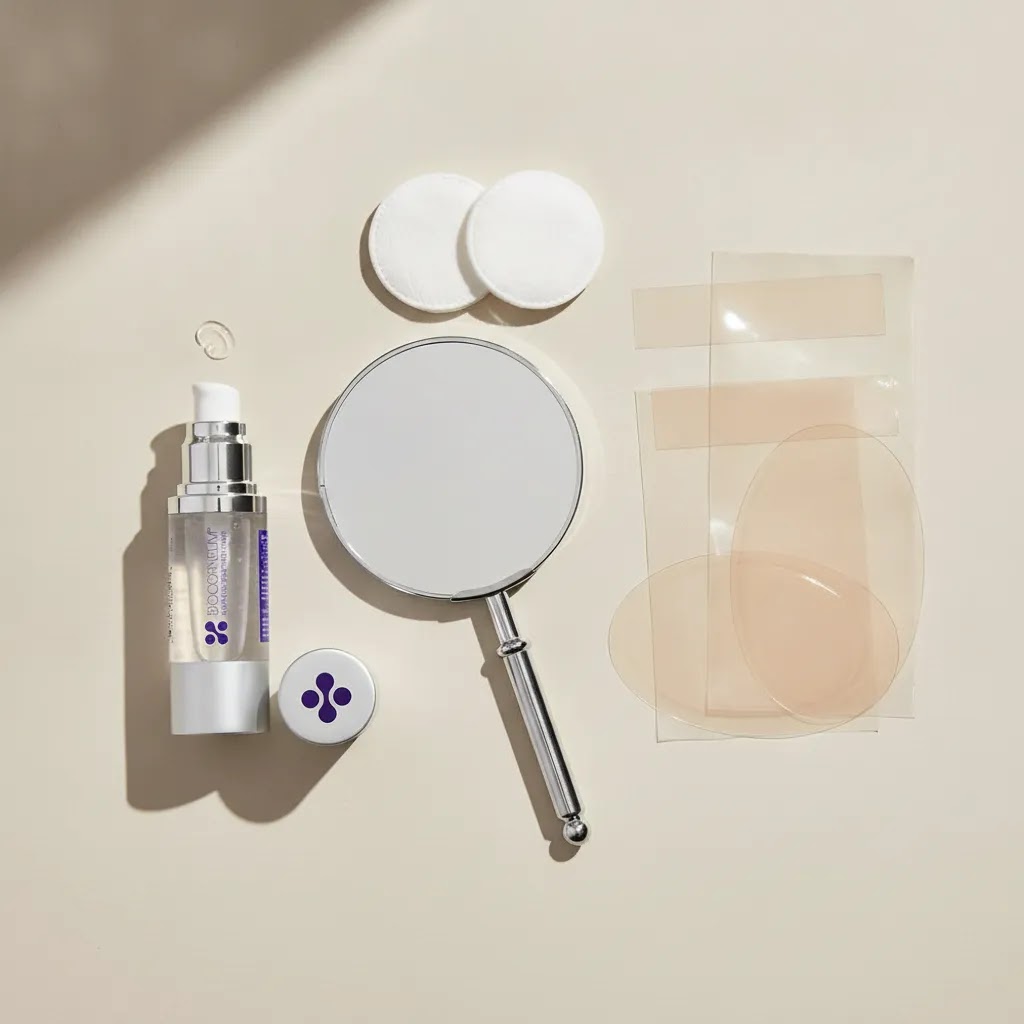
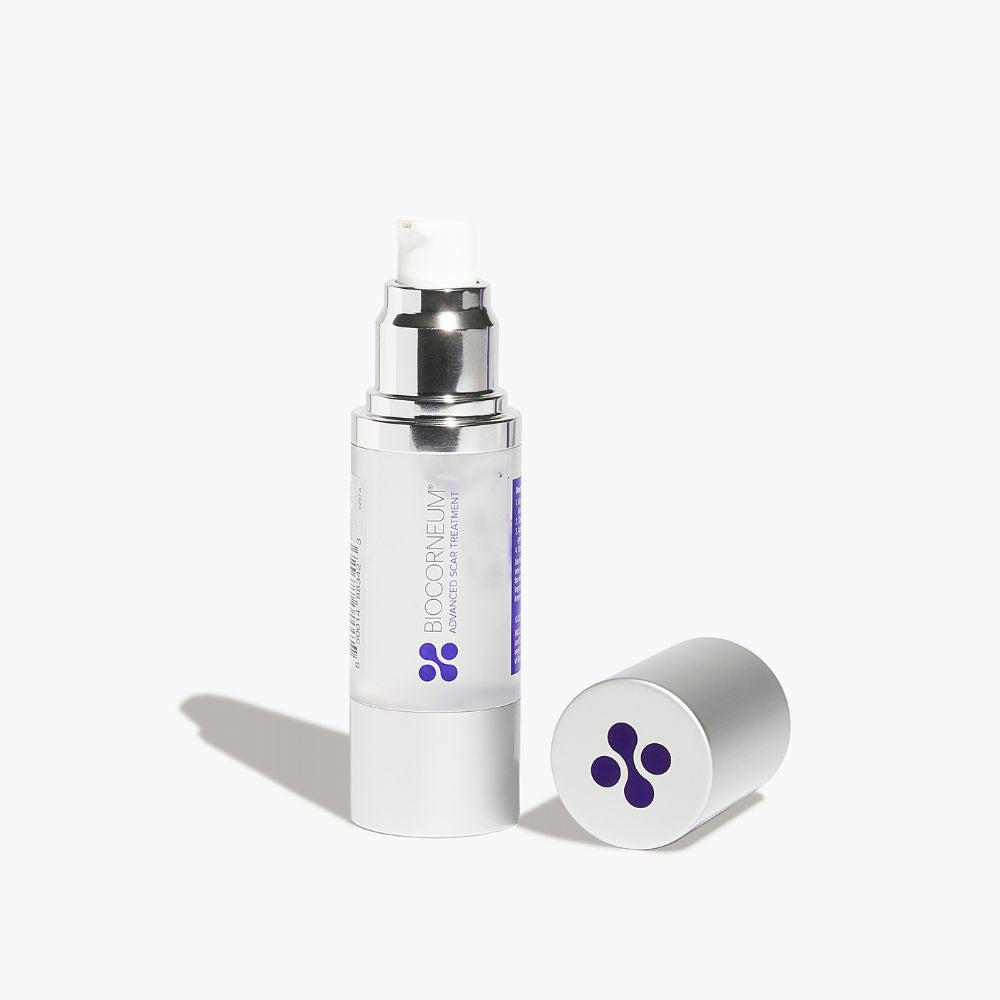 One scar-supportive option available through the broader Nuance Medical product ecosystem is BIOCORNEUM SiliSilk Advanced Scar Gel, 30g. It is listed at $84.95 and is described as a professional-grade silicone scar gel with a clear, fast-drying formula and an ultra-smooth, silky finish.
Silicone is widely used in scar care because it can form a breathable, protective film over healing skin. That environment may help reduce transepidermal water loss and support a more controlled scar maturation process. For red acne-related marks, that does not mean silicone will erase every trace of color or replace in-office treatment for vascular redness.
It does mean silicone-based care can be a reasonable part of a scar-management plan when the skin has already healed over and there is no open or actively infected lesion. The American Academy of Dermatology overview on scar treatment offers general background on scar-care options and when professional help may be useful.
The BIOCORNEUM SiliSilk Advanced Scar Gel may be most relevant when acne has left spots that are healing unevenly, particularly if there is concern about lingering scar visibility rather than active breakout treatment. Readers interested in product-specific updates can also review Introducing SiliSilk™: Everyday Silicone Scar Care, Simplified and BIOCORNEUM® SiliSilk™ Wins NewBeauty Award for Best Scar Gel.
Silicone for Acne Marks: Gel vs Sheets, How to Use, and What It Can (and Cannot) Do
Silicone sheets for scars and silicone gels work from a similar idea: silicone sits on top of fully healed skin to support a stable, hydrated environment during scar maturation. The practical difference is format, which matters because you need something you can wear consistently on the face.
Silicone gel vs silicone sheeting: which is more practical for facial acne marks?
Silicone gel is often easier for facial areas because it dries into a thin, clear layer that can fit around curves like the jawline, cheeks, and temples. Many people prefer gel for daytime use because it can feel lightweight and less noticeable.
Silicone sheeting for scars can be very effective for certain scar patterns, but facial use is sometimes tricky. Sheets may lift at edges, feel more obvious in social settings, and be harder to fit over areas with movement. Some patients reserve sheets for nighttime or for flatter body areas where adherence is easier. If you want a deeper product-format comparison, read does silicone scar gel work on acne scars.
How to use silicone sheets for scars (and gel) safely
Use silicone only once the skin is fully closed and healed. That means no open areas, no active drainage, and no raw skin. If you still have active breakouts in the exact spot you want to treat, it is usually better to focus on acne control first rather than covering active lesions.
- Start with clean, dry skin. Oils, sunscreen, or heavy moisturizer underneath can reduce adherence for sheets and reduce even coverage for gel.
- Apply a thin layer if using gel. More product is not necessarily better, and a thick layer can pill or stay tacky.
- If using sheets, make sure they sit flat without wrinkles. Wrinkles and lifted edges can create inconsistent contact.
- Be consistent. Many real-world routines involve daily use over 8 to 12 weeks, and sometimes longer depending on the mark and how your skin heals.
- Watch for irritation. If you notice itching, rash-like bumps, or increased redness, pause and reassess. As with any topical product, sensitivity can happen and should be discussed with a qualified professional if it persists.
What silicone can and cannot do for red acne marks
Silicone may help support the overall healing environment, which can be useful if your concern includes early scar maturation or areas that feel fragile after inflammation. However, it is not a targeted vascular treatment for persistent post-inflammatory erythema. In other words, it may not be enough on its own if your main issue is bright, long-lasting redness driven by superficial vessel change. Results vary, and the best approach depends on whether you are dealing with flat redness, pigment, texture, or a combination.
Pros and Considerations
Benefits
- Red acne marks can often be explained clearly once you separate post-inflammatory erythema from pigment changes and textured scarring.
- Targeted redness care usually starts with low-risk fundamentals such as barrier repair, sun protection, and inflammation control.
- Silicone scar care may support the healing environment of closed skin and can fit into a broader scar-management routine.
- Understanding whether a mark is flat, raised, or indented helps prevent wasted time on products that do not match the concern.
- Many people find that redness becomes less distressing once they know it may fade gradually and does not always signal ongoing acne.
Considerations
- Results vary widely, and red marks may persist for months, especially after deep inflammation or frequent picking.
- Silicone-based products are for scar care support, not a guaranteed solution for all acne marks or all scar types.
- If acne is still active, topical scar care alone may not be enough because new lesions can continue creating new red marks.
- Some skin may react poorly to overly complicated routines, so adding multiple actives at once can backfire.
Who This Approach May Suit
This redness-focused approach may suit adults who have mostly healed breakouts but are left with flat red or pink marks that linger longer than expected. It may also suit people who suspect they have a mix of redness and early scar formation and want to be more strategic with home care.
It is less suitable as a self-directed plan for skin that is still actively breaking out in a significant way, has open lesions, shows signs of infection, or has deeper pitted scarring that likely needs procedural assessment. If you are unsure what type of mark you are seeing, a professional consultation is the safest way to avoid over-treating the wrong problem.
Nuance Medical Recommendation
Nuance Medical’s educational approach is well suited to concerns like red acne scars because precision matters here. A flat red post-acne mark, a brown post-inflammatory spot, and a textural acne scar can sound similar in casual conversation, yet they often need different care strategies. That is why a thoughtful evaluation matters more than chasing the most aggressive product or treatment trend.
If you are trying to decide whether supportive scar care, a simpler routine, or a more advanced next step makes sense, start by exploring the brand’s broader Scar Treatment & Skincare resources. If you want personalized guidance, book a no-pressure consultation to discuss your skin history, current routine, and whether your concern looks primarily vascular, pigmented, textural, or mixed.
How to Choose the Right Next Step
There is no single best answer for red acne scars because the right choice depends on what you are actually seeing in the mirror. These 5 criteria can help you narrow the field.
1. Is the mark flat or textured?
A flat red mark points more toward post-inflammatory erythema. An indented or uneven surface suggests structural scarring. A product that supports scar healing may be a reasonable part of care for closed skin, but textural changes often need a separate conversation.
2. Is acne still active?
If you still get frequent inflamed breakouts, controlling new inflammation is a priority. Otherwise, you may keep creating fresh red marks while trying to fade older ones. That can make it seem like nothing is working.
3. Is your routine irritating your skin?
If your skin burns, flushes, or peels easily, pause and simplify. Too many acids, scrubs, and drying spot treatments can keep redness hanging around. A calmer routine may improve tolerance and make the skin less visibly reactive.
4. Are you trying to treat redness, pigment, or both?
Brown discoloration and red vascular marks are not the same. Some people have both at once. In photos, this can look like overlapping pink, rust, and mauve tones across the cheeks or jawline. Getting specific about the color helps guide the next step.
5. How long has the mark been there?
Time matters. A fresh red mark may still be in the normal healing phase. A mark that stays vivid for several months, especially with visible textural change, may justify a more tailored evaluation. If home care has plateaued, it is reasonable to ask whether you are dealing with more than simple post-acne redness.
Frequently Asked Questions
Are red acne scars actually scars?
Not always. Many red acne marks are post-inflammatory erythema, which is lingering redness after inflammation, rather than a permanent textural scar. Some people do have both redness and true scarring at the same time, so the skin can look red and uneven together.
Why do some acne scars stay red for so long?
They can stay red because inflammation affects tiny surface blood vessels, and that vascular change may take time to settle. Ongoing acne, picking, sun exposure, and barrier irritation can all prolong the appearance of redness. Healing speed varies from person to person.
Does scar cream work on old scars?
Scar creams and silicone-based scar products may still play a supportive role, but older scars often respond less dramatically than newer healing marks. Benefits depend on whether the issue is redness, pigment, raised scar tissue, or an indented scar. Expectations should stay realistic.
Why is silicone good for scars?
Silicone is widely used because it forms a protective film over healed skin and may help support a better hydration balance during scar maturation. That controlled environment can be helpful for scar appearance over time. It is supportive care, not a guaranteed fix for every scar type.
How do you use silicone sheets or silicone scar products?
Silicone products are typically applied only to fully closed, healed skin, following the manufacturer’s directions. The area should be clean and dry before use. Consistency matters more than using too much, and if irritation develops, it is sensible to pause and seek professional advice.
Can silicone help with red acne marks?
It may help support the healing process of certain scar-prone areas, especially once the skin has closed, but it is not a dedicated vascular treatment. If the main issue is persistent redness from superficial blood vessel change, other strategies may also be needed. Suitability depends on the mark itself.
What is the difference between red marks and brown marks after acne?
Red marks are more often linked to vascular change after inflammation, while brown marks are usually post-inflammatory hyperpigmentation. In real life, they can overlap. This is one reason self-diagnosis can be tricky, especially across different skin tones.
Should I exfoliate red acne scars more aggressively?
No, aggressive exfoliation may make the skin look redder and feel more irritated. If the mark is vascular and the barrier is already stressed, harsher treatment can slow visible improvement. Gentle care is often a better starting point.
When should I see a professional about red acne scars?
Consider a professional evaluation if marks remain very noticeable for months, if the skin is textured, or if you are unsure whether you are dealing with redness, pigment, or true scarring. It is also wise to seek help if active acne is continuing to create new marks despite home care.
Why did my acne scars turn red?
Acne-related marks can look red when inflammation affects tiny surface blood vessels, leading to post-inflammatory erythema. Even once the breakout is gone, those vessels can stay widened or reactive for a while. Picking, friction, and irritation can make that redness more noticeable and longer-lasting.
Can red acne scars be permanent?
Many red marks fade over time, but some can linger for a long period, especially after deeper or repeated inflammation. If redness stays vivid for months or you also notice texture change, it is worth getting an evaluation to confirm what type of mark you have. A clinician can help you understand which options are most appropriate for your skin.
How long do red acne scars take to heal?
Timelines vary, but flat red marks often improve gradually over weeks to months rather than disappearing quickly. Healing is influenced by how deep the original inflammation was, whether acne is still active, and how consistently you protect your skin barrier and use daily SPF. If progress plateaus despite a steady routine, professional guidance can help clarify next steps.
How to get rid of acne redness?
Acne redness may improve by calming ongoing inflammation, simplifying an irritating routine, and using daily sun protection so marks are not continuously re-triggered visually. Supportive scar care, including silicone-based products on fully healed skin, can be part of a plan for some people. If redness remains bright for months or is mixed with texture, an in-person assessment may be the most efficient way to choose an appropriate treatment path.
Key Takeaways
- Many red acne scars are actually post-inflammatory erythema, not permanent textural scars.
- Persistent redness may reflect superficial blood vessel change after inflammation and can take time to fade.
- Supportive care often includes acne control, barrier repair, sun protection, and selective scar-focused topicals.
- Silicone-based scar care may help support healing skin, but it is not a universal solution for all acne marks.
- If marks are long-lasting, textured, or difficult to identify, a professional consultation is the most reliable next step.
Conclusion
Red acne scars can feel emotionally draining because they often remain visible long after the breakout has healed. In many cases, the issue is lingering post-inflammatory erythema rather than a permanent scar, which is why the skin may feel smooth but still look flushed or marked.
The most useful first step is not the strongest treatment. Instead, it is the right diagnosis of what kind of mark you have. A careful plan may include calming inflammation, protecting the skin barrier, using daily sun protection, and considering scar-supportive silicone care where appropriate.
If you want help sorting out redness versus texture, or deciding whether your skin has outgrown home care alone, explore Nuance Medical’s scar education resources or book a pressure-free consultation for personalized guidance.
Medical Disclaimer: The information provided in this article is intended for general informational and educational purposes only. It does not constitute medical advice and should not be used as a substitute for a professional consultation with a qualified aesthetic practitioner or healthcare provider. Individual results from aesthetic treatments vary. Always seek the advice of a qualified medical professional before undergoing any cosmetic procedure.