How to Get Rid of Old Acne Scars in Mature Skin
Acne scars form when inflammation alters the skin’s normal repair process. In many older scars, the issue is not active breakouts anymore. It is a structural change in collagen, skin contour, or residual pigment. That distinction matters because a mature scar is not just dry skin that needs the right cream.
It may be a depression in the skin, fibrous tethering under the surface, or long-term discoloration that behaves differently from a fresh mark. Older atrophic scars, including rolling, boxcar, and ice pick patterns, often persist because the skin has already healed in an uneven way. Basic topicals may support surface quality, hydration, and pigmentation, but they usually do less for deeper contour change.
That is why readers comparing options often move from over-the-counter routines toward broader education on the best acne scar treatment based on scar type rather than marketing claims alone. Age also changes how skin responds. Mature skin may have slower cell turnover, less collagen support, and a lower tolerance for irritation than younger skin. However, this does not rule out improvement. It means treatment planning should be more deliberate, especially if your goals include smoother texture without looking overtreated.
Old Acne Scar Patterns That Stop Responding to Basics
Many people say they have old acne scars when they are actually dealing with more than one concern at once. A mirror in side lighting often shows this clearly. Some areas look like shallow waves, some like sharply edged pits, and some like flat brown or red marks. Those are not interchangeable problems.
Indented scars usually need more than a topical routine. Rolling scars can create soft shadows across the cheeks. Boxcar scars tend to have broader, more defined edges. Ice pick scars look narrow and deep, almost like tiny punctures. These patterns may stay visible for years because the collagen architecture beneath the surface has changed.
Discoloration is different from true scarring. Brown marks and lingering redness can sometimes improve with time, sun protection, and targeted skincare. If your main issue is color rather than texture, an acne scar cream may play a more useful role than it would for pitted scars.
Mixed-pattern scarring is common in adults. As a result, a single product often disappoints. The skin may need a layered plan that separates pigment concerns from textural ones, rather than expecting one step to fix everything.
Types of Old Acne Scars and Post-Acne Marks
Here’s the thing. Many old acne scars are not all scars in the true sense. Clinically, there is an important split between lasting texture change and flat color change. Knowing which one you are seeing helps you avoid mismatched treatments and set more realistic expectations.
How to get rid of old acne scars starts with the right label
Post-acne marks are usually flat. They can be:
- Post-inflammatory erythema (PIE), which looks like pink, red, or purplish marks that linger after a breakout, often more noticeable after exercise, heat, or skincare irritation.
- Post-inflammatory hyperpigmentation (PIH), which looks like tan, brown, or gray-brown spots that tend to be more noticeable after sun exposure.
True acne scars are structural. The surface is no longer smooth because the underlying collagen healed unevenly. These are often called atrophic scars, or depressed scars. They create shadows that become more obvious in window light or when makeup sits unevenly on the skin.
What different old acne scar types typically look like
Think of this as a quick self-orientation guide, not a diagnosis. In a consultation setting, clinicians usually confirm scar type by looking at your skin under different lighting angles and by gently stretching the skin to see how the texture behaves.
- Rolling scars: shallow, wave-like dips that create soft shadowing across broader areas, commonly on the cheeks. When you stretch the skin, the texture may look smoother, which can suggest tethering below the surface.
- Boxcar scars: wider depressions with more defined edges, like small craters or “U-shaped” indentations. They can be shallow or deeper and often appear clustered on the cheeks or temples.
- Ice pick scars: narrow, deeper pits that look like tiny punctures, sometimes described as “pinpoint holes.” These tend to be more challenging because they extend deeper relative to their width.
- Raised scars (hypertrophic scars): firm, elevated areas that can feel thicker than surrounding skin. These are less common on the face than on the chest, shoulders, or jawline, but they can occur and need a different approach than depressed scars.
Why old acne marks and scars persist
What many patients overlook is that persistence usually reflects different underlying drivers:
- PIE (red marks) may linger due to ongoing superficial blood vessel dilation and inflammation signaling, even after acne resolves.
- PIH (brown marks) persists when melanocytes, the pigment-producing cells, have increased melanin production after inflammation, and sun exposure can make this contrast more noticeable.
- Atrophic (indented) scars persist because of collagen loss, uneven remodeling, and sometimes fibrous bands that tether the skin down, creating a shadowed depression.
In practice, this means treatments that help color may do very little for indentation. Likewise, treatments that remodel texture may temporarily make redness more visible as the skin heals. A plan that separates these concerns tends to feel more predictable and less frustrating. If you want a deeper overview of scar patterns, see different types of acne scars.
| Concern | How it looks | What it usually reflects | What may help most |
|---|---|---|---|
| PIE | Flat pink, red, or purplish marks | Lingering vessel dilation and inflammation signaling | Sun protection, gentle skincare, and time |
| PIH | Flat tan, brown, or gray-brown spots | Post-inflammatory melanin increase | Sun protection and targeted skincare |
| Rolling scars | Shallow wave-like dips | Collagen loss and possible tethering | Texture-focused in-office treatment |
| Boxcar scars | Wider depressions with defined edges | Uneven structural healing | Texture-focused in-office treatment |
| Ice pick scars | Narrow, deeper pits | Deep structural change | Focal or staged in-office treatment |
| Raised scars | Firm elevated areas | Excess scar tissue formation | A different plan than depressed scars |
Realistic Options for How to Get Rid of Old Acne Scars
If basic skincare has plateaued, treatment usually shifts from simple fading strategies to methods aimed at resurfacing, remodeling, or improving scar appearance over time. The right option depends on scar morphology, skin tone, sensitivity, and downtime tolerance.
Topical care still matters. It can support barrier function, reduce irritation from active treatments, and help manage post-acne discoloration. Silicone-based scar care is more often discussed for other types of scars, but readers interested in scar-supportive topicals can browse Scar Treatment & Skincare for product education and category context. You can also compare broader acne scar products if you are still deciding where topicals fit.
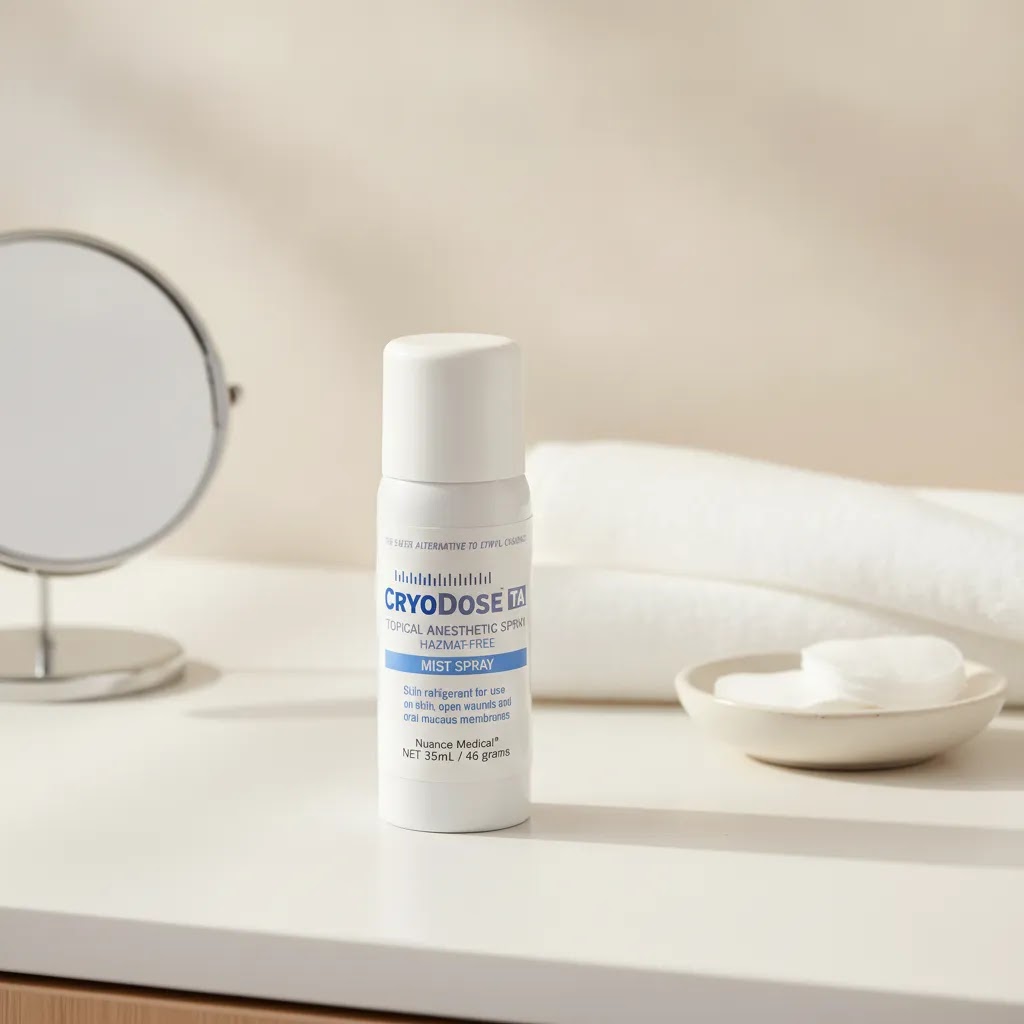
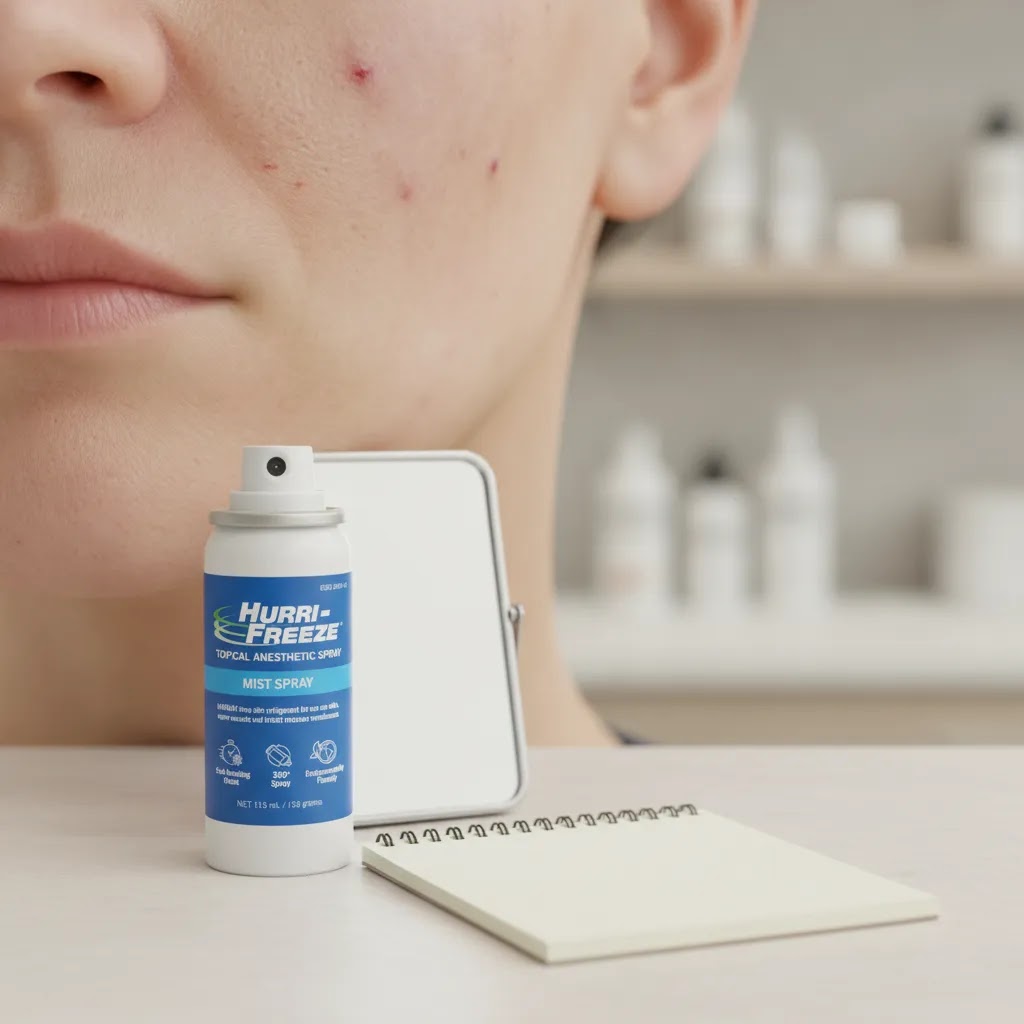
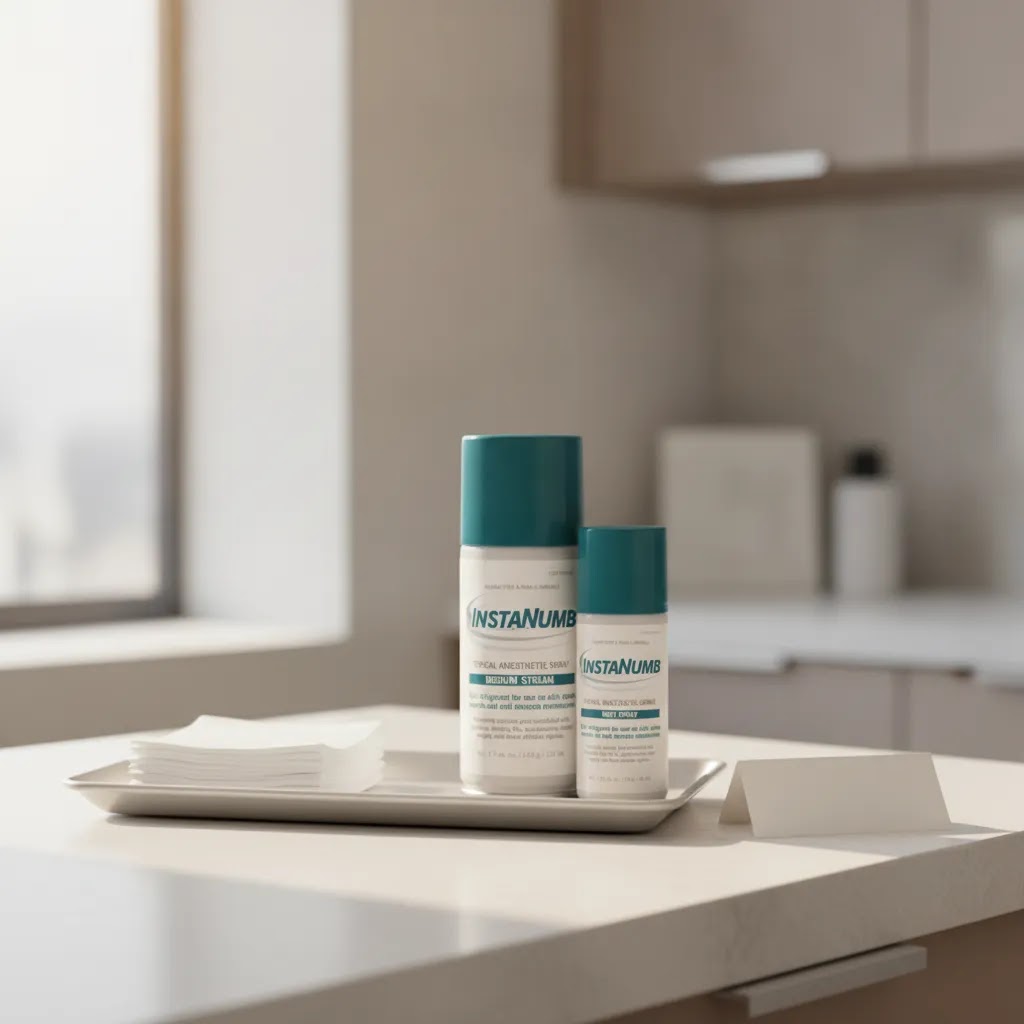
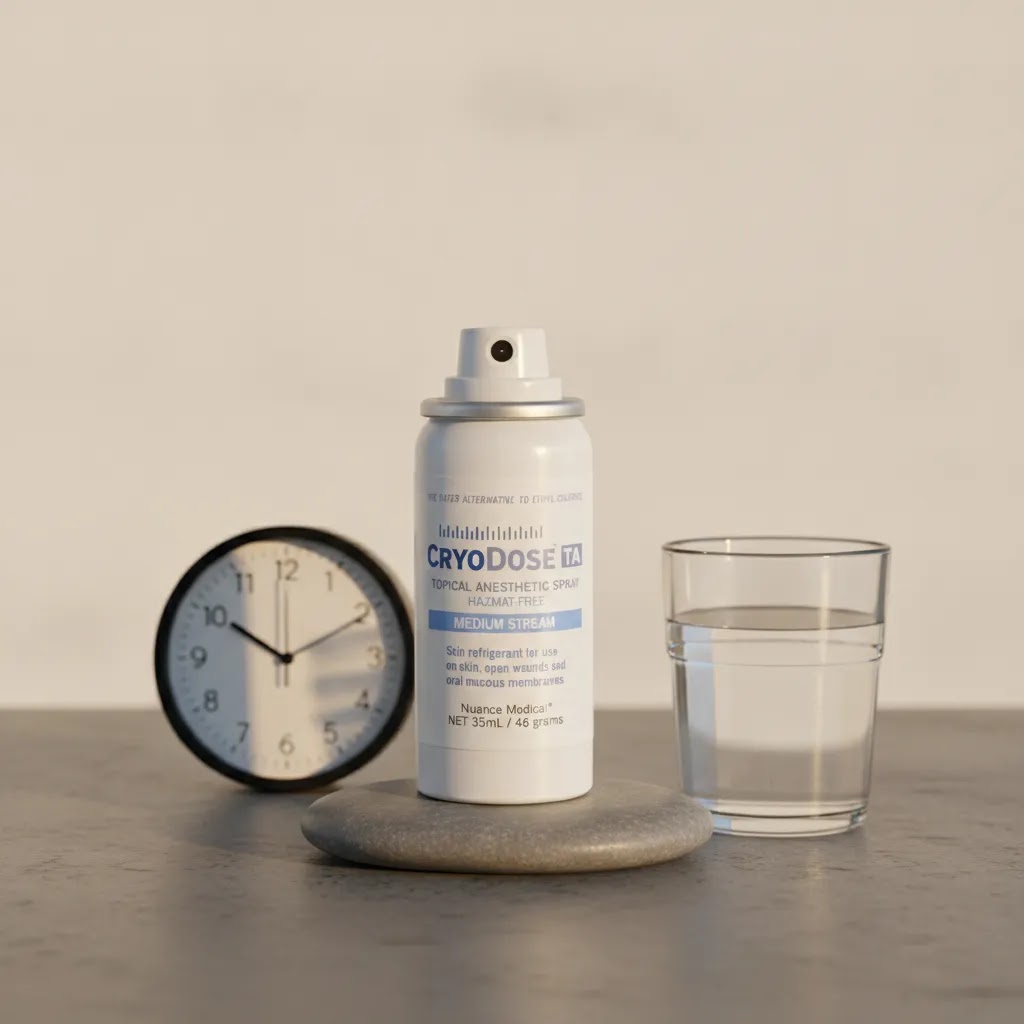
For procedural care, patients often ask about comfort as much as outcomes. That is where Topical Pain Relief becomes relevant. Nuance Medical offers topical anesthetic products such as Hurri-Freeze, InstaNumb™, CryoDose™ TA, HurriCaine ONE® Lidocaine, and HurriCaine ONE® Benzocaine, which are designed for temporary pain control in clinical settings. These products are not acne scar treatments themselves, but they reflect a broader clinical reality. Procedures aimed at scars may involve discomfort, and safe pain management planning can be part of the experience.
Treatment categories commonly discussed for mature acne scars may include resurfacing procedures, collagen-stimulating approaches, focal treatments for deep pits, and strategies for discoloration. Some patients need one modality. Others benefit from staged treatment, especially when scars vary in depth and shape across the face.
In-Office Treatment Options for Old Acne Scars
In-office treatment is often where older acne scars start to change in a meaningful way, especially when the main issue is texture. The most appropriate option depends on whether you are treating pigment, contour, or a mix of both.
Chemical peels for old acne marks
Chemical peels use controlled exfoliation to refresh the upper layers of skin. Over time, they can support more even tone and smoother-looking texture. Peels are often discussed for post-acne discoloration and very superficial texture concerns. However, deeper pitted scars usually need more than a peel alone. Peels can still fit into a broader plan, especially when PIH is also present.
Microneedling and RF microneedling
Microneedling creates tiny, controlled micro-injuries that can stimulate collagen remodeling. As a result, it may soften the appearance of atrophic scars over a series of sessions. RF microneedling adds radiofrequency energy through the needles, which can increase collagen stimulation at a controlled depth.
Many adult patients prefer these options when they want gradual improvement with a more moderate downtime profile. Even so, temporary redness and sensitivity are still common.
Laser resurfacing for old acne scars
Laser resurfacing aims to improve texture by encouraging new collagen formation and smoothing the surface. Non-ablative lasers heat deeper layers without fully removing the top layer of skin, often with less downtime. By comparison, ablative lasers remove thin layers of skin and can be more intensive.
Devices used in aesthetic medicine are often regulated by the FDA for specific indications, but FDA-cleared does not mean a device is right for every skin tone or scar type. This is where clinician selection and settings matter. For device background, see the FDA overview of lasers and light-based facial treatments.
Dermabrasion
Dermabrasion is a mechanical resurfacing technique that removes the upper layers of skin in a more direct way than a peel. It can help select texture concerns, but it is not a casual treatment. Recovery, redness, and aftercare can be significant. Therefore, it is not appropriate for every skin type or scar pattern.
Subcision for tethered rolling scars
Subcision is a technique used when scars are tethered down by fibrous bands under the skin, which is common in rolling scars. A clinician releases these attachments so the surface can sit more smoothly. In practice, subcision is often paired with other approaches rather than used alone, because mixed scarring is common and collagen remodeling takes time.
Fillers for select depressed scars
Dermal fillers may be used in certain cases to temporarily lift depressed areas and reduce shadowing, especially when the scar is broad and shallow rather than narrow and deep. Filler is not a permanent scar erase, and it does not change the skin’s surface in the same way resurfacing can. It can, however, be useful for carefully selected scars when the goal is subtle contour improvement with minimal downtime.
What to expect with old acne scar treatment
Indented acne scars often improve through staged treatment. Many patients need multiple sessions, and combination care is common for mixed patterns, such as rolling scars plus red marks plus a few deeper pits. Downtime varies widely. Some options involve a day or two of visible redness, while more intensive resurfacing can involve longer recovery with peeling, swelling, and strict aftercare.
Skin tone and pigment history matter. People prone to post-inflammatory hyperpigmentation or prolonged redness may need more conservative settings, longer spacing between sessions, and careful pre and post-care. As with any aesthetic procedure, there are potential side effects. A qualified practitioner should discuss risks such as temporary redness, swelling, sensitivity, infection risk, scarring risk, and pigment changes based on your individual skin and treatment choice.
Common Mistakes When Trying to Get Rid of Old Acne Scars
People frustrated by old acne scars often get stuck in cycles that look productive but do not match the biology of the scar.
One common mistake is treating deep scarring like a pigmentation issue. If the skin looks pitted in angled light, repeated brightening products may do very little for the actual contour. Another mistake is over-exfoliating mature skin in the hope of sanding down scars. This can lead to irritation, barrier disruption, and more visible redness without meaningful structural change.
There is also confusion around pain-control products. Questions like how fast topical lidocaine works, how long topical anesthetic lasts, or how to use topical anesthetic gel usually come up around procedures, not scar correction itself. Topical anesthetics may improve comfort during certain treatments, but they do not remodel acne scars. Their role is procedural support, and they should be used according to product directions and clinical supervision where appropriate.
Another misconception is that if a scar is old, it is untreatable. Older scars can still improve in many cases, but improvement is often gradual and partial rather than absolute. The goal is usually softer edges, a shallower appearance, smoother texture, or less contrast in the skin, not complete erasure.
Timeline, Why Old Acne Scars Can Look Worse, and What Helps Most
Think of it this way. Scars do not always change, but your skin and the conditions around it do. That is why some people feel like their old acne scars look worse than they used to, even if the scar itself is not new.
Why old acne scars can look worse over time
Common reasons include:
- Lighting and shadows: overhead bathroom lighting or strong side lighting exaggerates texture. Rolling scars, in particular, can look dramatically different depending on the angle.
- Dehydration and barrier disruption: when the surface is dry or irritated, the edges of pitted scars catch light differently, and makeup can settle into texture.
- Collagen changes with age: gradual collagen loss can make depressions look more noticeable, even if the scar pattern is the same.
- Sun exposure: tanning increases contrast. PIH can deepen, and uneven texture can become more obvious when the surrounding skin darkens.
- Weight changes or facial volume shifts: changes in facial fullness can alter how scars cast shadows, especially in the mid-cheek.
- Irritation from over-exfoliation: aggressive acids, scrubs, or frequent retinoid layering can create more redness and sensitivity, which makes marks and texture stand out.
What fast realistically means for old acne scars
Old post-acne marks and true scars often move on different timelines. Red marks and brown spots may fade gradually over weeks to months with consistent sun protection and well-tolerated skincare, although timelines vary widely. Texture change from atrophic scarring is usually slower. Collagen remodeling is usually measured in months, and procedural plans often involve a series of treatments spaced out to allow the skin to recover and respond.
What to do now: a practical baseline checklist
If you are not sure whether to keep trying at-home care or move toward in-office options, these steps are a reasonable place to start:
- Daily broad-spectrum sunscreen to reduce contrast and protect pigment-prone areas.
- Barrier support, such as gentle cleansing and consistent moisturizing, especially if you have been over-exfoliating.
- Avoid picking or squeezing, since this can increase inflammation and make marks and texture more likely to persist. Public health guidance, including from organizations like the NHS, commonly emphasizes avoiding picking to reduce worsening and secondary changes.
- Take a few photos in consistent lighting every 4 to 6 weeks, because daily mirror checks often exaggerate frustration and hide gradual improvement.
- Escalate to professional assessment if texture is the main issue, if marks are not fading after a sustained period of sun protection and gentle care, or if you have mixed scarring that does not fit a single product approach.
What that looks like in a consultation setting is a scar-pattern assessment, pigment risk review, and a plan that matches your downtime tolerance. The goal is a steady, skin-respecting approach that improves how scars read in real life, not just under perfect lighting. For general acne guidance, the American Academy of Dermatology acne scar resource offers a useful starting point.
Pros and Considerations for Old Acne Scar Care
Benefits
- Targeted treatment planning may address the actual scar type instead of using a one-size-fits-all routine.
- Older scars can still show visible improvement in texture, softness, or tone, even if they have been present for years.
- Separating pigment issues from indented scars helps set more realistic expectations and avoid wasted time on mismatched products.
- Clinical evaluation may identify mixed scar patterns, which often explains why basics stopped helping.
- Procedural planning can include comfort measures, including clinically used topical anesthetic options where appropriate.
Considerations
- No treatment can promise complete scar removal, and results vary based on scar depth, skin biology, and consistency of care.
- Indented acne scars often need multiple sessions or combination treatment rather than a single quick fix.
- Some treatments may involve downtime, temporary redness, swelling, or post-treatment sensitivity.
- Overuse of strong topicals or unsupervised at-home devices can worsen irritation without improving scar structure.
Who This Old Acne Scar Guidance Is For
This article is most relevant if you are an adult with long-standing acne scars that have not changed much with standard skincare, exfoliants, or fading products. It is especially useful if your concern is texture, shadowing, or pitted skin rather than active breakouts alone.
It may also help readers who are researching next steps before discussing treatment with a medical aesthetics provider. Suitability always depends on individual factors, including skin tone, scar type, history of pigmentation changes, current acne activity, medications, and tolerance for downtime. A professional consultation is the safest place to decide whether topical care, procedural treatment, or a combination approach makes the most sense.
The Nuance Medical Perspective on Old Acne Scars
Nuance Medical’s broader product portfolio reflects a clinically minded approach to skin and procedure support, with categories that include everyday silicone scar care and topical pain-management products used in treatment settings. For readers exploring scar care more broadly, that educational focus can be useful because it separates scar-supportive topicals from products designed purely for temporary numbing.
If you are researching persistent acne scarring, a medically supervised discussion can help clarify what is realistic for your scar pattern and whether comfort-support measures may be part of a procedural plan. Nuance Medical also shares product education such as BIOCORNEUM® SiliSilk™ scar gel information, which may be relevant for scar care conversations in other contexts. The best next step is a pressure-free consultation with a qualified practitioner who can assess whether your concern is mainly pigment, texture, or a combination of both.
How to Get Rid of Old Acne Scars: Treatment Selection Guide
If you are trying to decide what may actually help old acne scars, these 5 criteria usually matter more than trend-driven advice.
1. Scar depth and shape
Shallow unevenness and deep narrow pits do not respond the same way. A treatment that helps rolling scars may do much less for ice pick scars. Looking at the face in natural side lighting often gives a better sense of contour than a front-facing bathroom mirror.
2. Texture versus color
If your main concern is brown marks or lingering redness, topical care may still have a meaningful role. If the issue is indentation, skincare may support the skin but often will not fully change the contour. This is a useful distinction before spending months on the wrong routine.
3. Skin sensitivity and pigment risk
Mature skin may react differently to aggressive treatment than younger skin. If you are prone to irritation or post-inflammatory hyperpigmentation, your provider may recommend a slower, more controlled path. Safety and skin stability often matter more than intensity.
4. Downtime tolerance
Some people want gradual improvement with minimal interruption. Others are open to short-term redness or recovery if that fits their goals. The right plan depends on your work schedule, social comfort, and how much aftercare you can realistically manage.
5. Comfort planning
For procedure-based care, it is reasonable to ask how comfort is managed. Types of topical anesthetics vary by formulation and intended use. For example, Nuance Medical offers products including gels, sprays, and unit-dose anesthetic options for temporary pain control in clinical settings. Questions such as how long benzocaine spray lasts, how long topical benzocaine lasts, or how much topical lidocaine is safe should always be answered in the context of the specific product, treatment area, and practitioner guidance.
A careful plan tends to work better than jumping between products. If your scars have not responded to basics, that is often a sign to refine the diagnosis, not to give up. If you are still comparing topicals, this guide to acne scar removal cream may help frame expectations.
Frequently Asked Questions
Can old acne scars still improve after years?
Yes, old acne scars may still improve, although the degree of improvement varies. Mature scars often need more targeted treatment than fresh marks because the skin’s repair pattern is already established. Many people see gradual change in texture or tone rather than total removal.
Why do creams stop working on old acne scars?
Creams often plateau because many older acne scars are structural rather than purely superficial. A topical product may help hydration, barrier support, or discoloration, but it usually has limited effect on deeper depressions in the skin. The more indented the scar, the more likely a procedural discussion becomes relevant.
What is the difference between old acne scars and post-acne marks?
Old acne scars involve lasting changes in skin texture or tissue structure, while post-acne marks are usually flat red or brown discoloration. Marks may fade with time and topical care. True scars, especially pitted scars, generally need a different treatment strategy.
Can years old scars be removed?
Years-old acne scars can often be improved, but complete removal is not something any responsible provider can promise. The amount of change depends on scar type, depth, and how your skin remodels over time. A qualified consultation is the best way to understand what is realistic for your specific pattern.
Why do my old acne scars look worse?
Old acne scars can look worse due to lighting, dehydration, irritation, sun exposure, and natural collagen changes over time. Rolling and boxcar scars, in particular, cast stronger shadows when the skin is dry or when light hits from the side. Addressing barrier support and sun protection often helps the skin look more even while you consider longer-term options.
How to get rid of old acne scars completely: is 100% removal possible?
It is not usually realistic to expect 100% removal of acne scars, especially if they are deep or mixed in type. Many treatment plans aim for noticeable softening and smoother overall texture rather than complete erasure. Results vary, and a staged approach is common for mature, indented scarring.
How do you fade old acne marks?
Old acne marks often fade with consistent sun protection and targeted skincare that supports tone and reduces irritation. Red marks (post-inflammatory erythema) and brown marks (post-inflammatory hyperpigmentation) behave differently, so the right approach depends on the color and your skin’s sensitivity. If marks are persistent, a clinician can discuss in-office options that may be appropriate for your skin tone and goals.
Can topical scar products remove pitted acne scars?
Topical scar products may support skin quality, but they usually do not remove established pitted acne scars on their own. They can still be useful in a broader plan, particularly if discoloration or barrier irritation is also present. Realistic expectations are important before investing in long-term product use.
Are older acne scars harder to treat in mature skin?
Older acne scars can be more challenging because mature skin may have slower collagen turnover and different healing behavior. That does not mean treatment is off the table. It usually means your plan should be more individualized and paced with skin tolerance in mind.
How many treatments does it usually take to improve old acne scars?
It often takes more than 1 session to improve mature acne scars, especially if multiple scar types are present. Some people notice change earlier than others, but combination care and staged treatment are common. Your scar depth, skin biology, and treatment method all affect the timeline.
Do acne scar treatments hurt?
Some acne scar procedures can cause temporary discomfort, but comfort measures are often available. In clinical settings, topical anesthetic products may be used to reduce procedure-related pain depending on the treatment and practitioner judgment. The exact experience varies from person to person and by technique.
How long does topical anesthetic last during a procedure?
The duration of a topical anesthetic depends on the active ingredient, format, dose, and treatment area. For example, Nuance Medical’s HurriCaine ONE® Lidocaine and HurriCaine ONE® Benzocaine are designed for temporary pain relief, but their onset and duration differ by formulation. These products should be used according to labeling and professional guidance.
Is there one best treatment for old acne scars?
No single treatment is best for everyone because acne scars vary in depth, shape, color, and distribution. A person with shallow rolling scars may need a different plan than someone with deep ice pick scars and residual pigment. The most useful starting point is identifying exactly what type of scarring you have.
Key Takeaways
- Old acne scars usually need a more targeted approach than fresh post-acne marks.
- Pitted scars and discoloration are different concerns and often respond to different strategies.
- Basic skincare may still support the skin, but it often has limited effect on established indented scars.
- Comfort planning, including topical anesthetic use in clinical settings, is separate from scar treatment itself.
- A qualified consultation can help match treatment intensity to scar type, skin tolerance, and goals.
Conclusion
If you have been trying to figure out how to get rid of old acne scars, the most useful shift is often moving away from blanket advice and toward scar-specific thinking. Mature scars that no longer respond to basics may still improve, but they usually need a plan that reflects whether the issue is pigment, texture, or both.
That process should feel informed, not rushed. Nuance Medical’s educational resources on scar care and procedural support can help you understand the difference between surface products and clinically guided treatment pathways. Ultimately, if you are ready to sort through your options with more clarity, a consultation with a qualified practitioner can help you build a realistic plan for smoother, healthier-looking skin.
Medical Disclaimer: The information provided in this article is intended for general informational and educational purposes only. It does not constitute medical advice and should not be used as a substitute for a professional consultation with a qualified aesthetic practitioner or healthcare provider. Individual results from aesthetic treatments vary. Always seek the advice of a qualified medical professional before undergoing any cosmetic procedure.