How Burn Scars Usually Appear
Burn scars are changes in the skin that remain after a burn injury has healed. Their appearance depends on how much of the skin structure was affected, including the epidermis, dermis, pigment-producing cells, blood vessels, and collagen framework.
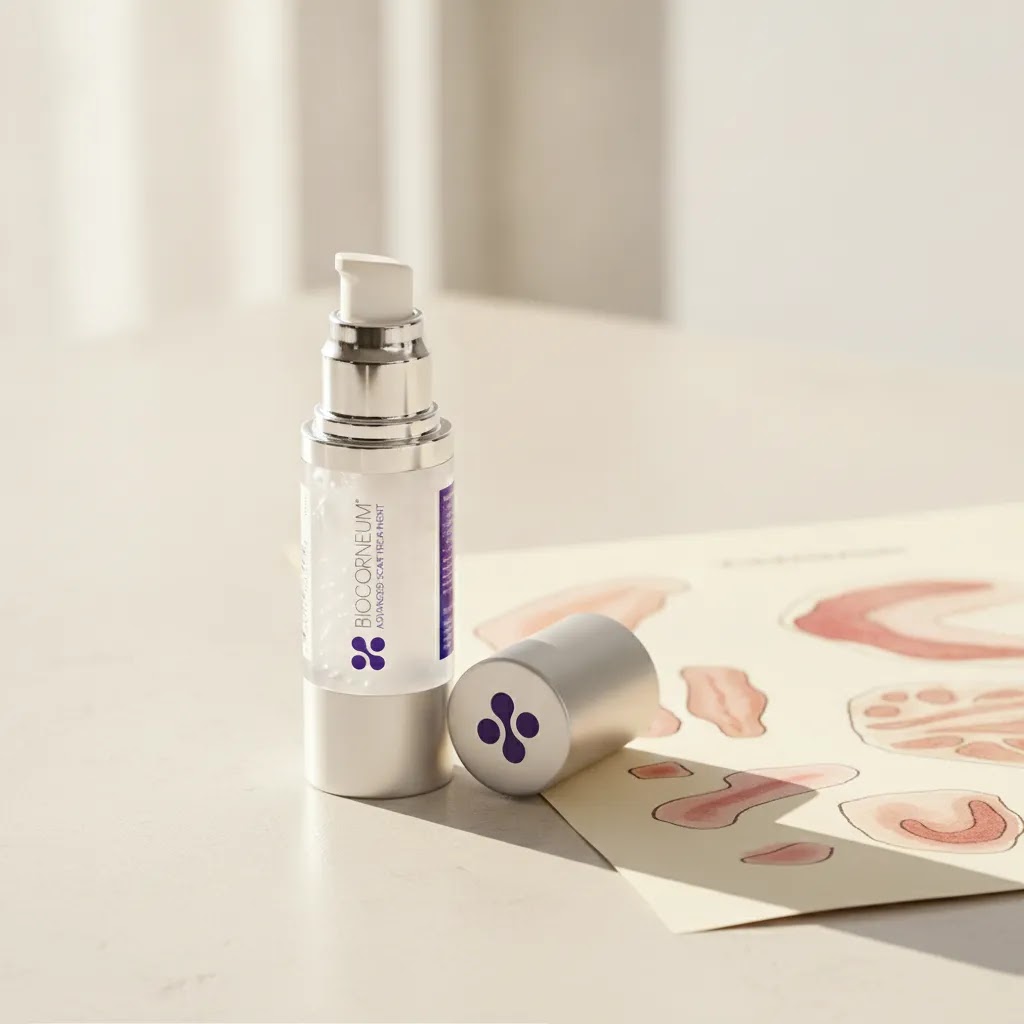
In simple terms, a mild burn mark may look like lingering discoloration, while a deeper burn scar may look raised, thickened, shiny, tight, or irregular in shape. Some scars stay darker than the surrounding skin. Others lose pigment and look pale or lighter. Some remain soft and flat. Others become hypertrophic, which means raised but confined to the original burn area.
Common visual features include:
- Red, pink, brown, or purplish discoloration in earlier phases
- Pale or lighter patches later in healing
- Shiny or smooth texture from altered skin structure
- Raised, thickened bands or plaques
- Tightness or a stretched appearance over joints or mobile areas
- Irregular edges that reflect the original splash, drip, contact, or flame pattern
That pattern recognition matters. A splash from a hot liquid may heal differently than a contact burn from a hot tool or a chemical burn scar, even if both are eventually called “burn scars.”
What Burn Scars May Look Like by Severity
Severity is one of the biggest clues to final scar appearance. While a clinician assesses burn depth formally, visual changes often follow a recognizable pattern.
1. Superficial burns
Superficial burns usually affect the outermost skin layer. These often look red, dry, and tender at first, similar to a strong sunburn. If they heal without deeper skin injury, they may leave temporary pinkness or mild uneven pigmentation rather than a true long-term scar.
What you may see later:
- Flat pink or light brown marks
- Subtle color mismatch with surrounding skin
- No major thickening
- Gradual fading over weeks to months
2. Partial-thickness burns
Partial-thickness burns extend deeper and are more likely to leave visible scarring. These may begin with blistering, moisture loss, raw-looking skin, and pronounced redness. Once healed, the area may stay red or dark for a prolonged period and can sometimes become raised.
What you may see later:
- Flat but darker patches
- Pink, red, or purple scars during remodeling
- Early thickening along the original injury shape
- Texture changes that make skin look smoother or shinier than nearby skin
3. Deep partial-thickness to full-thickness burns
Deeper burns are more likely to produce substantial scar tissue because more of the skin’s normal architecture has been damaged. These scars may look firm, ropey, irregular, shiny, or contracted. In some cases, they limit movement if they cross a joint or crease.
What you may see later:
- Raised, thick, dense scar tissue
- Mixed color, including red, brown, and pale areas in the same scar
- Tight or band-like skin
- Surface irregularity with uneven contour
- Greater risk of hypertrophic or keloid-type change, depending on the person and body site
Is it Scarring or Normal Healing? Practical Visual Checkpoints
Here’s the thing: early burn marks can look alarming even when they are still in a normal healing pattern. The goal is not to self-diagnose, but to use a few practical checkpoints to decide whether you are likely seeing ongoing healing changes, or a scar that is starting to establish itself.
Checkpoint 1: Is the area flattening over time, or thickening?
In many cases, normal healing trends flatter and calmer over time. If the area is becoming more raised, firmer, or “ropey,” that can be a sign of hypertrophic-type change, especially when the thickening follows the exact outline of the original injury.
Checkpoint 2: Is the redness fading gradually, or staying intense for a prolonged period?
Red or pink coloration can persist during the remodeling phase because of blood vessel activity in healing skin. What many readers overlook is the direction of change. A slow, steady softening of redness is reassuring, while redness that stays very vivid or seems to be paired with increasing thickness deserves a closer look by a qualified professional.
Checkpoint 3: Is pigment moving toward your baseline skin tone, or staying starkly different?
Brown or dark discoloration can reflect post-inflammatory hyperpigmentation, while pale areas can reflect pigment loss. Some uneven tone can improve with time, but high-contrast patches that stay very different from surrounding skin can be more persistent, especially after deeper injury. This is one reason clinicians often ask about sun exposure habits during healing, since UV exposure can intensify contrast.
Checkpoint 4: How long did it take the skin to fully close?
Longer healing times are often associated with a higher chance of noticeable scarring. If the burn took a prolonged period to close, reopened repeatedly, or experienced ongoing friction or dryness, the scar outcome can be more variable.
Checkpoint 5: Are day-to-day factors making it worse?
Repeated rubbing from clothing, ongoing moisture loss, and unprotected sun exposure can all influence how a scar looks during the active remodeling stage. Consistency in basic care often matters as much as any single product choice.
What to document before a consultation
If you plan to speak with a qualified practitioner, bringing clear information can make the conversation more useful. Consider documenting:
- Photos in consistent lighting, taken weekly or every two weeks
- Approximate dates, including when the burn happened and when the skin fully closed
- Any noticeable changes in thickness, shine, and texture
- Any tightness with movement, especially over joints or around the mouth, eyes, or hands
- Color shifts, including whether the area is trending lighter, darker, redder, or more mixed
This kind of timeline helps a clinician distinguish normal remodeling from a scar pattern that may benefit from a more structured plan.
How Appearance Can Differ by Burn Cause
The cause of the burn often shapes the scar’s outline and texture. This is where readers asking what do burn marks look like often notice that one person’s scar looks nothing like another’s.
Scald burns
Scalds from hot water, steam, or liquids often create splash-like or flowing patterns. Later scars may follow a drip or spill line, with irregular borders and patchy pigment change. If the burn was shallow, lingering discoloration may be the main issue.
Contact burns
Contact burns from curling irons, ovens, pans, or motorcycle exhaust often leave a more defined shape. The healed mark may look round, linear, or patterned, echoing the object that touched the skin. These can heal flat or become raised, especially if healing was slow.
Flame burns
Flame burns may involve larger surface areas and mixed burn depths. Scars can look broad, uneven, and variable in color and thickness across the injured area. These are more likely to produce a combination of pigment change, textural change, and tightness.
Chemical burns
Chemical burns may leave sharply demarcated or oddly shaped scars depending on how the substance spread and how long it remained on the skin. A dedicated article on chemical burn scar patterns can help if that is your specific concern. These scars may appear pale, dark, glossy, or thinned, especially if the chemical caused deeper tissue injury.
Electrical or severe thermal injuries
These may create deeper internal damage than the surface initially suggests. Later scarring can look dense, contracted, and irregular. Because appearance may underestimate underlying injury early on, professional assessment tends to matter more in this group.
How Appearance Changes Over Time
Burn scars are not static. Many change for months as collagen remodels and blood vessel activity settles. A scar that looks vivid and prominent at 6 weeks may look quite different later.
- Early healing: the area may look red, pink, inflamed, or darker than surrounding skin.
- Remodeling phase: the scar may become thicker, firmer, shinier, or more raised before it softens.
- Later maturation: some scars flatten and fade, while others remain noticeably thick, tight, or pale.
Readers often worry that a scar is “getting worse” when it becomes redder or more raised for a time. That can happen during normal remodeling, although not every raised scar settles fully on its own. If your question is specifically about later-stage changes, our article on healed burn scars looks more closely at mature scar appearance.
For readers interested in silicone-based topical scar care formats, Nuance Medical also shares educational content such as Introducing SiliSilk™: Everyday Silicone Scar Care, Simplified and BIOCORNEUM® SiliSilk™ Wins NewBeauty Award for Best Scar Gel.
What Burn Scars May Feel Like (Not Just How They Look)
What many patients overlook is that burn scars are not only a cosmetic issue. Even when the skin looks “closed,” the deeper layers can continue remodeling, and that process can create ongoing sensations that affect comfort and daily movement.
Common sensations people notice include:
- Itching: often reported during remodeling, and it can persist even when the surface looks calm.
- Tenderness or sensitivity to touch: the area may feel “raw” or easily irritated, especially with friction from clothing.
- Tightness or pulling: scar collagen can mature in a way that feels restrictive, particularly over joints or high-movement areas.
- Hypersensitivity: some scars feel overly reactive to light touch, pressure, or texture changes.
- Temperature sensitivity: increased discomfort with heat or cold can occur because scar tissue does not behave exactly like uninjured skin.
The scar can look relatively flat but still behave “stiffer” than surrounding skin. That stiffness may matter most across the hands, fingers, elbows, knees, neck, and other areas where skin needs to stretch smoothly. Some people also notice chafing or irritation in areas where the scar rubs against clothing, athletic gear, or straps.
The reality is that function can be as important as color. If you are noticing increasing pain, worsening tightness, reduced range of motion, or a scar that seems to restrict movement, it is worth being evaluated. Organizations like the American Academy of Dermatology emphasize professional assessment for scars that are symptomatic or functionally limiting, since appearance alone does not capture the full impact of scar tissue.
As with any scar concern, there are potential complications and side effects that a qualified professional should discuss with you in context. If symptoms are escalating rather than gradually settling, that is another reason to get individualized guidance.
Scar Care Product Comparison
If you are looking at a healed burn scar and exploring topical or silicone-based options, these products serve slightly different needs. The right format depends on scar size, location, skin movement, and whether you prefer a gel or sheet.
| Product | Type | Price | Best fit based on product details |
|---|---|---|---|
| BIOCORNEUM SiliSilk Advanced Scar Gel, 30g | Scar care gel | $84.95 | Daily silicone gel use, including under sunscreen or makeup |
| BIOCORNEUM 10g | Scar care gel | $55 | Smaller treatment areas or lower-volume use |
| BIOCORNEUM 20g | Scar care gel | $75 | Regular use across moderate scar areas |
| BIOCORNEUM 50g | Scar care gel | $130 | Larger scar areas or longer-use routines |
| Epi-derm Standard Sheet | Silicone gel sheeting | $58.95 | Medium to large scars, including areas that may benefit from sheet coverage |
| Epi-derm Standard Sheet (5 Pack) | Silicone gel sheeting multipack | $223.95 | Repeated use for medium to large scars or broader treatment needs |
BIOCORNEUM SiliSilk Advanced Scar Gel, 30g
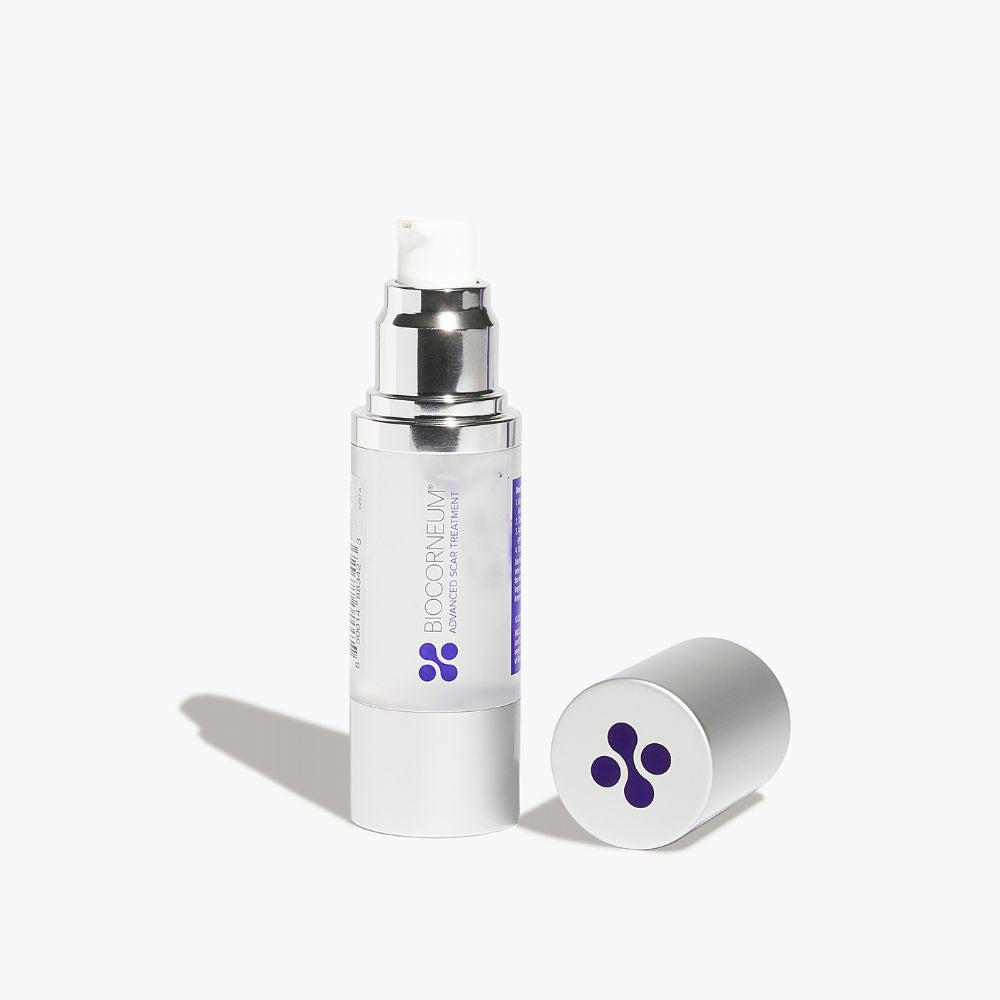
This silicone scar gel is described as clear, fast-drying, silky, and SPF-free. The product page states that it blends into skincare routines and works under sunscreen, makeup, or on its own, day or night.
- Professional-grade silicone scar care
- Fast-drying, non-greasy texture
- Water- and sweat-resistant for daily activities
- Transfer-resistant to clothing and bedding
- Travel-friendly packaging
Considerations include the fact that it is SPF-free, so outdoor daytime use may still require a separate sunscreen. Product information supports use for scars and hyperpigmentation appearance, but individual response can vary.
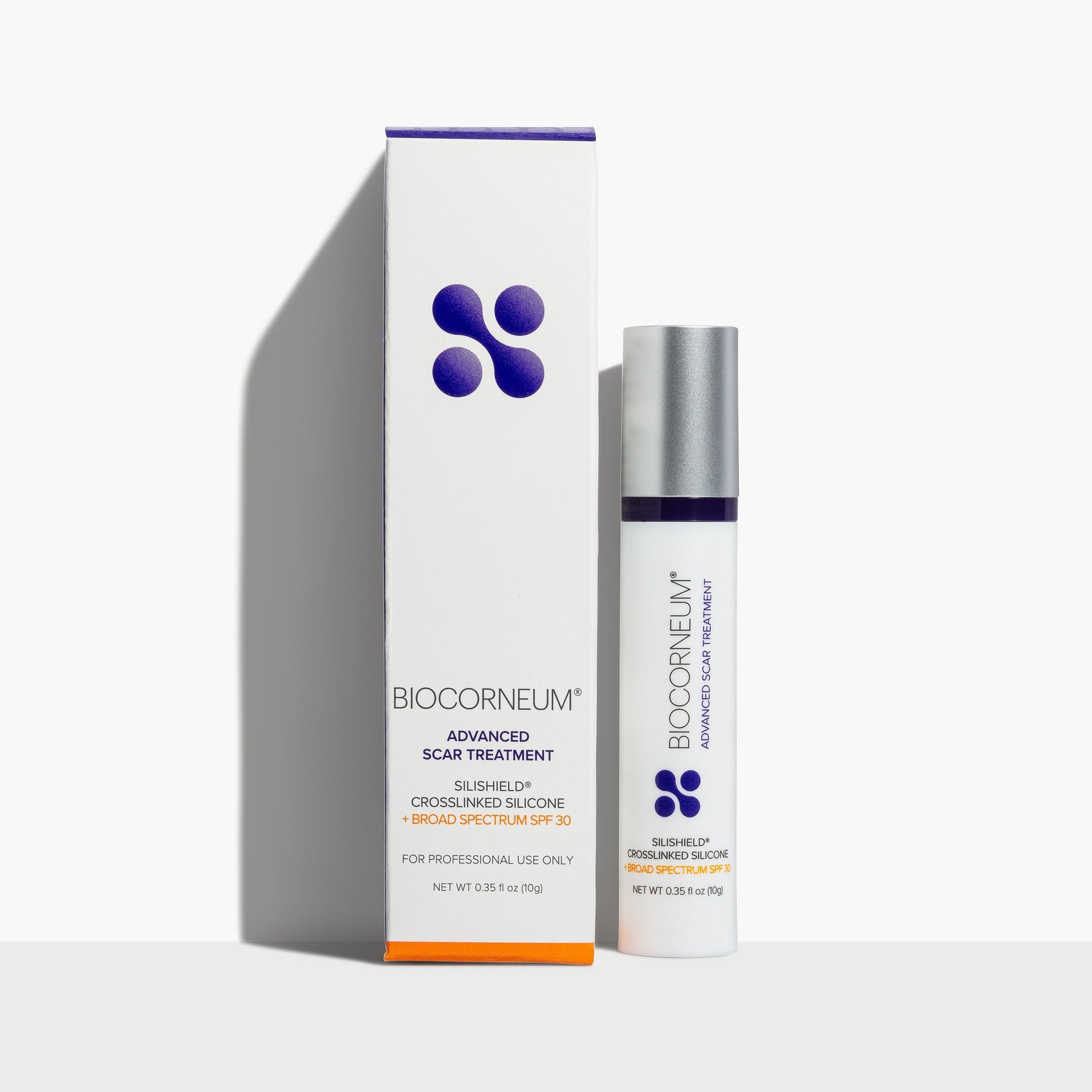
BIOCORNEUM 10g
This size is part of the BIOCORNEUM line used on scars from surgical and cosmetic procedures, trauma, wounds, and burns. The product page states that it may be effective on old or new scars.
- Self-adhering formula with no tape required
- May suit areas that flex often, such as joints
- Can be used on irregular surfaces and large scar areas
- Listed as suitable for children over 6 months
The main distinction here is size, not a different clinical role. Smaller packaging may suit limited treatment areas, though product information does not specify duration of use.
BIOCORNEUM 20g
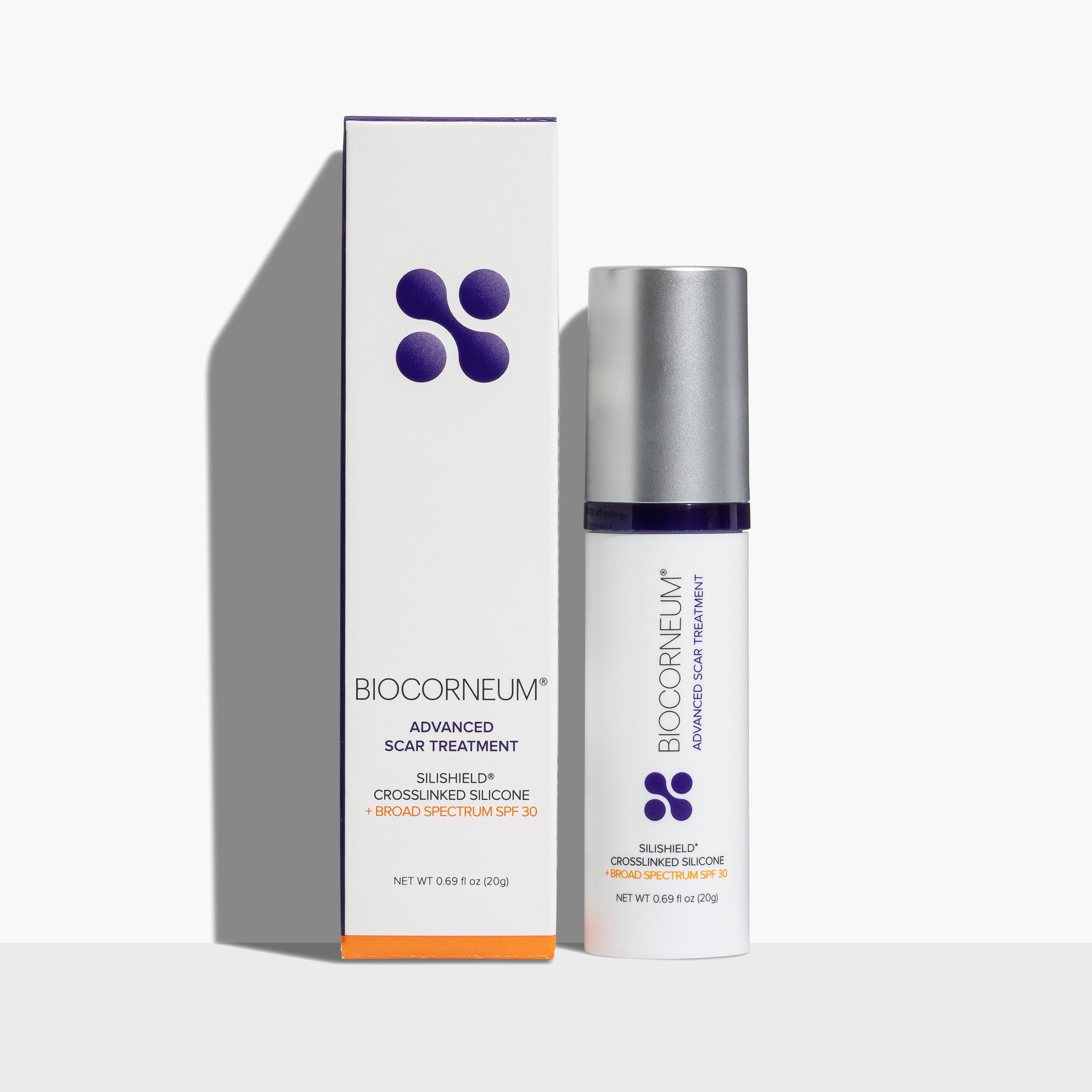 BIOCORNEUM 20g carries the same stated use cases as the 10g format, including scars related to burns, trauma, wounds, and procedures. It is also described as appropriate for exposed areas such as the face, neck, chest, and hands.
- Same scar-focused use profile as the other BIOCORNEUM sizes
- Useful where skin movement makes rigid coverage less practical
- Can be combined with other physician-recommended options
- Suitable for both newer and older scars according to the product page
Selection between this size and the others is mainly about how much product you expect to use over time.
BIOCORNEUM 50g
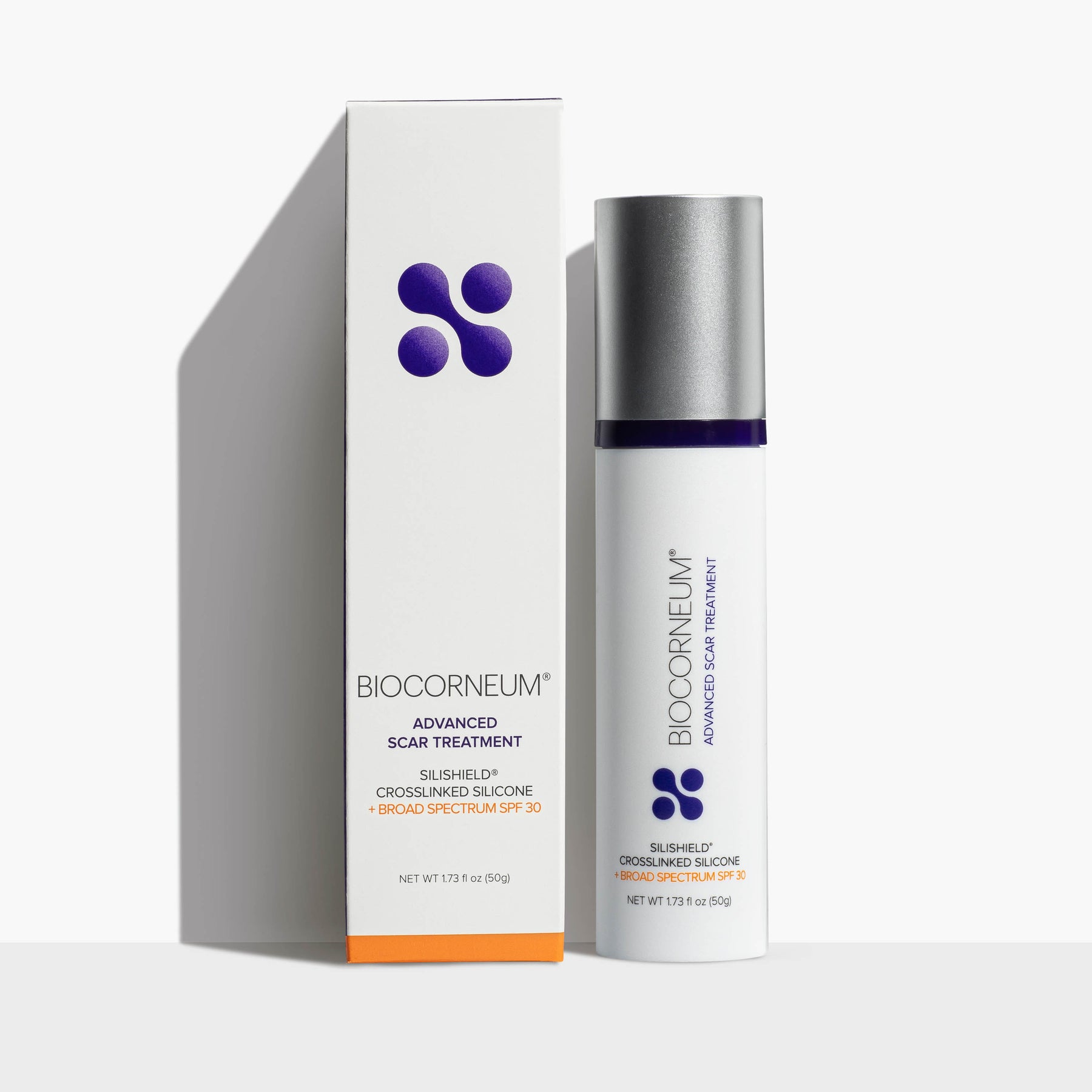
This larger BIOCORNEUM size is positioned for the same scar categories, including burns. Readers considering broader scar areas may prefer a larger tube for convenience, although the product page does not quantify area coverage.
- Same scar applications as the smaller sizes
- Potentially practical for larger or multiple scar sites
- No tape required
- May suit irregular and high-movement areas
The tradeoff is higher upfront cost, though some users may prefer a larger format if treating larger healed burn scars.
Epi-derm Standard Sheet
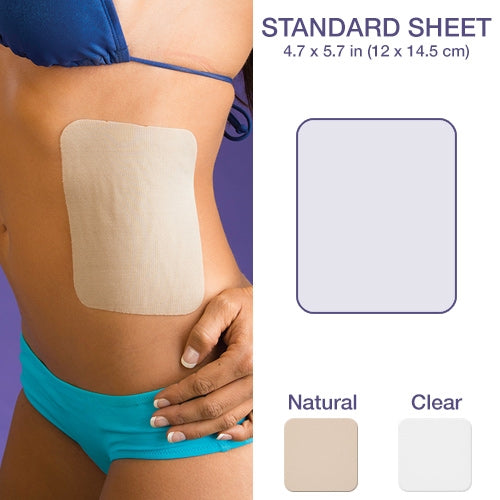
This silicone gel sheet is available in Clear or Natural and is described as beneficial for burn scar reduction therapy, as well as medium to large keloid and hypertrophic scars from surgery or trauma. It can be wrapped around a limb or cover medium scar areas on the torso, and it can be trimmed for custom fit.
- Specifically references burn scar reduction therapy
- May suit medium to large scars
- Can be wrapped or trimmed for fit
- Relevant where sheet coverage is preferred over gel application
Sheets may not suit every body contour or daily routine equally well, especially if the area is difficult to keep covered consistently.
Epi-derm Standard Sheet (5 Pack)
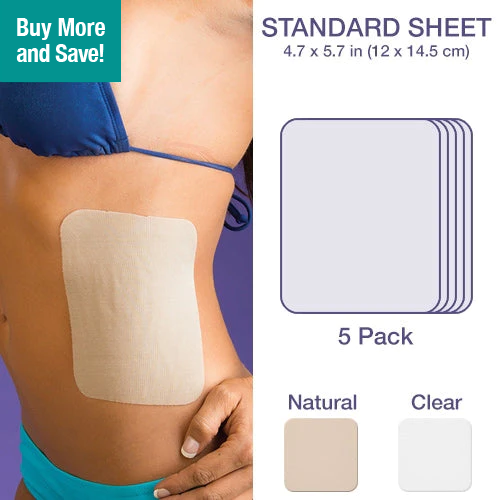
This multipack includes 5 sheets and is described as 5 for the price of 4. Its stated use is the same standard Epi-Derm sheet format for medium to large scars, including burn scar reduction therapy and hypertrophic or keloid scars.
- Multipack value for repeat use
- Supports medium to large scar coverage
- Can be trimmed for custom fitment
- May be useful for longer scar-care routines
This option may make more sense if you already know that sheeting fits your scar location and routine.
Pros and Considerations
Benefits
- Learning the visual patterns of burn scars can help you distinguish temporary discoloration from a more established scar.
- Appearance clues such as color, thickness, shine, and tightness often give useful insight into burn depth and healing stage.
- Pattern recognition by cause, such as splash, drip, contact-shape, or broad flame injury, can make the scar easier to understand and describe during a consultation.
- Recognizing raised or tight scars early may help guide timely scar-care conversations.
- Topical silicone gels and silicone sheeting are established scar-care categories often considered once skin is fully healed, depending on the scar and practitioner guidance.
Considerations
- Burn scar appearance alone cannot reliably tell you everything about depth, function, or future remodeling.
- Raised, red, or dark scars may improve over time, but some remain persistent and individual healing varies widely.
- Home visual assessment has limits, especially for scars near joints, facial features, or larger body areas.
- Topical products and silicone sheeting may support scar appearance, but they do not guarantee a specific cosmetic result.
How to Interpret What You Are Seeing
If you are trying to make sense of a burn mark or healed burn scar, a few visual checkpoints can help organize your thinking before you speak with a qualified professional.
1. Look at color first
Pink, red, or purple often suggests active remodeling or increased blood vessel activity. Brown or darker areas may reflect post-inflammatory hyperpigmentation. Pale or lighter areas may indicate pigment loss. Mixed color in one scar is common, especially after deeper burns.
2. Check whether the surface is flat or raised
A flat mark is often more about color than bulk. A raised scar may suggest hypertrophic change, especially if it stays within the original burn boundary. If a scar seems to grow beyond that original area, clinical evaluation becomes more important.
3. Notice texture and shine
Scar tissue may look smoother, glossier, or less supple than normal skin. That difference happens because healed scar tissue does not recreate normal skin structures perfectly. A shiny surface does not automatically mean a scar is severe, but it is a common visual cue.
4. Pay attention to tightness
If the scar looks stretched or seems to pull during movement, that may suggest a contractile component. This matters most around the mouth, eyelids, neck, fingers, elbows, knees, and other mobile areas.
5. Compare the current appearance with the timeline
A newer mark may still be evolving. A mature scar that remains thick, very noticeable, or functionally tight may deserve a more structured scar-care plan. For readers exploring related product categories, Nuance Medical also offers educational pathways in Topical Pain Relief and broader scar-support resources, although suitability depends on the specific concern and stage of healing.
Nuance Medical’s educational approach tends to fit readers who want practical, medically grounded information without exaggerated promises. If you are comparing silicone-based scar options or trying to understand what a healed burn scar may be showing you, browsing the brand’s scar education resources can be a reasonable next step before choosing a product or discussing care with a qualified practitioner.
Sun Exposure and Early Scar Care: Why Burn Scars Can Darken or Stay Visible
Visible burn scars, sun exposure is one of the most underestimated factors. UV light can deepen discoloration and increase contrast between the injured area and surrounding skin, which is why broad-spectrum sun protection is routinely recommended for healing skin and scars in dermatologist-style guidance.
Consider this timing detail: scar outcomes are often influenced most during the early remodeling window, often the first 8 to 12 weeks after the skin is fully closed. That does not mean improvement stops after that point, but it is a period where consistency with basic scar-support habits can make a noticeable difference over time.
Why UV exposure can make burn scars look darker or more uneven
Healing skin can respond unpredictably to UV exposure. In some people, the area darkens (hyperpigmentation). In others, pigment recovery is slower, so the scar stays lighter while surrounding skin tans. Either way, the contrast can become more obvious, particularly on the face, neck, chest, shoulders, and hands.
Early scar-care principles that affect appearance
This is not a substitute for medical advice, but a few practical principles are commonly emphasized in scar education:
- Protect from sun consistently: regular broad-spectrum SPF use and physical coverage when practical can reduce the chance of prolonged discoloration.
- Minimize friction: repeated rubbing from clothing, straps, or sports gear can keep a scar looking red or irritated longer.
- Support hydration: scar tissue can be drier and less flexible than normal skin, and keeping the area comfortable can support a more consistent routine.
- Choose a format you can actually use: gels may be easier for high-movement areas, while silicone sheets may suit flatter surfaces where consistent coverage is realistic.
In practice, this means “best” is often the option you can use consistently and comfortably. A qualified practitioner can help you choose a scar-care approach that fits your skin, the scar’s location, and your stage of healing. As with any topical approach, there is potential for irritation or sensitivity, so professional guidance is a smart step if you are unsure.
Frequently Asked Questions
What do burn scars look like after they heal?
After healing, burn scars may look flat or raised, and they may appear pink, red, brown, purple, pale, or mixed in color. Some look shiny or tight rather than obviously thick. The final appearance depends on burn depth, body location, healing time, and individual scar tendency.
What do burn marks look like if they are not true scars?
Burn marks that are not true scars often look flat and mainly involve lingering discoloration. They may appear pink, tan, or brown without much change in skin thickness. These marks can fade gradually, although the timeline varies from person to person.
Are burn scars always raised?
No, burn scars are not always raised. Some remain flat and mainly differ in color or texture from surrounding skin. Raised scars are more common after deeper burns or prolonged healing, but flat scars can still be noticeable.
Why is my burn scar shiny?
A shiny burn scar often reflects altered skin structure and a smoother surface than normal skin. Scar tissue does not reproduce all the components of uninjured skin, so light reflects differently. Shiny appearance alone does not tell you how severe the scar is, but it is a common feature.
Do burn scars get darker before they get better?
They can. Many scars look redder, darker, or more obvious during active remodeling before they soften or fade. That does not guarantee improvement in every case, but temporary worsening in appearance can happen during normal healing.
How can I tell if a burn is scarring?
A burn may be scarring if the area is becoming thicker or firmer over time, staying very red for a prolonged period, or developing a shiny, tight texture rather than gradually flattening. Marks that remain starkly darker or lighter than surrounding skin for months can also suggest a more persistent scar pattern. A qualified professional can assess your scar’s depth, function, and stage of remodeling in a way photos and self-checks cannot.
What color are healed burn scars?
Healed burn scars can be pink, red, brown, purple, pale, or mixed, and some remain noticeably different from surrounding skin even after maturation. Color depends on burn depth, your baseline skin tone, and how pigment cells recover, and sun exposure can increase contrast. It is common for color to shift gradually over months rather than changing quickly.
Do burn scars go away?
Some burn marks fade significantly, especially after more superficial injury, but many true scars do not disappear completely. In many cases, scars soften and become less noticeable over time as collagen remodels, although the final outcome varies by person and body site. If the scar remains raised, tight, or high-contrast, a professional evaluation can help you understand realistic options.
Do burn scars hurt after healing?
They can. Even after the surface is closed, scars may feel tender, itchy, tight, or sensitive to friction and temperature while deeper remodeling continues. Pain that is increasing, persistent, or associated with worsening tightness or limited movement should be evaluated by a qualified professional.
How can I tell if a burn scar is hypertrophic?
A hypertrophic burn scar is usually raised, firm, and confined to the original burn area. It may look red or pink early on and can feel thicker than surrounding skin. A professional assessment is the best way to distinguish it from other scar patterns or ongoing inflammation.
What does a healed burn scar look like months later?
Months later, a healed burn scar may be flatter, softer, and lighter than it was earlier, though some remain thick or tight. Mature scars can still show uneven pigment, shine, or contour change. If that is your focus, our page on healed burn scars goes further into later-stage appearance.
Can silicone products help the appearance of burn scars?
Silicone-based scar care is commonly used to support scar appearance once the skin is fully closed. Products such as gels or sheets may help some people with texture and visible scar quality, but results vary and product selection depends on scar size, location, and routine.
When should I get a burn scar checked?
You should consider professional evaluation if the scar is becoming very raised, increasingly tight, painful, itchy, functionally limiting, or visually changing in a concerning way. Assessment is especially useful for scars on the face, hands, neck, chest, or over joints.
Key Takeaways
- Burn scars may look flat, raised, shiny, tight, darker, lighter, or mixed in color.
- Deeper burns are more likely to leave thickened, irregular, or contractile scars.
- The cause of the burn often shapes the scar pattern, such as splash, contact, or flame distribution.
- Scar appearance can change for months, so early and mature scars may look very different.
- Silicone gels and sheets are common scar-care formats, but results vary and guidance should be individualized.
Conclusion
If you have been wondering what do burn scars look like, the most accurate answer is that they can look very different depending on depth, cause, body area, and how the skin remodels over time. Some are mainly pigment changes. Others become raised, shiny, tight, or uneven in contour. Knowing those visual patterns can make it easier to decide whether you are seeing a fading mark, an active scar, or a scar that may benefit from more structured care. Nuance Medical’s scar education resources are designed for readers who want measured, clinically grounded guidance rather than exaggerated promises. If you want to keep learning, explore the related burn scar articles and scar-care category pages, then speak with a qualified medical professional for advice tailored to your skin and healing stage.
Medical Disclaimer: The information provided in this article is intended for general informational and educational purposes only. It does not constitute medical advice and should not be used as a substitute for a professional consultation with a qualified aesthetic practitioner or healthcare provider. Individual results from aesthetic treatments vary. Always seek the advice of a qualified medical professional before undergoing any cosmetic procedure.