Ensuring procedural comfort and patient care is a cornerstone of modern healthcare. Pain, anxiety, and discomfort can significantly affect a patient’s experience and willingness to undergo medical treatments. One of the most effective ways to enhance procedural comfort is the proper use of topical anesthetics, which provide localized pain relief while improving overall patient satisfaction. By following best practices, healthcare professionals can deliver care that is both compassionate and clinically effective.
Understanding Procedural Comfort in Healthcare
Procedural comfort refers to the strategies and measures taken to minimize pain, anxiety, and stress during medical treatments. Patients often experience discomfort during injections, minor surgeries, dermatological procedures, dental treatments, or wound care. Reducing procedural discomfort not only improves patient experience but also helps healthcare providers perform procedures efficiently and safely.
The integration of topical anesthetics plays a key role in procedural comfort. These anesthetics work by numbing the skin or mucous membranes, reducing pain signals, and creating a more tolerable treatment environment. When combined with patient-centered care practices, topical anesthetics significantly enhance procedural outcomes. Additionally, supporting overall recovery and tissue health with a Vitamin C Supplement can complement pain management strategies and promote faster healing.
Best Practices for Enhancing Patient Comfort
1. Comprehensive Pre-Procedure Assessment
Before any procedure, healthcare professionals should conduct a thorough patient assessment. Understanding a patient’s medical history, allergies, and previous experiences with pain management can help determine the most effective approach. For instance, some patients may respond better to specific formulations of topical anesthetics, such as gels, creams, or sprays, depending on the procedure and skin type.
2. Clear Communication and Patient Education
Effective communication is essential for procedural comfort. Explaining the steps of the procedure, the expected sensations, and the purpose of topical anesthetics can alleviate patient anxiety. Patients who understand how pain management strategies work are more likely to remain calm and cooperative during treatment. Highlighting the use of safe and clinically supported anesthetics reassures patients about their safety and comfort.
3. Proper Application of Topical Anesthetics
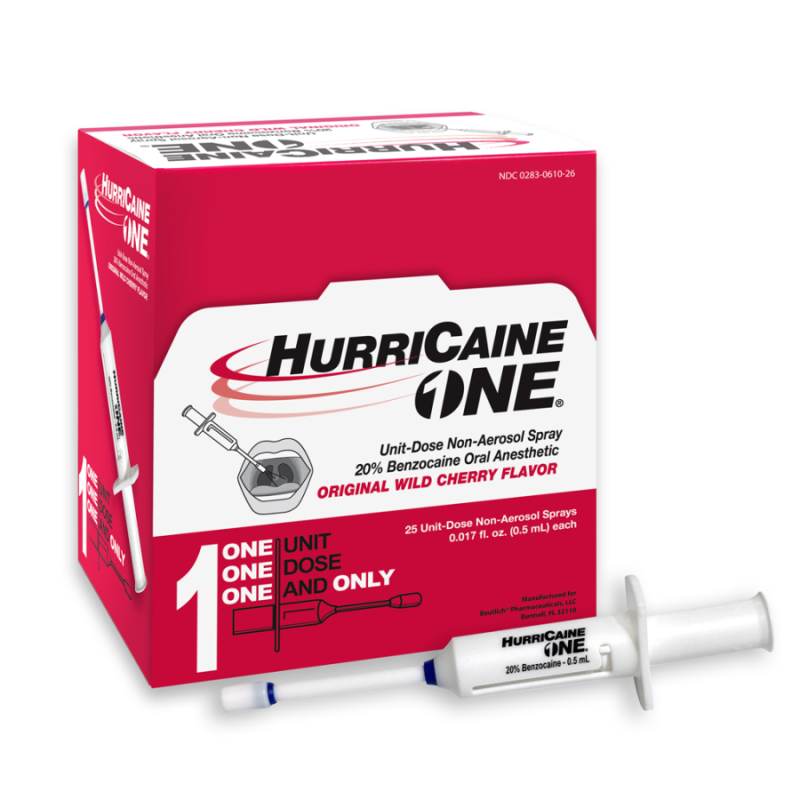
The correct application of topical anesthetics is critical to achieving optimal pain relief. Clinicians should follow product instructions regarding dosage, exposure time, and application area. For instance, applying a sufficient layer to intact skin or the specific mucosal area before injections or minor procedures ensures maximum effectiveness. In dental and oral procedures, using HurriCaine ONE® Benzocaine provides targeted numbing for improved patient comfort.
4. Environmental Comfort and Support
Creating a calming and supportive environment can significantly enhance procedural comfort. Comfortable seating, proper lighting, and a quiet setting help patients relax. Additionally, providing emotional support through empathetic communication and reassurance reduces stress and enhances the effectiveness of pain management strategies, including topical anesthetics.
5. Combining Pain Management Approaches
While topical anesthetics are highly effective, combining them with other pain management techniques can provide even greater comfort. For minor procedures, local anesthetics or cold packs may complement topical applications. Understanding the patient’s individual needs and tolerance ensures a personalized approach to pain management and procedural comfort.
6. Monitoring Patient Response
Healthcare professionals should continuously monitor patient response during procedures. Checking for signs of discomfort, allergic reactions, or anxiety allows for timely intervention. If a patient experiences inadequate pain relief from topical anesthetics alone, clinicians can adjust the treatment plan while maintaining safety and comfort standards.
7. Post-Procedure Care and Feedback
Procedural comfort extends beyond the procedure itself. Providing post-procedure instructions, managing any residual discomfort, and soliciting patient feedback help improve future care. Patients who feel cared for after treatment are more likely to trust healthcare providers and adhere to recommended care plans.
Integrating Topical Anesthetics for Optimal Care
The use of topical anesthetics is a critical component of procedural comfort and patient-centered care. These anesthetics reduce pain during minor surgeries, injections, dermatological treatments, and dental procedures. By effectively numbing the treatment area, they minimize patient anxiety and allow clinicians to work efficiently.
Products like HurriCaine ONE Benzocaine are specifically designed for oral procedures, providing fast-acting relief and enhancing patient satisfaction. Incorporating these solutions into standard protocols reflects best practices in pain management and procedural comfort.
Training and Staff Education
Staff education is essential for implementing best practices in patient comfort. Clinicians should be trained in the proper use of Education & Best Practices in Topical Anesthetic Application, patient communication strategies, and monitoring techniques. Regular training ensures that all team members understand the importance of procedural comfort and are equipped to deliver care safely and effectively.
Benefits of Focusing on Procedural Comfort
Prioritizing procedural comfort has numerous benefits for both patients and healthcare providers:
- Enhanced patient satisfaction: Patients are more likely to return for future care and recommend the facility to others.
- Reduced anxiety and stress: Proper pain management reduces procedural fear, improving compliance.
- Improved procedural efficiency: Relaxed patients allow clinicians to perform treatments accurately and quickly.
- Positive clinical outcomes: Effective pain control contributes to better healing and recovery experiences.
Conclusion
Procedural comfort and patient care are essential elements of high-quality healthcare. By integrating best practices such as pre-procedure assessment, clear communication, environmental comfort, and the proper use of topical anesthetics, healthcare providers can significantly enhance patient experiences. Products like HurriCaine ONE Benzocaine exemplify how modern pain management tools can improve procedural outcomes while maintaining safety and efficiency.
At Nuance Medical, we are committed to supporting healthcare professionals with products and strategies that prioritize patient comfort, safety, and satisfaction. Incorporating these best practices ensures that every procedure is not only clinically successful but also as comfortable and stress-free as possible.