Infection prevention remains one of the most essential priorities in modern healthcare settings. Clinics, dental practices, surgical centers, and outpatient care environments continuously seek ways to reduce contamination risks and maintain the highest standards of patient safety. One of the most effective approaches to minimizing cross-contamination is the use of single-use products. These disposable medical tools and consumables are designed for single-use, ensuring each patient receives care with sterile, uncontaminated equipment. This practice significantly reduces the spread of pathogens and supports a safer clinical environment.
In dental and medical care, where contact with mucous membranes, blood, and other sensitive tissues is frequent, using single-use products is not only a safety protocol but also a foundation of trust between practitioners and patients. The shift toward disposable solutions has helped improve patient outcomes, reduce infection risks, and enhance workflow efficiency across various medical specialties.
Understanding the Importance of Infection Prevention
Infection prevention plays a vital role in protecting patients and healthcare workers from pathogens that can spread during clinical procedures. Even with strict sterilization procedures, reusable instruments carry a risk of contamination, especially when sterilization steps are rushed or equipment is improperly handled. Single-use products eliminate these concerns by providing a fresh, sterile item for each procedure.
The focus on infection prevention aligns with broader healthcare goals, including improved safety, reduced treatment complications, and better overall patient care experiences. When patients feel assured that their health and safety are prioritized, it strengthens confidence in the care they receive.
Single-Use Topical Anesthetic Solutions in Pain Management
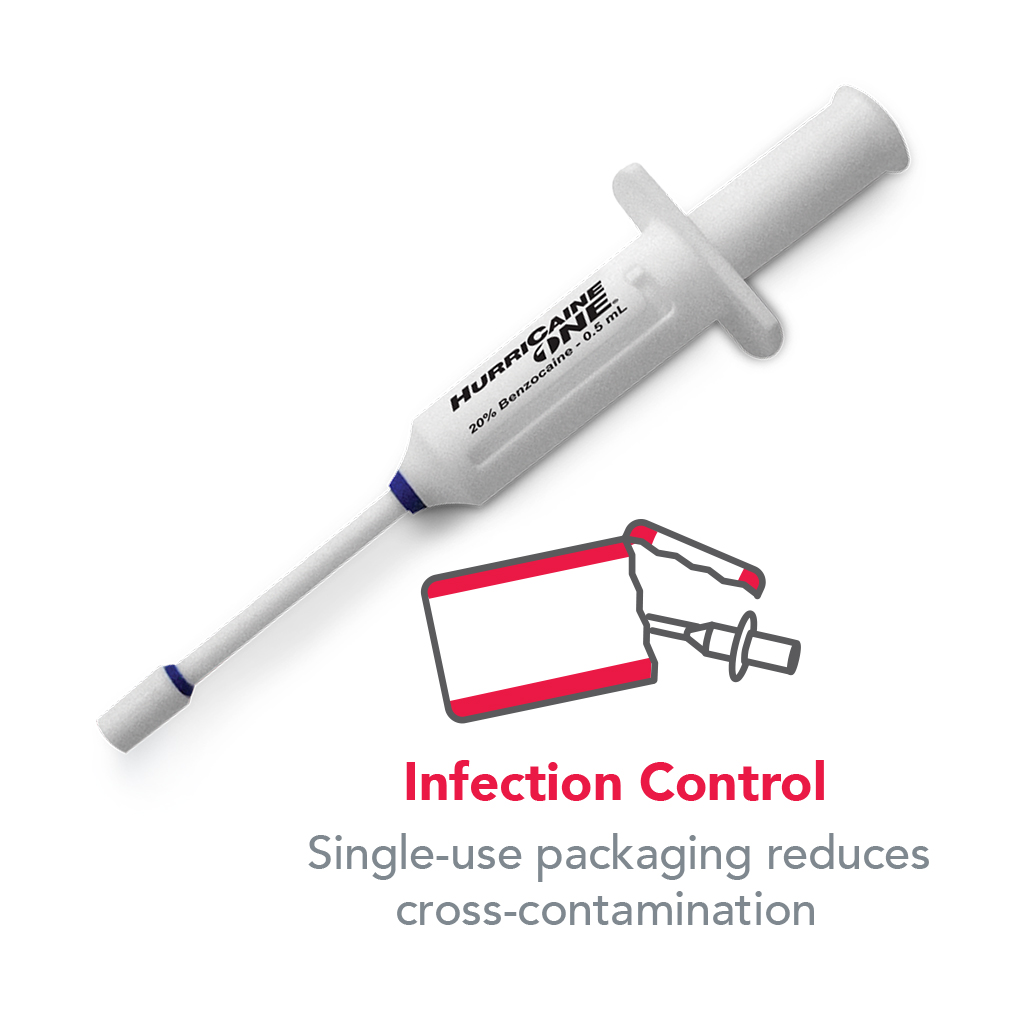
Topical anesthetics are frequently used in dental and medical care to reduce discomfort during minor procedures. When anesthetics are delivered using multi-dose containers or shared applicators, the risk of cross-contamination increases. Single-use delivery systems, however, ensure that each patient receives a sterile and fresh dose.
A reliable solution for oral numbing is HurriCaine ONE® Benzocaine. This fast-acting topical anesthetic provides effective numbing while maintaining hygienic, single-use application standards. By applying HurriCaine ONE in a controlled, patient-specific manner, clinicians can reduce the risk of contamination and provide a safe, comfortable experience.
Improving Safety and Trust in Patient Interactions
Patients today are increasingly aware of hygiene and health risks. They pay attention to how tools are handled and whether disposable products are used. When clinics consistently implement single-use solutions such as HurriCaine ONE Benzocaine, patients feel more secure and cared for, reducing anxiety and improving cooperation during treatments.
Supporting Clinical Efficiency and Compliance
Single-use products also improve operational efficiency. Sterilizing reusable tools consumes time, resources, and specialized equipment, creating workflow delays in busy clinics. Single-use solutions eliminate these bottlenecks while ensuring compliance with infection control protocols. By integrating HurriCaine ONE Benzocaine into routine procedures, clinicians maintain high safety standards without compromising procedural efficiency.
Conclusion
The benefits of single-use products in infection prevention are transformative. They reduce pathogen transmission, enhance patient comfort, increase clinical efficiency, and support compliance with safety guidelines. When paired with carefully managed topical anesthetics like HurriCaine ONE Benzocaine, single-use solutions create a safer, more patient-centered care environment, improving outcomes for both patients and practitioners.