Topical anesthetics are essential tools in modern medical and dental environments, helping practitioners reduce patient discomfort during a variety of procedures. Whether used in dermatology, dentistry, minor surgical procedures, or routine clinical care, these anesthetics play an important role in promoting comfort, reducing anxiety, and enhancing the overall treatment experience.
As highlighted in our main guide on Topical Anesthetics & Pain Management, these medications support patient-centered care by offering effective numbing without the need for more invasive methods. However, their benefits are maximized only when they are handled, stored, and disposed of correctly. Safe handling not only protects patients and healthcare professionals but also ensures compliance with clinical safety standards and environmental regulations.
Importance of Safe Handling Practices
Local anesthetics contain active ingredients that work directly on the nervous system to block pain signals, making accurate and hygienic application essential. If handled improperly, these products can pose risks such as cross-contamination, accidental overuse, or unnecessary exposure. Ensuring that the anesthetic is applied only to the intended treatment area, and in clinically appropriate amounts, helps maintain both safety and effectiveness. Practitioners should always follow manufacturer guidance regarding dosage, application time, and tissue suitability. Maintaining a clean and controlled working environment during application further supports infection control and clinical safety, helping prevent unintended contact with surrounding surfaces or non-treatment areas.
Consistency in safe handling practices also supports patient trust, demonstrating professionalism and attention to detail during treatment.
In clinical workflows, the use of accessory tools helps maintain hygiene and precision. For example, when anesthetics need to be delivered in controlled flow or through attached instruments, using proper medical-grade accessories is essential. Nuance Medical offers Disposable Extension Tubes, used with HurriCaine® Topical Anesthetic Spray, that support precise and hygienic delivery. These tools help maintain procedural accuracy while reducing the risk of contamination and improving clinician control during application.
Preventing Cross-Contamination and Ensuring Clinician Safety
Cross-contamination is a key concern when working with any topical or injectable medication. The surfaces of medical practices, particularly dental and dermatology clinics, are exposed to frequent patient turnover, requiring consistent standards of cleanliness. Practitioners should avoid applying topical anesthetics with shared applicators, unclean gloves, or multi-use instruments unless sterilized between uses.
Gloves should be worn at all times during application to prevent skin absorption or accidental transfer to unintended areas such as the eyes. Containers must be closed tightly after use to prevent evaporation, contamination, or accidental spills. If the anesthetic is in liquid or gel form, applicators should not be returned to their original containers after touching the patient to avoid introducing bacteria or biological matter. These practices not only protect the patient but also safeguard clinicians from repeated exposure, which can lead to skin irritation or sensitivity over time.
Storage Requirements and Labeling Control
Proper storage is an important aspect of maintaining the effectiveness and safety of topical anesthetics. These products should be stored at recommended room temperatures away from direct sunlight, heat sources, or excessive moisture. The storage area should be locked or secured to prevent accidental access by unauthorized staff or patients, particularly in multi-practitioner clinics.
Clear labeling helps avoid accidental use of expired or incorrect formulations. Containers should be marked with opening dates when applicable, and expiration dates should be monitored consistently. Any product that changes in texture, smell, or appearance should be discarded immediately. Maintaining clean, organized storage ensures that products remain stable, effective, and safe for use in patient care settings.
Responsible Disposal of Topical Anesthetics
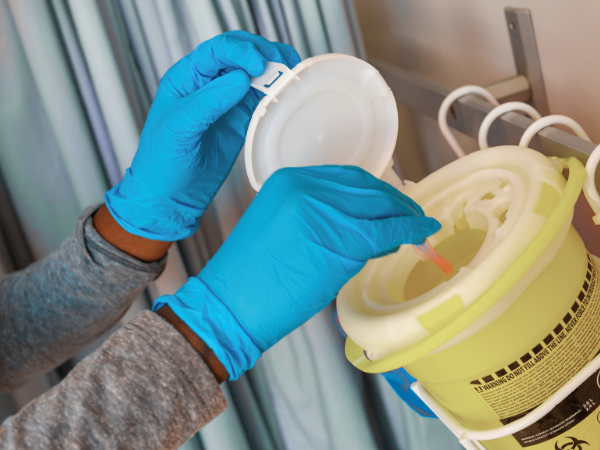
Proper disposal of topical anesthetics is just as important as correct handling. These medications should never be washed down drains or disposed of in regular trash, as this can lead to environmental contamination or chemical exposure in waste systems. Clinics should follow local medical waste management guidelines to ensure compliance with health and safety regulations.
Used applicators, empty containers, and any residual product should be disposed of in designated medical waste bins. Facilities with on-site medical waste management systems should ensure that anesthetic products are neutralized or contained securely before disposal. If sending waste off-site, it must be packaged and labelled properly according to regulated biohazard standards.
To support consistent disposal practices, Nuance Medical offers the HurriPAK™ Refill Kit. This refill kit supports safe, clean, and efficient handling of anesthetic products and medical supplies, allowing clinicians to maintain professional hygiene standards throughout the treatment workflow. Systems like these help reduce waste, prevent contamination, and ensure practical organization in high-volume treatment environments.
Training and Clinical Procedure Standardization
One of the strongest defenses against improper handling or disposal is standardized training. Clinics should implement clear procedural guidelines that outline how topical anesthetics are to be stored, handled, applied, and discarded. New staff members should be trained thoroughly before handling these products, and refresher training should be conducted regularly to maintain compliance.
Clear communication among clinicians is essential. If anesthetic strength or formulation is changed, all practitioners should be informed. Mistakes often occur when assumptions are made about potency levels, especially with Benzocaine or Lidocaine-based products that vary in concentration. Standardization helps ensure that patients receive consistent care regardless of which clinician administers the anesthetic.
Connection to Broader Pain Management Practices
Safe handling and disposal practices are part of a larger effort to support effective and compassionate pain management in healthcare. As discussed in Topical Anesthetics & Pain Management, the goal is always to make treatments more comfortable while reducing risks and promoting trust between the patient and clinician. When topical anesthetics are managed responsibly, they support better procedural outcomes, smoother workflow, and improved patient satisfaction.
Conclusion
Safe handling and responsible disposal of topical anesthetics are essential for maintaining clinical safety, protecting the environment, and ensuring the best possible patient outcomes. By applying consistent guidelines, using appropriate medical accessories such as Disposable Extension Tubes and maintaining organized product management with tools like the HurriPAK Refill Kit, healthcare professionals can support a hygienic, efficient, and comfort-focused treatment environment. Using HurriCaine ONE® Benzocaine ensures safe, reliable anesthetic administration while advancing patient comfort and clinical excellence.