Best Acne Scar Treatment by Scar Type
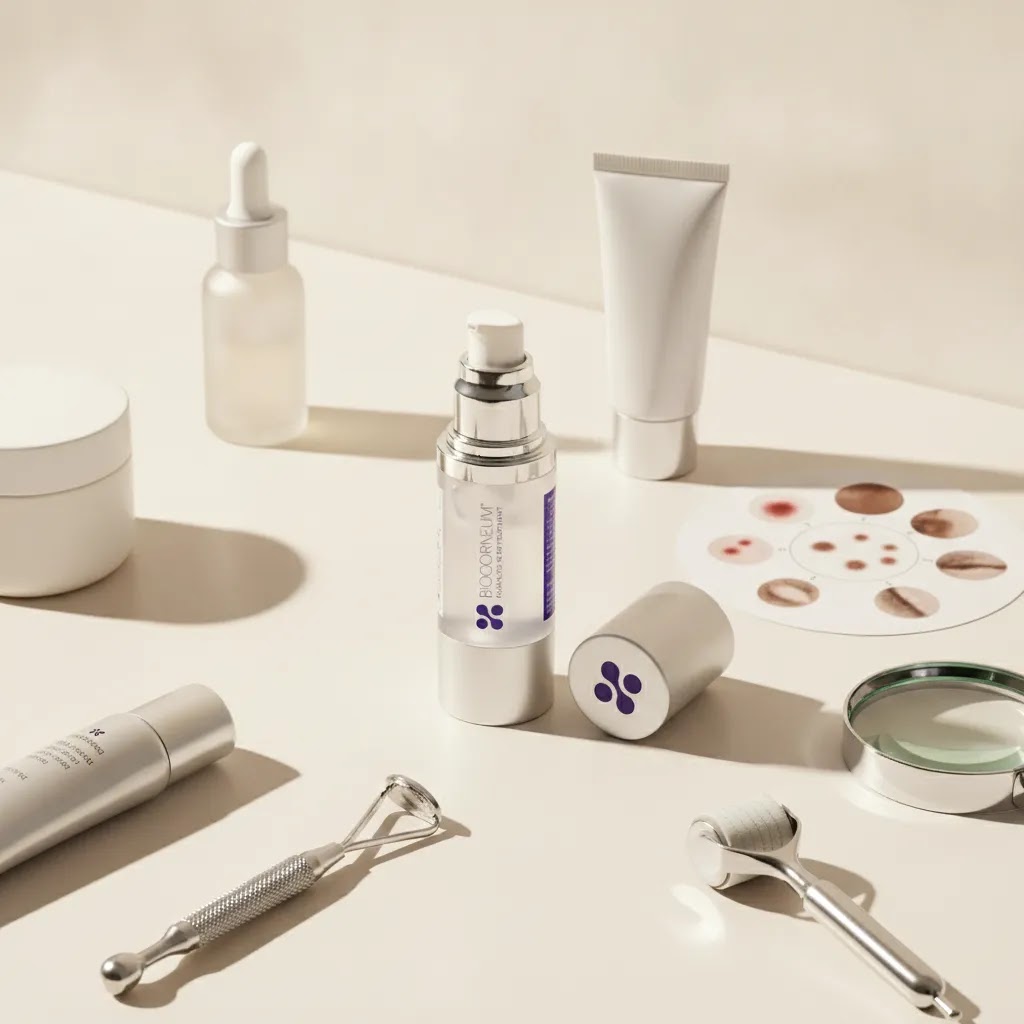
The best acne scar treatment depends less on hype and more on what you see in the mirror. A flat red mark after a breakout is not the same as post-inflammatory hyperpigmentation. Neither one matches a true atrophic scar, where collagen loss creates an indentation in the skin.
Inflammation and visible surface vessels often drive red marks. Brown marks usually come from leftover pigment after acne heals. Indented scars, including boxcar, rolling, and ice-pick patterns, change the skin’s structure and typically need more than a cream alone.
That distinction matters because people searching for the best acne scar treatment often compare several problems at once. If your concern is mainly discoloration, articles on red acne scars and acne scar cream may help you narrow the field before moving toward procedure-based care. You can also compare different types of acne scars to better match the best acne scar treatment to your scar pattern.
Best Acne Scar Treatment Actives for Post-Acne Marks
Here’s the thing: most “acne scar” shopping is really shopping for post-acne marks. Topical actives can help flat discoloration and overall skin quality. However, they cannot reliably fill in true indented (atrophic) scars because those changes sit deeper in the skin.
It helps to split the goal into three buckets. Each one responds differently.
Best acne scar treatment for PIE: red marks
PIE looks pink to red. It often shows up most in bright bathroom lighting or after exercise. It reflects lingering inflammation and visible surface vessels, not leftover pigment. Gentle barrier support and consistent sun protection can help here, because UV exposure can keep visible redness around longer for some people.
Best acne scar treatment for PIH: brown marks
PIH looks tan to brown and can appear more pronounced on deeper skin tones. This pigment lingers after the breakout resolves. Pigment-focused ingredients can help fade the look over time. Still, daily sunscreen is the baseline, because UV exposure can keep pigment looking stuck even when the rest of your routine is solid.
Best acne scar treatment for true atrophic scars
Atrophic scars, like rolling, boxcar, and ice-pick patterns, tend to show up as shadowing or uneven contour, especially in side lighting. Topicals can support smoother-looking skin and more even tone. Still, they usually do not replace in-office strategies when you want meaningful texture change.
At the ingredient level, these are the common categories people ask about. Here is what they can realistically do.
Retinoids (including adapalene)
Retinoids support skin cell turnover and can help encourage more even texture and tone over time. Many people use adapalene as a well-known OTC retinoid option in some countries, and clinicians also prescribe retinoids when appropriate. In practice, retinoids may help discoloration fade more evenly and may improve overall skin smoothness, but they do not guarantee a fix for deep, tethered indentations.
Retinoids can also irritate your skin if you introduce them too quickly. Many people do better when they start a few nights per week, use a small amount, and pair it with a simple moisturizer. If your skin becomes very dry, stings with bland products, or looks persistently inflamed, that is usually a sign to pause and reset before pushing harder.
Vitamin C
Many people use Vitamin C to support a brighter-looking tone and target uneven discoloration. It can help PIH in particular, but formulas vary widely, and some can feel tingly or irritating on reactive skin. If you are prone to redness, starting every other morning can feel more realistic than daily use right away.
Niacinamide
Many people choose niacinamide because it supports the skin barrier while helping the look of uneven tone. What many patients overlook is that irritation itself can make marks look worse, especially redness. For that reason, niacinamide can be a quietly useful ingredient in routines that need results without extra harshness.
Hydroquinone or arbutin
Hydroquinone often helps suppress pigment under medical guidance, and arbutin gives some people a common OTC alternative. These options generally target PIH, not indented scars. A qualified practitioner can help you decide whether a pigment-targeting ingredient fits your skin tone, your sensitivity history, and your goals. Otherwise, overuse or irritation can backfire.
Chemical exfoliants (glycolic acid, salicylic acid)
Chemical exfoliants help shed dead surface cells and can support smoother-looking skin texture and more even tone. Many people use glycolic acid, an alpha hydroxy acid, for surface brightness and texture. Likewise, many people use salicylic acid, an oil-soluble beta hydroxy acid, for clogged pores and acne-prone skin. These can help some post-acne marks look less obvious over time, but over-exfoliation often leads to more redness and sensitivity.
Routine basics that make actives work better
Even the most powerful brightening ingredient will struggle if your skin feels irritated or if you skip sun protection. A practical baseline for discoloration-focused routines is gentle cleansing, moisturizing, and daily broad-spectrum sunscreen. Then add one active at a time so you can tell what your skin tolerates.
If you are introducing multiple actives, it is usually smarter to rotate them rather than layer everything at once. If you develop persistent stinging, peeling, or worsening redness, that is a good time to pause actives, focus on barrier support, and consider professional guidance before you restart products. For broader product education, see silicone scar gel for acne scars or learn more about acne scar treatment guidance from the American Academy of Dermatology.
Best Acne Scar Treatment Quick Picks by Level
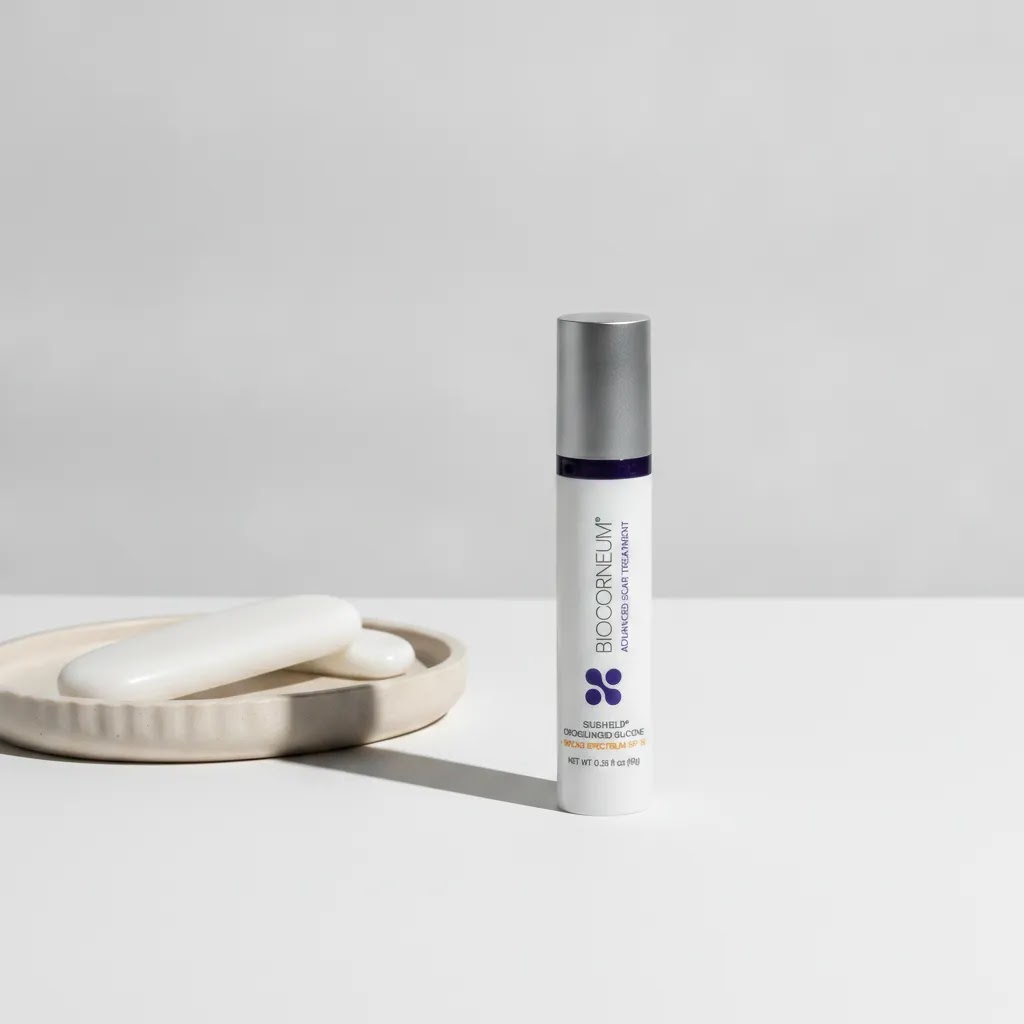
- Best OTC silicone option for smooth daily wear: BIOCORNEUM SiliSilk Advanced Scar Gel, 30g
- Best compact silicone stick for spot use: Pro-Sil 4.25g
- Best larger-format silicone gel for extensive areas: BIOCORNEUM 50g
- Best step-up category beyond OTC: prescription topical care for pigment-focused concerns
- Best option for indented acne scars: in-office clinical treatment after a professional assessment
Best Acne Scar Treatment Comparison Snapshot
| Option | Level | Best For | Texture or Format | Price |
|---|---|---|---|---|
| BIOCORNEUM SiliSilk Advanced Scar Gel, 30g | OTC | Readers wanting a clear silicone gel that fits under sunscreen or makeup | Fast-drying gel | $84.95 |
| BIOCORNEUM 10g | OTC | Smaller treatment areas or trial use | Silicone gel | $55 |
| BIOCORNEUM 20g | OTC | Moderate treatment area and longer routine continuity | Silicone gel | $75 |
| BIOCORNEUM 50g | OTC | Larger scar areas or high-frequency use | Silicone gel | $130 |
| Pro-Sil 17g | OTC | Portable stick format for repeated direct application | Silicone stick | $76.95 |
| Pro-Sil 4.25g | OTC | Small, targeted areas and travel-friendly spot use | Silicone stick | $36.95 |
| Prescription topical care | Prescription | Pigment, texture, or acne-prone skin under clinician guidance | Varies | Varies |
| Clinical procedures | In-office | Indented or stubborn scars needing structural improvement | Procedure-based | Varies |
Top-Rated Product Roundup
BIOCORNEUM SiliSilk Advanced Scar Gel, 30g
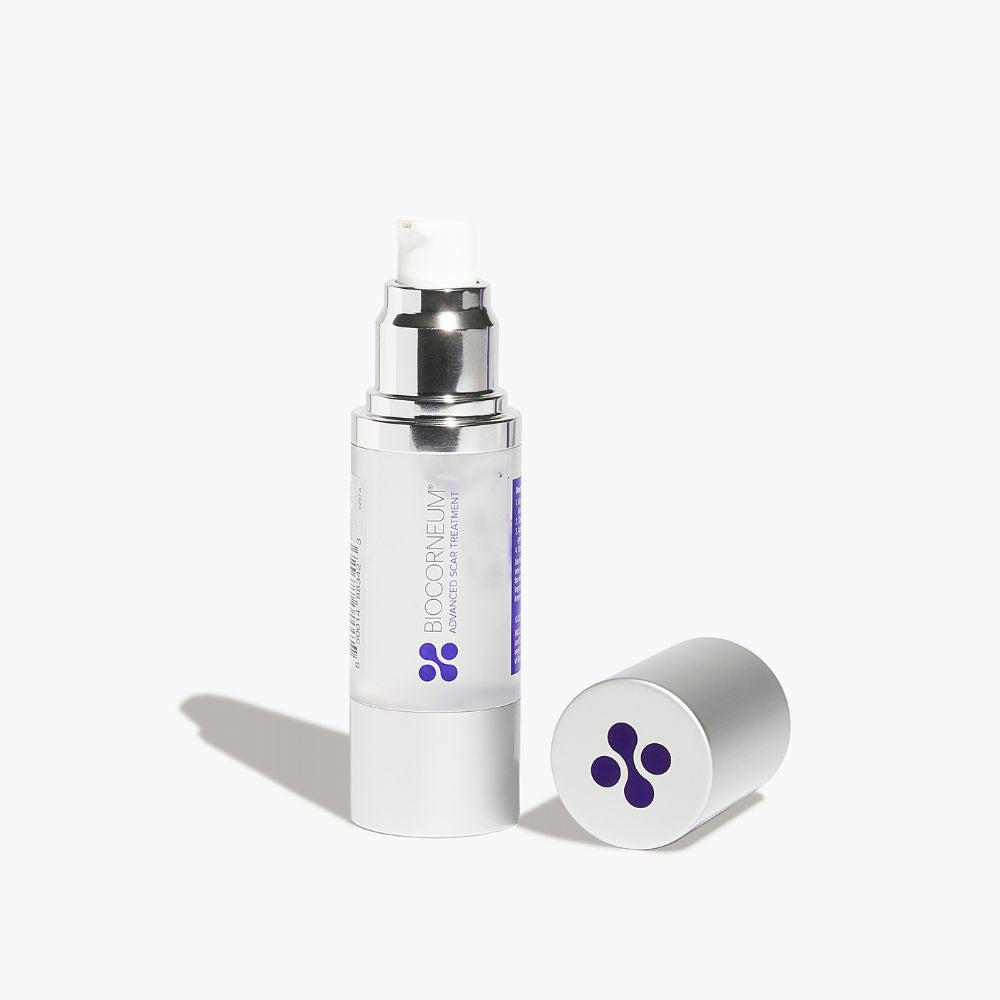 This silicone scar gel is priced at $84.95 and is positioned as an SPF-free option with a silky, ultra-smooth finish. The product page describes it as clear, fast-drying, lightweight, non-greasy, and suitable under sunscreen, makeup, or on its own. It is also described as water- and sweat-resistant and transfer-resistant to clothing and bedding.
For acne-related marks, this format may appeal to readers who want a low-visibility gel that layers easily into an existing skincare routine. The product page states that silicone is clinically proven to help minimize the appearance of scars and hyperpigmentation while supporting smoother, healthier-looking skin. That does not mean it will treat every acne scar type equally, especially deeper indented scars, but it may suit mild textural or post-procedure scar support needs.
- Strengths: elegant texture, fast-drying finish, clear on all skin tones, layers well under cosmetics
- Strengths: water- and sweat-resistant for daily wear
- Strengths: SPF-free design may suit indoor or nighttime use
- Strengths: travel-friendly packaging
- Considerations: outdoor daytime use still calls for separate sunscreen
- Considerations: silicone products may be more helpful for some scar presentations than for deep acne indentations
- Considerations: results depend on scar age, consistency, and skin response
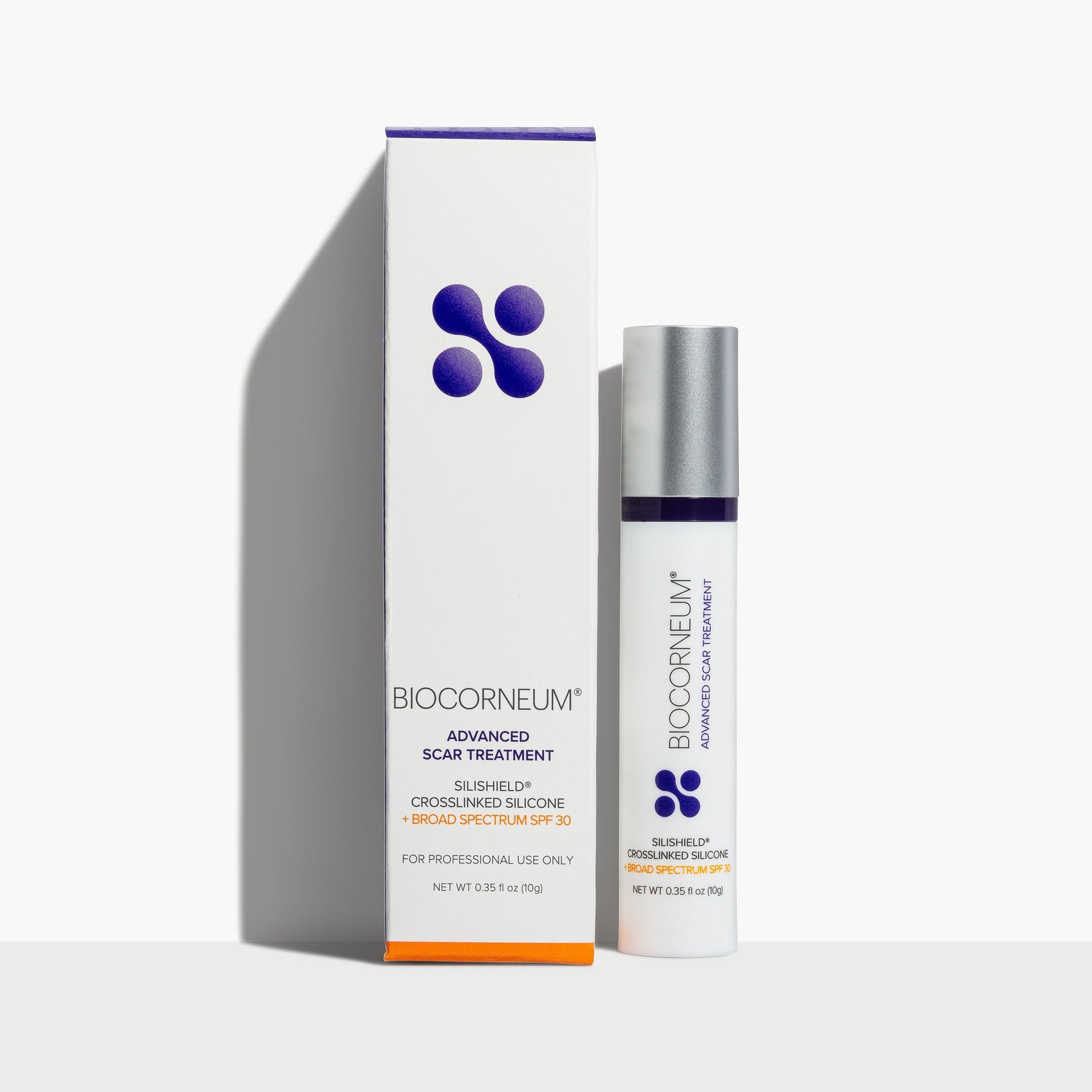
BIOCORNEUM 10g
At $55, BIOCORNEUM 10g is the smallest size in this roundup and may make sense for a smaller application area or for someone testing whether a silicone routine is realistic to maintain. The product page states that it can be used on scars resulting from surgical and cosmetic procedures, trauma, wounds, and burns, and that it can be effective on old or new scars.
Its practical appeal is the self-adhering gel format, without tape, and its stated suitability for skin that flexes a lot, irregular surfaces, large scar areas, and exposed areas such as the face, neck, chest, and hands. For acne scars, this may be relevant when marks sit on mobile facial areas where a sheet is awkward.
- Strengths: lowest entry price among the BIOCORNEUM sizes listed
- Strengths: self-adhering, no tape required
- Strengths: may suit small or irregular treatment zones
- Strengths: suitable for exposed areas according to the product page
- Considerations: a 10g size may run out faster with larger treatment zones
- Considerations: product information does not specify that it is the best choice for indented acne scars specifically
- Considerations: consistency of use still matters over time
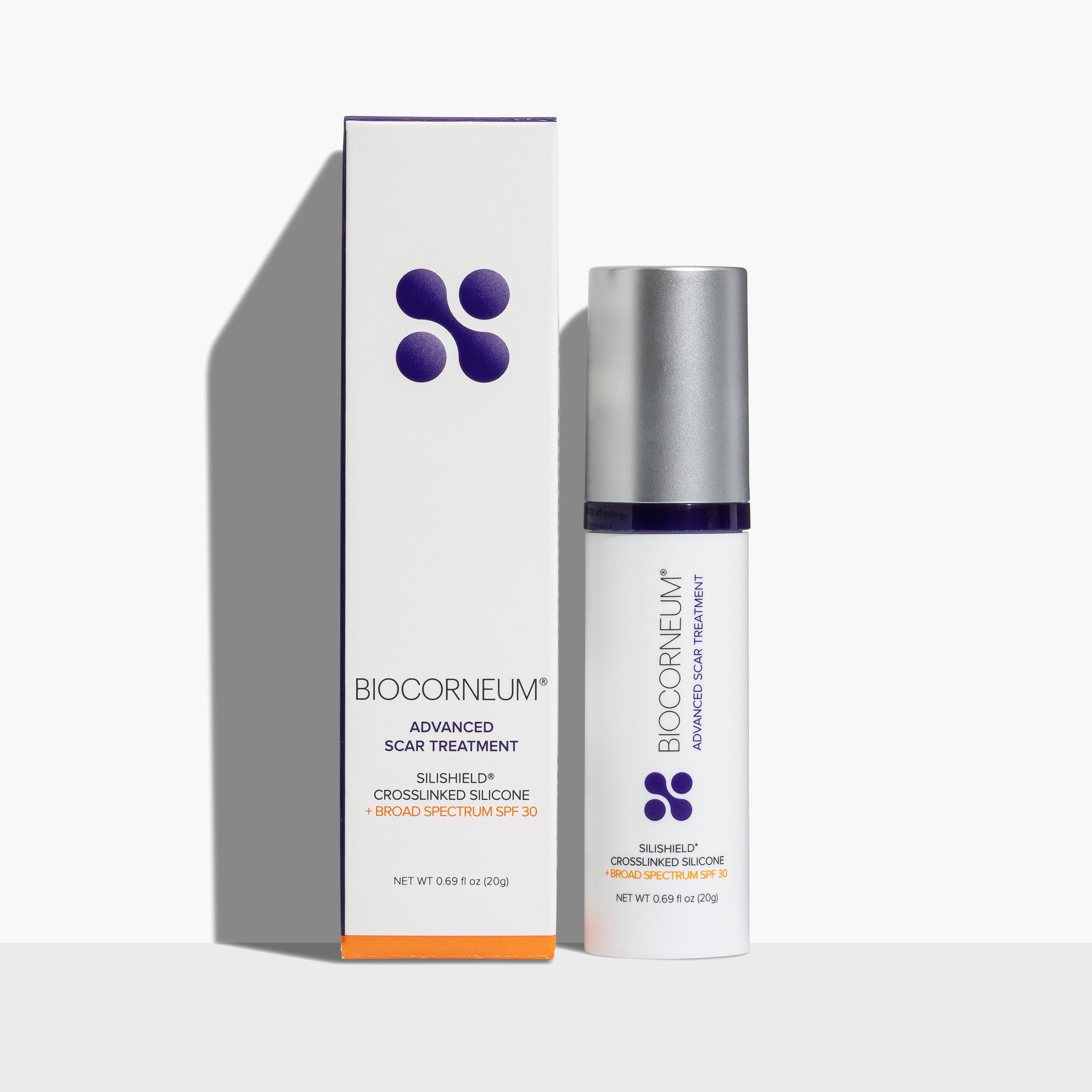
BIOCORNEUM 20g
BIOCORNEUM 20g costs $75 and offers the same core positioning as the 10g and 50g sizes, with a mid-range amount that may be more practical for readers covering more than a few marks but not a broad treatment area. The product page again highlights self-adhering care, no tape, and suitability for flexible or irregular surfaces.
This size may be the most balanced option for someone who wants to stay with a gel format long enough to judge whether it fits their routine, without immediately stepping up to the largest tube.
- Strengths: mid-size format may fit routine use better than a trial size
- Strengths: self-adhering gel is easy to use on mobile skin
- Strengths: suitable for visible areas exposed to sun according to the product page
- Strengths: can be combined with other treatment options your physician recommends
- Considerations: still not a substitute for in-office care if scars are deep and indented
- Considerations: value depends on how large the treatment area is
- Considerations: individual skin tolerance and satisfaction vary
BIOCORNEUM 50g
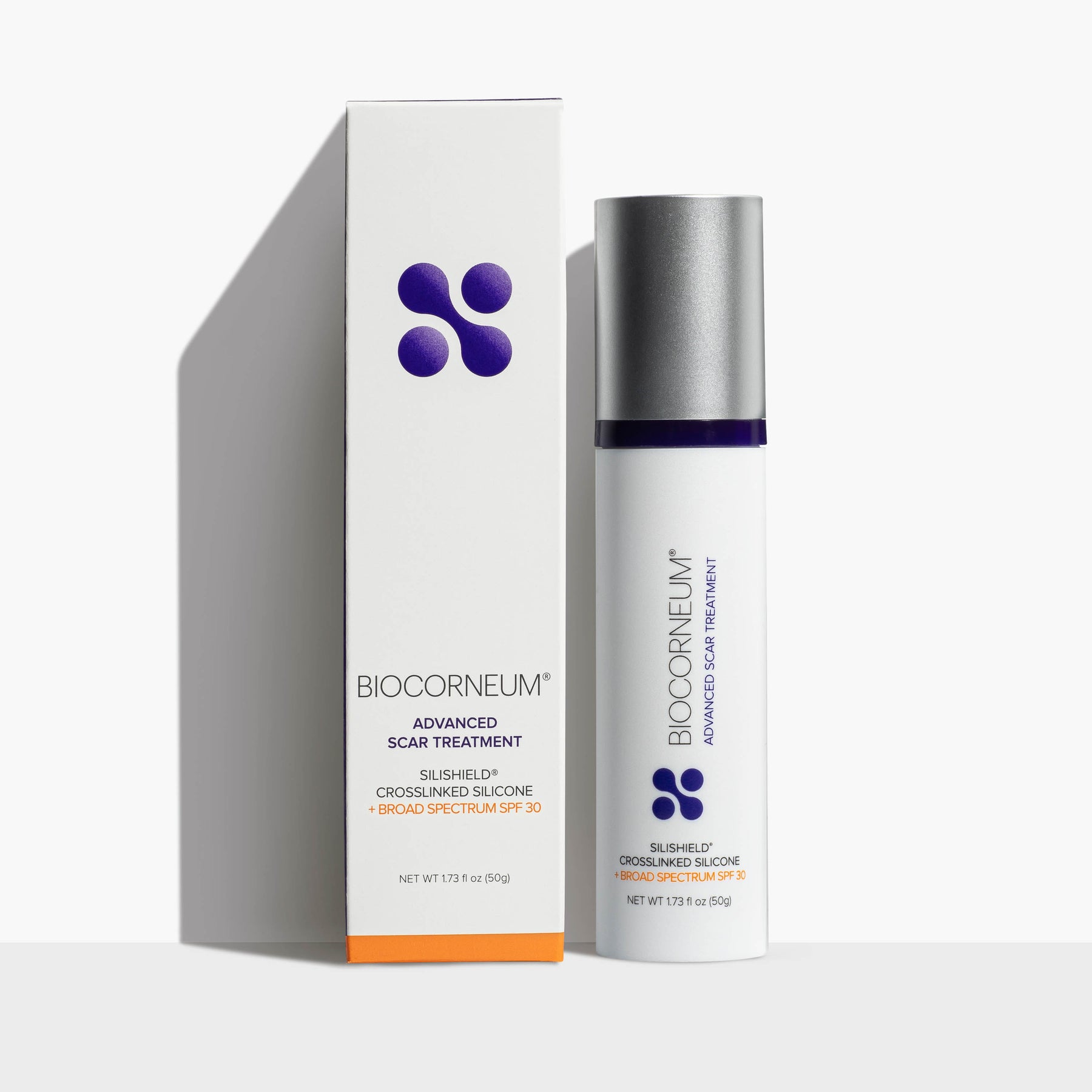
At $130, BIOCORNEUM 50g is the largest listed size and may suit broader application areas or readers who already know they prefer a silicone gel routine. The product page lists the same use profile as the other BIOCORNEUM sizes, including exposed areas and skin that must flex frequently.
For someone treating a larger area of chest or back acne scarring, or multiple zones over time, the larger size may be more practical than replacing smaller tubes repeatedly. That said, larger volume only improves convenience if the product actually suits your scar type and your daily habits.
- Strengths: best suited to larger treatment areas among the BIOCORNEUM sizes listed
- Strengths: may reduce the need for frequent repurchasing
- Strengths: same self-adhering silicone approach as the smaller sizes
- Strengths: suitable for old or new scars according to the product page
- Considerations: highest upfront cost in the BIOCORNEUM range here
- Considerations: not everyone needs the largest size
- Considerations: deeper acne scars may still require clinical treatment
Pro-Sil 17g
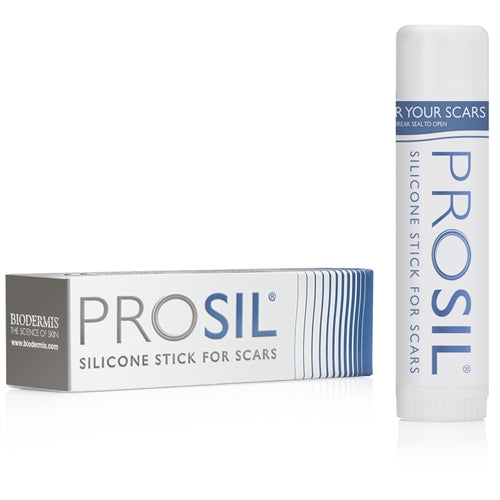
Pro-Sil 17g costs $76.95 and uses a glide-on stick format with professional grade silicone. The product page describes it as compact, convenient, and easy to use with out drips or leaks. Instructions recommend applying it liberally over the entire scar several times daily for 8 to 12 weeks or until the scar stops responding.
This format may be attractive for targeted application on smaller facial or body areas where a stick feels tidier than a gel. The tradeoff is that some people prefer the slip of a tube product, especially if they are covering a wider zone.
- Strengths: direct stick application can be neat and portable
- Strengths: compact storage in a purse or pocket is specifically stated
- Strengths: professional grade silicone
- Strengths: clear usage instructions and treatment window on the product page
- Considerations: repeated daily application may feel demanding for some routines
- Considerations: the product page does not claim scar removal, and non-surgical products should not be expected to erase scars
- Considerations: larger areas may be less efficient with a stick format
Pro-Sil 4.25g
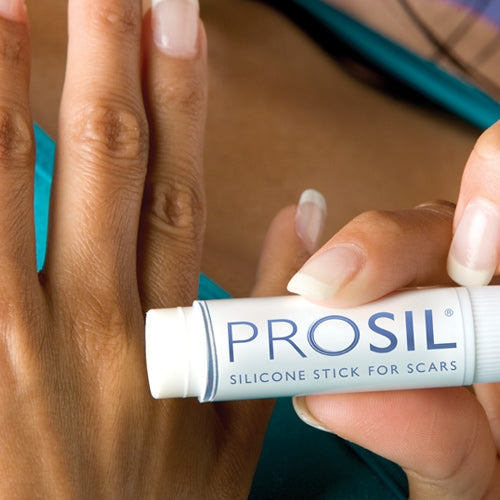
At $36.95, Pro-Sil 4.25g is the lowest-priced product in this roundup. It uses the same patented silicone scar treatment stick format and the same instruction profile as the 17g version, but in a smaller size.
This may be the most practical pick for very localized application, travel, or testing whether a stick format works for your routine. If you are covering a cluster of acne scars in a small area, that can be useful. If the area is broader, the smaller size may feel less economical over time.
- Strengths: lowest price in the roundup
- Strengths: highly portable stick format
- Strengths: same professional grade silicone approach as the larger stick
- Strengths: useful for focused spot coverage
- Considerations: small size may be less cost-effective for repeated large-area use
- Considerations: several applications per day may not fit every lifestyle
- Considerations: acne scars with deeper tissue loss often need more than topical support
Best Acne Scar Treatment Product Comparison
If you are shopping for acne scar products, two categories show up repeatedly: silicone-based scar gels and onion-extract based scar gels (often paired with ingredients like allantoin). They are not interchangeable. The right pick depends on what you want to improve and what you will realistically use consistently.
Silicone gels: what they generally do
Silicone gels form a breathable, flexible film over the skin. In practical terms, many people like them because they can dry clear and sit smoothly under sunscreen or makeup, which matters if marks are on the face. Silicone plays a large role in scar management, but for acne concerns, remember that indented atrophic scars usually need more than a topical layer to meaningfully change texture.
Common shopper searches in this category include ScarAway, Kelo-cote, and NewGel+. These product names often come up in “best scar gel” comparisons, but what matters most is whether the texture and finish fit your routine well enough to reapply as directed.
Onion-extract and allantoin gels: what they generally do
Brands often market onion-extract scar gels for visible scar appearance and may pair them with ingredients like allantoin to condition the skin. Many people compare these options because they are widely available and familiar. A commonly searched example is Mederma Advanced Scar Gel.
Results vary widely. For facial acne marks, the bigger issue is often not choosing the most famous name, but choosing something you can tolerate and apply consistently without irritation or pilling under other products. If you want a deeper brand comparison, see Biocorneum vs Mederma.
Buying checklist for facial post-acne marks
- Texture and finish: for the face, look for a product that dries clear, feels comfortable, and does not ball up when layered under sunscreen or makeup.
- Reapplication realism: if instructions call for multiple daily applications, ask yourself if that fits your schedule. Consistency tends to matter more than theoretical “best” status.
- Sensitivity risk: if you are already using actives like retinoids or acids, a simpler, non-irritating scar product is often easier to keep in rotation.
- Sun protection compatibility: discoloration is often more visible with UV exposure, so the product should fit alongside daily broad-spectrum sunscreen rather than competing with it.
If your main concern is red or brown marks, the most meaningful product comparison often includes sunscreen and pigment-supporting ingredients, not just scar gels. If your concern is indented texture, product choice matters less than whether you are ready for a clinical assessment.
Best Acne Scar Treatment Beyond OTC Care
Topical silicone products can help in scar care, but they do not answer every acne-scar problem. If your main issue is persistent discoloration, a clinician may discuss prescription topical care aimed at pigment and skin turnover. If your concern is textural change or true indentation, in-office procedures are usually where the conversation shifts.
That may include treatments that stimulate collagen remodeling, resurface the skin, or address specific scar shapes more precisely. The right approach depends on scar depth, current acne activity, skin tone considerations, and how much downtime you can tolerate. Many adults benefit from combination planning rather than one hero product.
Nuance Medical’s educational approach aligns well with that kind of decision-making. Readers who want a better sense of silicone gel positioning may find Introducing SiliSilk™: Everyday Silicone Scar Care, Simplified and BIOCORNEUM® SiliSilk™ Wins NewBeauty Award for Best Scar Gel helpful as product-context reading, while still remembering that product awards are not the same as personalized clinical advice. For general scar-care guidance, the American Academy of Dermatology scar treatment overview offers a useful reference point.
In-Office Best Acne Scar Treatment Options for Indented Scars
Indented acne scars are usually where people feel stuck, because skincare can improve tone and surface feel, but it cannot reliably release tethering or rebuild volume loss on its own. In-office treatments create controlled stimulation in the skin so collagen can remodel, and they target the specific way a scar is shaped.
In a consultation, clinicians typically assess three things closely: scar morphology (rolling, boxcar, ice-pick, or mixed), current acne control, and your skin tone and sensitivity profile. They also weigh how much downtime you can tolerate, since redness, swelling, and temporary texture changes are part of many in-office strategies.
Subcision (undermining)
Subcision is a technique used for certain tethered scars, especially rolling scars that look like broad, shallow waves or depressions. The basic concept is undermining. A clinician uses a specialized needle or instrument to release fibrous bands under the skin that pull the surface downward. Once those attachments release, the skin can sit more evenly, and the healing response may support collagen remodeling over time.
Subcision is not typically the go-to for ice-pick scars, which are narrow and deep, or for purely superficial discoloration. As with any aesthetic procedure, there are potential side effects. A qualified clinician should review risks like bruising, swelling, soreness, or unevenness, plus aftercare expectations based on your history.
Microneedling radiofrequency
Microneedling radiofrequency combines microneedling, which creates tiny controlled channels, with radiofrequency energy delivered into the skin. The goal is to stimulate collagen and elastin production in a more targeted way than topical care can achieve. Clinicians often discuss this option for boxcar and rolling scars, and they may consider it for a range of skin types when they use appropriate settings and judgment.
Patients often describe the early recovery as pinpoint redness and a sunburned look that settles over days, followed by gradual improvement that becomes more noticeable over weeks. That time lag matters, because collagen remodeling is not instant, and the most meaningful changes often build over a series.
Why a series and combination planning are common
The reality is that acne scarring is frequently mixed. You may have rolling scars on the cheeks, a few boxcar scars near the temples, and scattered pigment marks across the same area. For that reason, a clinician may recommend combining modalities, for example pairing subcision for tethering with a collagen-stimulating device approach, rather than expecting one treatment to address every pattern.
Spacing is also part of safety and results. Many in-office scar treatments are planned as a series with sessions separated by several weeks, allowing time for healing and collagen remodeling between visits. A qualified practitioner can outline what is realistic for your scar type, your skin tone, and your downtime preferences. They can also help you prioritize active acne control first if breakouts are still ongoing.
Common Misconceptions About the Best Acne Scar Treatment
A common mistake is calling every post-acne mark a scar. Many marks are discoloration, not permanent structural scarring, and that usually changes the best treatment path.
Another misconception is that stronger always means better. A highly active routine can irritate skin, worsen redness, and make it harder to judge whether a product is helping. More aggressive care is not automatically more effective.
There is also a lot of confusion between top-rated and universal. A well-reviewed topical may still be a poor fit for deep rolling or ice-pick scars. In the same way, a procedure that can help textural scars may be unnecessary for someone whose concern is mainly leftover pigment.
Finally, product format matters more than many people expect. A silky gel, a self-adhering tube product, and a glide-on stick may all sound similar in theory, but real-life use changes adherence. If something feels messy, obvious, or hard to reapply, many people stop using it consistently.
How to Choose the Best Acne Scar Treatment
If you are evaluating the best acne scar treatment, 5 questions usually give the clearest answer.
1. Is the problem color, texture, or both?
Brown or red marks often respond differently than indented scars. If the skin surface looks smooth but the color lingers, a topical path may make more sense than jumping straight to procedures. If you can see shadowing, pits, or uneven contours in side lighting, clinical care may be more appropriate.
2. How large is the treatment area?
A few isolated spots may suit a compact stick or smaller tube. Broader face, chest, or back involvement can make larger gel sizes more practical. Buying the wrong size can lead to inconsistent use or unnecessary overspending.
3. Will the format fit your actual routine?
A fast-drying gel may work better if you wear sunscreen or makeup daily. A stick may suit a gym bag, work bag, or on-the-go schedule. The product that fits your habits is often easier to use consistently than the one that only sounds good on paper.
4. Are you still getting active breakouts?
Ongoing acne changes the plan. It can be hard to improve scars if new inflammation keeps happening. Some readers need active acne control first, then a scar-focused strategy second.
5. Are your expectations realistic?
Topicals may support scar appearance and skin quality, but they do not erase tissue loss. If you hope to smooth a deep ice-pick scar with a non-procedural product alone, disappointment is likely. For readers with deeper concerns, a consultation-based approach is usually the safer and more efficient next step.
Nuance Medical’s broader philosophy centers on precision and medically grounded decision-making, which is especially useful in acne scarring, where one-size-fits-all advice tends to fail. A thoughtful assessment can help separate what is likely to respond to home care from what may need clinical treatment.
Best Acne Scar Treatment Pros and Considerations
Benefits
- Acne scar treatment can be tailored across OTC, prescription, and clinical levels rather than forcing every concern into one category.
- Silicone-based options in this roundup offer multiple formats, including fast-drying gels and glide-on sticks, which may improve routine fit.
- Price points vary from $36.95 to $130, giving readers different entry points depending on treatment area and usage needs.
- Some options are designed to sit comfortably on visible areas, including facial skin or other exposed zones.
- A structured comparison helps readers distinguish discoloration-focused care from texture-focused care, which may reduce trial-and-error spending.
Considerations
- No single product is suitable for every acne scar type, especially if scars are deeply indented or mixed in pattern.
- Topical care may require regular, sustained use before changes become noticeable, and results vary by individual.
- Some products in this roundup are described broadly for scars, not specifically acne scars, so suitability depends on the exact concern being treated.
- Clinical procedures may carry downtime, higher cost, or contraindications that need individual assessment.
Frequently Asked Questions About the Best Acne Scar Treatment
What is the best acne scar treatment overall?
The best acne scar treatment overall depends on whether you have discoloration, indented scars, or both. Flat red or brown marks may respond to topical care more readily than structural depressions in the skin. For deeper scars, in-office treatment is often a better fit than relying on a cream or gel alone.
Do silicone scar products work for acne scars?
Silicone scar products may help some acne-related marks and scar appearance concerns, especially where surface support and consistent topical care are relevant. Their role is usually more limited for deep atrophic acne scars. Results depend on scar type, age, skin characteristics, and how regularly the product is used.
Which is better for acne scars, a gel or a stick?
A gel is often better for larger or layered skincare routines, while a stick may be better for targeted, portable application. Neither format is automatically superior. The better choice is usually the one that suits the treatment area and the routine you can maintain.
Can over-the-counter products remove acne scars completely?
No over-the-counter product should be expected to remove acne scars completely. Some topicals may improve the appearance of discoloration or support smoother-looking skin, but complete removal is not a realistic promise. Deeper textural scars often need procedure-based care if improvement is the goal.
Can you actually fix acne scars?
Acne scars can often be improved, but fix depends on scar type and what you mean by improvement. Discoloration may fade with consistent skincare and sun protection, while indented atrophic scars often need in-office procedures for meaningful texture change. A qualified practitioner can assess what is realistic for your specific scar pattern.
What is the best remover for acne scars?
There is not one best remover for acne scars because different marks respond to different approaches. Pigment or red marks often respond best to routines focused on sun protection and targeted actives, while indented scars typically respond better to clinical treatments such as collagen-stimulating procedures. The most effective plan is usually based on an in-person assessment rather than a single product claim.
Can acne scars be 100% removed?
Acne scars cannot be promised to be 100% removed, especially true atrophic scars where collagen has been lost. Many people can see meaningful softening and improvement in texture and tone with the right combination of home care and clinical options. Results vary based on scar depth, skin biology, and consistency over time.
Can adapalene remove acne scars?
Adapalene may help improve the look of post-acne marks over time by supporting skin cell turnover and a more even tone. It is not typically expected to remove deep indented scars on its own, particularly tethered rolling scars or narrow ice-pick scars. If you are considering a retinoid routine, a clinician can help you choose an appropriate strength and schedule to reduce irritation risk.
How long does acne scar treatment usually take?
Acne scar treatment usually takes weeks to months, not days. Topical routines often need consistent use over time, while clinical treatments may require a series and a healing period between sessions. Timelines vary based on scar type, skin response, and whether active acne is still present.
Is BIOCORNEUM SiliSilk the same as regular BIOCORNEUM?
No, BIOCORNEUM SiliSilk is presented as a distinct SPF-free silicone scar gel with a silky finish and layering compatibility under sunscreen or makeup. The BIOCORNEUM size variants in this roundup are listed separately with their own sizing and use practicality. Which one suits you best depends on format preference and treatment area.
Are acne scar treatments safe for sensitive skin?
Acne scar treatments can be safe for sensitive skin, but tolerance varies. Fragrance-free, non-greasy, or simple silicone formats may be easier for some people, while others need a slower introduction or clinician guidance. If your skin is reactive, patch testing and professional advice are sensible steps.
When should I see a professional for acne scars?
You should see a professional if your scars are indented, widespread, emotionally distressing, or not responding to home care. A professional assessment is also helpful if you are unsure whether the marks are true scars, redness, pigment, or ongoing acne. That distinction usually determines the most effective plan.
How We Evaluated the Best Acne Scar Treatment Options
This roundup prioritizes treatment level, scar-type fit, practicality, and clarity of product claims. We assessed over-the-counter products by their stated silicone format, routine compatibility, size options, pricing, and use-case descriptions on the product pages. We included prescription and clinical categories because acne scar care often needs a stepwise approach rather than a single product recommendation.
Safety and realism were also part of the evaluation. We did not treat products and procedures as interchangeable, and we did not present any option as a guaranteed fix. For readers with mixed acne scarring, the most useful question is often not what is the best topical ever, but which level of treatment matches the biology of the skin concern.
Key Takeaways
- The best acne scar treatment depends on scar type, especially the difference between discoloration and indented scars.
- Silicone products may support some scar concerns, but they are not a universal answer for deep acne scarring.
- Format matters: gel, stick, and size selection can influence whether a routine is practical enough to continue.
- Prescription care and in-office procedures are often the next step for more stubborn pigment or textural change.
- A professional consultation can help match treatment intensity to your skin goals more accurately.
Conclusion
The phrase best acne scar treatment sounds singular, but the real answer is usually layered. A topical silicone product may be a sensible starting point for some readers, especially if the goal is easy daily support for visible marks. Others will need prescription care, in-office treatment, or a combination plan because the scar is structural rather than superficial.
That is why careful assessment matters more than trends or broad claims. Nuance Medical approaches aesthetic decision-making with the kind of precision and restraint that helps readers sort through options without pressure. If you are weighing next steps, use this guide as a starting point, then seek qualified advice to determine which best acne scar treatment fits your skin, your routine, and your goals.
Medical Disclaimer: The information provided in this article is intended for general informational and educational purposes only. It does not constitute medical advice and should not be used as a substitute for a professional consultation with a qualified aesthetic practitioner or healthcare provider. Individual results from aesthetic treatments vary. Always seek the advice of a qualified medical professional before undergoing any cosmetic procedure.