
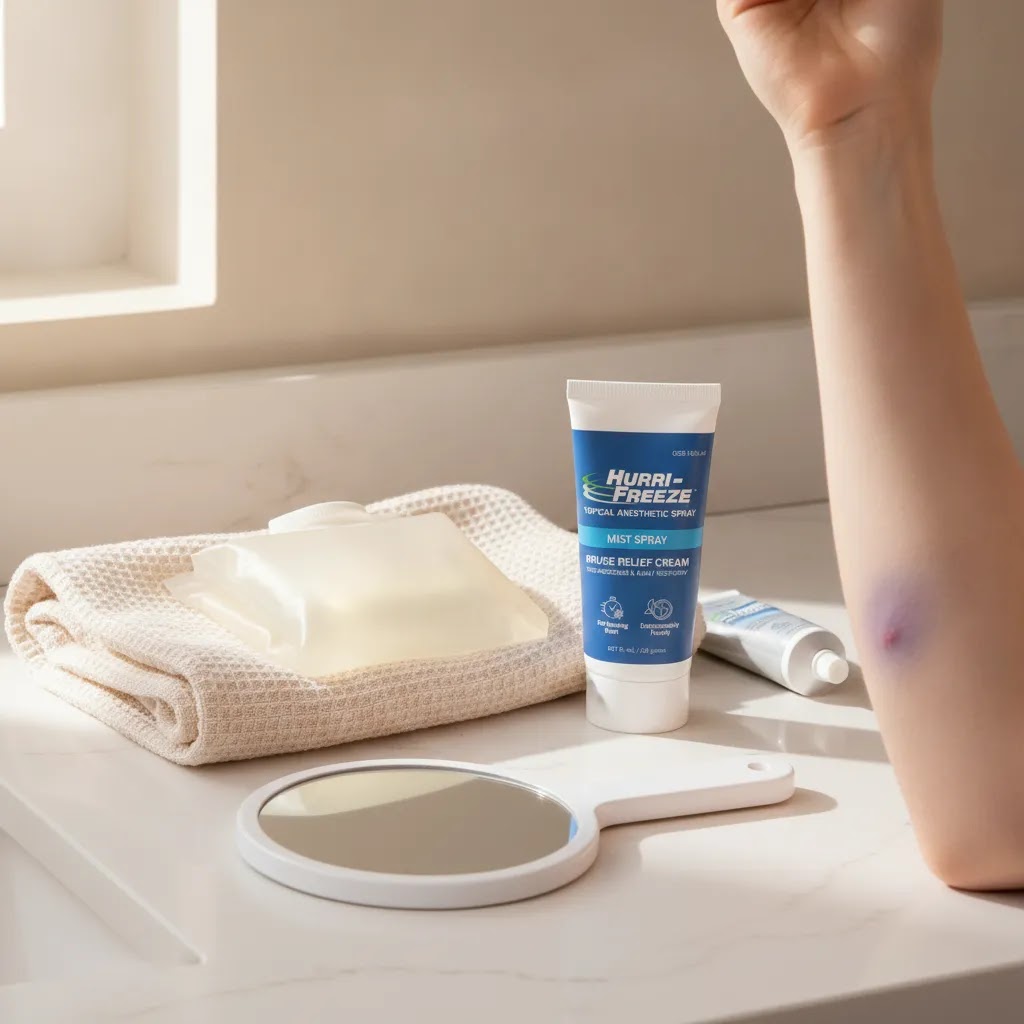
What is happening under the skin when a bruise appears
A bruise forms when small blood vessels, called capillaries, break and leak blood into surrounding tissue. The skin may stay intact, but underneath it, the body is dealing with a tiny area of bleeding and inflammation. That is why the area can look dark, feel tender, and sometimes seem larger a few hours later than it did at first.
Bruises are not all the same. A light bump on the shin, swelling after an injectable treatment, and discoloration after surgery can all follow different timelines. Location matters, too. Bruises around the eyes often look more dramatic because the skin is thin, while bruises on the legs may take longer to fade because circulation and gravity can affect how fluid settles.
If you are reading this after a cosmetic procedure, it may help to know that bruising alone does not automatically mean something went wrong. Many patients experience some degree of discoloration even after careful, appropriate treatment. A qualified aesthetic clinic like Nuance Medical generally frames bruising as one possible part of healing, then looks at the pattern, severity, and timing before deciding whether it is routine or needs closer review.
Dangerous bruises and bruise types
Here’s the thing: “bruise” is a casual term, but clinically, bruising can show up in different forms. Understanding the difference can make it easier to judge what looks typical versus what deserves prompt review, especially after a procedure or a more forceful injury.
Ecchymosis versus hematoma
Ecchymosis is the most common type people mean when they say “bruise.” It is usually flat discoloration under intact skin, often tender but not severely painful. It can spread out as gravity and tissue planes allow the blood to track, which is why a bruise can look wider a day later even if the original impact was small.
Hematoma is different. It is a more organized collection of blood that often feels raised, firmer, and sometimes more painful or pressure-like than a typical bruise. In practice, patients may describe it as a lump or a pocket that feels tense. A hematoma can happen after injury or procedures, and it typically warrants a closer look because management can be different than routine bruise care.
Patterns that deserve prompt evaluation
Most bruising is self-limited, but certain patterns can be red flags. You should contact a qualified healthcare professional promptly if you notice:
- Rapidly expanding swelling, especially if the area becomes firm or tight
- Severe pain that feels disproportionate to what happened
- Reduced range of motion in a nearby joint, or pain that prevents normal movement
- Numbness, tingling, or a sense of pressure that seems to worsen
- Skin that looks very shiny, very stretched, or increasingly warm over a growing lump
These are not just “bruise symptoms.” They can suggest deeper bleeding, pressure on nearby structures, or another issue that should not be managed at home without guidance.
Why size and location can change what “normal” looks like
Where the bruise appears affects how dramatic it looks. Facial bruises can look intense because the skin is thinner and swelling shows more easily, and discoloration can migrate downward over the following days. Limb bruises, particularly on the lower legs, may linger longer and look darker because of circulation and gravity. That said, even post-procedure bruising should be assessed by pattern, not just by how visible it is. A small bruise with escalating pain and firmness can be more concerning than a larger flat bruise that is steadily improving.
What to do in the first 24 hours
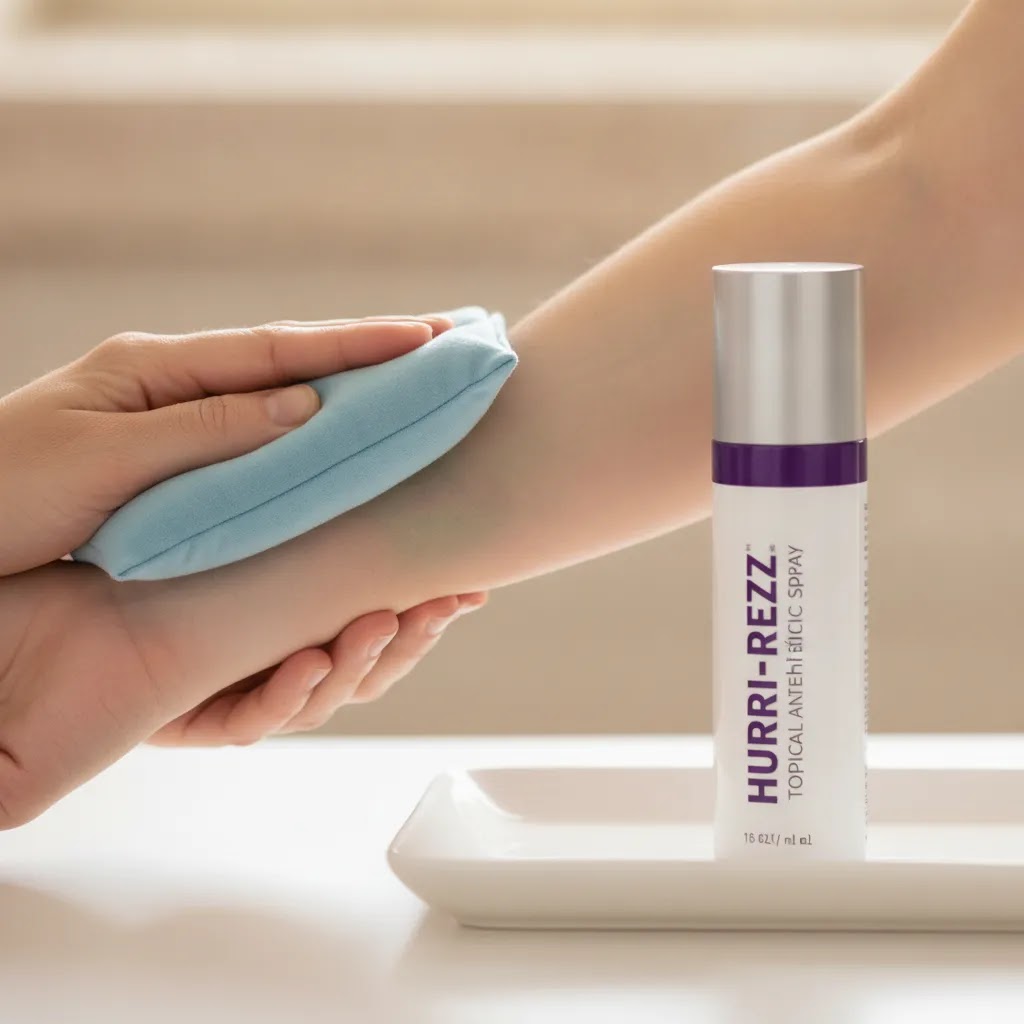
The first phase of bruise care is mainly about limiting additional bleeding into the tissue and keeping swelling under control. If you want to know how to heal bruises fast, this early window is where small choices may make the biggest difference.
Step 1: Use cold early and gently
Apply a cold pack wrapped in cloth for short intervals, often about 10 to 15 minutes at a time, with breaks in between. Cold causes blood vessels to narrow, which may help limit ongoing leakage and reduce swelling. Avoid placing ice directly on bare skin.
This is also where cooling products can come up in conversations about comfort. Nuance Medical offers Topical Pain Relief products such as Hurri-Freeze, an FDA-cleared topical anesthetic spray intended for temporary pain relief during minor procedures and injuries. Products in this category are not a substitute for professional bruise assessment, but they show how temporary cooling and numbing may play a role in short-term comfort.
Step 2: Elevate if you can
If the bruise is on an arm, hand, leg, or ankle, keeping the area elevated above heart level may help reduce swelling. This is especially useful in the early hours after impact.
Step 3: Protect the area from more pressure
Try not to massage a fresh bruise right away. Deep rubbing can increase irritation during the stage when blood is still dispersing in the tissue. Tight clothing, intense exercise, and repeated friction may also make the area more uncomfortable in the first day.
Step 4: Follow procedure-specific instructions
If your bruise appeared after surgery, injectables, or another in-office treatment, your own aftercare instructions come first. Some areas of the body, especially the face, need more tailored guidance than a standard home bruise would.
How care often changes after the first day
Once the earliest bleeding phase has passed, the focus usually shifts from containing swelling to supporting circulation and tissue recovery. This is the stage where people often wonder whether heat, movement, or a bruise cream now makes sense.
Switching from cold to warmth
After the first 24 to 48 hours, some people find that a warm, not hot, compress feels more helpful than ice. Warmth may encourage blood flow and support the body as it clears trapped blood products. If the area still looks actively swollen, very hot, or newly enlarging, it is better to pause and ask your clinician before using heat.
Gentle movement can help
Normal, comfortable movement may support circulation, especially for limb bruises. This does not mean pushing through soreness or returning to strenuous workouts immediately. It means avoiding prolonged stiffness when light movement feels comfortable and your provider has not told you otherwise.
Arnica and bruise-specific topicals
This is the point where many patients begin looking at arnica for bruising. Arnica is a botanical ingredient commonly used in bruise gel after surgery and in post-procedure care products. It may help some people with comfort or visible recovery, although results vary and it is not a guarantee of faster healing.
If you want a deeper look at product types, application timing, and what an arnica bruise treatment may involve, that related guide covers the topic in more detail.
A realistic “speeding up healing” framework
What many patients overlook is that “faster” can mean different things. Some people want the color gone immediately. Others want less swelling, less tenderness, or a bruise that is easier to cover with makeup. A bruise cannot be erased overnight, but there are ways to support the body’s normal process and avoid common mistakes that can slow things down.
What helps most, based on timing
In practice, bruise recovery tends to respond best to time-based care:
- First 24 to 48 hours: Cold in short intervals, protection from re-injury, and elevation when possible are usually the highest-value basics. The goal is to limit swelling and keep the area calm.
- After 24 to 48 hours: If swelling is settling, some people find gentle warmth and comfortable movement more useful than continued icing. This stage is about supporting circulation as the body clears the pooled blood products.
- Ongoing: Keep the area protected from friction or impact. Re-injury often prolongs tenderness and can restart swelling, especially on bony areas like shins and around the eyes.
If your bruise is connected to a cosmetic procedure, your provider’s aftercare instructions should guide the details, since timelines can vary by treatment area and technique.
What “overnight fixes” can and cannot do
Products and home strategies may help you feel more comfortable and may make bruising look less dramatic in the short term, particularly by reducing swelling. They typically do not change the underlying biology enough to make a multi-day bruise disappear in a few hours. You are supporting a process, not forcing a shortcut.
Common reasons bruises seem to linger
The reality is that many slowdowns are avoidable. Bruises may look worse or last longer when there is ongoing pressure or friction, heat is used too early, or the area is aggressively massaged while it is still inflamed. Medications and supplements that affect bleeding or clotting can also influence bruising, which is one reason procedure aftercare often includes careful pre-treatment review and individualized guidance.
What bruise healing stages usually look like
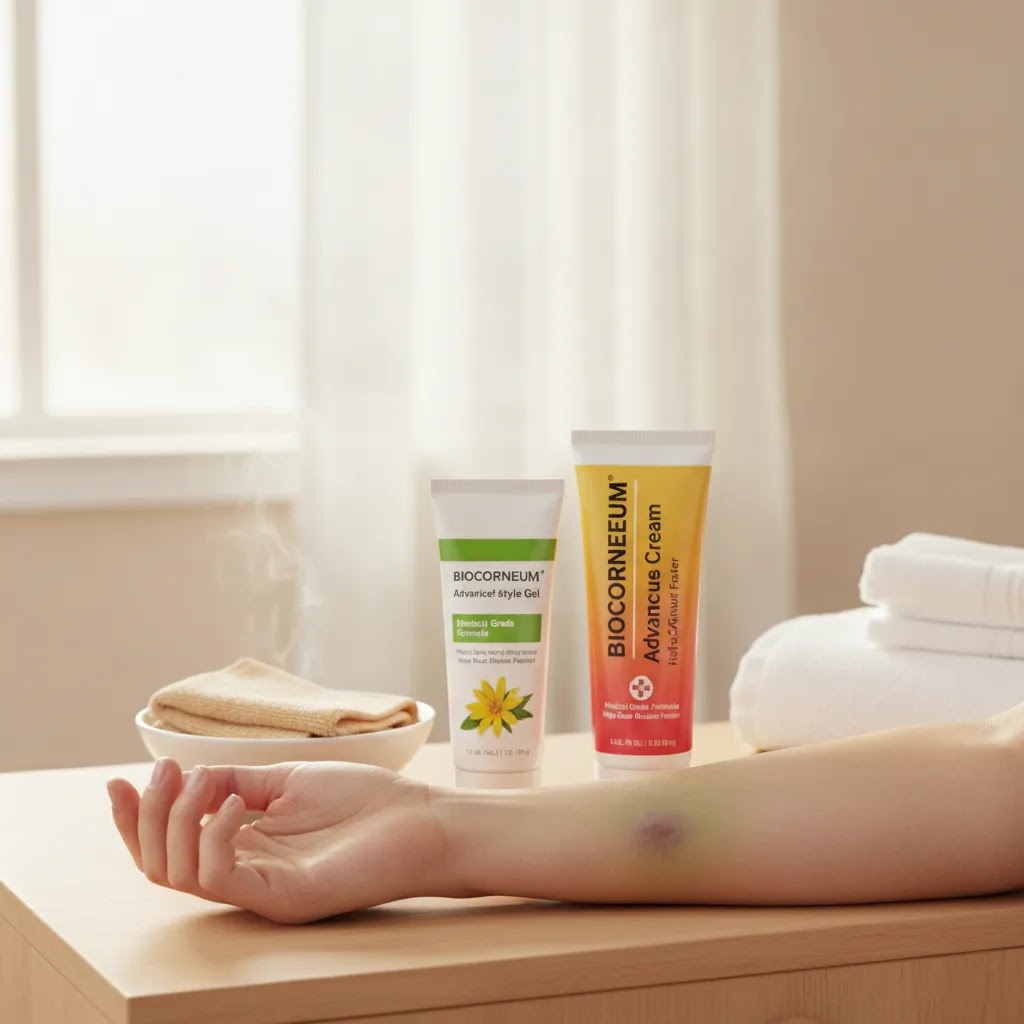
Many bruises look worse before they look better. That can be frustrating, but it is often part of the normal sequence. The body is gradually breaking down and reabsorbing the leaked blood.
Early stage: red, purple, or blue
This often appears in the first one to three days. The bruise may feel tender, mildly swollen, and more noticeable than expected.
Middle stage: darker, then greenish or brown
As hemoglobin breaks down, the color can shift. Green, yellow, and brown tones are common and usually signal that the bruise is moving forward rather than getting worse.
Late stage: yellow fading to normal skin tone
In the later phase, the bruise often looks patchy or faint around the edges. Tenderness usually improves before the color fully disappears.
How long this takes depends on the depth of the bruise, the treatment area, your circulation, medications, and individual healing patterns. Facial bruises may resolve in days, while larger body bruises can linger for weeks. That variation is one reason a bruise treatment guide should focus on timelines and decision points, not promises.
How post surgery bruise care can differ from a minor bump
Post surgery bruise care deserves a little more caution because bruising is often mixed with swelling, tenderness, dressings, and activity restrictions. A bruise after surgery is not just a discoloration issue. It is part of a larger recovery picture.
For example, after facial procedures, even a moderate bruise can travel downward with gravity and settle in a way that makes the discoloration look wider than the original treatment area. After body procedures, compression garments, incisions, and soreness can also affect what home care is appropriate.
In practice, good post surgery bruise care often includes:
- Following your surgeon or treating clinician’s written aftercare instructions first
- Using cold only within the recommended timeframe
- Not applying a bruise treatment cream over incisions unless you were told it is safe
- Watching for signs of expanding swelling, increasing pain, or asymmetry
- Giving the body enough rest, hydration, and time
If your recovery also includes scar management questions, a broader biocorneum scar treatment resource may be useful once the skin has healed enough for scar-focused care to become relevant.
Where bruise gels and supportive products may fit
A bruise cream or bruise gel does not erase a bruise instantly. What it may do is support a more comfortable, structured recovery routine. The right product depends on timing, skin condition, and whether the area is intact.
Arnica-based options
Arnica gel bruise treatment products are popular because they are easy to apply and familiar in post-procedure settings. They are generally used on intact skin, not open wounds or fresh incisions, unless a clinician has given specific directions.
Products designed for bruise care
Nuance Medical has also published information on BIOCORNEUM’s new dual-action bruise care system, reflecting growing patient interest in more targeted support during visible recovery. For some readers, that is less about chasing rapid change and more about having a plan that feels intentional.
What not to apply too early
Avoid putting active products on broken skin unless your clinician approves them. This includes many creams, gels, and even familiar home remedies. If a product stings sharply, increases redness, or seems to irritate the area, stop and ask for guidance.
Some patients also move from bruise care into scar care as healing progresses. If that is part of your situation, you may later come across discussions such as Introducing SiliSilk, Everyday Silicone Scar Care, Simplified, which reflects a different stage of recovery after the skin surface has closed.
Home remedy and topical options beyond arnica
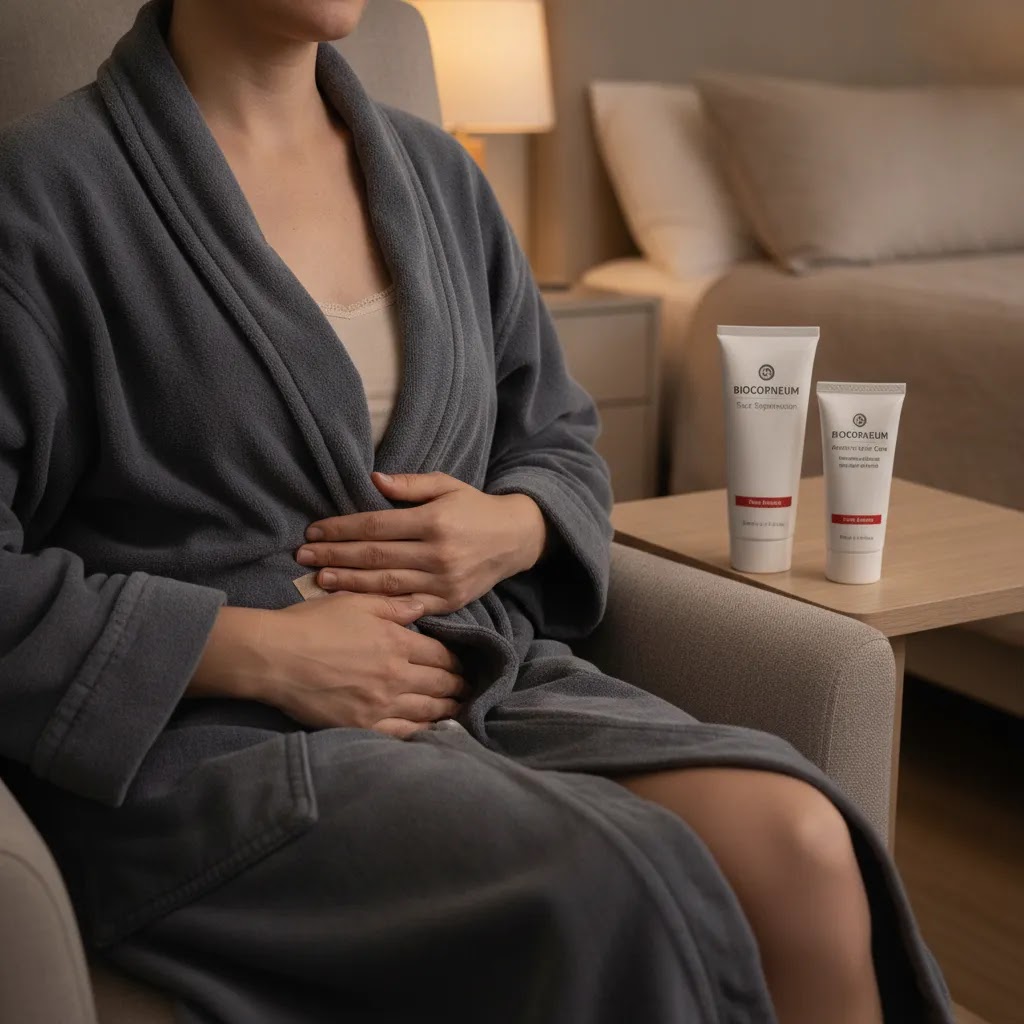
People often search for the “best ointment to put on a bruise,” especially if they have an event coming up or the bruise is in a visible area. The most useful way to think about topicals is by category and timing, not by a single miracle product.
What many people mean by “ointment” for bruises
On intact skin, patients commonly reach for a few broad options:
- Simple barrier moisturizers: Fragrance-free, gentle moisturizers can help if the skin feels dry or tight, particularly if you have been using cold packs and the area is irritated from frequent handling.
- Bruise-focused topicals: These may include botanical ingredients like arnica, or other ingredients marketed for comfort and visible recovery. Some people like having a consistent routine, even though results vary.
- Comfort-focused products: Cooling or soothing products may help with tenderness, but they should not be used to ignore red flags like escalating pain or a rapidly enlarging lump.
Topical products are typically supportive. They may help the skin feel better and may help some people feel more confident through visible recovery, but they do not replace the fundamentals of timing, protection, and realistic expectations.
Why some home remedies are low-value or irritating
Many popular home remedies are not dangerous on their own, but they can be irritating or simply not worth the effort, especially on sensitive facial skin. Strongly scented balms, harsh essential oils, or vigorous rubbing can make an area feel more inflamed. Avoid applying anything to broken skin, peeling skin, or incision lines unless your clinician has confirmed it is appropriate. Skin that is compromised is more reactive, and the wrong product can create irritation on top of bruising.
Face versus legs: what tends to differ
Bruises on the face often look more dramatic early because swelling shows quickly and discoloration can shift with gravity. Many people prioritize gentle care and camouflage-friendly routines, since facial skin can be more reactive. Bruises on the legs, especially the shins, can be slower to fade and are more likely to be aggravated by everyday friction from clothing, exercise, and incidental bumps. In both locations, the goal is the same: support healing without over-handling the area, and watch the pattern for anything that suggests more than routine recovery.
When a bruise needs more than home care
Most bruises improve with time, but some deserve prompt medical review. You should contact a qualified healthcare professional if a bruise is rapidly enlarging, unusually painful, associated with severe swelling, or paired with numbness, significant warmth, or skin that looks tight and shiny.
You should also get medical advice if bruising seems excessive after a procedure, if you are bruising frequently without clear cause, or if the area sits near the eye and vision changes are involved. A bruise that keeps worsening instead of stabilizing should not be brushed off.
For readers exploring cold-based technologies more broadly, a separate cryotherapy guide explains a different category of controlled cooling used in clinical treatment settings. That is distinct from home bruise care, but it can help clarify why not all uses of cold are the same.
Nuance Medical’s educational resources tend to approach recovery this way: bruising can be common, visible, and emotionally frustrating, yet still manageable when you understand the timeline and know when to check in with a professional.
Medical Disclaimer: This article is intended for informational and educational purposes only. It does not constitute medical advice and should not be used as a substitute for professional consultation with a qualified medical or aesthetic practitioner. Individual results vary. Always seek the guidance of a licensed healthcare professional before pursuing any aesthetic treatment.
Frequently Asked Questions
How long does a bruise usually take to heal?
Many minor bruises improve over one to two weeks, but the full timeline can vary quite a bit. Facial bruises may fade faster than deeper bruises on the legs or body, and post-procedure bruising can behave differently from an everyday bump. Your age, circulation, medications, skin thickness, and the size of the bruise all play a role. A bruise may also change color several times before it clears. If it is still worsening after the first few days, or remains very painful, it is worth checking with a qualified clinician.
What helps most in the first few hours after a bruise forms?
Early cold application is often the most useful first step. A wrapped cold pack used in short intervals may help reduce swelling and limit the amount of blood spreading into the tissue. Elevation can also be helpful if the bruise is on an arm or leg. Try to avoid intense rubbing, heat, or vigorous exercise right away, since those can increase circulation too soon. If the bruise follows a medical or aesthetic procedure, always follow the aftercare guidance you were given, because the best timing can vary by treatment area.
Can arnica for bruising actually make a difference?
Arnica is commonly used in bruise care, especially after cosmetic procedures, and some people feel it supports a smoother recovery. That said, it does not work the same way for everyone, and it should not be viewed as a guaranteed shortcut. The biggest factors are still the type of bruise, the timing of care, and your body’s healing response. If you want to try arnica, use it only as directed and only on skin that is intact unless a clinician tells you otherwise. If the area is irritated, stop and ask for advice.
Should I massage a bruise to make it go away faster?
Not right away. Fresh bruises are usually better left alone during the first day because the tissue is still inflamed and small blood vessels may still be leaking. Aggressive massage can make soreness worse and may spread irritation. Later in the healing process, some clinicians may suggest gentle movement or very light touch around certain areas, but that is different from pressing deeply into a new bruise. If the bruise happened after surgery or an aesthetic treatment, the safest approach is to follow the specific guidance from your provider.
When is it okay to switch from ice to heat?
Many people use cold during the first 24 to 48 hours, then consider gentle warmth later if the bruise is no longer actively swelling. Warm compresses may support circulation during the stage when the body is clearing trapped blood. The timing is not identical for every bruise. If the area is still getting bigger, feels increasingly hot, or looks unusually inflamed, heat may not be appropriate yet. After surgery or a cosmetic procedure, your clinician’s instructions should guide the timing, since some treatment areas need a more cautious plan.
What does it mean if my bruise turns yellow or green?
That color change is often part of normal healing. Bruises usually begin in red, blue, or purple tones, then shift into green, yellow, or brown shades as the body breaks down hemoglobin and reabsorbs the leaked blood. People sometimes worry that a green or yellow bruise means something new is wrong, but it often means the bruise is moving into a later stage. The bigger question is how the bruise feels and whether it is improving overall. Increasing pain, swelling, or rapid expansion matters more than the color alone.
Can I use a bruise cream over surgical incisions?
Usually not unless your surgeon or treating clinician has specifically told you it is safe. Intact bruised skin and healing incision lines are not the same thing. A bruise treatment cream that is fine on unbroken skin may not be appropriate over an incision, adhesive area, or partially healed wound. After surgery, the order of care matters. Protecting the incision and following wound instructions generally comes before adding cosmetic recovery products. If you are unsure, send a photo to your provider or ask at your follow-up rather than guessing.
Why do I bruise more after some procedures than others?
Bruising varies because procedures differ in depth, technique, treatment area, and how many blood vessels are nearby. Your own body also matters. Some people bruise easily due to medications, supplements, skin thinness, or natural vessel fragility. Areas around the eyes and mouth can look especially dramatic because the tissue is delicate. A bruise is not always a sign of poor care or a complication. It can simply reflect anatomy and healing response. The more useful question is whether the pattern looks expected for that procedure and whether it is gradually settling.
When should I worry that a bruise is not normal?
You should be more cautious if the bruise keeps enlarging, becomes much more painful, is associated with severe swelling, or feels tense rather than simply tender. Bruising paired with numbness, marked warmth, drainage, fever, or vision changes also deserves prompt medical attention. Frequent unexplained bruising elsewhere on the body is another reason to speak with a healthcare professional. Most bruises improve gradually, even if they look dramatic for a few days. If your instinct says the pattern feels off, it is reasonable to check in rather than wait it out.
What helps a bruise go away quickly?
The fastest-looking improvements usually come from doing the basics well, at the right time. In the first 24 to 48 hours, short-interval cold packs, elevation for limb bruises, and protecting the area from extra friction or impact can help reduce swelling and tenderness. After that early phase, some people find gentle warmth and comfortable movement more supportive as the body clears the bruise. Topicals like arnica may be a helpful add-on for some people, but they are not a guaranteed shortcut. If a bruise is rapidly expanding, becoming very firm, or increasingly painful, it is better to check in with a qualified clinician rather than focusing on speed.
What is the “TEN-4” bruising rule?
The “TEN-4” rule is a screening concept used in pediatrics to help clinicians recognize bruising patterns in very young children that may warrant closer evaluation. It refers to bruising on the Torso, Ears, or Neck in a child under 4 years old, or any bruising in an infant under 4 months old. It is not a self-diagnosis tool, and it is not meant to replace medical assessment. If you are concerned about bruising in a child or bruising that does not fit the situation, it is appropriate to seek prompt guidance from a licensed healthcare professional.
What’s the best ointment to put on a bruise?
There is not one universal “best” ointment, because the right choice depends on whether the skin is intact, how early the bruise is, and how sensitive the area feels. Many people do well with simple, fragrance-free moisturizers if the skin is dry or irritated from frequent handling. Others prefer bruise-focused topicals, such as arnica-based products, used appropriately on intact skin. If the bruise is related to surgery or if the skin surface is not fully healed, you should not apply ointments over incisions unless your clinician has confirmed it is safe.
Can a bruise heal in 2 days?
A small, superficial bruise may look noticeably better in 48 hours, especially on the face, but complete resolution in two days is not typical for most bruises. What often improves first is swelling and tenderness, while color changes can take longer as the body breaks down and reabsorbs the leaked blood. If you need to look more “camera-ready” quickly, the most realistic goal is usually reducing swelling and irritation early, then using appropriate camouflage while the bruise continues to fade.
Key Takeaways
- Cold therapy and elevation are often most helpful during the first 24 hours after a bruise appears.
- Bruise healing stages commonly shift from purple or blue to green, yellow, and then gradual fading.
- Arnica and bruise gels may support recovery for some people, but they do not guarantee faster healing.
- Post surgery bruise care should always follow your clinician’s instructions before any general home advice.
- Rapidly enlarging bruises, severe pain, major swelling, or vision changes deserve medical review.
Conclusion
A bruise can feel more alarming than it is, especially when it appears after a treatment you were excited about or in a visible area you cannot easily hide. The usual pattern is straightforward: protect the area early, manage swelling, shift care as healing moves forward, and watch for signs that suggest more than routine recovery. That sequence will not make every bruise disappear overnight, but it can help you respond with more confidence and less guesswork.
If you are sorting through bruise recovery after a procedure, or trying to understand when bruise care should give way to scar care, getting personalized guidance can be reassuring. You can explore Nuance Medical’s educational resources, review related recovery topics, or book a consultation to discuss your situation with a qualified professional. Clear expectations, careful timing, and individualized advice usually do more for peace of mind than any quick fix promise ever could.