Why how long does it take for scars to fade can vary so much
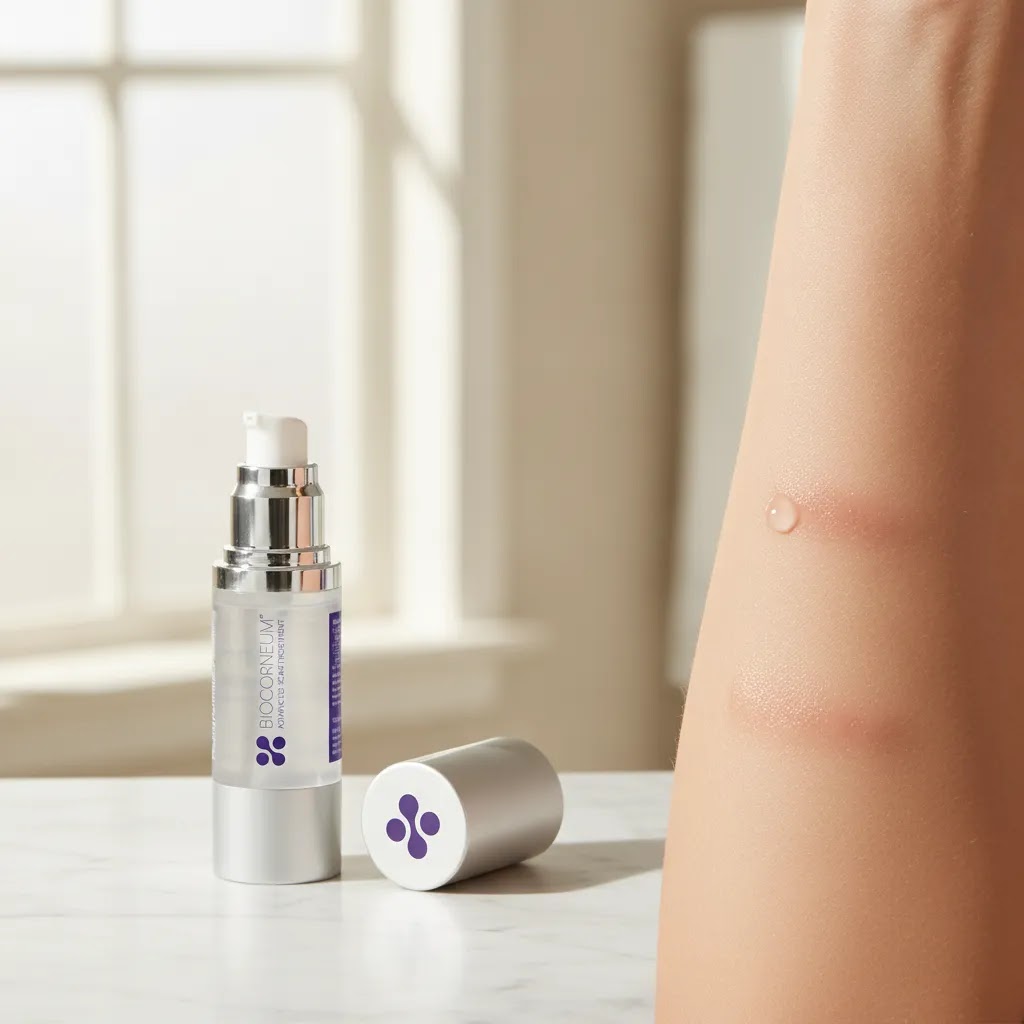
A scar is not a static mark. It is healing tissue that keeps remodeling long after the skin closes. Early on, scars often look more noticeable because blood flow, inflammation, and collagen activity stay high. As a result, a fresh scar may look redder, darker, firmer, or slightly raised before it settles.
The timeline depends on biology and mechanics. For example, a small flat mark on the face may soften and fade faster than a surgical scar over the chest or a scar across a moving joint. Scars that heal under tension, friction, or repeated stretching often take longer to calm down. Deeper injury also tends to mean a longer remodeling phase.
Skin tone also affects what “fading” looks like. In lighter skin, people often notice pink or red tones first. In deeper skin tones, brown, gray, or darker discoloration may linger longer even after the scar has flattened. However, that does not always mean the scar is getting worse. Often, pigment changes simply take more time to settle.
How long does it take for scars to fade through each healing stage
Here’s the thing: it helps to think in phases instead of expecting steady week-to-week improvement. Scar formation is a normal part of wound repair. Most scars move through predictable stages, though the pace varies by person, body area, and healing course.
Inflammatory phase: the “active” early stage
This stage typically covers the first days to roughly 1 to 2 weeks after an injury or procedure, although it can overlap with the next stage. Your body increases blood flow and sends inflammatory cells to protect and clean the area. As a result, many people notice warmth, tenderness, swelling, and redness. A fresh incision or injury can look more noticeable during this period, even when healing stays on track.
Proliferative phase: new collagen, new blood vessels
Over the next several weeks, the skin lays down new collagen and forms small blood vessels to support repair. In practice, this is when many scars look the most dramatic. The first 8 to 12 weeks can bring brighter redness or pinkness, firmness, and a slightly raised look, particularly with surgical scars or scars on high-tension areas. Itching, tightness, and a ropey texture can also show up here. That can feel unsettling, but it is not automatically abnormal.
Remodeling phase: the long game
During remodeling, the scar gradually becomes flatter, softer, and less noticeable as collagen reorganizes and excess blood vessel activity settles. This phase often lasts months. For many scars, active remodeling continues for 12 to 18 months. The skin can close within weeks, but clinicians judge the scar over months because the underlying structure keeps changing.
Many patients overlook the fact that ups and downs can be part of normal maturation. A scar can look calmer for a while, then look redder after sun exposure, friction from clothing, or a period of increased movement. Therefore, clinicians look at the overall trend over time, not whether the scar improves every single week.
How long does it take for scars to fade by scar type
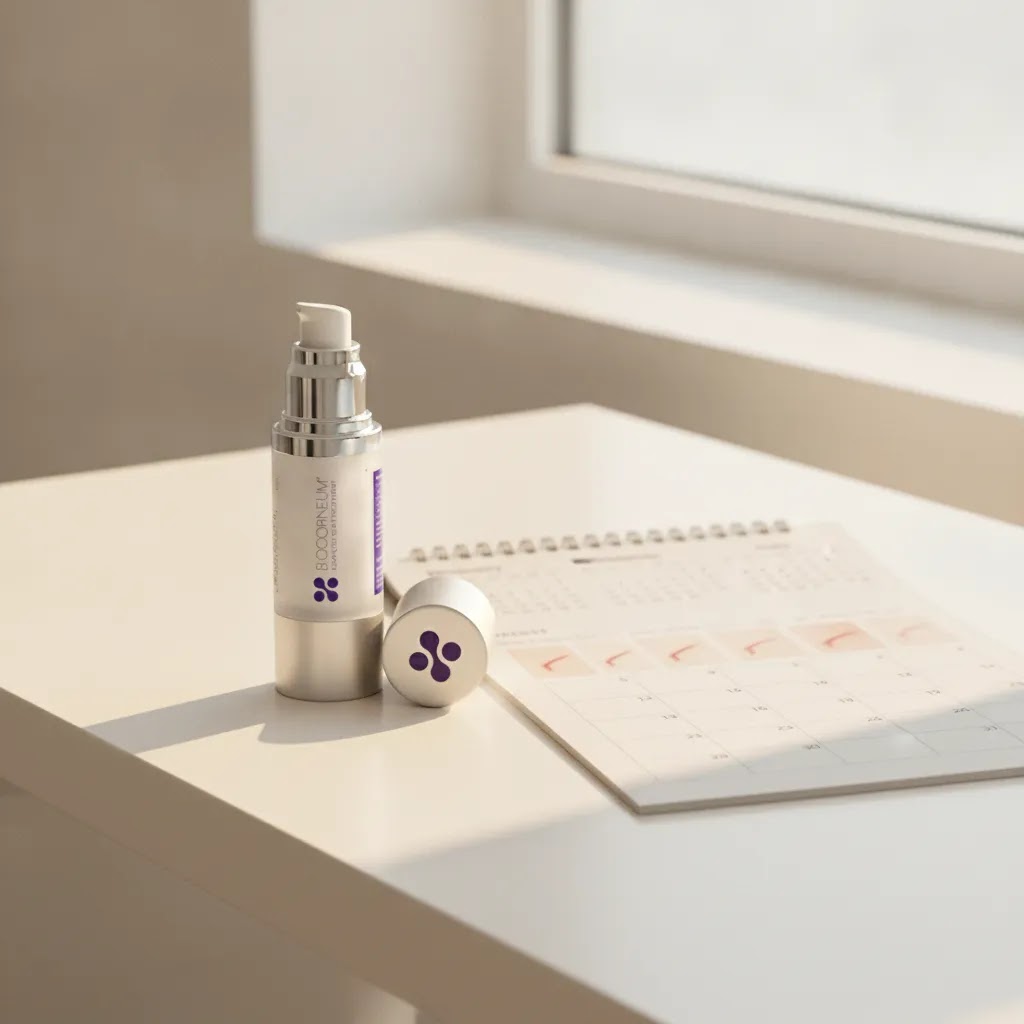
| Scar type | What the article says about the timeline | Key note |
|---|---|---|
| Flat superficial scars | May start looking less obvious within a few months and often continue improving over 6 to 12 months | Color may last longer than texture changes |
| Surgical scars | Often look active in the first 6 to 12 weeks, may soften and lighten over 3 to 6 months, with maturation often continuing for 12 to 18 months | Chest, shoulders, lower abdomen, and back may take longer |
| Acne scars | Flat red or brown marks may fade over months, while indented acne scars do not fade on a set schedule | Indented scars reflect structural change |
| Burn scars | Often mature more slowly, with remodeling that may continue for well over a year | Tightness, texture change, and raised areas are more common |
| Hypertrophic scars and keloid-prone scars | Raised scars often remain red, itchy, or thick for many months and may need more than watchful waiting | Keloid-prone scars may grow beyond the original injury |
Flat superficial scars
Small, shallow scars from minor injuries, superficial procedures, or healed blemishes may start looking less obvious within a few months. Many continue improving over 6 to 12 months. If your main concern is color rather than texture, fading may feel slow because pigment often outlasts surface healing.
How long does it take for scars to fade after surgery
Surgical scars often look quite active in the first 6 to 12 weeks. They may appear pink, slightly thick, or firm even when healing is going normally. Many begin to soften and lighten over 3 to 6 months. However, meaningful maturation often continues for 12 to 18 months. Some areas, such as the chest, shoulders, lower abdomen, and back, may take longer because the skin there moves and pulls more.
Acne scars
Acne leaves behind several different kinds of marks, and each has its own timeline. Flat red or brown post-breakout marks may gradually fade over months. Sometimes they last longer if breakouts continue or if sun exposure keeps stimulating pigment. Indented acne scars are different. They do not simply fade away on a set schedule because the issue is structural change in the skin, not just leftover color. If acne marks are your main concern, you may also want to read different types of acne scars for a clearer breakdown.
Burn scars
Burn scars often mature more slowly than minor traumatic scars. Depending on depth, location, and healing course, the remodeling process may continue for well over a year. Burn scars also have a higher chance of tightness, texture change, and raised areas. For that reason, consistent follow-up matters. For more context, see what do burn scars look like.
Hypertrophic scars and keloid-prone scars
Raised scars tend to take longer and behave differently. Hypertrophic scars stay within the original wound edges but can remain red, itchy, or thick for many months. Keloid-prone scars may continue growing beyond the original injury. These scars often need more than watchful waiting, especially if they are becoming more raised, uncomfortable, or cosmetically distressing. A helpful early companion topic is how to prevent scarring, since prevention and early care may influence how active a scar becomes.
What can make how long does it take for scars to fade take longer
If you are asking how long does it take for scars to heal, the answer often changes once a few factors come into play. Delayed wound healing is one. If a wound reopened, became irritated, or took longer than expected to close, scar remodeling may take longer too.
Sun exposure is another big factor. Ultraviolet light can deepen or prolong discoloration in newer scars, especially during the first year. As a result, a scar may keep healing but still look darker or redder than you expected because pigment changes keep building. For general sun-safety guidance, the American Academy of Dermatology explains why wound care and sun protection matter for scars.
Location matters more than many people realize. Scars over the sternum, shoulders, knees, jawline, or lower abdomen often deal with movement, pressure, or friction from clothing. Meanwhile, a scar on the cheek may behave differently from one on the back because oil production, tension, and environmental exposure differ.
Personal biology matters too. Genetics, age, inflammatory skin conditions, smoking, nutrition, and certain medical conditions can influence healing speed. That is one reason comparing your timeline to someone else’s photo online usually creates more confusion than clarity.
What may support how long does it take for scars to fade
Scar care works best when it matches the stage of healing. If the skin has not fully closed, wound protection and your clinician’s instructions come first. Once the surface closes and your clinician approves it, scar-supportive routines may help create a more favorable healing environment.
- Consistent sun protection to reduce prolonged discoloration
- Reducing unnecessary friction or tension across the area
- Following post-procedure instructions carefully
- Using scar products only after the skin has closed and timing is appropriate
- Seeking early advice if a scar becomes increasingly raised, itchy, or uncomfortable
If you are earlier in the process and still focusing on wound recovery, our how to heal scars guide is the more relevant read. For broader product education, Nuance Medical also organizes resources under Scar Treatment & Skincare, which can help you compare formats and care approaches.
In a qualified clinic, clinicians usually individualize scar guidance instead of using one routine for everyone. Nuance Medical takes that measured approach in patient education. Importantly, the focus stays on realistic expectations, timing, and choosing options that fit the scar’s behavior rather than chasing a fast fix.
How long does it take for scars to fade faster, safely
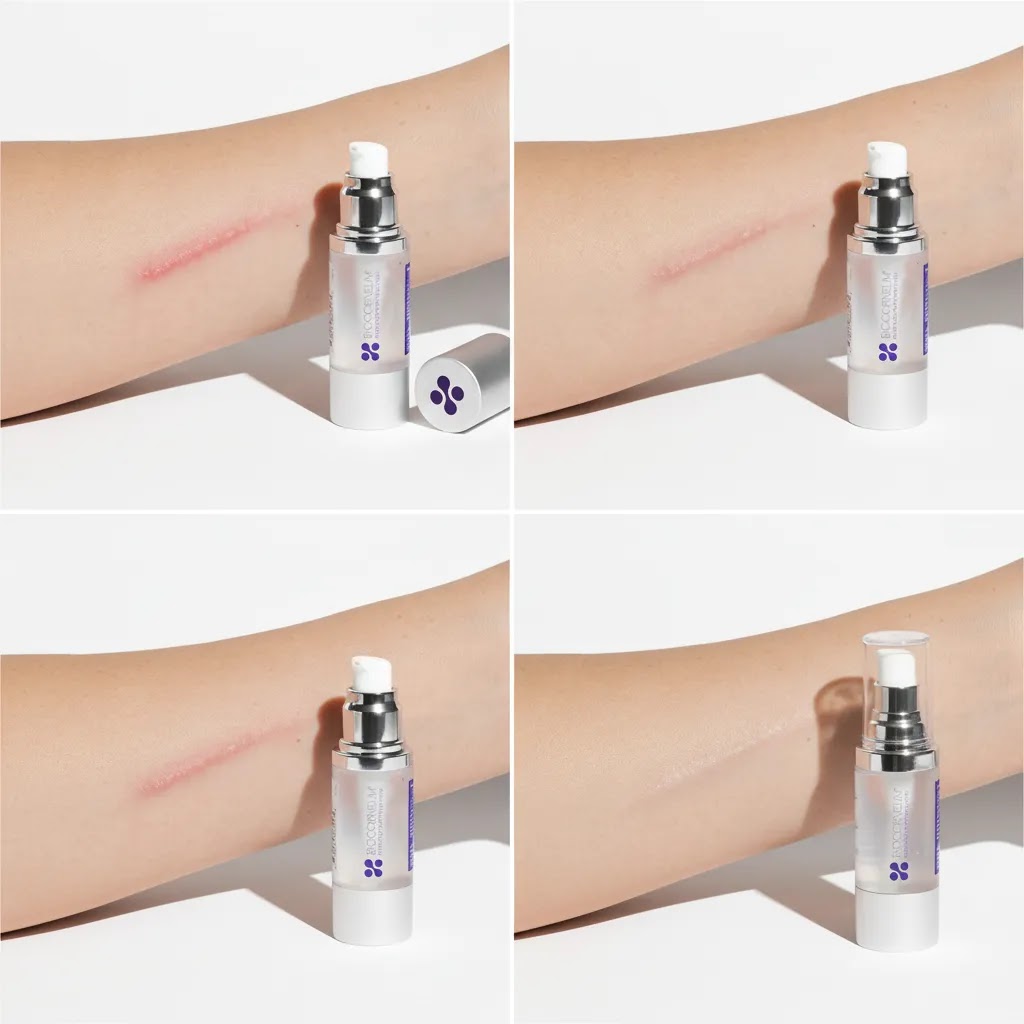
If you are searching for how long does it take for scars to fade faster, the most realistic approach is to avoid the factors that keep scars looking active longer, such as UV exposure, irritation, and repeated pulling or rubbing. You cannot rush biology. However, you can support it by keeping the scar in a calmer, more stable environment while it remodels.
What may help scars look better sooner
- Consistent sun protection, especially during the first year, because UV can prolong redness and discoloration in many skin tones
- Minimizing tension and friction, since constant stretching or rubbing can keep a scar thicker and more reactive
- Silicone used at the right stage, typically after the skin fully closes and your clinician says topical scar care is appropriate
- Gentle massage only when appropriate, since some scars benefit from guided massage once healed, but doing it too early or too aggressively can irritate tissue
- Consistency over “scar hacks,” because steady use of a simple plan is usually more helpful than rotating multiple actives
This means choosing a routine you can actually follow daily. Even evidence-supported options can underperform if you use them inconsistently, start them too early, or pair them with irritating products. If you are comparing silicone options, biocorneum vs mederma may also help frame product differences.
What not to do if you want a scar to settle faster
The reality is that many fast-fade tips backfire by inflaming the skin. During the months when a scar is still reactive, irritation can make redness and discoloration last longer.
- Do not pick scabs or peel flaking skin, since that can prolong inflammation and increase the chance of a more noticeable scar
- Avoid over-exfoliating early, including strong scrubs or aggressive at-home devices over a newer scar
- Be cautious with DIY acids, essential oils, and fragranced products on reactive scars, because irritation can keep the scar looking active
- Do not “mix everything,” layering multiple new actives at once makes it hard to identify irritation and can worsen sensitivity
- Do not assume more pressure or more product means better results, scars often respond best to gentle, steady care
Results vary by scar type, location, and skin tone. Raised scars, scars under tension, and scars in deeper skin tones may take longer to look like they are fading even when the underlying remodeling is progressing normally. If you are unsure whether a scar is ready for topical care, or whether a particular product or technique fits your situation, a qualified clinician can guide you based on the scar’s stage and behavior. In addition, the U.S. National Library of Medicine’s MedlinePlus offers general scar-care guidance for patients.
Common mistakes and misconceptions about how long does it take for scars to fade
One common misconception is that a scar should look steadily better every week. Real healing is more uneven than that. Color may improve before texture does. Or the scar may flatten while pigment lingers.
Another mistake is starting too many products too soon. Freshly closed skin can be more reactive, and constant product switching makes it hard to tell what is helping versus what is causing irritation. As a result, irritation can keep a scar looking more active for longer.
People also confuse faded with gone. Many scars become much less noticeable over time, but that is not the same as disappearing completely. Asking whether are scars permanent has a yes-or-no answer oversimplifies a process that sits on a spectrum. Some scars end up faint and hard to notice. Others remain visible but improve in color, softness, and blend over time.
There is also a timing issue with online advice. In 2026, patients are seeing more short-form content promising rapid scar fixes, but scar remodeling still follows biology, not trend cycles. If a tip sounds instant, it usually deserves skepticism.
When to check in with a professional about how long does it take for scars to fade
Some patience is normal. Still, there are times when a scar deserves a closer look. If it becomes more raised, extends beyond the original wound, remains very itchy or painful, or causes tightness that affects movement, a qualified medical professional should assess it.
You may also want guidance if the scar color becomes more pronounced rather than gradually settling, or if the scar is on a high-visibility area such as the face after a procedure. A professional assessment can help separate normal maturation from signs that another treatment plan may be worth discussing.
For readers researching current scar product developments, these updates may be useful: BIOCORNEUM® SiliSilk™ Wins NewBeauty Award for Best Scar Gel and Introducing SiliSilk™: Everyday Silicone Scar Care, Simplified. Educationally, they help show how scar-care formats continue to evolve while the core principle remains the same: consistency matters more than hype.
How long does it take for scars to fade after 1 to 2 years
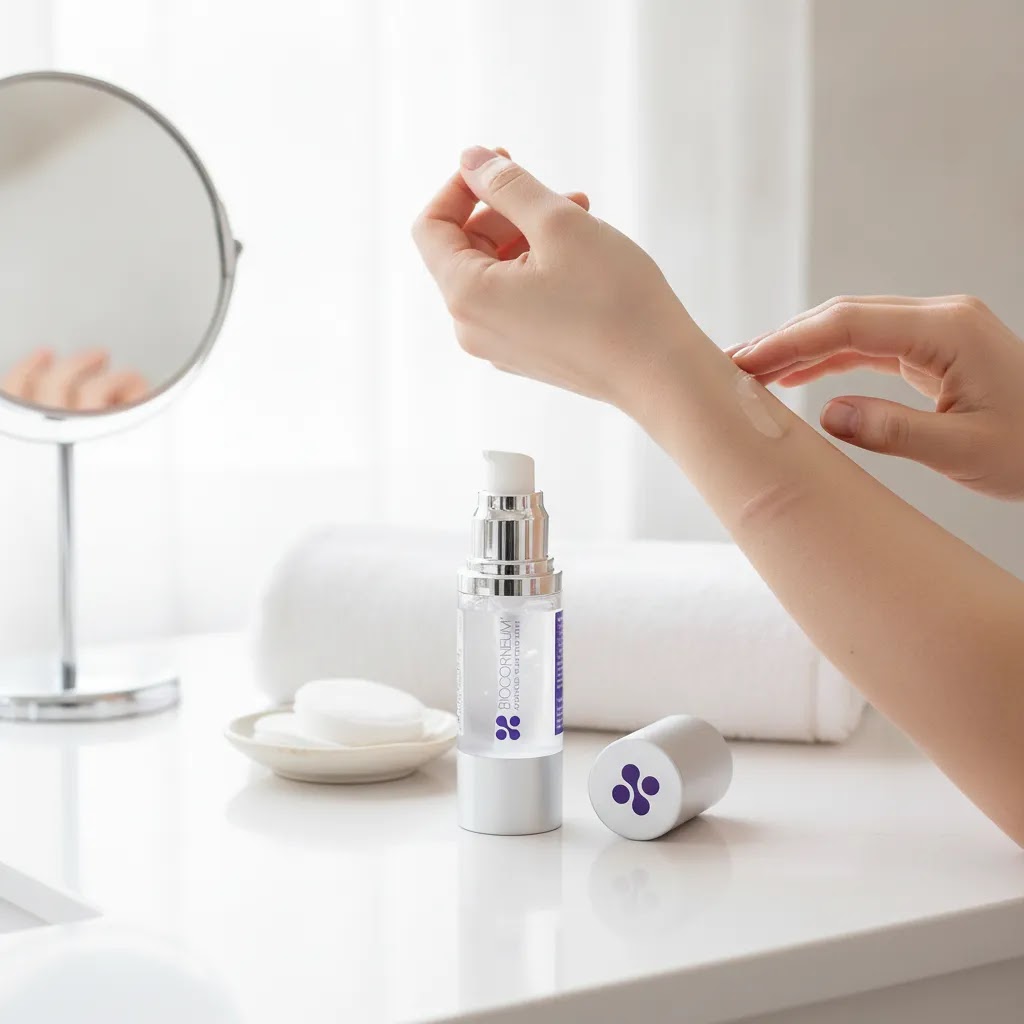
Once a scar is a year or two old, clinicians usually consider it more mature. That means most rapid collagen building has slowed, and the scar has done much of its structural settling. That said, a mature scar can still change. In many cases, the most noticeable ongoing improvement is in color and blending, not a dramatic change in shape.
Can older scars still fade?
Yes, older scars can continue to fade, but progress is often slower and less dramatic than in the first year. Color can keep shifting as residual redness settles and pigment gradually evens out, especially if you have protected the area from sun and avoided irritation. Texture can improve too. However, if the scar reflects a true structural change, for example indented acne scars, timeline alone may not fully address it.
Why some scars stay red longer than expected
Persistent redness often reflects ongoing vascular activity, meaning small blood vessels in the scar remain more noticeable. This can be influenced by repeated irritation, sun exposure, and location. Scars on areas under constant tension or movement may stay pink or red longer because the tissue is under repeated stress. The same scar can also look redder at times due to heat, exercise, or friction. As a result, it may feel like progress has stalled when it is actually variable.
When “stalled” scars deserve a second look
If a scar has shown minimal change over many months, or if it remains highly symptomatic, it is reasonable to ask for an evaluation. People often wait because they assume nothing can be done after the first year. However, a professional can help you understand what is still likely to improve naturally versus what may respond better to an in-office plan.
It may be especially worth checking in if the scar is persistently raised, increasingly firm, causing functional tightness, remaining uncomfortable, or very visible with little change over time. As with any aesthetic treatment, there are potential side effects and suitability considerations that a qualified practitioner should discuss with you based on the scar type, your skin tone, and your healing history.
A product example in a real scar-care routine
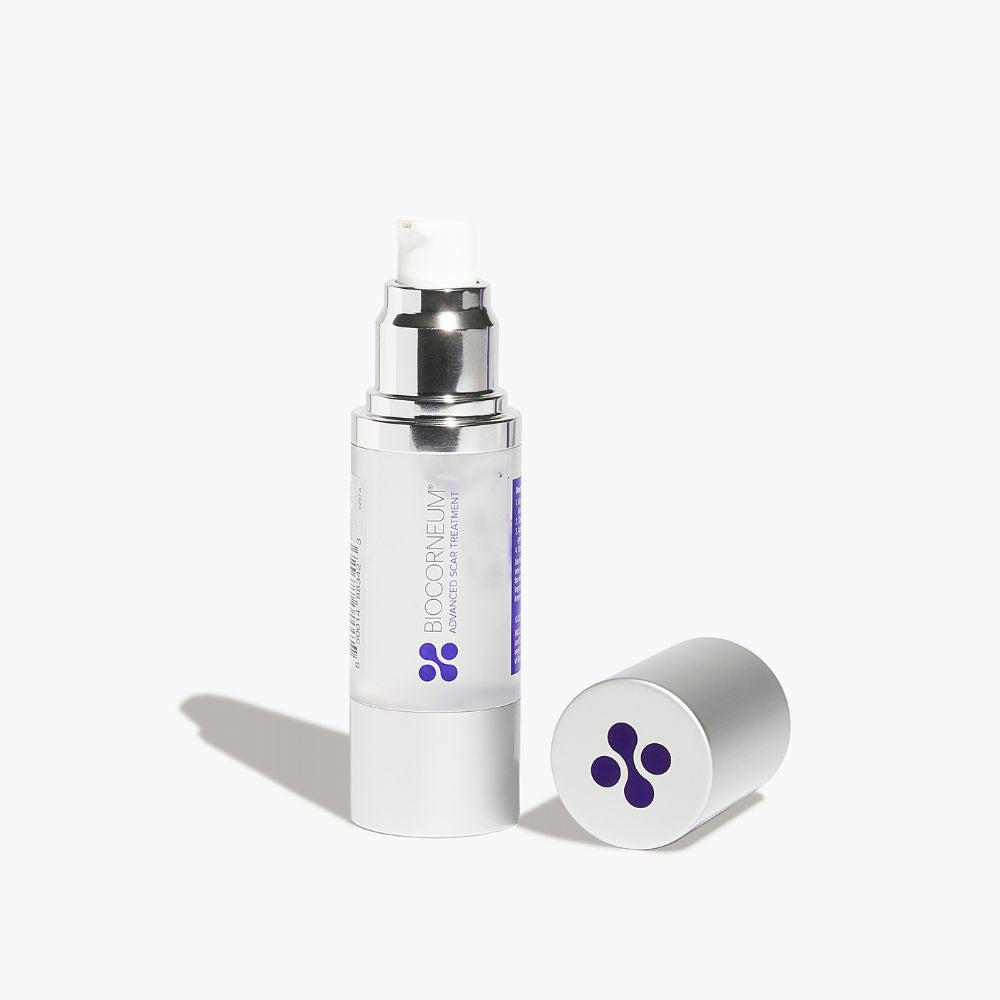
Once the skin is fully closed and your clinician feels topical scar care is appropriate, some people prefer a silicone gel format because it can fit easily into a daily routine. One example is BIOCORNEUM SiliSilk Advanced Scar Gel, 30g, priced at $84.95. The product information describes it as a professional-grade silicone scar gel with an ultra-smooth, silky finish and a clear, fast-drying texture.
That does not mean any topical product changes scar biology overnight. It means the format may be easier for some people to use consistently, and consistency often matters during the months when a scar is maturing. If you are also browsing categories beyond scar care, Nuance Medical’s Topical Pain Relief section covers a different set of products often researched around comfort and procedures, including questions such as how long does topical anesthetic last. Those products serve a different purpose than scar care and should not be confused with long-term scar management.
Medical Disclaimer: This article is intended for informational and educational purposes only. It does not constitute medical advice and should not be used as a substitute for professional consultation with a qualified medical or aesthetic practitioner. Individual results vary. Always seek the guidance of a licensed healthcare professional before pursuing any aesthetic treatment.
Frequently Asked Questions
How long does it take for scars to fade on average?
Many scars start to look less noticeable over several months, but full maturation often takes 12 to 18 months. Smaller superficial scars may settle sooner, while surgical, burn, or raised scars can take longer. Color changes and texture changes also improve on different timelines. A scar that is still pink or dark at a few months is not automatically healing abnormally.
How long does it take for scars to heal compared with fade?
Healing and fading are related but not identical. A wound may be closed and medically healed long before the scar has faded. Surface healing can happen over days to weeks, while scar remodeling continues for months as collagen reorganizes and blood vessel activity settles down. That is why a scar can be fully closed yet still look active, firm, or discolored.
Are scars permanent?
Scars are usually permanent in the sense that the skin does not regenerate exactly as it was before the injury. What changes is how visible the scar remains over time. Many scars become flatter, softer, and closer in color to the surrounding skin. Some stay quite faint, while others remain more obvious depending on scar type, depth, location, and personal healing patterns.
How can I make my scars fade faster?
You can often help scars look better sooner by preventing the things that prolong redness and discoloration, especially sun exposure and irritation. Consistent sun protection, minimizing friction or tension, and using scar products only at the right healing stage may support a calmer remodeling process. A qualified clinician can tell you what is appropriate for your specific scar and timing.
Do scars ever fully fade away?
Some scars become very faint and blend well enough that they are hard to notice, but many do not disappear completely. How much a scar fades depends on depth, location, skin tone, and whether the scar becomes raised or remains flat. Most people see the biggest changes in the first year, with slower improvements after that.
How do I know if my scar is permanent?
A scar is generally considered more mature after about 12 to 18 months, when changes slow down and the scar looks more stable. If a mark is mostly color, it may continue improving longer, while true texture changes, like indented scarring, may not fully resolve without targeted treatment. If you are unsure what type of scar you have, a professional assessment can clarify what is realistic.
Can you fade a 2 year old scar?
Yes, a 2 year old scar can still improve, especially in color and overall blending, but changes are usually slower than in the first year. Texture improvements may be more limited if the scar reflects a structural change in the skin. If an older scar is very visible, symptomatic, or seems unchanged for many months, it is reasonable to discuss options with a qualified medical professional.
Why does my scar look darker before it looks lighter?
A scar may look darker early on because inflammation, blood flow, and pigment activity are still high. In some skin tones, this shows up as pink or red. In others, it shows up as brown, gray, or deeper discoloration. Sun exposure can make this last longer. Darker color in the short term does not always mean the scar is worsening, but it should gradually calm with time in many cases.
Do acne scars fade the same way as surgical scars?
No, acne scars and surgical scars often behave differently. Flat red or brown post-acne marks may gradually fade, but indented acne scars involve structural change in the skin and often do not improve on timeline alone. Surgical scars may begin as linear, firmer marks that soften over many months. The word “scar” covers several very different patterns, which is why expectations vary so much.
Can sun exposure make a scar fade more slowly?
Yes, sun exposure can slow the appearance of fading by deepening discoloration in newer scars. Ultraviolet light may stimulate pigment changes that make the scar stand out longer than it otherwise would. This matters across skin tones, though the way it appears can differ. Consistent sun protection is one of the simplest ways to support a scar that is still maturing.
When should I worry that a scar is not fading normally?
A scar deserves professional review if it is becoming more raised, spreading beyond the original wound, staying very itchy or painful, or limiting movement because of tightness. You may also want advice if the scar is becoming more noticeable over time rather than gradually calming down. A qualified clinician can help determine whether the scar is maturing normally or whether another approach may be helpful.
Does silicone make scars disappear faster?
Silicone products are commonly used in scar care, but they should not be viewed as an instant eraser. They may support scar management during the remodeling period, especially when used consistently and at the right stage of healing. Results vary, and they do not make a scar vanish overnight. They are usually one part of a broader approach that includes timing, protection, and realistic expectations.
How long does topical anesthetic last, and is that related to scar fading?
Topical anesthetics and scar products have different jobs. Topical anesthetics are used for temporary numbing around procedures, while scar care focuses on the longer healing process after the skin has closed. Questions like how fast does topical lidocaine work or how long does benzocaine spray last matter for procedure comfort, not for how quickly a scar matures. If you are using numbing products, follow labeled directions and clinician guidance carefully.
How much topical lidocaine is too much?
Too much topical lidocaine depends on the product strength, the amount applied, the size of the area, how long it stays on, and whether it is used under occlusion. Because misuse can be risky, this is not something to estimate casually. Follow the product instructions exactly and ask a licensed clinician or pharmacist if you are unsure. It should never be treated as a shortcut for aggressive home treatment.
Key Takeaways
- Most scars improve over months, and many continue maturing for 12 to 18 months.
- Scar type matters, flat marks, surgical scars, acne scars, and raised scars do not follow the same timeline.
- Sun exposure, skin tension, friction, wound depth, and personal healing patterns can all prolong visible fading.
- Scar care is most helpful when it matches the healing stage and is used consistently rather than reactively.
- A scar that becomes increasingly raised, painful, or expansive should be assessed by a qualified professional.
Conclusion
If you have been wondering how long does it take for scars to fade, the most honest answer is that scars usually improve on a longer timeline than most people expect. A few weeks may tell you that a wound has closed, but months show how the scar is truly maturing. The type of scar, its location, your skin’s healing pattern, and everyday factors like sun exposure all shape that process.
That can feel frustrating, especially if the scar is new and highly visible, but slow change is often normal. What matters most is the overall direction. Is the scar gradually settling in color, softness, and texture? That matters more than whether it looks better every single week. If you want help sorting through what is normal, what may support healing, or which scar-care options fit your situation, you can explore Nuance Medical’s scar resources or book a consultation for individualized guidance in a calm, no-pressure setting.