
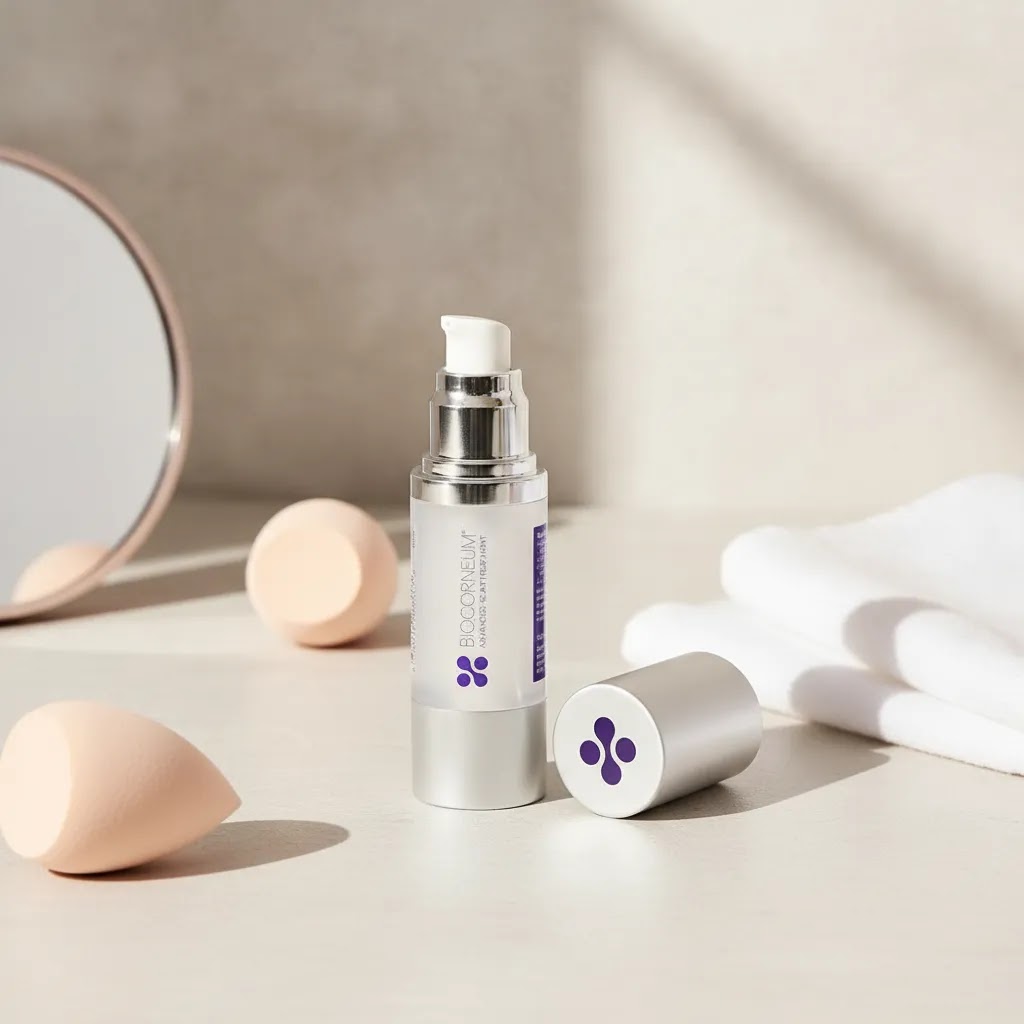
How to Cover Up Scars: What It Really Involves
Scar concealment is not one single method. In practice, it usually involves 3 separate goals: reducing contrast in color, improving surface appearance, and choosing coverage that stays in place through normal daily activity.
Some scars are mainly a color issue. They may look pink, red, brown, or lighter than the surrounding skin. Others are more textural. They may sit raised, indented, shiny, or uneven under makeup. The best cover-up plan depends on which feature stands out most.
Short-term concealment often relies on color-correcting products, buildable concealer, body makeup, and careful setting techniques. Medium-term support may include silicone-based scar care that can help create a smoother-feeling surface and make makeup sit more evenly. Longer-term improvement may involve medically supervised scar management, especially if the scar is new, symptomatic, raised, or changing.
If your scar is still healing, concealment should never interfere with wound recovery. For newer marks, prevention and early care matter. Our article on how to prevent scarring may help you understand that stage more clearly.
How to Cover Up Scars Step by Step
A reliable scar camouflage routine usually works best in a set order. This matters because texture, dryness, and excess product often make coverage look obvious rather than natural.
- Start with clean, dry skin. Remove sunscreen, oil, or skincare residue that could make product slide or separate.
- Check whether the skin is fully healed. Do not apply makeup over open skin, active irritation, or areas your clinician has told you to leave uncovered.
- Prep the surface. If the scar feels dry or uneven, a silicone-based scar product or compatible smoothing layer may help create a more even canvas.
- Correct color first. Red or pink scars may need a green-toned corrector. Brown discoloration may respond better to peach or orange correction, depending on your skin tone.
- Apply concealer in thin layers. Pressing product on, rather than rubbing it back and forth, may reduce streaking and preserve coverage.
- Use body makeup if needed. For larger scars on the torso or limbs, a broader-coverage product can look more even than spot concealer alone.
- Set carefully. Powder or setting spray can improve wear time, but too much may emphasize dryness or raised texture.
- Reassess in natural light. Scars often look different indoors versus daylight, especially if they are shiny or have altered pigmentation.
If the scar remains difficult to disguise because it is very raised, thickened, or still actively remodeling, it may be worth reviewing more than camouflage alone. Our guide on how to heal scars covers the broader healing picture.
How to Cover Up Scars With Makeup or Medical Camo
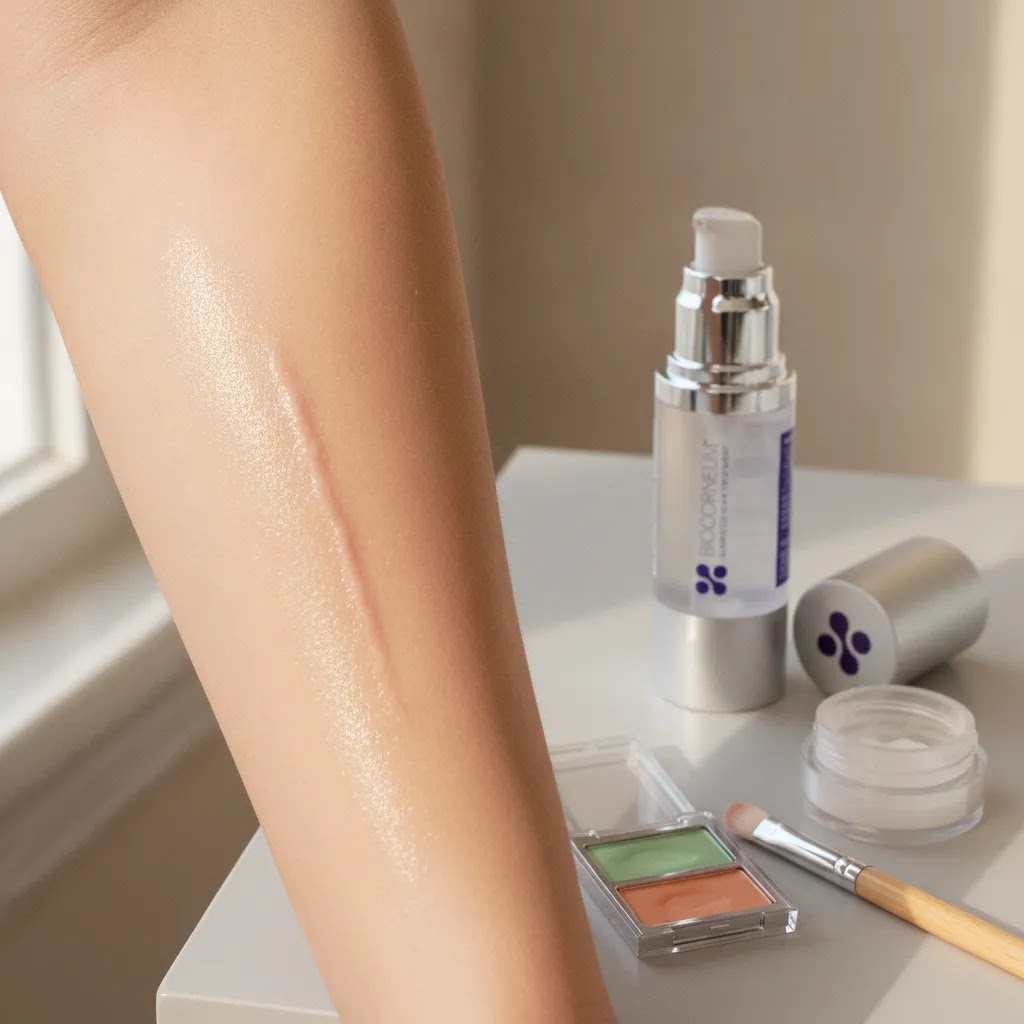
People often use the phrase “cover up scars” to mean makeup, but medical camouflage is a wider category. It includes techniques and products chosen specifically for altered skin texture, post-procedure skin, surgical scars, and areas where standard cosmetics may not perform well.
Basic makeup camouflage can work well for flat, stable scars with mild discoloration. It is usually the easiest starting point if you want flexibility and same-day improvement. As a result, this approach suits occasional use, events, photos, or a simple daily routine.
Medical camo tends to matter more when the scar is visible at conversational distance, has a pronounced sheen, or sits on mobile skin such as the shoulder, knee, or chest. In these cases, product texture and adherence matter just as much as shade matching.
There is also a middle ground: combining scar care with cosmetic coverage. A scar product may not hide the scar instantly in the way concealer does, but it can support a smoother finish and make the area easier to camouflage consistently. That is often a more realistic strategy than relying on thick makeup alone.
Nuance Medical’s educational content in Scar Treatment & Skincare reflects this measured approach. The goal is usually to improve how a scar looks and feels in daily life, while respecting that results vary by scar type, age, color, location, and individual healing patterns.
How to Cover Up Scars by Scar Type
Here’s the thing: the most effective cover-up strategy depends on what type of scar you are dealing with. Not every mark behaves the same under makeup. Many frustrations come from treating a texture problem like a color problem, or vice versa.
How to cover up raised scars (hypertrophic and keloid-prone)
Raised scars sit above the surrounding skin. They can look more obvious under certain lighting because the surface catches light and creates shadows. Some raised scars stay within the original injury line, while others can extend beyond it. Either way, full invisibility with makeup can be difficult because you cannot flatten a contour change with pigment alone.
In practice, this means cover-up is usually texture-first. A smoothing prep step, thin layers of coverage, and careful shine control often matter more than extra concealer. If you notice a scar is thickening, itchy, painful, changing in color, or limiting movement, get clinician input rather than trying to manage it with cosmetics alone.
How to cover up indented scars (atrophic)
Indented scars sit below the surrounding skin and may appear as dents or unevenness. The main challenge is shadowing. Makeup can reduce contrast, but the indentation can still show because of how light hits the area.
For indented scars, soft-focus techniques and strategic placement usually look better than heavy spot coverage. A flexible, buildable product applied in thin layers can reduce contrast without emphasizing edges. If the scar is deep or sharply edged, realistic expectations are important. In addition, some people may prefer to combine camouflage with longer-term scar management.
How to cover up scars that are red or brown
Some marks that people call scars are primarily color changes rather than a lasting change in texture. They may look red or pink, often vascular, or brown, which is more pigment-driven. These tend to be the most responsive to cosmetic correction because the skin surface is relatively even.
For color-only marks, color-first is usually the most realistic approach. Targeted color correction followed by a skin-matched concealer often gives a natural finish with less product. As a result, this also lowers the risk of caking or transfer.
How to cover up newer scars during remodeling
Newer scars can change a lot over the first several months as the skin remodels. During this period, habits that reduce friction, support hydration, and protect from sun exposure can influence how noticeable a scar becomes over time. If a scar is still fresh, irritated, or sensitive, it is often better to prioritize gentle scar care and barrier support, then add camouflage once the skin is stable and fully closed.
Product Evaluation: BIOCORNEUM SiliSilk Advanced Scar Gel, 30g
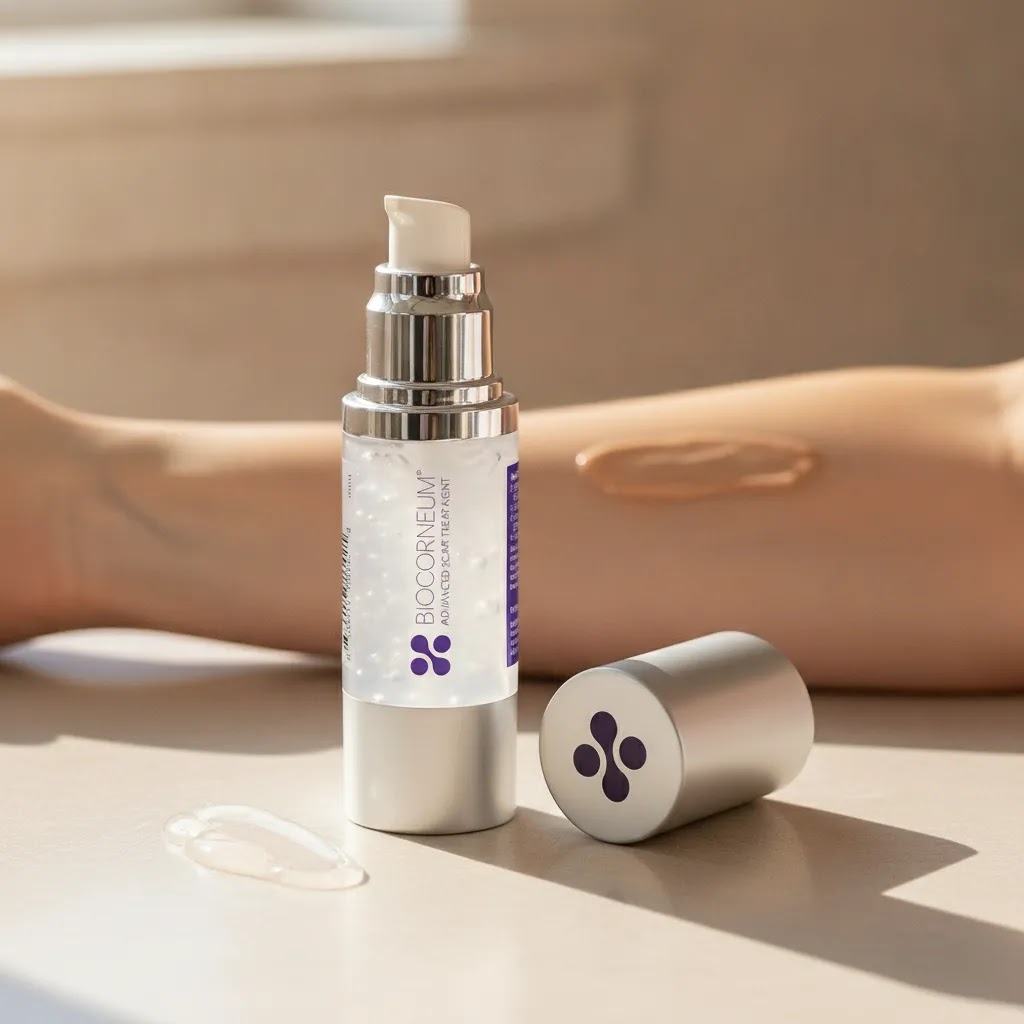
BIOCORNEUM SiliSilk Advanced Scar Gel, 30g is a scar care product designed around clear, fast-drying silicone gel with an ultra-smooth, silky finish. For readers exploring cosmetic concealment, that finish is the most relevant feature. A smoother, more even-feeling scar surface may be easier to work with when applying corrective makeup or light camouflage products, especially if standard concealer tends to catch on dry or shiny areas.
Priced at $84.95, the product sits in a more premium scar-care category rather than basic drugstore camouflage. That may be appropriate if you want a product that supports daily scar management while also fitting into a cosmetic routine. Because it is clear and fast-drying, it may appeal to people who prefer a less visible prep step under makeup.
This is best viewed as part of a layered strategy, not a permanent cover-up. It may help optimize the skin surface and support ongoing scar care, but most people with noticeable scars will still need tint, concealer, or body makeup if their main goal is immediate visual concealment. Readers interested in more context around the line can review Introducing SiliSilk™: Everyday Silicone Scar Care, Simplified, Biocorneum Scar Gel: SPF 30, Results, and Comparisons, and BIOCORNEUM® SiliSilk™ Wins NewBeauty Award for Best Scar Gel.
How to Cover Up Scars With Silicone Gel Support
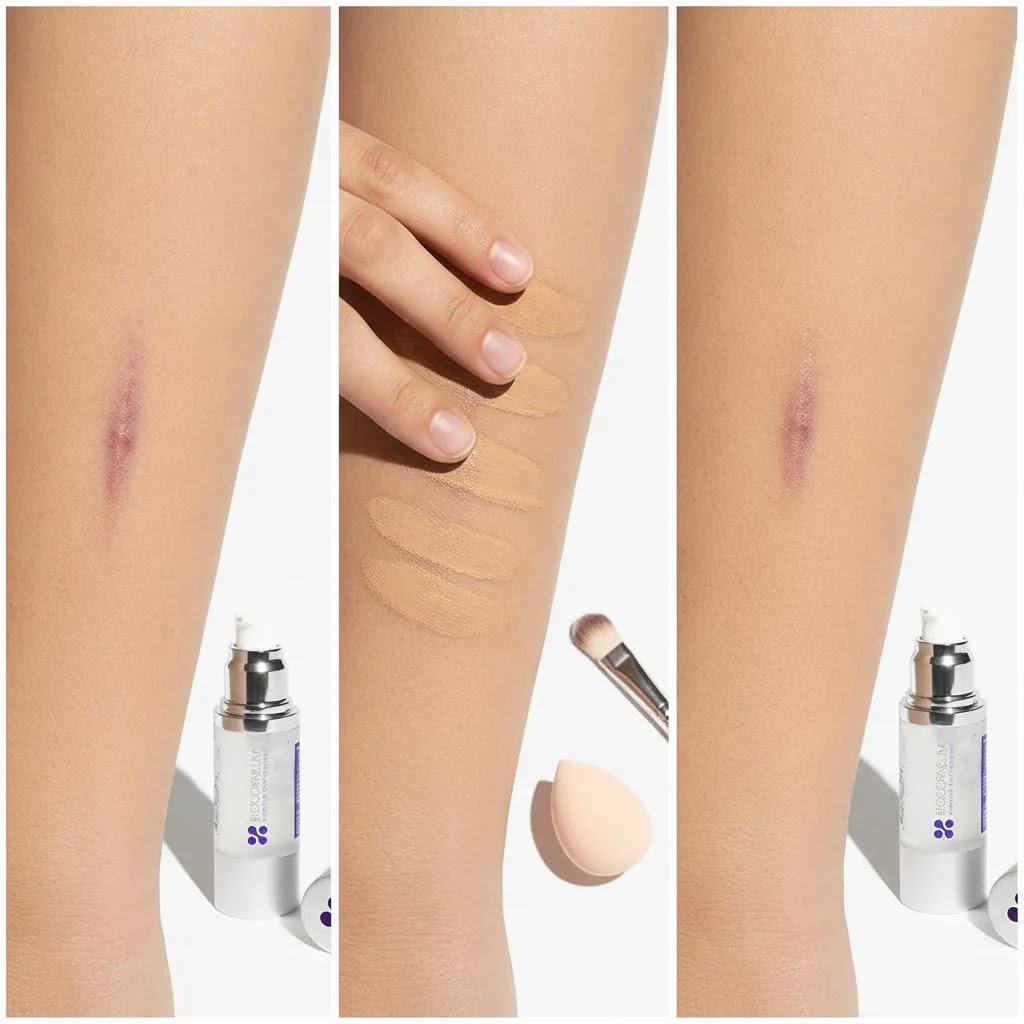
Many over-the-counter scar products look similar on the shelf, but they are not all supported by the same level of clinical evidence. Silicone gel and silicone sheets are often discussed in dermatology and surgical aftercare settings because silicone can create a protective layer that helps maintain hydration and reduce friction on the scar surface. Over time, that may support a flatter, softer-feeling scar in some individuals, although results vary and it is not a guarantee.
Other common topical categories include onion extract and ingredient blends that may contain humectants, botanical extracts, or soothing agents such as allantoin. These formulas may feel comfortable on skin and can support hydration, but they are not the same thing as silicone occlusion, and expectations should stay realistic. If your goal is make this scar disappear, no topical can promise that. Progress, when it happens, is usually measured over weeks to months rather than days.
| Approach | Main role stated in this article | What it may help with | Limits noted in this article |
|---|---|---|---|
| Color-correcting products | Short-term concealment | Reducing visible color contrast | Does not change raised or indented contour |
| Concealer or body makeup | Immediate cosmetic coverage | Camouflaging flat or mildly uneven scars | May not fully hide texture, sheen, or shadowing |
| Silicone-based scar care | Medium-term support | Smoother-feeling surface and more even makeup application | Not an instant cover-up and results vary |
| Medically supervised scar management | Longer-term improvement | New, symptomatic, raised, or changing scars | Not the same as same-day camouflage |
Why the first 8 to 12 weeks of scar habits can matter
What many patients overlook is that scar appearance often changes most noticeably during the early remodeling phase. In practice, this means simple behaviors can influence how coverable a scar looks later, even if you are also using makeup.
- Hydration and barrier support: A well-hydrated surface often looks less flaky and takes coverage more evenly.
- Friction reduction: Repeated rubbing from clothing or sports can keep a scar irritated, which can worsen redness and make makeup break down faster.
- Sun protection: UV exposure can deepen discoloration and make the color mismatch last longer, especially on newer marks. Many clinicians, including guidance echoed by organizations such as the American Academy of Dermatology, emphasize sun protection as a practical step for minimizing visible contrast over time.
How to use silicone gel in a routine that includes makeup
If you choose a silicone gel, consistency typically matters more than using a thick layer. Apply a very thin film to fully healed skin, let it dry down completely, then proceed with sunscreen and makeup if those are part of your routine. If the gel is still tacky, complexion products are more likely to pill, separate, or grab unevenly.
For broader product comparisons, you can also review Biodermis Silicone Scar Sheets. Safety matters too. Do not apply silicone gel over open skin, oozing areas, or active irritation unless a qualified clinician has advised you to do so. As with any topical product, there is also potential for irritation or sensitivity in some individuals, so it is reasonable to patch test and stop if you develop persistent redness, itching, or discomfort. For additional scar care guidance, see the American Academy of Dermatology advice on minimizing scars and the MedlinePlus wound care guidance.
Pros and Considerations for How to Cover Up Scars
Benefits
- Scar camouflage can offer immediate visual improvement without committing to a procedure.
- A layered approach, using prep plus cosmetic coverage, may look more natural than heavy concealer alone.
- Silicone-based scar care may help some scars feel smoother, which can improve makeup application.
- Cover-up techniques can be adapted to facial scars, body scars, post-surgical marks, and post-procedure discoloration.
- Many methods are flexible enough for occasional use, daily wear, photography, or special events.
- For readers not ready for in-office treatment, camouflage can be a practical first step while you assess longer-term options.
Considerations
- No cosmetic method permanently removes a scar, and “how to cover up scars permanently” usually requires reframing. Coverage is temporary, while scar treatments may gradually improve appearance over time.
- Raised, indented, or highly pigmented scars can remain visible even with skilled application because texture still reflects light.
- Some products may irritate sensitive or recently treated skin, especially if the barrier is not fully recovered.
- Thick camouflage makeup can transfer onto clothing or break apart on mobile areas such as joints or the chest.
- If a scar is painful, itchy, rapidly changing, or not healing normally, self-managing with cosmetics alone is not enough. A qualified clinician should assess it.
Who This How to Cover Up Scars Approach Is For
Scar cover-up is usually best for adults with fully healed scars who want a non-procedural way to reduce visibility in everyday life. It may suit people preparing for photos or events, those easing back into public-facing work after surgery, or anyone who prefers a cosmetic-first approach before exploring longer-term scar care.
It may be especially useful if your main concern is discoloration rather than severe textural change. If the scar is very raised, indented, or still evolving, makeup alone may not meet your expectations. In those cases, a professional evaluation can help you understand whether scar care products, procedural treatment, or a combined approach may be more appropriate.
How to Choose the Right Concealment Approach
Choosing the right method depends less on marketing claims and more on the actual behavior of your scar.
1. Look at color first
If the scar is flat but stands out because it is red, pink, brown, or pale, cosmetic correction may make the biggest difference. Shade adjustment is often more effective than piling on extra thickness.
2. Assess texture honestly
Indented and raised scars usually need realistic expectations. Makeup can soften appearance, but it cannot fully erase contour changes. In these cases, a smoothing prep step may be as important as the concealer itself.
3. Match the method to the body area
Face scars often need finer, more precise products. Body scars may need broader coverage, better transfer resistance, and formulas that tolerate movement. Chest and shoulder scars can be especially tricky because of friction, sweat, and natural skin shine.
4. Think about wear time and lifestyle
If you need all-day wear, your routine should be simple enough to repeat consistently. A camouflage routine that takes 30 minutes every morning may not be realistic for many people. Sometimes a moderate-coverage routine that you can maintain comfortably is the better choice.
5. Separate concealment from treatment
This is where many readers get frustrated. Cover-up products improve appearance temporarily. Scar care products may support the skin and help reduce visibility over time, but results are gradual and vary by individual. If your goal is structural change, not just camouflage, seek advice from a qualified professional rather than relying on cosmetics alone.
Nuance Medical approaches scar concerns in that practical middle ground. If you are unsure whether you need concealment, scar care, or a more advanced option, exploring the brand’s scar education resources can help you ask better questions and choose more confidently.
How to Cover Up Scars With Makeup: Pro-Level Techniques for Texture, Shine, and Transfer
Most scar camouflage problems are not caused by the concealer itself. They come from how scars interact with light, friction, and product buildup. A few technique adjustments can make coverage look more like skin, especially on body areas that move or rub against clothing.
How to cover up scars with less shine and sheen
Some scars develop a smoother, shinier surface than the surrounding skin. Even if you match the color perfectly, shine can give the scar away because it reflects light differently in photos and daylight.
- Use thinner layers: Heavy product can emphasize shine by creating a reflective film.
- Choose a finish intentionally: A soft-matte or natural finish often looks more even than a dewy finish directly over a shiny scar.
- Set strategically: Press a small amount of setting powder only where light reflection is strongest, then reassess. Too much powder can highlight texture and dryness.
Prevent caking on uneven texture
If a scar is raised or indented, product tends to collect at edges. Pressing coverage in thin layers usually looks smoother than rubbing or buffing, which can lift product and exaggerate unevenness.
- Work in micro-layers: Apply a small amount, let it settle for a moment, then add more only where needed.
- Use a pressing motion: A sponge or fingertip press often leaves less texture than sweeping with a brush.
- Keep skin comfort in mind: If the area feels tight or flaky, adjust prep. Irritated skin almost always makes coverage look worse.
Improve wear time on high-friction areas (chest, shoulders, joints)
Body scars are often harder to keep covered because clothing and movement cause transfer. In practice, this means you may need to prioritize a routine that sets well and stays flexible.
- Let layers dry between steps: Rushing is a common reason makeup transfers onto clothing.
- Use body makeup for larger areas: A product designed for broader coverage can look more even than stacking spot concealer over and over.
- Set, then test: After setting, lightly press a clean tissue over the area to check for transfer before getting dressed.
Shade matching beyond basic color correction
Color correction helps, but undertone matching is what keeps coverage from looking gray or patchy. If your concealer is too light or too cool, scars can look ashy in daylight. If it is too warm, it can look obvious against the surrounding skin.
A practical approach is to match the surrounding skin first, then correct only where needed. After application, check in at least two lighting situations: indoor and natural light. Scars and corrective pigments can shift depending on the light source.
Removal and barrier support
In a consultation setting, the advice is often simple: gentle removal helps keep the skin calm, which improves how makeup performs the next day. Avoid aggressive scrubbing on scar tissue, especially on the body where skin can be more reactive.
If you wear heavy coverage regularly, consider a gentle cleanse and a basic, non-irritating moisturizer afterward. Finally, if you develop persistent irritation, sensitivity, or changes in the scar, pause the camouflage routine and seek professional guidance.
Common Concerns and Misconceptions
A common misconception is that more makeup always means better coverage. In reality, thick layers can draw attention to dryness, shine, or uneven texture.
Another frequent concern is whether a scar can be covered permanently. Cosmetic camouflage is temporary by definition. Longer-term improvement may be possible with appropriate scar management, but no topical or makeup product should be assumed to erase a scar completely.
People also sometimes confuse scar concealment with numbing products. Topical anesthetics such as lidocaine or benzocaine are not cover-up products. They are used for numbing and should only be used according to label directions or clinician guidance. Overuse can be unsafe, and duration varies by formula and application area. If you are considering a numbing product around a scar or before a procedure, follow medical guidance rather than internet estimates.
Finally, newer scars are not always ready for camouflage right away. If the area is still sensitive, inflamed, or healing, pushing too quickly into makeup use can be uncomfortable and may interfere with recovery.
Frequently Asked Questions
How do you cover up scars so they look natural?
The most natural-looking scar coverage usually comes from thin, layered application rather than one heavy product. Start by addressing texture and color, then build concealer gradually. Natural results may also depend on lighting, skin prep, and whether the scar is flat or raised.
Can makeup completely hide a scar?
Makeup can sometimes hide a scar very well, but it does not always make it invisible. Flat scars with mild discoloration are usually easier to camouflage than raised or indented scars. Texture often remains the hardest feature to disguise because it changes how light reflects off the skin.
How to cover up scars permanently, is that possible?
Permanently covering a scar with cosmetics is not possible because camouflage products are temporary. Longer-term scar improvement may happen with scar care or procedural treatment, but outcomes vary. A qualified practitioner can help you understand whether your scar may respond to treatment beyond cosmetic coverage.
What is medical camouflage for scars?
Medical camouflage refers to cosmetic techniques and products used to reduce the visible contrast of scars and other skin changes. It often involves more durable or corrective coverage than everyday makeup. Many people use it after surgery, injury, or aesthetic procedures once the skin has fully healed.
Is silicone scar gel the same as scar concealer?
No, silicone scar gel and scar concealer are not the same thing. Silicone gel is generally used as scar care, while concealer provides immediate visible coverage. Some people use both, especially if they want a smoother-feeling base and temporary camouflage in the same routine.
Can I put makeup on a fresh scar?
Makeup should not be applied to a fresh, open, or actively healing wound unless a qualified clinician specifically advises it. The skin barrier needs to be closed and stable first. If you are unsure, wait and ask for professional guidance, especially after surgery or a cosmetic procedure.
What type of scars are hardest to cover?
Raised, indented, shiny, or strongly pigmented scars are often the most difficult to disguise. These features can remain visible even with good shade matching because they affect texture and light reflection. A combined approach may work better than makeup alone in many of these cases.
Does scar cover-up work on body scars as well as facial scars?
Scar cover-up can work on both, but body scars may need different products and techniques. Skin on the chest, shoulders, arms, and legs often deals with more friction, movement, and transfer. That can make wear time and finish just as important as color match.
How can I make my scars less noticeable?
You can often make scars less noticeable by reducing color contrast and improving how smoothly makeup sits on the area. Consistent sun protection, gentle scar care, and a thin, layered camouflage routine can help in many cases, but results vary by scar type and how new it is. A qualified clinician can assess whether additional options make sense for your specific scar.
How to fill in deep scars?
Deep, indented scars are difficult to fill in with makeup because the indentation creates a shadow that pigment cannot fully remove. Camouflage can soften the contrast using thin layers and careful blending, but the contour may still show in certain lighting. If the indentation is a major concern, a professional evaluation can help you understand treatment options beyond cosmetics.
How to cover a scar using makeup?
To cover a scar using makeup, start with clean, fully healed skin, prep the surface, then use color correction if needed and apply concealer in thin pressed layers. Set lightly to improve wear without emphasizing texture, then check your result in natural light. If the scar is shiny or raised, managing reflection and keeping layers thin often looks more natural than heavy coverage.
Does Vaseline help hide scars?
Vaseline can reduce dryness and add shine, which may make some scars feel more comfortable, but it does not provide true camouflage. Because it is occlusive and slippery, it can also make makeup slide or break down faster. If your goal is cover-up, a routine that supports a smooth surface and helps products adhere typically performs better.
Key Takeaways
- Scar cover-up works best when you address both color and texture, not color alone.
- Cosmetic camouflage is temporary, while scar care may support gradual improvement over time.
- Silicone-based products such as BIOCORNEUM SiliSilk Advanced Scar Gel, 30g may help create a smoother base for makeup application.
- Raised or indented scars often need realistic expectations because texture can remain visible.
- Recently healed, painful, or changing scars should be assessed professionally rather than managed with cosmetics alone.
Conclusion
If you are researching how to cover up scars, the most effective approach is usually not a single product but a thoughtful combination of skin prep, color correction, and realistic expectations.
For some people, makeup alone is enough. For others, a scar care product that supports a smoother surface can make camouflage easier and more comfortable day to day. What matters most is matching the method to the type of scar you have, how visible it feels to you, and whether your goal is same-day concealment, longer-term improvement, or both.
Nuance Medical’s educational resources are designed to help you explore those options clearly and without pressure. If you want to better understand your scar care choices, explore the brand’s scar treatment content and use that information to guide a more personalized next step.
Medical Disclaimer: The information provided in this article is intended for general informational and educational purposes only. It does not constitute medical advice and should not be used as a substitute for a professional consultation with a qualified aesthetic practitioner or healthcare provider. Individual results from aesthetic treatments vary. Always seek the advice of a qualified medical professional before undergoing any cosmetic procedure.