What Biodermis Silicone Scar Sheets Are
Biodermis offers several silicone-based scar care formats, including sheeting, sticks, and gel. In scar management, clinicians often use silicone to support a more hydrated scar environment. That support may improve the look of hypertrophic or raised scars over time. Results vary by person, scar type, location, and consistency of use.
The biodermis silicone scar sheets range is especially relevant if you want full surface coverage over a healing scar area. Compared with gels or sticks, sheets may work better for broader scars, wraparound areas, or scars that benefit from a more continuous contact layer. Biodermis also offers alternatives for smaller scars or exposed areas. As a result, you have more flexibility if a sheet feels impractical for daily use.
If you are specifically comparing sheet formats, this related overview of biodermis scar sheets may be useful. For a narrower look at strip-style options, see biodermis epi-derm c-strip silicone.
How Biodermis Silicone Scar Sheets Work (and Why Timing Matters)
Most discussions about biodermis silicone scar sheets return to one core idea. Silicone forms a soft, occlusive layer over the scar surface. That layer can reduce transepidermal water loss, or the moisture that naturally leaves the skin. In practice, silicone may help maintain a stable, hydrated environment. That support can help scars remodel in a more organized way over time.
Silicone does not erase a scar. However, hydration and barrier support help explain why clinicians use silicone so often in scar care.
Why timing matters for silicone scar sheets
Timing matters because scars change the most during the earlier remodeling window. Scar formation does not end when the skin looks closed. During active healing, the body lays down and reorganizes collagen. This is often when raised texture and firmness change the most.
Later, scars usually become more mature and less changeable. Silicone may still be worth discussing for older scars. Even so, visible improvement tends to be less predictable, so realistic expectations matter.
Which scar types biodermis silicone scar sheets may suit
Researchers most often discuss silicone scar sheets for scars that are raised or likely to become raised. They discuss them less often for scars where color is the only concern. The scar types most commonly associated with silicone sheeting include:
- Hypertrophic scars, meaning raised scars that stay within the original wound edges.
- Keloid-prone scars, meaning scars that may grow beyond the original wound edges in people with a tendency to form them.
- Post-surgical scars, especially where there is tension across the incision or a history of raised scarring.
- Burn scars, where texture and thickening can be part of the long-term healing picture.
On the other hand, silicone sheets often do less for concerns that are mainly pigment-related, such as discoloration without raised texture. They may also do less for very old, flat scars that have already stabilized. Silicone may still support comfort and the skin barrier. Still, it may not drive the main change in those cases. A qualified clinician can help you decide whether silicone sheeting is a reasonable first step for your scar type and stage. For general scar guidance, the American Academy of Dermatology offers a useful overview.
Biodermis Silicone Scar Sheets and Product Catalog
This article centers on biodermis silicone scar sheets, but readers often compare the full Biodermis scar care lineup before deciding. Each product below has a different use case based on scar size, location, and convenience needs.
| Product | Format | Best fit based on this article |
|---|---|---|
| BIOCORNEUM SiliSilk Advanced Scar Gel, 30g | Gel | Visible areas, makeup or sunscreen routines, and people who prefer gel over sheeting |
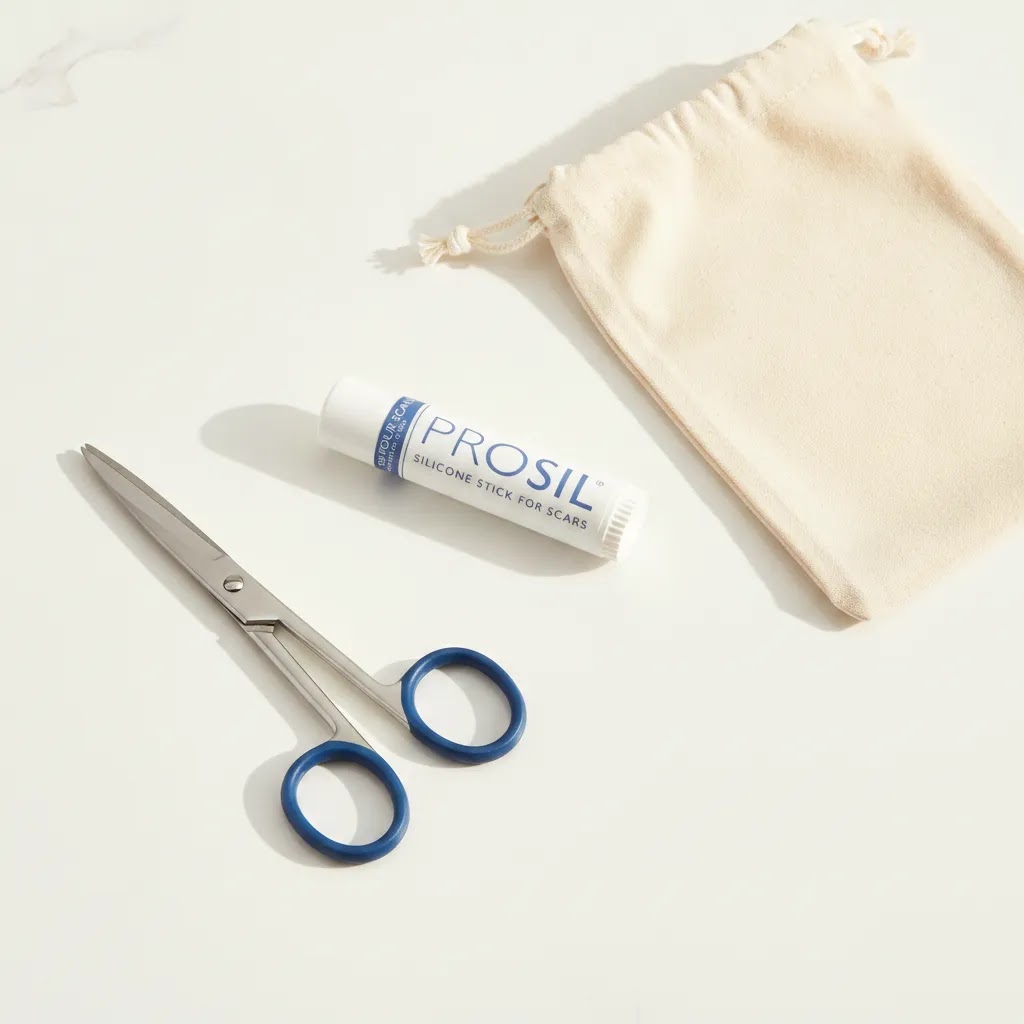
| Pro-Sil Elite Carry™ | Stick | Portable use, travel, sports bags, or midday reapplication |
| Pro-Sil | Stick | Small or awkwardly placed scars where a sheet may not stay put comfortably |
| Epi-Derm Small Strips (3) | Strip | Small scars and less waste than cutting down a larger sheet |
| Epi-derm Standard Sheet | Sheet | Broad, adaptable coverage for medium to large or irregular scars |
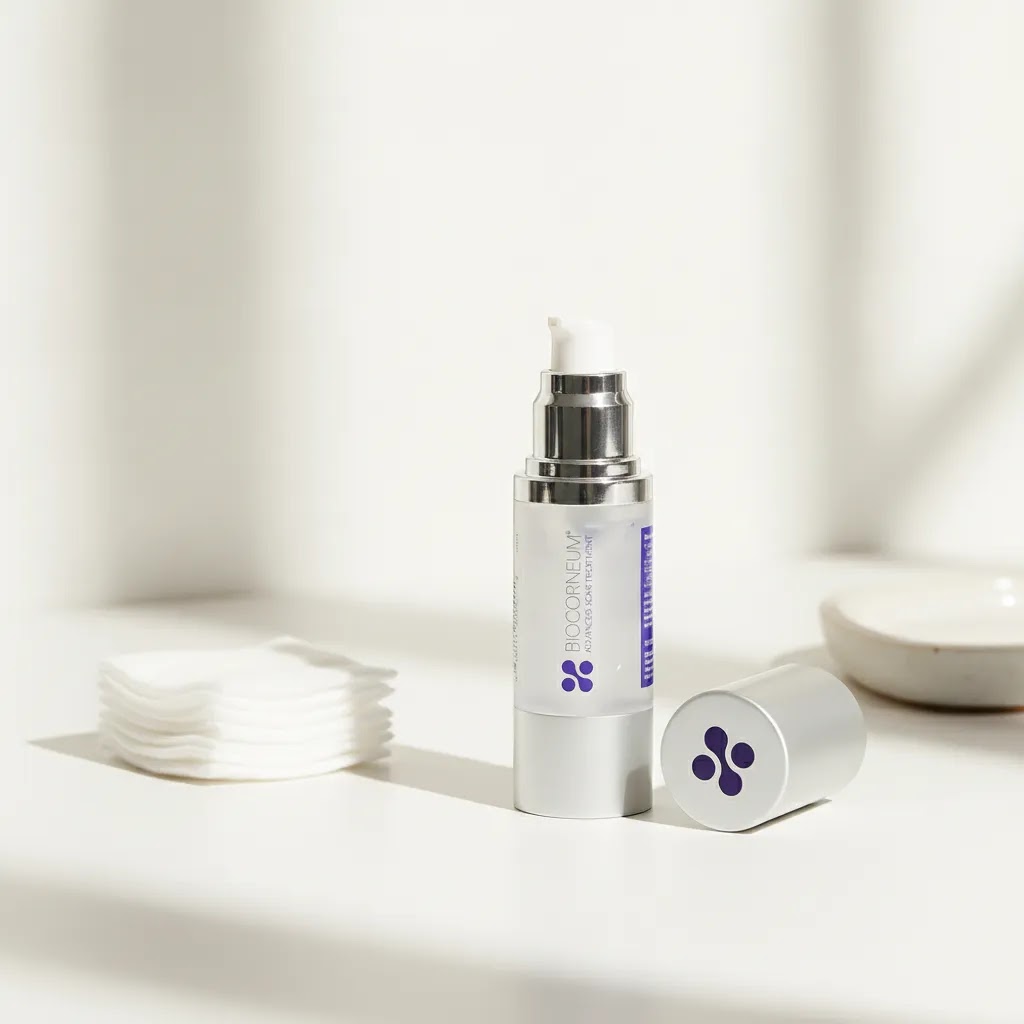
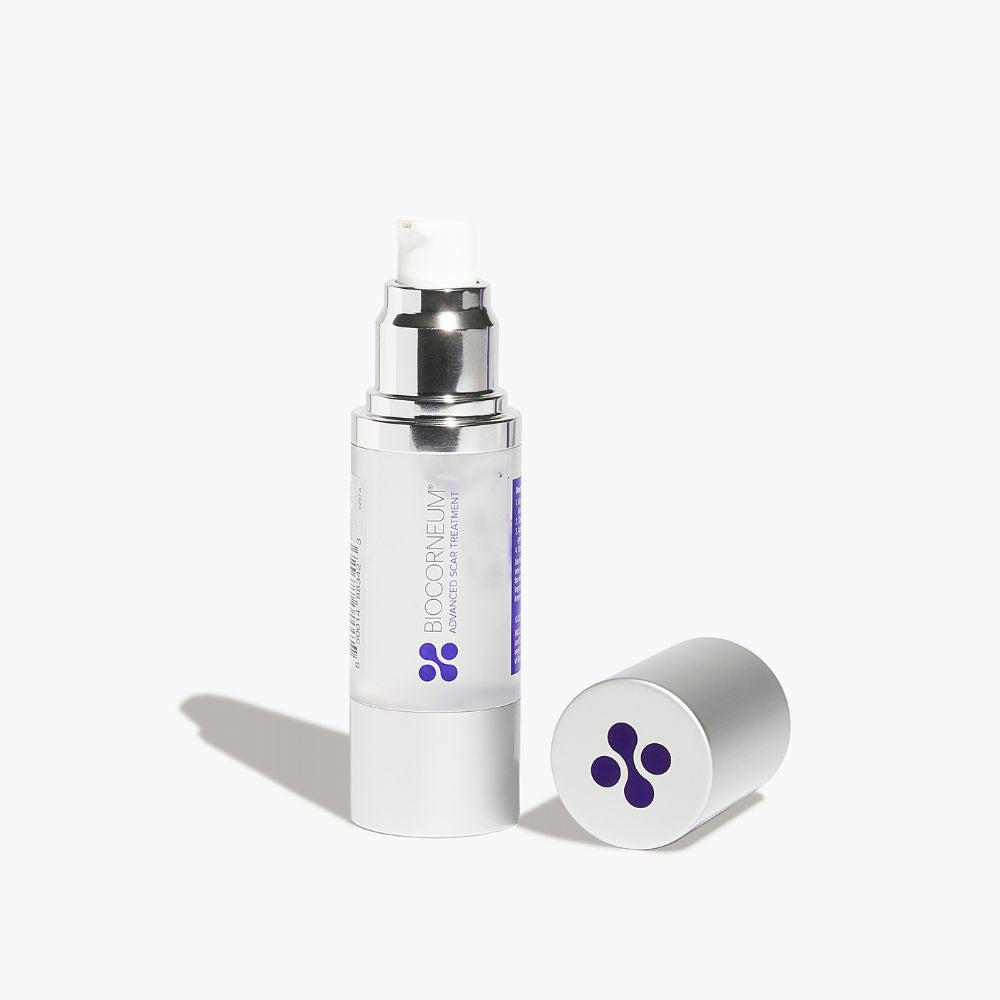
BIOCORNEUM SiliSilk Advanced Scar Gel, 30g
Price: $84.95
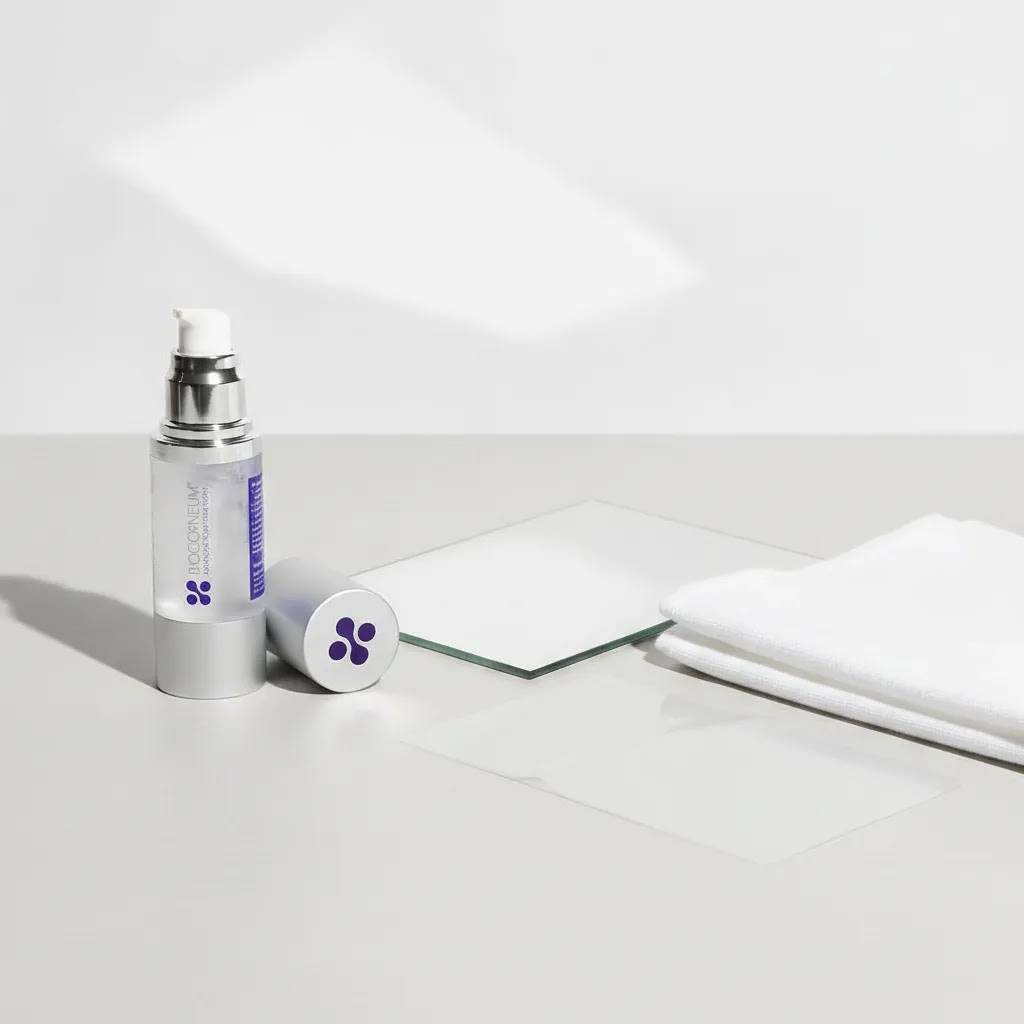
This is a clear, fast-drying silicone scar gel with an SPF-free formula. The product page says it delivers professional-grade silicone scar care with an ultra-smooth finish. You can wear it under sunscreen, makeup, or on its own.
It fits this topic because some scars are easier to manage with gel than with sheeting. This is especially true when the area is visible or part of an existing skincare routine. If you want more detail, see Biocorneum Scar Gel: SPF 30, Results, and Comparisons.
Pro-Sil Elite Carry™
Price: $46.95
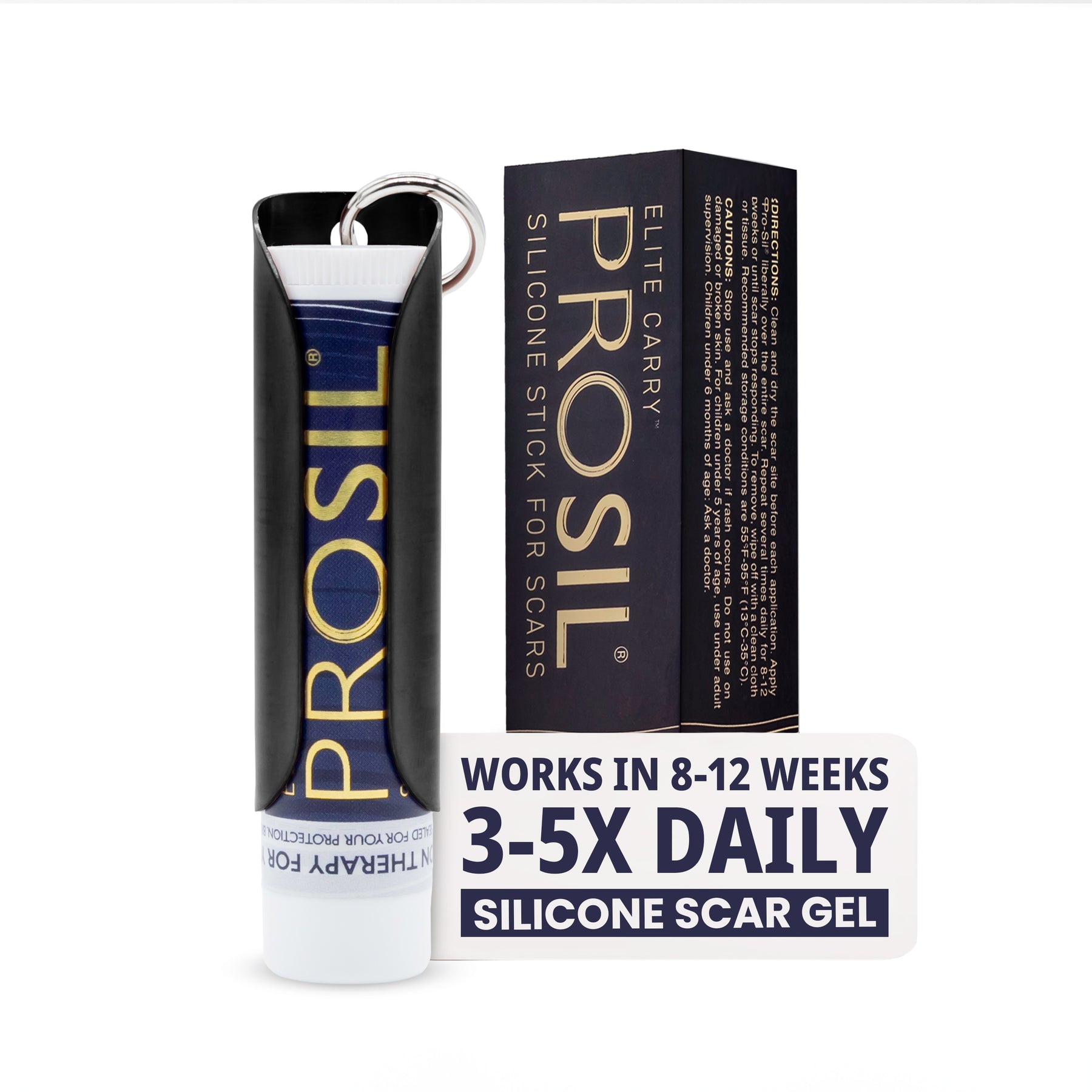
This compact silicone scar treatment stick supports on-the-go application and comes with a twist-and-protect keychain case. The product information describes it as easy to apply and suitable for use on any part of the body. It also recommends repeated application for 8 to 12 weeks or until the scar stops responding.
It belongs in the comparison because some people want portability instead of a reusable sheet. That can matter for travel, sports bags, or midday reapplication.
Pro-Sil
Price: $36.95–$76.95
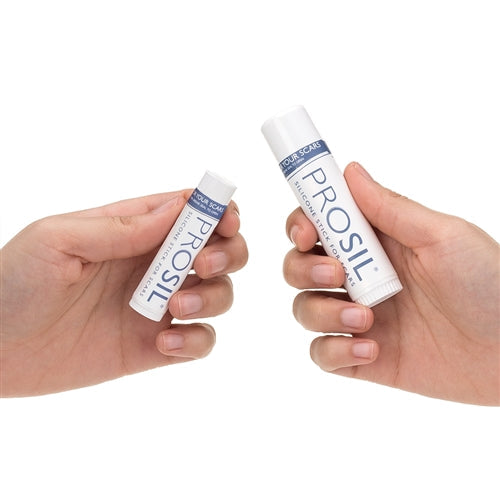
Pro-Sil is a silicone scar stick offered in 4.25 gram and 17 gram sizes. The product page emphasizes a glide-on applicator and describes it as a convenient option for repeated scar therapy without drips or leaks.
For this topic, Pro-Sil is the main non-sheet alternative within the same brand family. It may work better for small or awkwardly placed scars where a sheet does not stay put comfortably.
Biodermis Silicone Scar Sheets: Epi-Derm Small Strips (3)
Price: $14.99–$28.95
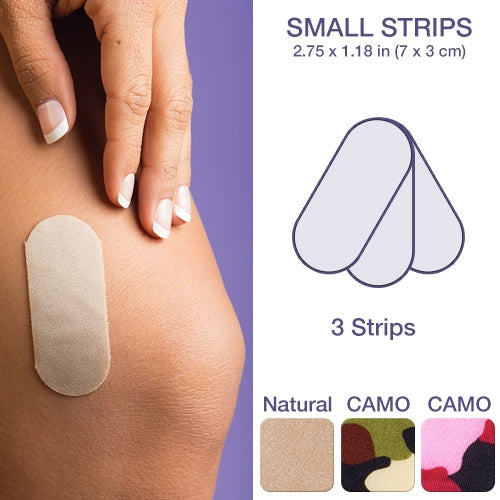
These fabric-backed silicone strips are intended for small scars, including trauma, burns, basal and squamous cell removal, and mole removal. They are available in Natural, Pink CAMO, or Green CAMO.
Within the biodermis silicone scar sheets catalog, this is the most direct choice for small treatment areas. It may also reduce waste compared with cutting down a larger sheet for every small scar.
Biodermis Silicone Scar Sheets: Epi-derm Standard Sheet
Price: $58.95
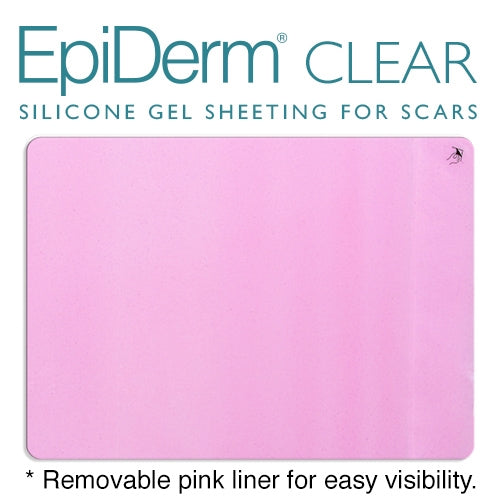
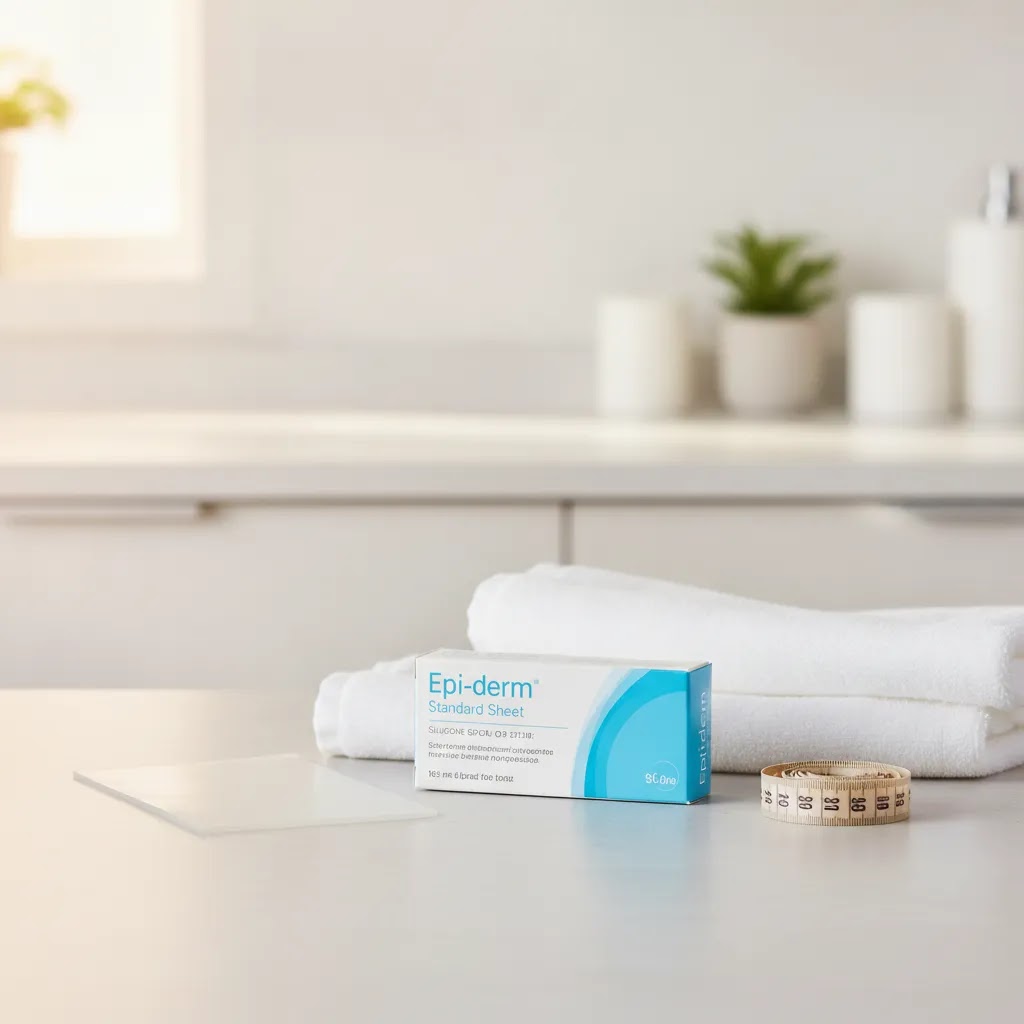
This standard silicone gel sheet is available in Clear or Natural. The product page says it provides a healing environment that may help burn scar reduction therapy and medium to large keloid and hypertrophic scars from surgery or trauma. It can wrap around a limb, cover medium scar areas on the torso, and be trimmed for custom fitment.
This is the core sheet option for readers who want broad, adaptable coverage. It is the most relevant product here if your focus is true biodermis silicone scar sheets rather than gel or stick application.
Biodermis Silicone Scar Sheets Sizing and Reuse Guidance
The biodermis silicone scar sheets catalog is easier to navigate when you start with scar size and location, not product names.
For small scars, Epi-Derm Small Strips (3) are the most direct fit. The product page specifically describes them as ideal for managing small scars. That can include post-procedure spots, smaller trauma scars, or mole removal sites.
For medium to larger scars, the Epi-derm Standard Sheet is the more flexible option. Its trim-to-fit design matters when a scar is longer, wider, or irregularly shaped. In addition, the product information notes that it can wrap around a limb or cover medium scar areas on the torso.
For exposed or awkward areas, a silicone stick or gel may be easier to use than a full sheet. That is one reason many people compare sheeting with Pro-Sil or BIOCORNEUM SiliSilk instead of assuming one format is always best.
Reuse guidance needs a careful answer. The product information provided here does not specify a detailed reuse schedule, washing protocol, or exact number of wears for Epi-Derm sheets. Because of that, it is best not to guess. Instead, follow the manufacturer instructions supplied with the product and ask a qualified clinician which replacement schedule fits your scar location, skin sensitivity, and daily activity level.
For the silicone stick formats, the instructions are more specific. Both Pro-Sil Elite Carry™ and Pro-Sil direct users to apply the product several times daily for 8 to 12 weeks or until the scar stops responding. That does not translate into a sheet reuse schedule. However, it does help set expectations that scar care usually requires steady use over weeks rather than days.
Practical Use, Wear Time, and Care Tips
Many patients overlook one simple point: silicone sheets are a daily habit, not just a one-time purchase. If you are unsure how to turn package directions into real life, these general principles can help. However, manufacturer instructions should always come first, especially after surgery.
Wear time goals and what “consistent” usually means
Most silicone sheeting regimens aim for many hours of wear per day over a period of weeks. That does not mean you need maximum wear time on day one. If your skin is sensitive, ease in gradually. In practice, consistency usually matters more than perfection. A sheet you can wear comfortably most days is often better than an aggressive plan you stop after a week.
Adherence basics: clean, dry, low-friction
Silicone sheets usually adhere best on clean, fully dry skin. Lotion, oils, sunscreen residue, or sweat can reduce contact. Friction matters too. Areas under bra lines, waistbands, athletic gear, or straps can cause edges to lift or curl. If a scar sits on a high-movement zone like a joint, the sheet may need more attention to fit and may be harder to keep flat during the day.
Care and hygiene, without guessing a brand-specific protocol
Because this guide does not include a Biodermis-specific washing schedule for sheets, it is best to keep care guidance general. Keep silicone sheets clean and dry to help reduce irritation and maintain contact. If a sheet no longer adheres well, shows visible wear, or causes ongoing irritation, it may be time to replace it and check in with a clinician.
Also remember that more occlusion is not always better if your skin is reacting. If you develop persistent redness, itching, or a rash, stop use and seek advice before restarting.
Troubleshooting common problems
- Curling edges: This often comes down to friction, moisture, or a sheet that is not well-contoured to the area. Trimming to a shape that mirrors the scar zone, within manufacturer guidance, may improve comfort and contact.
- Itching or irritation: Mild sensitivity can happen with any occlusive product. If irritation increases, pause and speak with a qualified healthcare professional. You should not “push through” significant skin reactions.
- Use under clothing: Sheets can be more comfortable when clothing is smooth and not overly tight across the area. Compression or constant rubbing can shift the sheet and reduce wear time.
- Use on limbs or joints: Movement can shorten wear time, even with a wraparound sheet. If the scar crosses a hinge point like an elbow or knee, a gel or stick format may be more practical for daytime, with sheeting reserved for lower-motion hours.
Sun exposure and scar color changes
Sun exposure is a major factor in scar discoloration, especially in the first months. Silicone sheets may cover the area, but they should not be your only sun strategy. If the scar is exposed, sunscreen and physical coverage still matter. For broader advice on scar care and sun protection, the American Academy of Dermatology is a reliable source.
Pros and Considerations
Benefits
- Silicone scar care is widely used in post-surgical and post-injury scar management because it may help support a more hydrated scar environment.
- The Biodermis range offers multiple formats, including sheets, strips, sticks, and gel, so care can be matched to scar size and location.
- Epi-Derm Small Strips (3) may be practical for small scars and can help avoid cutting down larger sheets for every use.
- Epi-derm Standard Sheet can be trimmed for custom fitment, which is useful for medium to large scars or irregular shapes.
- Gel and stick alternatives may suit exposed areas or people who prefer a lower-profile routine under sunscreen or makeup.
- Several products include clear use-case descriptions, which can make self-education easier before you speak with a professional.
Considerations
- Results vary, and no silicone product can guarantee a scar will flatten, fade, or respond in a specific way.
- The sheet product details provided here do not specify exact reuse lifespan or cleaning frequency, so individualized guidance is still important.
- Not every scar is a good self-treatment project. Timing after surgery, wound closure status, infection risk, and skin sensitivity all matter.
- Raised, keloid-prone, burn-related, or post-procedure scars may benefit from professional assessment before starting any scar regimen.
Silicone Sheets vs Onion Extract Gels (and Other OTC Scar Products)
Over-the-counter scar products prompt a common question: how do silicone sheets compare with onion extract or allantoin-based gels? These products may target similar goals, but they do not work in the same way.
Silicone sheets and gels focus on creating a protective, hydrating layer over the scar surface. That can support more favorable remodeling for raised scars over time. As a result, many clinicians view silicone as a first-line topical option for hypertrophic scars and for people who are prone to raised scarring, assuming the wound is closed and the timing is right.
Onion extract and similar gel formulas are usually positioned around softening and improving scar appearance through botanical and skin-conditioning ingredients, sometimes paired with massage. Some people like these products. However, the clinical consensus tends to be more consistent for silicone as a first choice in raised scar management. If you are comparing options, think less about marketing language and more about what you will realistically use day after day. If you want to compare other common over-the-counter options, see Mederma vs Scaraway.
Practical decision factors that matter more than most people expect
- Irritation potential: Any topical can cause sensitivity. Occlusive silicone can feel warm or itchy on some skin types, while botanical gels can sting or irritate if the skin barrier is reactive. If you have a history of sensitivity, a cautious trial and professional input can help.
- Routine requirements: Some gels are paired with massage instructions and multiple applications per day. Silicone sheets generally aim for extended wear time. The best product is often the one that fits your lifestyle for 8 to 12+ weeks.
- Visibility and compliance: Sheets can be more noticeable, especially on the face, neck, or chest. Gels and sticks may be easier under sunscreen or makeup. On the other hand, some people prefer the simplicity of placing a sheet and not thinking about reapplication.
What to look for on labels, in plain English
If you want a quick checklist for silicone sheet shopping, these are common points to evaluate:
- Material clarity: Look for “medical-grade silicone” language and clear material descriptions, rather than vague claims.
- Wear-time expectations: Good instructions should make it clear how long the product is intended to be worn per day and for how many weeks.
- Skin sensitivity guidance: Look for information on how to start if you are prone to irritation, and what to do if a reaction occurs.
- Fit and flexibility: Trim-to-fit options can be helpful for irregular scars, while pre-sized strips can reduce waste for small areas.
It is rarely about finding one perfect product. Instead, match the format to the scar location and to your ability to use it consistently. If you are unsure which approach fits your scar type, a qualified clinician can help you choose a plan that is realistic and safe for your stage of healing.
Who Biodermis Silicone Scar Sheets May Suit
biodermis silicone scar sheets may suit adults who want medical-grade scar care after surgery, injury, burn healing, or minor skin procedures, especially if the wound is closed. They can be a good fit for people who want a non-invasive option to support scar appearance over time. The sheet formats often appeal most to people who value coverage and a more structured application method.
They may be less straightforward if your scar sits on a high-movement area, if your skin reacts strongly to adhesives or occlusive products, or if you are unsure when to start treatment after surgery. In those cases, professional guidance is the safest next step. A clinician can help you decide whether sheeting, gel, a stick, or a different approach makes more sense. If your scar is burn-related, you may also find what do burn scars look like helpful for context.
Nuance Medical Perspective
Nuance Medical takes an educational approach because scar care decisions are rarely one-size-fits-all. The right format depends on scar maturity, location, visibility, and how realistic the product will be for your daily routine. For some people, a trim-to-fit sheet is the best choice. For others, a gel or stick may be easier to use consistently. That practical fit can matter just as much as the product type itself.
If you are building a scar care plan after a cosmetic or medical procedure, Nuance Medical can help you explore product options within its B2B Medical Supply and educational resources with a clinically grounded, low-pressure lens. You can also review related updates like Introducing SiliSilk™: Everyday Silicone Scar Care, Simplified and Epi-Derm Named Best Overall by InStyle. Ultimately, if you want personalized guidance on product selection and scar care timing, a qualified healthcare professional remains the best resource.
How to Choose the Right Format
Choosing between biodermis silicone scar sheets and other silicone formats usually comes down to 5 questions.
1. How large is the scar area?
Small scars often fit better with a pre-sized strip. Larger or irregular scars may be easier to cover with a standard sheet that can be trimmed. If you keep cutting a large sheet into many tiny pieces, a smaller strip format may be more efficient.
2. Is the area flat, curved, or high movement?
Sheets can work well on many surfaces, but body contours matter. A scar across a joint, on a limb, or near frequent friction points may need a different format than a flat torso scar. The Epi-derm Standard Sheet is specifically described as able to wrap around a limb, which may help in those scenarios.
3. Do you want coverage or convenience?
Some people prefer the reassurance of a sheet over the scar. Others know they are more likely to stay consistent with a stick or gel because it is simpler during work, exercise, or travel. Consistency often plays a major practical role in long-term scar care.
4. Is the scar in a visible area?
For the face, neck, or other exposed areas, appearance during wear may matter. A clear or low-residue option may feel easier to integrate into daytime life. If makeup compatibility is important, BIOCORNEUM SiliSilk may be worth considering alongside sheet products. You can also read BIOCORNEUM® SiliSilk™ Wins NewBeauty Award for Best Scar Gel for more context on that option.
5. Are you sure the scar is ready for treatment?
This is one of the most common and most important questions. Silicone products are generally considered only after the wound has appropriately closed, but the exact timing varies. Surgical technique, skin healing rate, wound tension, infection history, and scar type all matter. If you are asking when to start scar treatment after surgery, your operating physician or treating clinician should guide that timing rather than trial and error at home. If you also want a broader timeline discussion, read how long does it take for scars to fade.
Frequently Asked Questions
How does silicone scar gel work compared with silicone sheets?
Both formats aim to place silicone over the scar surface, which may help support hydration and a healthier healing environment. Sheets provide a physical covering layer, while gels and sticks are applied directly and dry or remain as a thin coating depending on the formula. The better option often depends on scar size, location, and which format you can use consistently.
Are silicone sheets for scars better than silicone based scar gel?
Not always. Sheets may be preferable for medium to large scars or areas where continuous coverage feels practical. Gels and sticks may suit smaller, visible, or difficult-to-cover areas. “Better” depends on fit, tolerance, and whether the application method matches your routine. A product that you can use regularly may be more helpful than one that feels ideal in theory but hard to maintain.
Can Biodermis silicone scar sheets be reused?
The product details available here do not specify an exact reuse schedule or cleaning protocol for the sheet formats. That means the safest approach is to follow the instructions packaged with the product and ask a clinician if you are unsure. Reuse may depend on how well the sheet maintains contact, how clean the area stays, and whether your skin becomes irritated.
What size Biodermis sheet should I choose?
Choose based on scar dimensions and shape. Epi-Derm Small Strips (3) are intended for small scars. Epi-derm Standard Sheet is described for medium to large keloid and hypertrophic scars and can be trimmed for custom fitment. If your scar wraps around a limb or crosses a broad area, the standard sheet may offer more flexibility.
When should you start scar treatment after surgery?
The timing varies and should be confirmed by your treating clinician. In many cases, scar treatment begins only after the wound has appropriately closed and your surgeon or provider is satisfied with healing progress. Starting too early may irritate healing tissue or interfere with aftercare. If there is any uncertainty, it is better to ask than to guess.
Can silicone sheets help wrinkles?
Some people search for silicone scar sheets for wrinkles, but scar products are primarily intended for scar management rather than cosmetic wrinkle treatment. One product in this lineup, BIOCORNEUM SiliSilk, notes that it may help diminish the look of fine lines and wrinkles, but the central use case remains scar care. Expectations should stay realistic and product-specific.
Do silicone sheets for scars work on old scars?
They may still be worth discussing, but older scars often respond differently than newer scars. Scar age, thickness, color, and whether the scar is raised or flat can all influence the outcome. Many people see the strongest role for silicone during active remodeling phases, though that timeline differs from person to person. A professional assessment can set more realistic expectations.
Are there risks or side effects with silicone scar sheets?
Most issues are practical rather than severe, such as skin irritation, discomfort in high-friction areas, or reduced adherence if the skin is oily or mobile. People with sensitive skin may need a cautious trial. You should not apply silicone products to an open wound unless specifically directed by a qualified clinician. If irritation develops, stop use and seek advice.
How long do you need to use silicone scar treatment?
The stick products in this range recommend repeated use for 8 to 12 weeks or until the scar stops responding. Sheet timelines can also extend over weeks or longer, depending on the scar and clinical advice. Scar care usually requires patience. Visible change, if it occurs, tends to be gradual rather than immediate.
What is the best brand for silicone scar sheets?
There is rarely one “best” brand for everyone. The best choice is usually the one that you can wear consistently, that fits your scar location, and that your skin tolerates well. Look for clear labeling around medical-grade silicone, practical wear-time guidance, and a format that matches your scar size. If you are prone to raised scars or have a history of keloids, it is reasonable to ask a qualified clinician which product type they prefer for your situation.
Do silicone scar removal sheets work?
Silicone sheets may help improve the appearance of some scars over time, particularly hypertrophic or raised scars, by supporting hydration and a stable surface environment during remodeling. They do not “remove” scars in a literal sense, and results vary based on scar age, location, thickness, skin type, and consistency of use. A clinician can help you set realistic expectations for your specific scar.
What are Biodermis silicone scar sheets for face?
Face scars are often challenging because visibility, skin sensitivity, and daily skincare routines all matter. Biodermis offers sheet and strip formats that may be used for smaller areas, but whether a sheet is practical on the face depends on placement, adherence, and comfort. Many people also consider silicone gels for facial scars because they can be lower-profile under sunscreen or makeup. If you are treating a post-procedure facial scar, confirm timing and suitability with the clinician who performed the procedure.
What scar gel do plastic surgeons recommend?
Many plastic surgeons recommend silicone-based scar gels as a first-line topical option, assuming the incision is healed and the timing is appropriate. Recommendations can vary based on the procedure, the patient’s scar history, and skin sensitivity. If you are unsure whether a silicone gel, stick, or sheet is best for your scar, the most reliable guidance will come from your surgeon or a qualified healthcare professional who can assess your healing stage.
Key Takeaways
- Biodermis offers scar care in sheet, strip, stick, and gel formats, so the best option depends on scar size, location, and daily routine.
- Epi-Derm Small Strips (3) are geared toward small scars, while Epi-derm Standard Sheet is the main trim-to-fit sheet option for medium to large scars.
- Exact sheet reuse instructions are not specified in the product details provided here, so packaged directions and clinical advice matter.
- Silicone scar care may help improve scar appearance over time, but outcomes vary and consistent use is usually needed.
- If you are unsure when to start treatment after surgery or which format fits your scar, professional guidance is the safest next step.
Conclusion
biodermis silicone scar sheets are most useful when you choose them with real-world details in mind: scar size, location, visibility, and whether sheeting is something you can comfortably use day after day. For small scars, a strip format may be the cleanest fit. For larger or irregular scars, a standard sheet with trim-to-fit flexibility often makes more sense. Gel and stick options also have a place, especially on exposed or high-movement areas.
If you are exploring scar care after a procedure or injury, Nuance Medical offers a thoughtful starting point through its scar care education and product resources. Browse the scar category, compare the Biodermis range, and seek guidance from a qualified medical professional if you want help choosing the most appropriate option for your skin and healing stage.
Medical Disclaimer: The information provided in this article is intended for general informational and educational purposes only. It does not constitute medical advice and should not be used as a substitute for a professional consultation with a qualified aesthetic practitioner or healthcare provider. Individual results from aesthetic treatments vary. Always seek the advice of a qualified medical professional before undergoing any cosmetic procedure.