How to spell scarred correctly and what it means
To answer how to spell scarred, write scarred, spelled s-c-a-r-r-e-d. The word starts with the noun and verb “scar,” then adds the ending “-ed.” In standard English, that creates a doubled r before the ending.
In everyday use, scarred can describe skin or tissue that forms a scar after injury, surgery, acne, or another healing event. People also use the word figuratively. However, this article focuses on physical scarring and scar-related search terms.
If you are writing about appearance, recovery, or aftercare, you might use phrases like “scarred skin,” “a scarred area,” or “the incision site may look scarred as it matures.” Likewise, if you search online, the correct spelling usually improves the quality of your results.
How to spell scarred with the double-r rule
Here’s the key point: scarred has two r’s for a reason. The pattern is simple, and you can spot it in many everyday English words.
The base word is “scar.” When you add “-ed” to make it past tense or to describe something marked by a scar, you keep every letter from the base word. Then you add the ending. That gives you a doubled r: scar + red = scarred.
English often doubles a final consonant before “-ed” in certain patterns. For example, “tap” becomes “tapped,” and “plan” becomes “planned.” “Scar” works a little differently because it ends in “r.” Even so, the memory trick still helps: the finished word keeps a double r.
How to spell scarred in common search phrases
- Correct: scarred
- Correct: scarred skin
- Correct: scarred for life
- Common mistake: scared (a different word entirely)
- Common mistake: scared skin (usually intended to mean scarred skin)
Two quick memory aids for how to spell scarred
If voice search and autocorrect cause most of the trouble, these simple reminders can help.
- “Scar has an r already, and scarred adds another.”
- Think “scar” + “red.” When you combine them, you get scarred, with two r’s in the middle.
Why people misspell scarred
People misspell this word for simple reasons. First, the base word “scar” is short, so many people hesitate before doubling the final consonant and adding “-ed.” Second, autocorrect often changes what you typed into a more common word, especially “scared.”
Three common misspellings
- scared
- scareded or scarreded
- scared skin instead of scarred skin
The confusion makes sense because “scarred” and “scared” differ by only one letter. However, they mean very different things. One refers to scarring. The other refers to fear. If you want information about skin healing, that single letter matters.
People also mix up “scarred” and “scarring.” Scarred usually describes a result or condition. By comparison, scarring usually refers to the process or pattern of scar formation.
How to spell scarred to improve scar-related searches
If you search the wrong term, search engines may assume you want emotional content, grammar help, or unrelated product pages. That can feel frustrating when you are trying to understand early scar care after acne, surgery, or a cosmetic procedure.
Using the correct spelling helps narrow results toward scar education, recovery timelines, and topical care. It also makes it easier to find resources about how to prevent scarring and how to heal scars. Those are different questions from spelling, but they often appear in the same search journey.
At Nuance Medical, scar care education works best when the language stays precise. For example, a search for “scarred skin after surgery” signals a different need than “scared after surgery.” Therefore, accurate wording makes it easier to find medically relevant information instead of broad lifestyle content.
What “scarred skin” searches usually mean clinically
When people search “scarred skin,” they do not always describe the same thing. In real-world conversations, people often use “scarred” as a catch-all term for visible changes during healing. However, those changes may reflect very different phases of recovery.
One person may mean lingering redness. Another may mean raised or thickened texture. Someone else may mean darker pigmentation or a shiny, slightly tight-looking patch of skin. Those differences matter because scars evolve over time. As a result, what you see early on is not always what you will see months later.
A simple scar timeline, in plain English
Every person and every scar is different. Even so, clinicians often discuss scar maturation in phases.
- Early healing (first days to weeks): the skin is closing and stabilizing. Redness, sensitivity, and temporary texture changes can be part of this stage, depending on the cause and location.
- Active remodeling (often the first 8 to 12 weeks): the body continues reorganizing collagen and supporting tissue. This is one reason clinicians often emphasize early, consistent scar-support habits once the wound has closed, because the scar is still “active” and changing.
- Longer-term remodeling (months and sometimes longer): scars often soften, flatten, and fade gradually. Some concerns may improve on their own, while others can remain more noticeable without targeted care.
Many patients overlook how much timing affects expectations. If a mark is still new, the focus often stays on protection and healthy remodeling, not on immediate visual change.
When it is reasonable to seek professional input
It is reasonable to seek a professional evaluation if you notice persistent raised texture, ongoing irritation, a scar that seems to be thickening over time, or any healing pattern that does not feel typical for you. A qualified practitioner can assess your skin, your healing stage, and your history. Then they can explain what options may fit your situation. Ultimately, individualized guidance matters more than a one-size-fits-all timeline from search results.
Concrete scar care facts from this article
| Topic | Concrete fact already stated |
|---|---|
| Correct spelling | Scarred is spelled s-c-a-r-r-e-d with two r’s before the -ed ending. |
| Early healing | The article describes early healing as the first days to weeks. |
| Active remodeling | The article describes active remodeling as often the first 8 to 12 weeks. |
| Longer-term remodeling | The article describes longer-term remodeling as months and sometimes longer. |
How to spell scarred vs scared
These words sound similar in fast speech, which is why voice search can create a mess. If you use dictation on your phone, “scarred” may become “scared” unless the rest of the sentence provides enough context.
Use scarred when you mean visible or healed tissue change
Examples include “scarred skin,” “a scarred incision line,” or “the area looked scarred after acne healed.” In medical and aesthetic reading, this wording usually points toward tissue remodeling, scar maturity, and appearance over time.
Use scared when you mean afraid or anxious
Examples include “I felt scared before my treatment” or “many people are scared of pain after a procedure.” That is a real concern too. However, it describes an emotional experience, not a skin finding.
If you use voice-to-text, adding a fuller phrase often helps. For example, “How to treat a scarred area after surgery” is less likely to be misread than simply saying “scarred.”
How to spell scarred when searching for skin care help
Many readers are not trying to win a spelling bee. They are trying to ask a better health question. Once you learn how to spell scarred, the next step is choosing a phrase that matches what you really want to learn.
Try more specific search phrasing
- Identify the concern, such as acne, surgery, burn, injury, or procedure.
- Add the stage, such as new scar, raised scar, red mark, or mature scar.
- Add the goal, such as reduce appearance, support healing, or protect the area.
- Add the product type or treatment type only if relevant.
Examples include “scarred skin after acne,” “scarred incision healing timeline,” or “silicone care for a scarred area.” This kind of phrasing usually produces more useful educational results than simply typing “scarred.”
If you want deeper reading on acne-related concerns, see different types of acne scars or best acne scar treatment. If your search is really about topical scar care, the Scar Treatment & Skincare category may be a more direct place to start. Nuance Medical also publishes scar-related educational news, including Introducing SiliSilk™: Everyday Silicone Scar Care, Simplified, which explains one common format people look for after a wound has closed.
How to spell scarred and compare scar care formats
Once you move past spelling, many “scarred skin” searches turn into product comparisons. Most at-home scar care discussions fall into a few common categories, and it helps to understand what each one is generally used for.
Silicone-based scar care, gel vs sheets
Silicone is one of the most commonly recommended over-the-counter style approaches for supporting scar appearance once the skin has fully closed. Silicone scar products have been evaluated for decades and are widely discussed in dermatology and plastic surgery literature for helping support scar hydration and a more stable healing environment.
In practice, silicone comes in two main formats:
- Silicone sheets: flexible sheets worn over the scar for a set number of hours. People often like them for coverage and protection from friction, but wear time and placement can be challenging depending on body area, clothing, and daily routine.
- Silicone gels: a gel applied in a thin layer that dries on the skin. People often prefer gels for convenience and for areas where a sheet is hard to keep in place.
Many patients overlook one practical point: consistency usually matters more than novelty. The “best” format is often the one you will actually use as directed. In other words, real-world compliance, including daily wear time, friction reduction, and comfortable hydration, tends to drive results.
Onion extract and similar multi-ingredient scar gels
Another category you will see in scarred skin searches is onion extract and multi-ingredient gels, sometimes combined with ingredients like allantoin. People often choose these products for massage routines or because they are widely available. However, the evidence base is generally mixed compared with silicone. If you are considering this category, it is still worth reading directions closely and setting realistic expectations about timelines.
Sun exposure is a bigger factor than most people expect
UV exposure can make scar color changes more noticeable, especially in the early months when scars are still actively remodeling. Therefore, protecting a healing area from the sun, often with clothing coverage and appropriate sunscreen once the skin has closed, is a simple step that may help prevent a scar from darkening or staying red longer than expected. For general sun safety guidance, the American Academy of Dermatology provides practical education.
If your scar is related to a procedure, your clinician’s post-procedure instructions come first. Product choice and timing should follow guidance on when the skin is ready for topical use, because applying products too early, or using the wrong type of product on healing skin, can create avoidable irritation. For broader scar information, the U.S. National Library of Medicine MedlinePlus scar overview is another helpful reference.
Quick comparison of scar care formats mentioned here
| Format | What the article says | Practical note already mentioned |
|---|---|---|
| Silicone sheets | Flexible sheets worn over the scar for a set number of hours. | People often like them for coverage and protection from friction, but placement and wear time can be challenging. |
| Silicone gels | A gel applied in a thin layer that dries on the skin. | People often prefer gels for convenience and for areas where a sheet is hard to keep in place. |
| Onion extract and multi-ingredient gels | Products people often choose for massage routines or because they are widely available. | The article says the evidence base is generally mixed compared with silicone. |
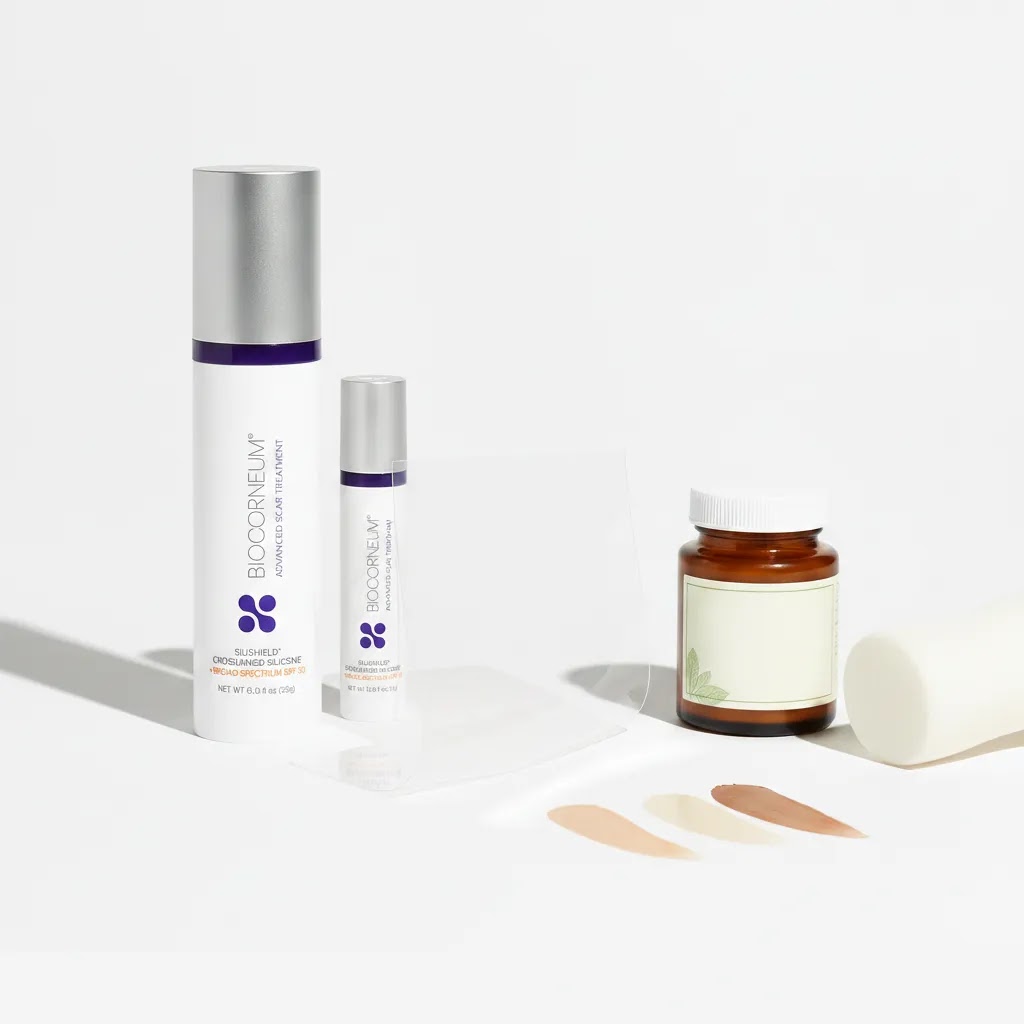
If you want product-specific comparisons, you can also review Biocorneum Scar Gel: SPF 30, Results, and Comparisons.
How to spell scarred when pain relief questions appear too
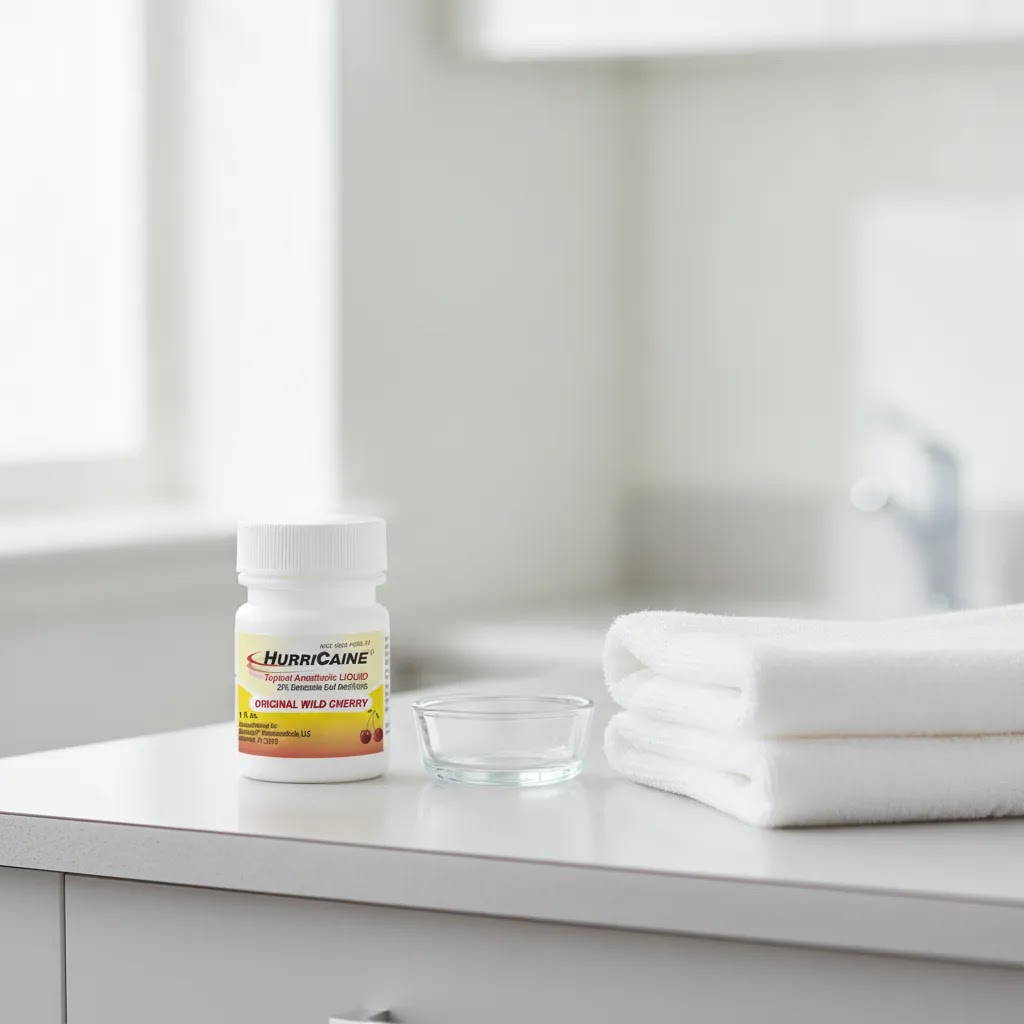
This is one of the stranger parts of online research. A person may start by searching how to spell scarred, then move into questions about pain, numbing, or treatment preparation. That often happens because scar care and procedure care overlap in the same recovery journey.
For example, someone researching a scar revision procedure, a minor skin treatment, or post-procedure discomfort may also look up how long topical anesthetic lasts, how fast topical lidocaine works, or how to use benzocaine spray. Those are separate topics from spelling, but they appear in the same search path because people often research everything at once.
What the product terms generally mean
Benzocaine and lidocaine are topical anesthetics. In other words, they are numbing agents placed on skin or mucous membrane to reduce temporary pain sensation. Their onset and duration can vary by formulation, strength, location of use, and whether they are intended for oral or skin use.
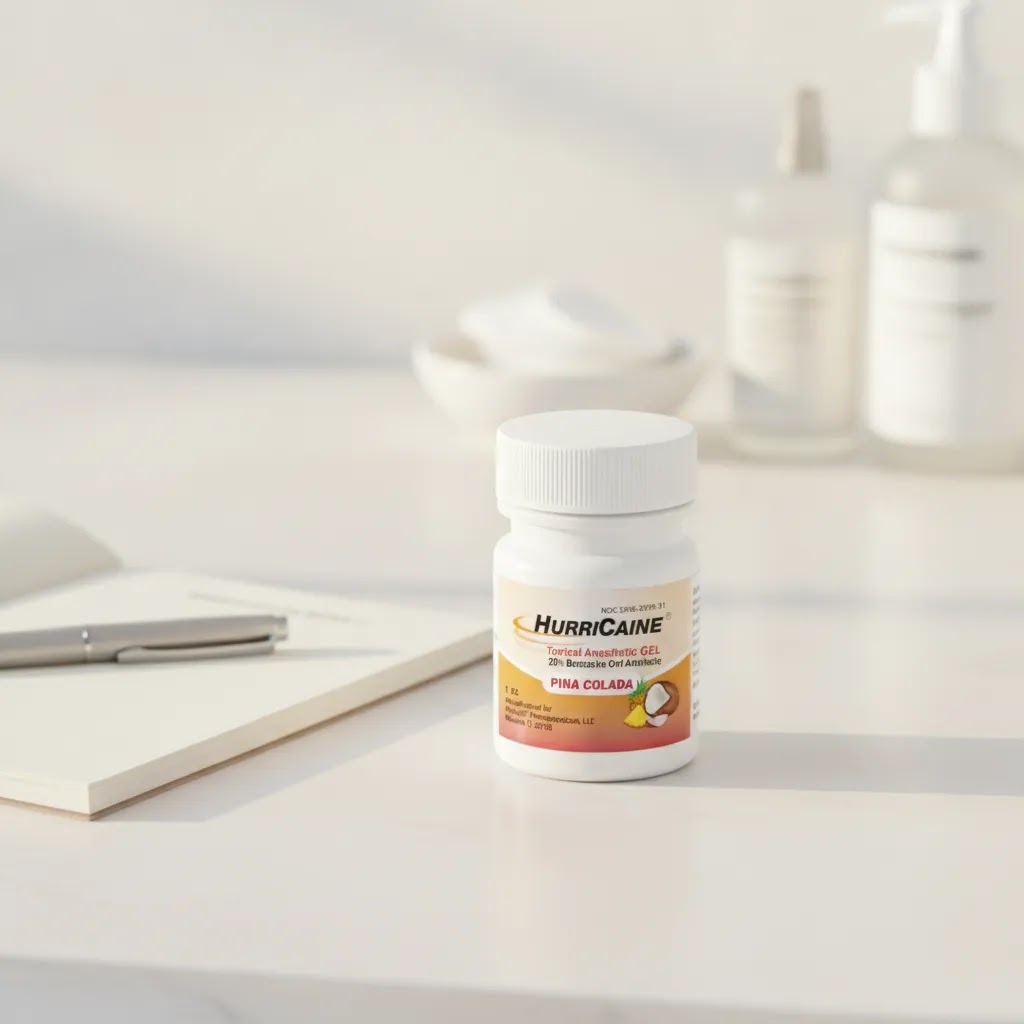
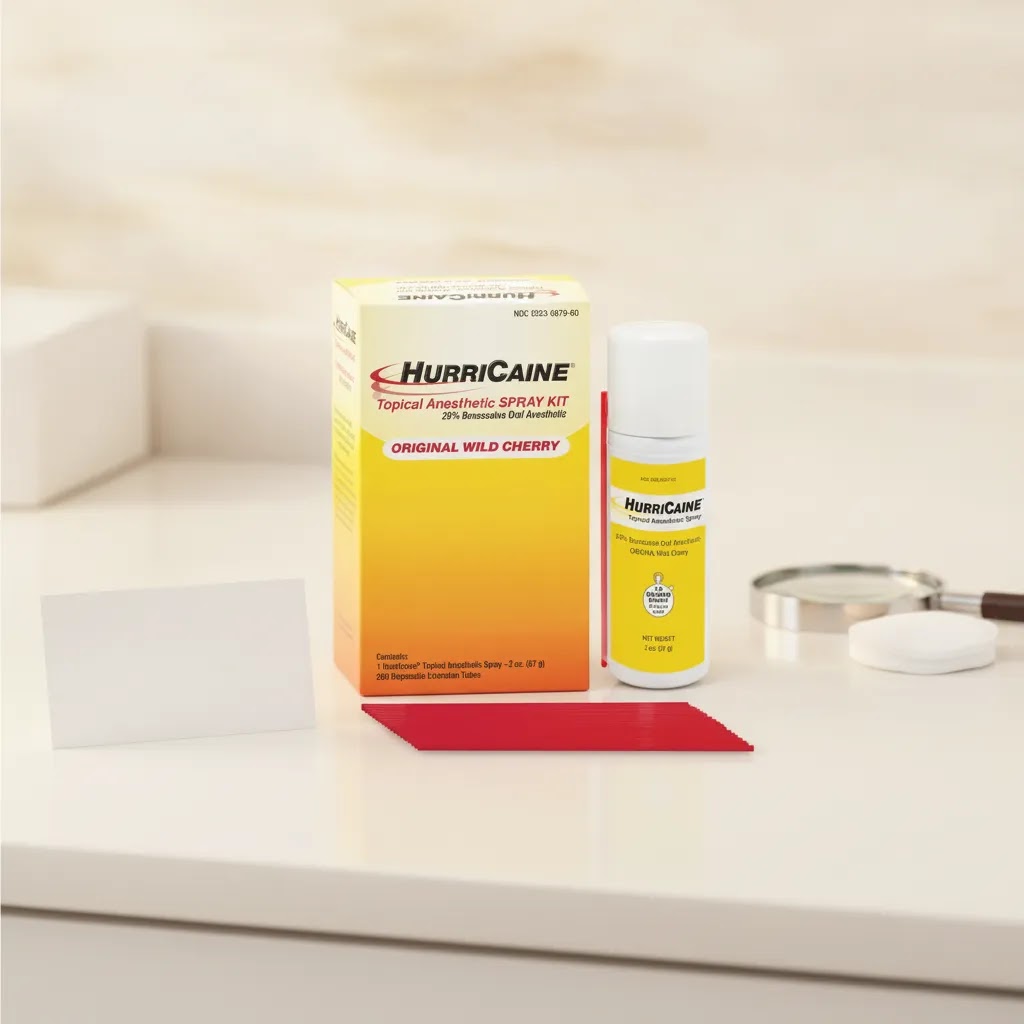
Nuance Medical offers several topical pain relief products, but they are not interchangeable and should be used only as directed. For example, HurriCaine® Topical Anesthetic Spray contains 20% benzocaine and is described for temporary oral pain relief with onset in about 30 seconds. HurriCaine® Topical Anesthetic Gel is also a 20% benzocaine oral gel with a similar rapid onset profile. These product details matter because questions like “how long does benzocaine spray last” or “how to use topical anesthetic gel” depend on the exact product and the clinical setting.
If your search is really about numbing products rather than scars, the Topical Pain Relief category is more relevant than a scar article. A qualified clinician or pharmacist should guide product selection, especially around dosing, timing, and safe use.
What to read next after learning how to spell scarred
Many spelling searches are really first-step searches. You start with a word, then realize you need answers about healing time, scar appearance, or what kind of product may fit your situation.
If that is where you are, focus on the actual problem you want to solve. Is the area new and still recovering? Are you worried about minimizing visible scarring? Are you trying to understand mature scar care? Those questions lead to much better information than a single-word search.
Readers comparing topical scar options may also come across broader educational updates such as BIOCORNEUM® SiliSilk™ Wins NewBeauty Award for Best Scar Gel. That kind of article can help you understand what products are being discussed, though a treatment decision still deserves individual guidance.
A qualified medical practice like Nuance Medical can help connect the vocabulary to the real concern. In other words, the goal is not only to learn how to spell scarred. The goal is to make sure your next question matches your skin, healing stage, and treatment history.
Medical Disclaimer: This article is intended for informational and educational purposes only. It does not constitute medical advice and should not be used as a substitute for professional consultation with a qualified medical or aesthetic practitioner. Individual results vary. Always seek the guidance of a licensed healthcare professional before pursuing any aesthetic treatment.
Frequently Asked Questions About How to Spell Scarred
How do you spell scarred correctly?
If you are asking how to spell scarred, write it as s-c-a-r-r-e-d. It uses two r’s before the “-ed” ending. People often confuse it with “scared,” especially when typing quickly or using voice search, but scarred refers to scarring or marked tissue, not fear.
Is scarred the same as scarring?
No, they are related but not identical. Scarred usually describes a condition or result, such as scarred skin after healing. Scarring usually refers to the process, tendency, or pattern of scar formation. If you are searching online, choosing the right form can help bring up more relevant medical and skin care information.
Why does my phone change scarred to scared?
Autocorrect often favors more common words, and “scared” appears more often in everyday writing than “scarred.” Voice-to-text can also mishear the word if there is not enough context in the full sentence. Using a more specific phrase, such as “scarred skin after surgery,” may improve accuracy.
Can spelling scarred correctly improve search results?
Yes, it often can. Search engines try to guess your intent, so a misspelling may trigger unrelated grammar pages, emotional health content, or broad results that do not address scar care. Correct spelling plus a specific phrase usually helps you find better education on healing, products, or treatment options.
What should I search if I mean a healing scar after a procedure?
Try adding both the cause and your goal. Searches like “healing surgical scar,” “raised scar after incision,” or “silicone care for scarred skin” are more useful than a single word alone. If your concern is early recovery, educational resources on wound healing and scar prevention may be more helpful than product-focused pages.
Why do topical anesthetic questions appear next to scar topics?
They often appear because people researching scar revision, post-procedure care, or minor treatments also want to know about discomfort control. Questions about benzocaine or lidocaine usually belong to treatment preparation or temporary pain relief, not scar spelling itself. The two topics can overlap in search behavior, even though they are medically distinct.
How long does benzocaine spray last?
The duration can vary depending on the product, the concentration, and where it is used. For example, Nuance Medical lists HurriCaine® Topical Anesthetic Spray as a 20% benzocaine product with fast onset for temporary oral pain relief, but exact duration is not something you should assume across all sprays. Follow product directions and clinician guidance rather than general estimates from search results.
How fast does topical lidocaine work?
Topical lidocaine does not have one universal onset time. It depends on the formulation, the application site, and whether the product is intended for intact skin or another clinical use. Some products may begin working within minutes, while others require longer contact time. For safe use, the label instructions and a clinician’s advice matter more than a broad internet summary.
How much topical lidocaine is safe?
Safe use depends on the exact product, concentration, treatment area, total amount applied, and your medical history. Because lidocaine absorption can vary, dosing questions should not be answered casually from a general article. If you are considering a numbing product before a procedure or for home use, ask a qualified healthcare professional to review the product and instructions with you.
How do you use topical anesthetic gel safely?
Safe use starts with using the right gel for the right site and following the labeled directions exactly. Nuance Medical’s HurriCaine® Topical Anesthetic Gel is described for temporary oral pain relief, which is a very different context from applying a product to a skin wound or cosmetic treatment area. Do not substitute products across uses without professional guidance.
What does it mean to be scarred?
To be scarred means you have a scar, or you have been marked by scar tissue after the skin heals from an injury, acne, surgery, or another event. In everyday language, people may also use “scarred” to describe changes like redness or texture, even though those can evolve as a scar matures. If you are unsure whether what you are seeing is typical for your stage of healing, a qualified practitioner can assess it in context.
Is it scared or scarred?
It is “scarred” when you mean marked by a scar or healed tissue change, and it is “scared” when you mean afraid. The words are easy to mix up in typing and voice-to-text because they sound similar in fast speech. Using a longer phrase, like “scarred skin after acne,” can help keep your search results on track.
Is scarred a word?
Yes, scarred is a standard English word. It is formed from “scar” plus the “-ed” ending, with a double r in the middle: scarred. You will see it used for physical scarring and, in other contexts, as a figurative description.
How do you pronounce scarred?
Scarred is typically pronounced like “skard,” rhyming with “card” in American English. The double r changes spelling, but it does not create an extra syllable. This is one reason voice search sometimes confuses “scarred” with “scared” unless you add more context in your sentence.
Key Takeaways
- Scarred is spelled s-c-a-r-r-e-d, with two r’s before the “-ed” ending.
- The most common mix-up is “scared,” which changes the meaning and often changes the search results.
- Adding context like surgery, acne, healing, or silicone care usually leads to better scar-related information.
- Questions about benzocaine or lidocaine are separate from scar spelling and should be matched to the exact product and use.
- If your concern is really healing or appearance, a professional consultation can help turn a vague search into useful next steps.
Conclusion: how to spell scarred and search smarter
Knowing how to spell scarred may seem minor, but it can make your research much more productive. One extra letter often separates a useful scar care search from a confusing detour. Once you have the spelling right, the next step is refining the question, whether that means learning about early healing, scar prevention, silicone products, or treatment-related comfort.
That is especially relevant in aesthetics and post-procedure care, where the language around healing can overlap with product questions and recovery concerns. Clear wording helps you find clearer answers. If you are sorting through scar care options or trying to understand what may be appropriate for your situation, exploring Nuance Medical’s educational resources or speaking with a qualified professional can help you move from a spelling question to a more informed care conversation.