

Where kelocell silicone scar reducer gel fits
If you searched for kelocell silicone scar reducer gel, you are likely weighing a classic scar-care question: should you use a topical silicone gel, and which format makes the most sense? Silicone gel often works best when you want flexible, low-profile scar coverage without the bulk of a sheet. That can matter on the face, neck, chest, hands, joints, or curved surgical areas where movement and visibility count.
Many people pick silicone gels because they blend more easily into daily routines. You can apply the product, let it dry, and then layer sunscreen or cosmetics if needed. However, that does not make gel better than every other option. It simply makes the format more practical for some scars, locations, and lifestyles.
If your larger question is how early care may shape scar appearance over time, you may also want to read about how to prevent scarring. Prevention and management overlap, but they are not exactly the same stage of care.
What kelocell silicone scar reducer gel may and may not do
Clinicians use silicone widely in scar management because it creates a protective film over healed skin. That film may support hydration balance and a steadier healing environment. As a result, a scar may look flatter, softer, and less noticeable over time. Some silicone products also aim to support the appearance of discoloration or hyperpigmentation linked with scars.
Still, silicone gel does not erase a scar or replace a medical assessment. Results depend on the scar’s age, location, thickness, tension on the area, sun exposure, skin sensitivity, and how consistently you use the product. A fresh surgical scar and an older thickened scar often behave very differently.
Readers also get sidetracked by unrelated search terms such as profound gel, topical lidocaine gel, topical anesthetic dental gel, hurricaine topical anesthetic gel, candi caine topical anesthetic gel, cetacaine topical anesthetic gel, or topical oral anesthetic gel. Those products belong to a different category. Numbing gels and analgesic gels target temporary sensation control, not scar remodeling. If your goal is appearance-focused scar care, silicone is the more relevant category to compare.
How kelocell silicone scar reducer gel works
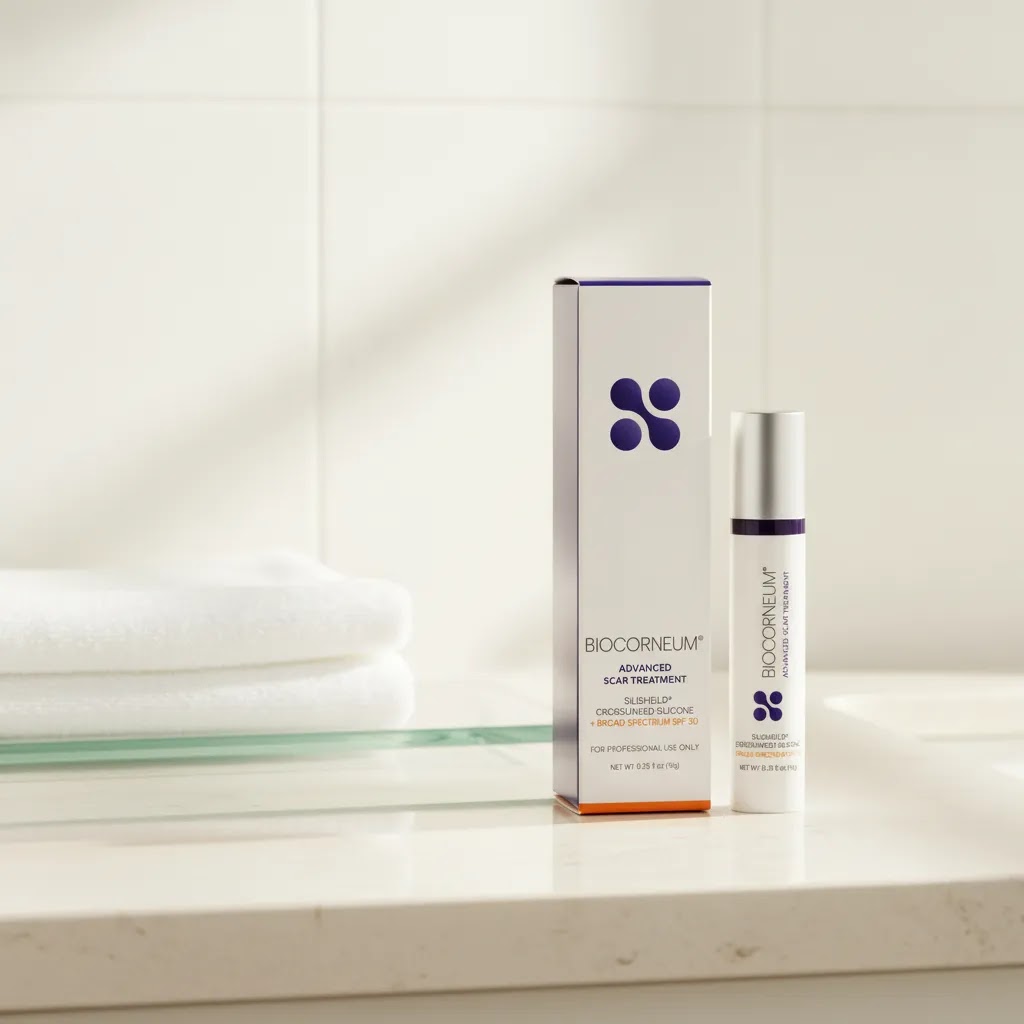
Here’s the thing: silicone scar gel is not a “strong active” in the way a peel, retinoid, or prescription product might be. Its value is mostly physical. When the gel dries, it forms a thin, flexible barrier over the scar. That barrier helps create a more stable environment while the scar matures.
Why clinicians look at the barrier effect
In plain English, silicone gel is typically thought to help in a few key ways:
- Occlusion (a protective barrier): The film can protect the scar surface from environmental irritation and minor friction from clothing, bras, waistbands, or daily movement.
- Hydration support and reduced transepidermal water loss (TEWL): TEWL is the water that naturally evaporates from the skin. Silicone film can reduce that evaporation, which may help keep the scar surface from drying out and becoming more reactive.
- Friction reduction: Less rubbing can mean less ongoing irritation, particularly on high-movement areas like the chest, shoulders, knees, and elbows.
Clinicians also discuss silicone gel and silicone sheeting in scar management literature, especially for hypertrophic scars and for people who are keloid-prone. That does not mean silicone works equally well for every scar. It also does not mean it is the only option worth considering. Results vary based on scar behavior, how early you start once the skin is fully closed, and how consistently you use the product. For a broader look at sheets, see Biodermis Silicone Scar Sheets.
Many patients overlook one simple point: thin, consistent application matters more than a thick layer. A heavy layer can stay tacky, pill under sunscreen, or trap moisture. In practice, use the minimum amount that forms an even film over the scar. Then repeat that routine reliably.
For general scar guidance, the American Academy of Dermatology explains common scar treatment approaches and when to seek professional help.
kelocell silicone scar reducer gel alternatives by format and size
Since Kelo.cell is being assessed here as a silicone scar reducer gel concept, the most useful comparison is against currently available silicone-based scar products and adjacent formats. The real question is not whether every product sounds promising. It is which one fits the scar area, your schedule, and the finish you are willing to wear every day.
| Product | Format | Size | Best fit described in this article | Price |
|---|---|---|---|---|
| BIOCORNEUM SiliSilk Advanced Scar Gel | Silicone scar gel | 30g | Visible areas, silky finish, layers under sunscreen or makeup | $84.95 |
| BIOCORNEUM | Silicone scar gel | 10g | Smaller treatment area or first-time trial | $55 |
| BIOCORNEUM | Silicone scar gel | 20g | Moderate treatment area | $75 |
| BIOCORNEUM | Silicone scar gel | 50g | Broader scar area or longer routine | $130 |
| Pro-Sil | Silicone scar treatment stick | 17g | Portable swipe-on format with no drips | $76.95 |
BIOCORNEUM SiliSilk Advanced Scar Gel, 30g
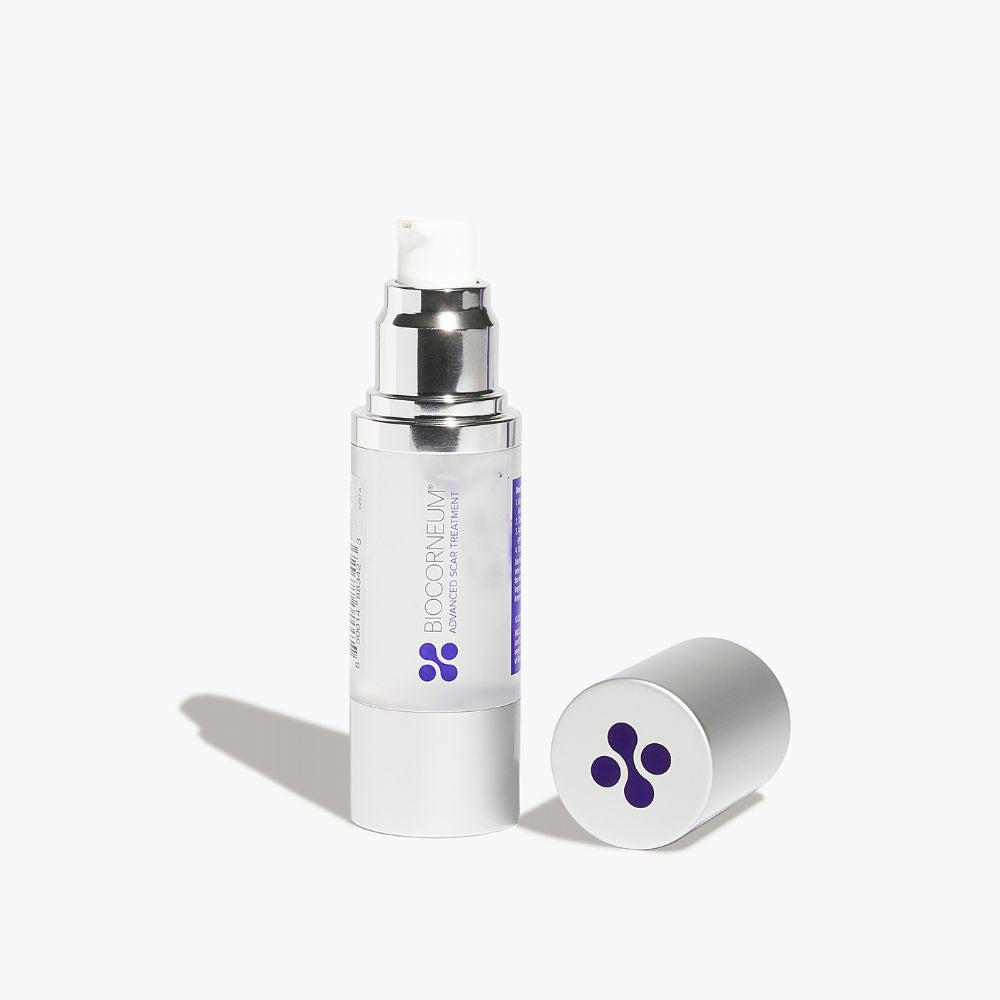
Price: $84.95
This silicone scar gel is described as clear, fast-drying, and SPF-free, with an ultra-smooth silky finish. Product information also states that it layers well under sunscreen, makeup, or on its own. Therefore, it can appeal to people who want scar care that does not interrupt a daytime skincare routine.
For a kelocell silicone scar reducer gel assessment, this is one of the closest matches in spirit: a cosmetically elegant silicone gel meant for regular wear. It may be especially appealing if you care about texture, a non-greasy feel, and use on visible areas.
BIOCORNEUM 10g
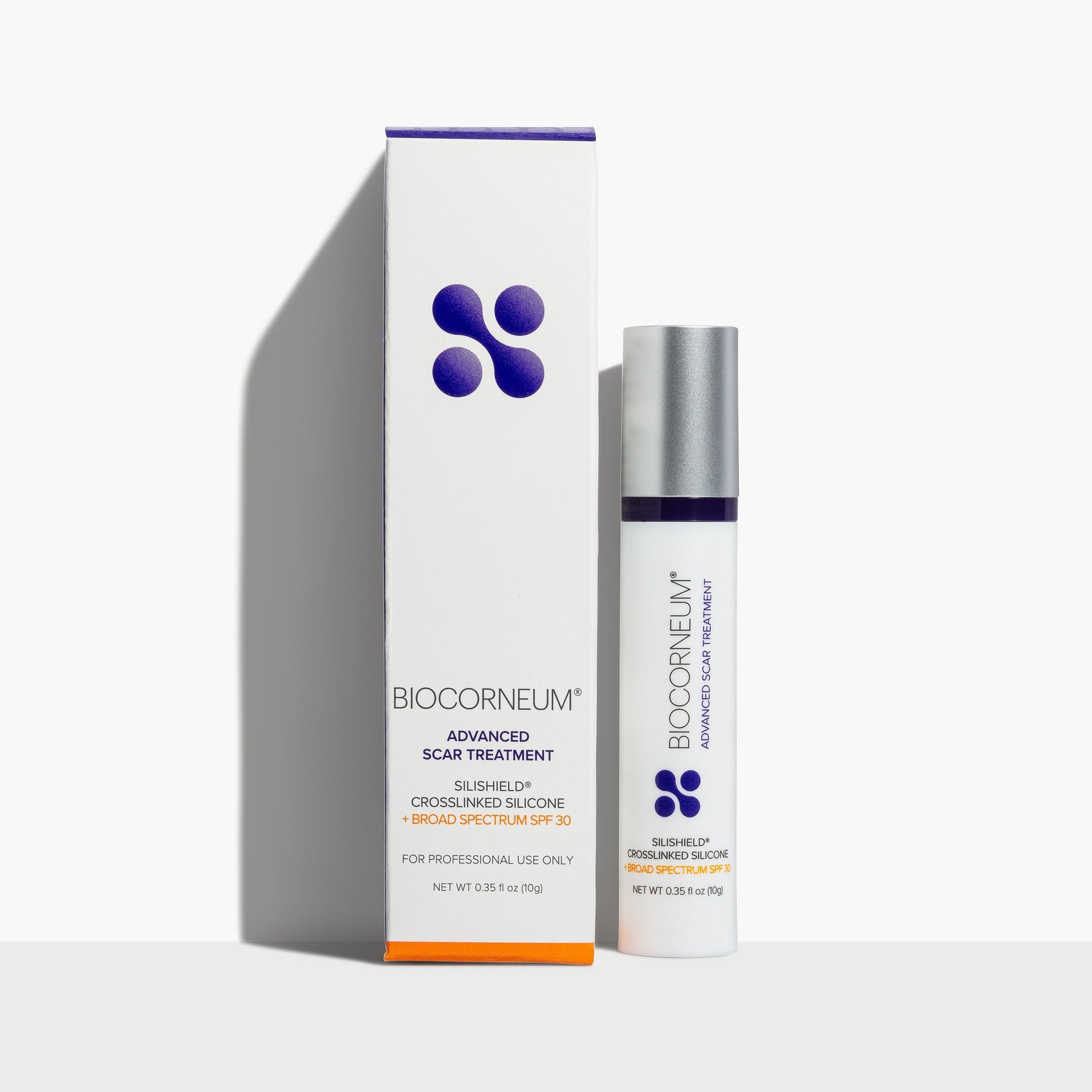
Price: $55
This smaller BIOCORNEUM size is positioned for scars from surgical and cosmetic procedures, trauma, wounds, and burns. Product information states that it may be effective on old or new scars. It is also described as self-adhering, with no tape required, and suitable for areas that flex often or are exposed to the sun, such as the face, neck, chest, and hands.
This size may fit a smaller treatment area or a reader who wants to trial a silicone gel format before committing to a larger tube.
BIOCORNEUM 20g
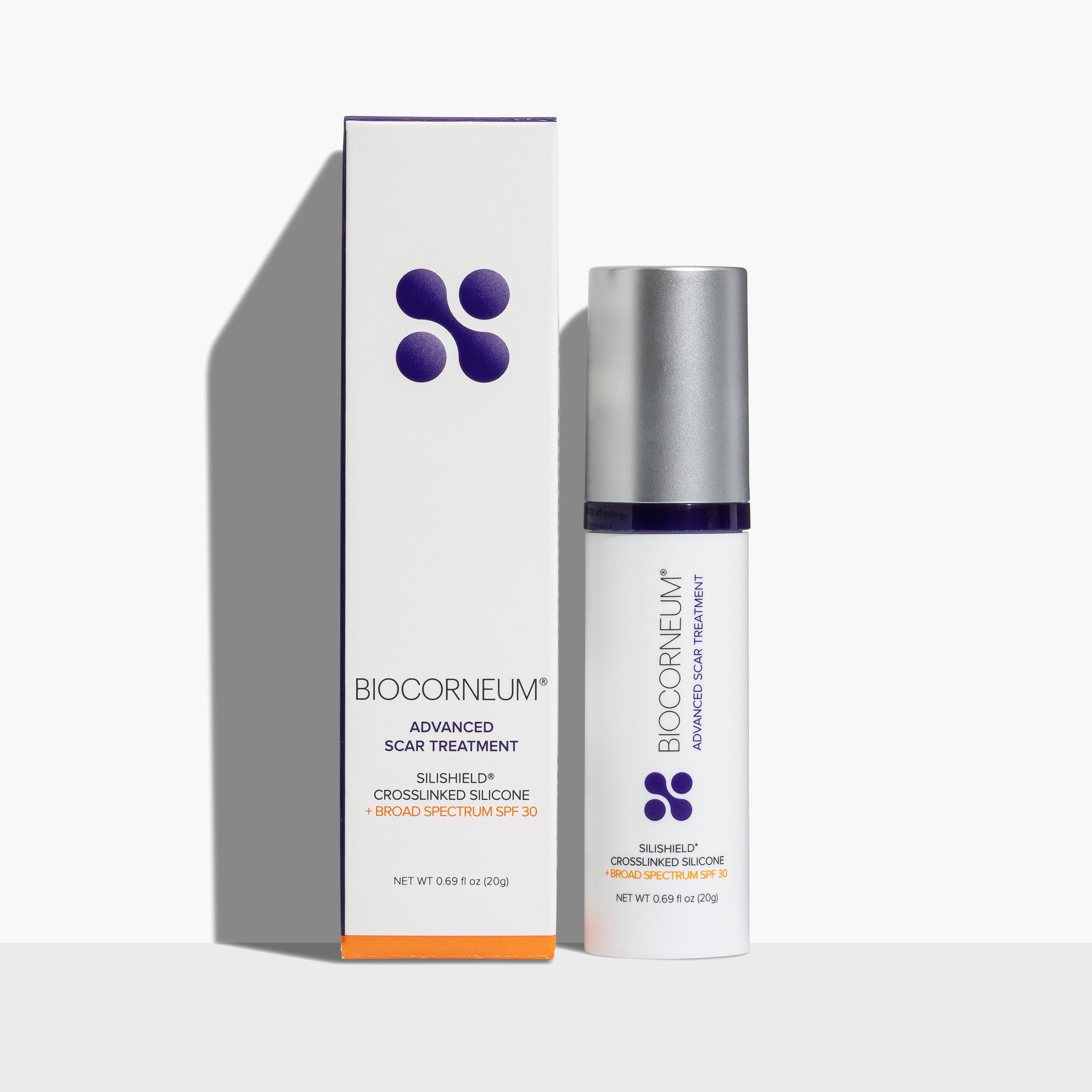
Price: $75
The 20g option sits in the middle of the BIOCORNEUM size range. Based on product information, it carries the same scar-use positioning as the 10g size, including use on scars associated with procedures, trauma, wounds, and burns, along with suitability for flexing or irregular areas.
This is often the sensible middle choice for someone treating more than a very small scar but not a broad area. It may reduce the chance of running out too quickly while staying more manageable than the largest size. If you want more detail, see Biocorneum Scar Gel: SPF 30, Results, and Comparisons.
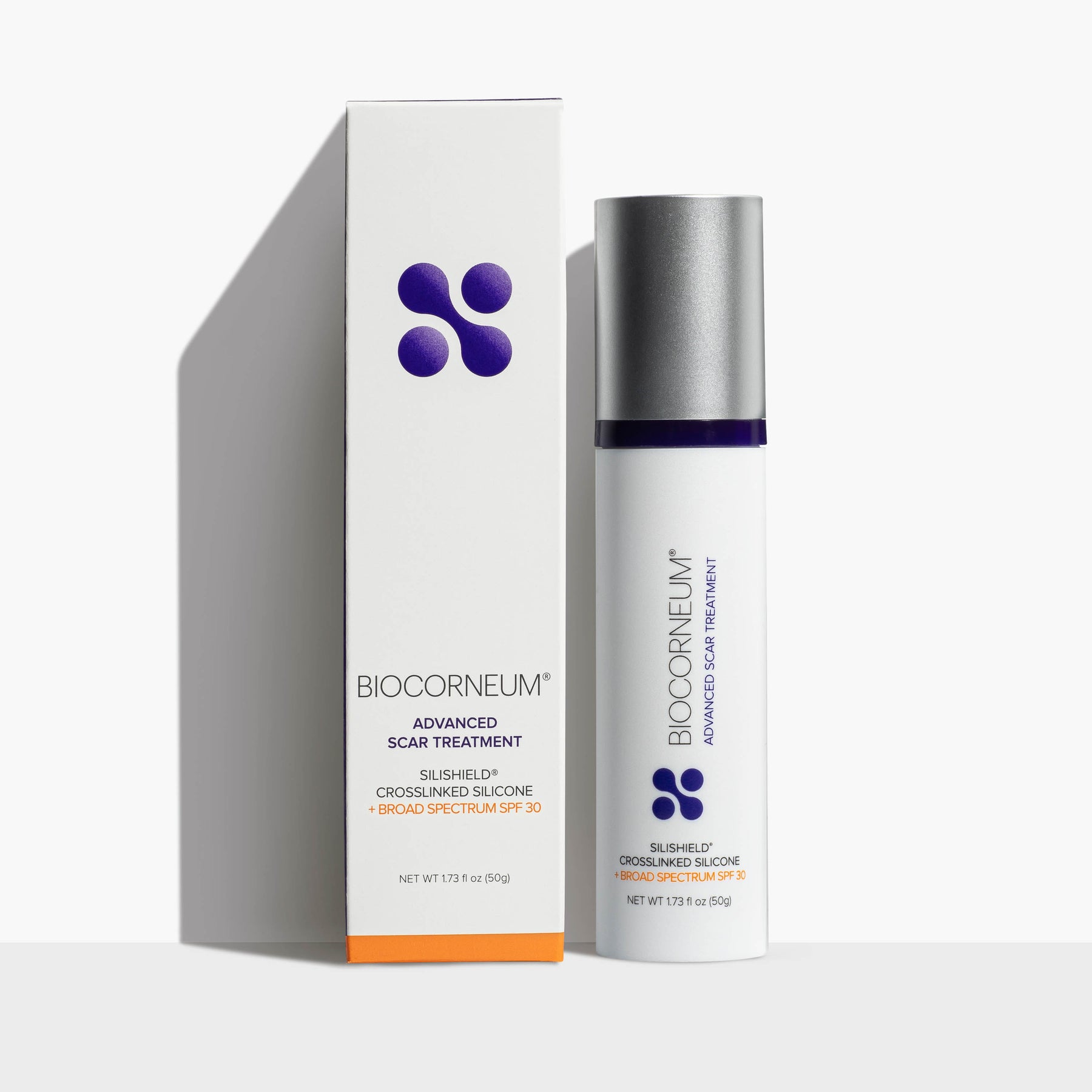
BIOCORNEUM 50g
Price: $130
This is the largest BIOCORNEUM size listed. The product page places it in the same overall scar-care family, including scars from surgery, trauma, wounds, and burns, with use on areas that move, curve, or see sun exposure.
If your scar area is longer, broader, or likely to require sustained use over time, a larger tube may simply be the more practical choice. That can matter because scar care often becomes inconsistent when the product runs out sooner than expected.
Pro-Sil 17g
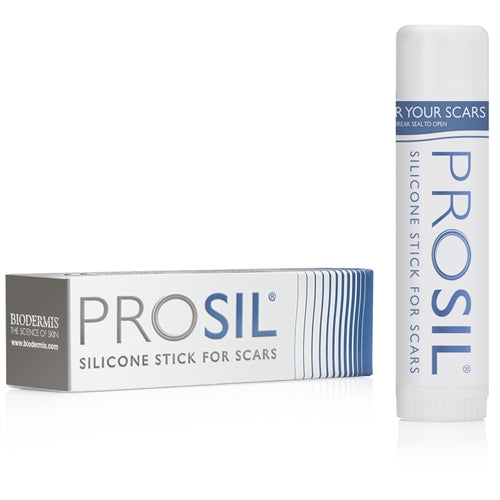
Price: $76.95
This is a silicone scar treatment stick rather than a squeeze-tube gel. Product information states that it uses professional grade silicone in a glide-on applicator and is designed for repeated daily use over 8 to 12 weeks or until the scar stops responding.
For readers assessing kelocell silicone scar reducer gel, Pro-Sil 17g is useful as a contrast. If you prefer direct swipe application, no drips, and a portable stick format, it may suit you better than a gel. If you want a more spreadable, primer-like finish, a tube gel may feel easier.
Timing and scar types: what matters most in the first 8 to 12 weeks
The best scar-care product is limited by timing. Many scars go through a more active remodeling phase in the early months after skin closure. This is one reason silicone routines are often framed in terms of daily use for 8 to 12 weeks and sometimes longer. The goal is not to “force” a scar to disappear. It is to support a stable environment while the scar is still changing.
Starting earlier, once the skin is fully closed and your treating professional says it is appropriate, often makes more sense than trying to dramatically change a scar that has been stable for years. Mature scars can still improve in some cases. However, expectations should stay conservative, and results may be slower.
Which scars may benefit most from kelocell silicone scar reducer gel
Scar type matters. Silicone is most often discussed in relation to raised scars and scars at risk of becoming raised:
- Linear surgical scars: These often start as a thin line, then can look red or pink for a while before fading. Silicone may help support a flatter, smoother appearance as the scar settles, particularly if the incision is in an area that moves a lot.
- Raised scars (hypertrophic): These sit within the borders of the original wound but become thickened or firm. Silicone is commonly used as a first-line topical category here, with consistency and wear time playing a major role.
- Keloid-prone scars: Keloids can extend beyond the original wound borders and may continue to grow. Silicone may still be part of a plan, but keloid-prone scars often benefit from early clinical guidance rather than relying on a topical alone.
- Acne scars: Many acne scars are not linear and not “fresh incision” scars. Silicone gel is not typically the primary at-home option people think of for pitted texture. If your main concern is acne-related scarring, a clinician can help you sort out whether your scar pattern is better suited to procedural approaches rather than a silicone film.
Location matters too. Scars across high-tension or high-movement areas can stay thicker or more noticeable because the skin is constantly being pulled. Think of the chest, shoulders, elbows, knees, and abdomen, especially along waistbands. Sun exposure is another common reason a scar stays visibly red or darker for longer than expected. In addition, consistent sun protection is not just a skincare suggestion here. It can meaningfully affect how long discoloration lingers. The American Academy of Dermatology also recommends sun protection to help scars fade.
Choosing the right option for your routine
The product itself matters, but routine fit matters almost as much. A scar-care product that feels elegant enough to use twice daily often has a better chance of becoming part of your real life. That is one reason silicone gels remain popular for visible areas.
- If you want a smooth, clear gel that can sit under sunscreen or makeup, BIOCORNEUM SiliSilk may be the strongest fit.
- If your scar is small and you want a lower-entry purchase size, BIOCORNEUM 10g may be enough.
- If you need more product for a moderate treatment area, BIOCORNEUM 20g may be the better balance.
- If the scar area is larger or treatment will likely be ongoing, BIOCORNEUM 50g may be the more economical practical choice over time.
- If you dislike squeeze tubes and want a swipe-on format, Pro-Sil 17g may be easier to use consistently.
At Nuance Medical, this kind of format matching is part of sensible scar education. The goal is not to overcomplicate the decision. It is to help you choose a product category that you can realistically apply as directed.
If you are still early in the healing process, our article on how to heal scars may help you understand timing, skin closure, and the broader recovery context. You can also browse the Scar Treatment & Skincare category for related options.
How to use kelocell silicone scar reducer gel with realistic expectations
Silicone scar products are generally used on skin that is fully closed. They are not meant for open wounds. Once your treating professional confirms the timing is appropriate, consistency usually matters more than applying too much product at once.
A simple approach often looks like this:
- Clean and dry the area before application.
- Apply the product over the full scar area as directed on the product packaging.
- Allow gel formats to dry before layering other skincare or sun protection, if the product is meant to be layered.
- Use the product consistently for the recommended period, understanding that visible change may be gradual.
- Protect the scar from sun exposure, since UV exposure can make discoloration linger longer.
Realistic expectations matter. A topical gel may support a scar’s appearance over time, but it will not create instant change. If a scar becomes increasingly raised, uncomfortable, or cosmetically distressing, it may be worth discussing procedural options with a qualified clinician instead of relying on topical care alone.
For more product-specific context, Nuance Medical has also published BIOCORNEUM® SiliSilk™ Wins NewBeauty Award for Best Scar Gel and Introducing SiliSilk™: Everyday Silicone Scar Care, Simplified. If acne-related scarring is part of your comparison, see Does Silicone Scar Gel Work on Acne Scars.
Safety, side effects, and when to stop and ask
Silicone scar gels are generally well-tolerated, but any topical used repeatedly can cause side effects. Most problems are not danger signs. Instead, they are routine tolerability issues that you can often correct by adjusting how you use the product.
Common issues during kelocell silicone scar reducer gel use
Common things to watch for include:
- Irritation, itching, or a mild rash: This can happen if your skin is sensitive, if the area is not fully healed, or if you are layering too many products on top.
- Maceration (skin that looks overly soft, white, or wrinkled): This can occur when moisture is trapped under an overly thick layer or when gel is applied before the skin is fully dry.
- Product pilling or rolling: This is common when too much gel is applied, when it is not fully dry before sunscreen or makeup, or when multiple silicone-like textures are layered together.
- Stick format hygiene issues: If you are using a glide-on stick, keeping the applicator clean and capped can help reduce the chance of transferring debris back onto the skin.
In practice, the routine is simple. Start with clean, fully dry skin. Use a thin layer. Then let it dry completely before you get dressed or apply other products. If your skin reacts easily, a small patch test near the area you plan to treat can be a reasonable extra step.
There are also situations where it is smarter to pause scar gel use and check in with your clinician rather than push through:
- Increasing pain, warmth, or significant tenderness at the site
- Drainage, oozing, or a section of the incision reopening
- A scar that is rapidly thickening, becoming increasingly raised, or spreading beyond the original wound borders
- Significant sensitivity, widespread rash, or swelling after application
If any of those apply, it does not automatically mean something serious is happening. However, you should get individualized guidance. Scar behavior can change quickly in the early phase, and a qualified clinician can help you decide whether your current plan is appropriate or whether a different approach is warranted.
When professional guidance matters most
Self-directed scar care can be reasonable for many straightforward healed scars, but a professional opinion is especially helpful in some cases. This includes scars that thicken rapidly, scars that cross high-tension areas, scars on the face after cosmetic procedures, or scars that remain very noticeable despite good home care.
A qualified aesthetic or medical clinic can help you sort out whether silicone alone is a reasonable next step or whether you may need a broader treatment plan. That plan could include timing advice, sun-protection strategy, and discussion of other scar-focused options if topical care is not enough.
Nuance Medical approaches education in that measured way. The emphasis stays on practical guidance, subtle improvement where possible, and honest discussion about what a product can and cannot do. If you want help choosing among scar-care formats, a consultation can give you a more individualized answer than product marketing ever will.
Medical Disclaimer: This article is intended for informational and educational purposes only. It does not constitute medical advice and should not be used as a substitute for professional consultation with a qualified medical or aesthetic practitioner. Individual results vary. Always seek the guidance of a licensed healthcare professional before pursuing any aesthetic treatment.
Frequently Asked Questions
Is kelocell silicone scar reducer gel the same as a numbing gel?
No. kelocell silicone scar reducer gel and a numbing gel serve different purposes. Silicone scar products are generally used to support the appearance of healed scars over time by forming a protective film on the skin. Numbing products such as topical lidocaine gel, benzocaine gel, or topical oral anesthetic gel are meant for temporary sensation relief, not ongoing scar management. If your concern is scar appearance rather than short-term discomfort, a silicone product is usually the more relevant category to compare.
What kind of scar is silicone gel usually used for?
Silicone gel is commonly used for healed scars after surgery, cosmetic procedures, trauma, burns, or wound healing. It is often chosen for scars on visible or mobile areas because a gel can be easier to wear than a sheet. That said, suitability depends on the scar’s stage, thickness, and location. A newer flat scar and an older raised scar may respond differently. If you are unsure whether a scar is appropriate for self-care, it is worth checking with a qualified clinician first.
How is silicone gel different from silicone sheets?
The biggest difference is format. Silicone gel is spread over the scar and dries into a thin film, while silicone sheets are physical pieces placed over the area. Gels may feel easier on the face, neck, joints, or curved areas. Sheets may appeal to people who prefer a more structured covering. One format is not automatically better for every scar. The better fit often depends on where the scar is, how much the area moves, and which option you are more likely to use consistently.
Which BIOCORNEUM size should I choose?
The best size usually depends on the surface area you plan to treat and how long you expect to use the product. BIOCORNEUM 10g may suit a smaller scar or someone trying the format for the first time. BIOCORNEUM 20g may make more sense for a moderate treatment area. BIOCORNEUM 50g may be more practical for broader scars or longer-term use. If you are between sizes, many people prefer not to underestimate how much product regular use may require.
Is BIOCORNEUM SiliSilk better than standard BIOCORNEUM sizes?
Not necessarily better in every situation, but it is positioned a bit differently. BIOCORNEUM SiliSilk is described as an SPF-free, clear, fast-drying silicone scar gel with a silky finish that works under sunscreen and makeup. That may make it especially appealing for cosmetically sensitive daily wear. The standard BIOCORNEUM size options are also silicone scar-care products, but their listed product information focuses more on broad scar-use categories and size flexibility. Your choice may come down to finish preference as much as scar type.
Can I use scar gel on an open wound or fresh incision?
Scar gels are generally meant for skin that has fully closed, not for open wounds. Starting too early can irritate vulnerable tissue or interfere with healing. The right timing depends on your procedure, your skin, and your clinician’s instructions. If you recently had surgery or a cosmetic treatment, follow your post-procedure guidance closely. If you are unsure whether the area is ready, it is safer to ask your provider than to guess based on packaging language alone.
Does a stick format like Pro-Sil work differently than a gel?
The underlying silicone category is similar, but the user experience is different. Pro-Sil 17g uses a glide-on stick applicator, while gel formats are spread from a tube and allowed to dry. A stick may feel neater or more portable for some people. A gel may feel easier if you want a smooth layer that integrates with skincare or makeup. Since long-term consistency matters in scar care, the more useful format is often the one you are comfortable applying as directed every day.
How long does it usually take to see a difference from silicone scar care?
Visible improvement usually takes time. Product directions and clinician guidance often frame scar care in terms of weeks to months rather than days. For example, Pro-Sil product information mentions repeated use over 8 to 12 weeks or until the scar stops responding. That does not guarantee a specific result by a specific date. Some scars soften or flatten gradually, while others change more modestly. The scar’s age, location, sun exposure, and your consistency all influence what you may notice. If you want a broader timeline view, read How Long does It Take for Scars to Fade.
Can silicone gel help with dark scar color as well as texture?
It may help support a better overall scar appearance, and some silicone products are specifically described as helping minimize the appearance of scars and hyperpigmentation. Still, color can be stubborn, especially if the scar has had significant sun exposure. Texture, thickness, and pigment do not always improve at the same pace. If discoloration is your main concern, sun protection and professional guidance may be just as important as the silicone product you choose.
Where does Nuance Medical fit if I am comparing scar products?
Nuance Medical serves as a clinically oriented resource for scar-care education and product selection. That means helping you distinguish between product categories, understand realistic expectations, and decide when a simple topical approach may be enough or when a consultation would be wiser. If you are uncertain about timing, scar behavior, or whether a topical alone is likely to suit your goals, speaking with a qualified team can make the process clearer and more personalized.
Does kelo scar cream really work?
It depends on what you mean by “work,” and it depends on the scar. Many products marketed for keloids are essentially silicone-based scar gels or sheets, and silicone is commonly used in scar care, particularly for raised scars. Still, keloid-prone scars can be more persistent and may keep changing over time. A topical silicone product may help support comfort and appearance for some people, but it may not be enough on its own for a true keloid. If a scar is growing beyond the original wound edges or thickening quickly, it is worth getting professional guidance early.
What is the highest rated silicone scar gel?
“Highest rated” usually reflects user experience, finish, and how easy a product is to use consistently, not just the ingredient category. Silicone gel itself is the common denominator in many well-reviewed scar products. The more practical question is which one you will actually apply as directed, with a finish you can tolerate on the scar’s location. If you want a cosmetically elegant, fast-drying feel for daytime wear, BIOCORNEUM SiliSilk is positioned with that kind of routine in mind.
When to apply silicone gel after a C-section?
Silicone gel is generally used only after the incision is fully closed and your surgical team confirms it is appropriate. C-section recovery timelines vary, and it is important not to trap moisture or irritate healing tissue by starting too early. If you are unsure whether your incision has reached the “fully closed” stage, checking in with your OB-GYN or post-op provider is the safest next step.
Which is better, KELO-COTE or ScarAway?
Neither is universally “better” for every person. The key difference is often format and adherence. Many people compare silicone gels, which dry into a film, with silicone sheets, which physically cover the scar for longer wear time. If you are more likely to tolerate a thin layer under clothing, sunscreen, or makeup, a gel format may be easier. If you prefer a structured covering and can wear it for longer daily periods, a sheet format may suit you. If you are keloid-prone or your scar is becoming raised quickly, a clinician can help you choose a plan based on scar behavior, not marketing.
Key Takeaways
- Kelo.cell-style silicone scar gel fits best as a topical scar-management format, not as a numbing or analgesic product.
- Silicone gel may help support a flatter, softer, less noticeable scar appearance over time, but results vary.
- Product choice often comes down to finish, size, scar location, and whether the format fits your daily routine.
- BIOCORNEUM SiliSilk is the closest match for readers seeking a cosmetically elegant silicone gel, while Pro-Sil offers a stick-format alternative.
- If a scar is changing quickly, remains raised, or feels difficult to assess, professional guidance is more useful than trial and error.
Conclusion
Searching for kelocell silicone scar reducer gel usually means you are already past the stage of asking whether scar care matters. You are trying to choose the format that makes sense for your scar, your routine, and your expectations. That is the right question.
kelocell silicone scar reducer gel can be a reasonable option for many healed scars, especially when you want something low-profile and easy to wear on visible or mobile areas. Still, the product that looks most promising on paper is not always the one you will use consistently enough to judge fairly.
A careful assessment should include scar size, location, age, finish preference, and whether you need a small tube, a larger size, or a stick applicator instead. If you want more individualized direction, Nuance Medical offers a practical, medically grounded approach to scar education. You can explore related scar-care resources or book a consultation to discuss which product type may fit your situation best.