Mederma vs ScarAway Contents


- Quick Verdict
- Side-by-Side Comparison
- Format and likely results
- Scar types and who each format tends to suit
- How each approach works in real use
- Timeline: when to start, how long to use, and when to switch strategies
- Daily routine, comfort, and adherence
- What people often get wrong
- Pros and Considerations
- What products are in the conversation besides Mederma and ScarAway (and why)
- Which one should you choose?
- A medically guided perspective
- Frequently Asked Questions
- Recap
Mederma vs ScarAway Quick Verdict

If you want longer wear and do not mind a sheet, ScarAway may fit better. If you prefer a rub-on step that feels more like skin care, Mederma may be easier to keep using.
Mederma vs ScarAway Side-by-Side Comparison
| Criteria | Mederma | ScarAway |
|---|---|---|
| Price | Product line varies by retailer and format | Product line varies by retailer and format |
| Target user | Someone who prefers a gel or cream-style routine | Someone comfortable with silicone sheets or silicone gel use |
| Key strength | Often feels familiar and simple to apply like skincare | Silicone-based format aligns with a commonly recommended scar-care approach |
| Key weakness | May require more frequent manual application and patience | Sheets can feel awkward on moving areas or under some clothing |
| Best for | Visible areas where a sheet feels inconvenient | Raised scars or people who want longer contact time over the scar |
| Worst for | People who forget repeat applications | People who dislike adhesive products or cannot tolerate occlusion |
Mederma vs ScarAway Format and likely results
Mederma vs ScarAway starts as a format comparison. Then it becomes a results comparison. That distinction matters because ingredients are only part of the story. Real outcomes also depend on wear time, consistency, scar age, and whether the skin has fully closed before use.
People usually compare Mederma as a topical scar gel or cream. By contrast, people usually compare ScarAway for its silicone-first options, especially sheets and silicone gel. In many scar-care discussions, clinicians and postoperative patients talk about silicone most often for scars that rise or seem likely to rise. However, not every scar needs the same plan, and not every non-silicone topical lacks value.
If your scar is on a flat area and you want coverage for longer stretches, ScarAway may have an edge. On the other hand, if your scar sits on the face, near a joint, or in a spot where a sheet may lift or show, Mederma may be the format you keep using. Readers comparing mederma with other topical options often find that convenience drives adherence more than marketing claims do.
Mederma vs ScarAway for scar types
Many people who search mederma vs scaraway really want help matching the product to the scar. Scar care gets easier when you separate true texture change from lingering color change after inflammation.
Raised scars in the Mederma vs ScarAway comparison
Hypertrophic scars (raised, firm scars within the original wound boundary): These are the thick, bumpy, or tight scars people often notice after surgery or injury. Clinicians often discuss silicone sheets and silicone gels for hypertrophic scars because longer contact may support hydration and pliability over time. A gel-style topical can still play a role. Still, a longer-wear silicone format often matches how these scars behave.
Keloid-prone scars (overgrown scars that extend beyond the original wound): If you have a personal or family tendency toward keloids, over-the-counter care has limits. Silicone can still fit a conservative routine. However, a scar that keeps enlarging, itches, hurts, or thickens deserves review by a qualified clinician. In those cases, prescription or in-office care may be needed.
Color and texture changes that affect Mederma vs ScarAway
Atrophic acne scars (indented “pits” or rolling depressions): These reflect deeper texture loss in the skin. Topical products rarely change depth in a meaningful way. A scar gel may support surface hydration and skin feel, and daily sun protection may help the area look less noticeable. Even so, indented acne scars often respond better to in-office strategies. If that is your concern, our guides on how to get rid of old acne scars and different types of acne scars add helpful context.
Post-inflammatory marks (color change after a breakout or irritation): Many people call these scars, but they are often lingering redness or pigment. Topicals may help them fade gradually. In addition, daily sunscreen is often a major factor in how long they stay visible. Silicone sheets are not always the most practical tool when color, not raised texture, is the main concern. For sun-protection basics, the American Academy of Dermatology sun protection guidance is a useful reference.
Location also matters in mederma vs scaraway decisions. Sheets may work well on flatter areas like the abdomen, chest, or upper arm. By comparison, a gel may be easier near a joint, along the jawline, or in an area with clothing friction. If a scar is raised and keeps changing, or if it stays itchy or painful, get professional review instead of switching products again and again.
How Mederma vs ScarAway works in real use
- Start with scar stage. People usually discuss both options only after the skin surface fully closes. Open skin, drainage, or active irritation call for professional guidance instead of self-selection.
- Match the format to the scar site. Sheets often suit straighter, flatter scars on areas like the abdomen, chest, or upper arm. Gel-style products may work better around facial contours, the neck, hands, or curved surgical sites.
- Consider mechanism. Silicone creates a protective barrier that may support hydration and a more favorable healing environment. Other scar topicals may focus more on massage, hydration, or cosmetic support from their ingredients.
- Think about adherence, not ambition. A product that fits your day may beat a stronger-sounding option that you stop using after a week.
- Reassess over time. A fresh postoperative scar, a flat pale scar, and a thickened raised scar may not respond the same way. Results vary. Therefore, persistent concerns may justify review with a qualified practitioner.
For readers exploring silicone-based alternatives beyond mederma vs scaraway, silagen is another category people often compare when they want to understand format and wearability rather than chase dramatic promises.
Mederma vs ScarAway timeline: when to start and how long to use
Most over-the-counter scar routines depend on consistency, not speed. Scars also remodel actively early on. That is why many postoperative routines focus on starting at the right time and staying with the plan instead of waiting a year and expecting a fast change.
When to start Mederma vs ScarAway
When to start: Start only after the skin is fully closed and your treating clinician clears you for topical scar care. If you are healing from a procedure or injury, timing should match your case. Applying occlusive products too early can irritate fragile skin.
How long to judge results
How long to use before judging it: A fair trial is often at least 8 to 12 weeks of consistent use. Some people continue longer, especially for raised scars. Importantly, think in months rather than days. If you start on a mature scar, visible change usually comes more slowly and may stay modest. If you want more context on timelines, see how long does it take for scars to fade.
Adherence tips by format: With sheets, consistency often depends on a wear-time habit that fits your day, such as evening use or overnight wear if the product instructions allow it. With gels, the most common problem is missed applications. As a result, linking the step to cleansing or brushing your teeth may help.
When to switch strategies or seek help: If you stay consistent for weeks and see no change, if the scar gets thicker or more symptomatic, or if irritation keeps returning, pause and get guidance. Also, sun exposure can keep scars more visible, especially when discoloration is the main issue. For wound and scar basics, the MedlinePlus scars overview offers a reliable starting point.
Mederma vs ScarAway for daily routine, comfort, and adherence
This is where many comparisons become useful. A scar product may sound appealing on paper, but your routine usually decides whether you use it long enough for it to matter.
Mederma may feel easier for people who already use skin care morning and night. There is no trimming, no adhesive edge, and often less concern about how it looks under clothing. The trade-off is simple: topical routines depend on repeat application and steady use for weeks or months.
ScarAway may suit readers who want more passive wear. Once you apply a sheet, you may do less day-to-day work than with several manual applications. However, sweat, friction, body hair, movement, and fitted clothing can affect comfort. Some people simply do not like wearing a sheet for hours.
If you tend to abandon inconvenient products, choose the format you can realistically tolerate. If you are interested in the broader Scar Treatment & Skincare category, it helps to compare by location, visibility, and wear time rather than by branding alone.
What people often get wrong about mederma vs scaraway
One common mistake is assuming the best product is the one with the strongest online opinions. Scar outcomes vary a lot. Scar age, location, wound tension, pigmentation tendencies, sun exposure, and daily friction all affect what you see over time.
Another mistake is expecting either option to erase a scar. Over-the-counter scar products may improve appearance, texture, or visibility over time. They do not remove scar tissue completely.
People also mix up scar care with numbing products. Search behavior often blends topics like Topical Pain Relief, benzocaine versus lidocaine, and local anesthetic questions into scar-product research. These are different categories. A scar gel or sheet is not the same as a numbing cream, and you should not substitute one for the other without a clear purpose.
Finally, many readers focus on ingredients and ignore sun exposure. Newer scars may stay more visibly discolored when UV exposure continues. That is one reason postoperative scar routines often include strict sun protection, no matter which topical product you choose.
Mederma vs ScarAway Pros and Considerations
Mederma vs ScarAway benefits
- Mederma may be easier for people who prefer a familiar rub-on topical rather than an adhesive product.
- ScarAway often appeals to readers seeking a silicone-based format, which is commonly discussed in scar management for raised or at-risk scars.
- Comparing them by format can make decision-making more practical and less marketing-driven.
- Both options are non-surgical, at-home approaches that may support scar appearance over time when used appropriately on closed skin.
- This comparison helps clarify that consistency, scar location, and wear tolerance may matter as much as the product name itself.
Mederma vs ScarAway considerations
- Neither option can guarantee visible improvement, and results vary by scar type, age, skin response, and consistency of use.
- ScarAway sheets may be less comfortable on mobile, high-friction, or highly visible areas.
- Mederma-style topicals may be harder to maintain if you tend to forget repeated applications.
- Some scars, especially thick, painful, enlarging, or unusually discolored scars, may need medical assessment rather than over-the-counter care alone.
Mederma vs ScarAway and other products in the conversation
People comparing mederma vs scaraway are often choosing between broader categories, not just two labels. Retail and clinical discussions also include other silicone gels, silicone sheets, and non-silicone scar gels.
Other silicone options in a Mederma vs ScarAway search
Common silicone gel options: ScarAway Silicone Scar Gel is one example. You may also see products like Kelo-cote Advanced Formula Scar Gel and NewGel+ Silicone Gel. These sit in the same silicone barrier family. So, the practical differences often come down to dry-down feel, shine, layering with sunscreen, and ease of reapplication.
Common silicone sheet options: ScarAway sheets are widely recognized, and you may also see silicone dressings like Mepiform Silicone Dressing. Sheets often appeal to people who want long contact time and do not mind occlusion. However, they can be harder to manage on curved or high-movement areas. If you want a closer look at sheet-based options, Epi-derm silicone gel sheeting for scars may help.
Non-silicone products and post-acne concerns
Common non-silicone topical scar gels: Cicatricure Advanced Scar Gel is often mentioned in the same shopping set as Mederma. These products may support hydration and surface feel, and they may pair well with gentle massage. Still, they do not wear like silicone sheeting and they do not stay on the skin in the same way.
Post-acne mark support products: Some shoppers also mention products like CeraVe Resurfacing Retinol Serum when the concern is really post-acne marks and uneven texture. Retinoids may support skin turnover and texture over time for some people. However, they are not scar erasers, and they can irritate skin if introduced too aggressively.
The most useful comparison is often silicone gel versus silicone sheet versus non-silicone topical gel, along with a separate decision about sunscreen. In many clinician discussions, silicone formats get more weight for raised scars. Meanwhile, other topicals are more often chosen for hydration, massage slip, and cosmetic support over time.
Which one should you choose in mederma vs scaraway?
Choose Mederma if you want a topical step that feels more like standard skin care, your scar is in an area where a sheet seems awkward, or you know you are unlikely to tolerate adhesive wear for long periods.
Choose ScarAway if you want a silicone-based path and your scar sits on an area where a sheet or silicone gel format is realistic to maintain consistently.
Choose neither without guidance if the scar is not fully healed, becomes increasingly raised, painful, or itchy, or if you are unsure whether the mark is a scar versus ongoing inflammation or another skin issue.
Usually, the stronger choice is the one that fits your scar’s shape, your comfort level, and the routine you can repeat without strain. If your goal is a polished, medically informed routine rather than trial and error, a practitioner can help you decide whether over-the-counter care is enough or whether you may benefit from a more structured plan.
A medically guided view of mederma vs scaraway
Nuance Medical’s educational approach fits this comparison well because scar care depends on nuance, not hype. A thoughtful decision weighs scar maturity, location, visibility, daily friction, skin sensitivity, and whether a silicone-based option makes more sense than a conventional topical.
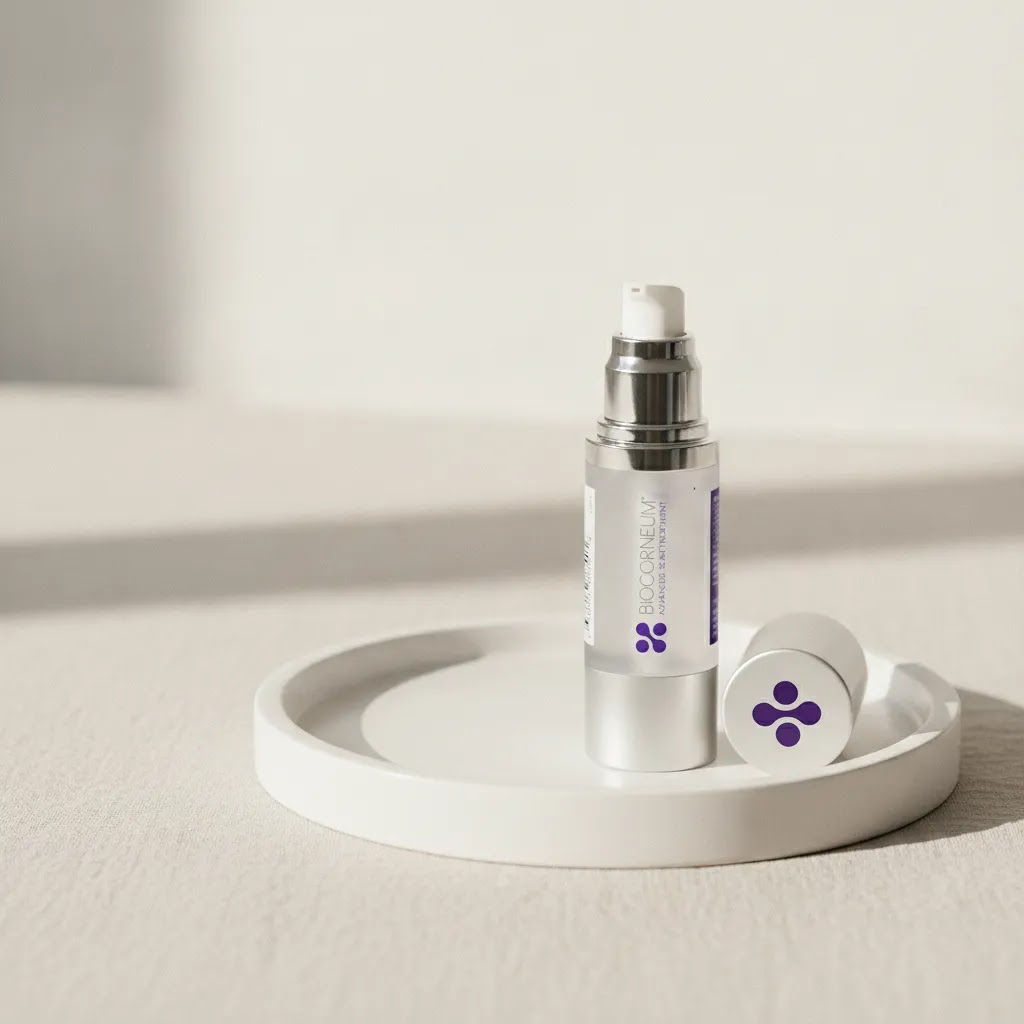
If you are looking beyond a simple shelf comparison, Nuance Medical offers broader educational resources around scar care and skin recovery. Readers interested in silicone-focused scar support may also find value in updates such as Introducing SiliSilk™: Everyday Silicone Scar Care, Simplified and BIOCORNEUM® SiliSilk™ Wins NewBeauty Award for Best Scar Gel. If you want personalized guidance, a no-pressure consultation is the best way to discuss whether your scar concern is likely to respond to topical care alone or may call for a different plan.
Mederma vs ScarAway Frequently Asked Questions
Is Mederma better than ScarAway?
Not universally. Mederma may be better for someone who wants a simple topical routine, while ScarAway may be better for someone specifically seeking a silicone-based format. The better option depends on the scar’s location, how new or mature it is, and what you can use consistently.
Is ScarAway better for raised scars?
It may be, especially when readers are choosing ScarAway for its silicone-based options. Silicone is commonly discussed in scar management for raised or potentially raised scars. Even so, not every raised scar responds the same way, and some may need professional review.
Does Mederma work on old scars?
Mederma may still be used on older scars, but expectations usually need to be modest. Mature scars often change more slowly than newer ones, and texture or color may not shift dramatically. Improvement, if it happens, can take time and varies by the scar itself.
Do silicone sheets work better than scar gels?
Sometimes, but not in every case. Silicone sheets may provide longer contact time and a controlled environment over the scar, which some people prefer. Gels may be easier on the face, hands, or curved areas where sheets do not sit well.
Can I use Mederma or ScarAway right after surgery?
Usually not until the skin is fully closed and your treating clinician says topical scar care is appropriate. Applying scar products too early can irritate healing tissue or interfere with wound care. Postoperative timing is individualized and should follow professional guidance.
Which is easier to use under makeup or sunscreen?
Mederma-style topical application is often easier under other products because it behaves more like a standard skin-care step. Sheets can be more visible and may not layer naturally with cosmetics. Your answer may also depend on whether the scar is facial or covered by clothing.
Can either product remove a scar completely?
No over-the-counter scar product should be expected to remove a scar completely. These options may help reduce the look or feel of a scar over time, but they do not erase tissue that has already formed. Promises of complete removal should be approached with caution.
What is the most effective scar gel?
The most effective scar gel is usually the one you can use consistently and that matches your scar type and location. For raised scars, silicone-based gels are commonly discussed in scar management because they create a barrier that supports hydration and pliability. A qualified practitioner can help you choose a format that fits your skin’s sensitivity and your daily routine.
Does ScarAway actually work?
ScarAway may help improve the appearance or feel of certain scars over time, particularly when used consistently on fully closed skin. Its silicone-based formats align with a commonly recommended approach for raised scars, but results vary by scar type, age, and adherence. If a scar is enlarging, itchy, or painful, professional evaluation is a better next step than relying on over-the-counter care alone.
What’s better than Mederma?
“Better” depends on what you are treating and what you will actually keep using. Many people consider silicone gels or silicone sheets a stronger match for raised scars because of the wear pattern and barrier effect. If the concern is post-inflammatory marks rather than true scar texture, a different topical strategy and strict sun protection may be more relevant than changing scar gel brands.
Is Mederma better than silicone for scars?
Mederma may be a better fit if you will not tolerate sheets or you prefer a rub-on step that blends into skin care. Silicone is often favored in scar-care discussions for raised scars because it can stay in contact longer and supports hydration, but it is not automatically best for every location or every scar concern. A consultation is the most reliable way to match the product format to the scar behavior you are seeing.
Mederma vs ScarAway Recap
If you want the short answer, choose ScarAway for a silicone-first format and choose Mederma for a more familiar topical routine. The decision is less about which name sounds stronger and more about which format your skin, scar location, and schedule will actually support.
| Pick | Product | Best for | Price |
|---|---|---|---|
| 1 | Mederma | People who want a simple gel or cream-style application | Varies by retailer |
| 2 | ScarAway | People who want silicone sheets or another silicone-based format | Varies by retailer |
Key Takeaways
- Mederma vs ScarAway is mainly a format choice: a topical rub-on route versus a more silicone-centered route.
- Scar location, visibility, and routine adherence often matter as much as the product label.
- ScarAway may suit readers focused on silicone sheeting, while Mederma may suit readers who dislike adhesives.
- Neither option can guarantee improvement or remove a scar completely.
- If a scar is changing, symptomatic, or not clearly healed, medical guidance is the safest next step.
Mederma vs ScarAway bottom line
For many readers, ScarAway is the stronger pick when the priority is a silicone-based format and the scar sits in a place where extended wear feels realistic. Mederma is often the better pick when you want a simple topical routine and know a sheet would likely stay unused in a drawer.
However, that verdict only holds when the product matches the scar and the person using it. A measured scar-care plan should leave room for skin sensitivity, scar maturity, and realistic expectations. If you want help thinking through next steps, Nuance Medical offers pressure-free educational resources and medically oriented guidance to help you compare options with more confidence.
Medical Disclaimer: The information provided in this article is intended for general informational and educational purposes only. It does not constitute medical advice and should not be used as a substitute for a professional consultation with a qualified aesthetic practitioner or healthcare provider. Individual results from aesthetic treatments vary. Always seek the advice of a qualified medical professional before undergoing any cosmetic procedure.