This article explains the early prevention window, how to judge second degree burn scar risk in a practical way, what people often misunderstand about burn gel and lidocaine products, and when it makes sense to seek medical guidance instead of relying on home care alone.
How likely is a second degree burn scar?
Not every second degree burn scar becomes obvious or raised, but the chance goes up as healing takes longer. In simple terms, a superficial partial-thickness burn may heal with temporary pinkness or discoloration. A deeper partial-thickness burn is more likely to leave a lasting mark.
The most useful question is not just “do second degree burns scar,” but “how deep is this burn, and how quickly is it healing?” If new surface skin forms within about two weeks, scar risk is often lower. If the wound stays open longer, the odds of pigment change, texture change, or thicker scar formation tend to rise.
Picture two kitchen injuries. One is a brief splash that forms a small blister and settles quickly. The other is a larger contact burn from a hot pan edge, with pale moist skin, more pain, and slower closure. Both can fit the second degree burn category, but they do not carry the same scar risk.
If you want a broader overview of categories and recovery patterns, our burn scars guide can help place this topic in context. You can also compare visual patterns in What do Burn Scars Look Like.
Second degree burn scar prevention window: what matters most
The early prevention window starts right after the burn and continues until the skin surface fully closes. During this phase, the priority is not cosmetic treatment. Instead, focus on protecting viable tissue, limiting extra trauma, supporting a clean healing environment, and watching for signs that the burn is deeper than it first appeared.
The first 24 hours of second degree burn scar prevention
Cooling the area promptly with cool running water, not ice, may reduce ongoing heat injury in minor burns. Harsh home remedies can add irritation instead of relief. For example, butter, toothpaste, essential oils, and heavily fragranced creams are not good substitutes for proper burn care. For general first-aid guidance, see the American Academy of Dermatology’s minor burn care advice.
The next several days after a second degree burn
This is often when uncertainty sets in. Blisters may enlarge. The area may look wetter or more raw, and pain may fluctuate. Focus on gentle wound care and close observation. If the skin is still open, the burn is still healing, and scar prevention still depends on wound management first.
Why this second degree burn scar stage affects future scarring
Excess inflammation, repeated friction, infection, and delayed healing can all contribute to a more noticeable scar later. That does not mean perfect early care guarantees an invisible result. It means this first phase gives you the best chance to support more organized healing.
Second degree burn scar healing stages: what “normal” can look like
Here’s the thing: most people do not struggle with the idea of “a second degree burn.” They struggle with what they are seeing day to day, especially when the appearance changes quickly. While every burn is different, a simple stage-by-stage framework can help you track whether the trend is moving in the right direction.
Clinicians often group partial-thickness burns into superficial partial-thickness and deep partial-thickness. Those labels matter because they tend to heal differently. In addition, deeper injuries are more likely to heal slowly, which can raise scar risk. A qualified clinician can assess depth in person, but you can still use the visual pattern and timeline below to know what questions to ask.
A practical second degree burn scar timeline you can compare to what you see
First 24 hours: The area is often red, hot, and tender, and it may start to swell. Some burns look deceptively mild early on. Then they show more of their depth over the next day. If a blister forms, it may look like a clear, fluid-filled “bubble” or a thin roof over moist tissue.
Days 2 to 5: Blistering and “weeping” are common in many second degree burns, especially superficial partial-thickness injuries. The surface may look shiny and wet, with a raw pink base under a thin blister roof. It is often very painful to touch or expose to air. Dressings may pick up light yellow fluid that dries to a crust at the edges. That can be normal, but the overall trend should still improve gradually.
Days 5 to 14: In many cases, the burn begins to re-epithelialize, meaning it starts to cover itself with fragile new surface skin. This new skin often looks like a smooth “new pink” patch. It is usually more sensitive than surrounding skin and can feel tight or itchy as it matures. You might also notice a clear border between older, darker surrounding skin and the newer pink center.
Weeks to months (remodeling phase): After the surface closes, the skin enters a slower remodeling process. Color can shift from pink to lighter, or from pink to darker brown, depending on skin tone, sun exposure, and how much inflammation is still present. Texture can change too. Some areas flatten and soften over time, while others thicken or feel more “rope-like” if the scar response is more active.
| Timeframe | What you may see | What it can mean for scar risk |
|---|---|---|
| First 24 hours | Red, hot, tender skin; swelling; blister formation | Depth may still declare itself over the next day |
| Days 2 to 5 | Blistering, weeping, shiny wet surface, raw pink base | Improvement should trend gradually, even if drainage is light |
| Days 5 to 14 | Fragile new pink skin forms; edges close inward | Closure within about two weeks often lowers scar risk |
| Weeks to months | Color and texture continue to change during remodeling | Persistent redness, darkening, thickening, or tightness may become more apparent |
Superficial partial-thickness vs deep partial-thickness second degree burn scar cues
Superficial partial-thickness burns often look moist and pink or bright red under the blister. They tend to be very painful and sensitive. They also often close faster if you protect them and maintain an appropriate healing environment.
Deep partial-thickness burns can look paler, mottled, or waxy in areas, sometimes with less uniform redness. In some cases, they appear dry in spots compared with a more superficial burn. Pain can still be significant, but certain deeper areas may feel less sharply sensitive. Closure often takes longer. Because slower closure raises the chance of pigment change and thicker scar formation, this distinction matters.
When second degree burn scar healing looks off
You do not need to diagnose the burn at home to recognize when the trend is off. Consider an evaluation if you notice any of the following as the days pass:
- Redness that spreads outward rather than settling, or increasing warmth and swelling after initial improvement.
- Drainage that becomes heavier, cloudy, or foul-smelling, or a dressing that is suddenly soaking through more than before.
- Pain that is escalating rather than stabilizing, especially after day two or three.
- Healing that seems “stalled,” meaning the area stays open and raw without clear edge-to-center closure over the first one to two weeks.
- New areas that look pale, gray, or unusually patchy compared with the rest of the burn.
If you are unsure, an in-person assessment can clarify depth, confirm whether the healing environment is appropriate, and help you avoid waiting until the burn has already stayed open long enough to raise scar risk. In addition, the Mayo Clinic burn first-aid guide outlines when home care is no longer enough.
What early second degree burn scar care may help
People often search for jelly burn care, burn gel, or over the counter burn cream because they want quick relief. Relief matters, but the product should fit the stage of healing.
For a fresh minor burn, gentle cleansing, appropriate dressings, and moisture balance often matter more than a long ingredient list. Do not let the skin dry out enough to crack. Likewise, do not cover it with irritating products that trap debris or trigger contact irritation.
- Keep the area clean with mild cleansing as directed by a clinician.
- Protect the burn from rubbing, picking, and unnecessary sun exposure.
- Do not intentionally pop blisters unless a clinician advises otherwise.
- Watch for spreading redness, drainage, unusual odor, or worsening pain.
If healing becomes prolonged, scar risk shifts. At that point, the focus may move from simple home first aid toward more structured follow-up. Readers comparing different scar stages may also find our article on healed burn scars useful once the surface is no longer open.
Second degree burn scar questions about lidocaine and burn products
 Questions like “can you put lidocaine on a burn?” and “does lidocaine burn?” come up often because pain and stinging can be intense. Lidocaine is a numbing ingredient used in some topical products, but that does not make every lidocaine product appropriate for every burn.
Some products cause temporary stinging, especially when the skin barrier is broken. That feeling does not always mean the ingredient is harmful. However, it does mean you should stay cautious with open or more significant burns. A product made for intact skin or minor irritation may not suit blistered, raw, or larger burns.
If you are browsing Topical Pain Relief, keep pain relief separate in your mind from scar prevention. A numbing spray or burn spray with lidocaine may help comfort in selected situations, but it does not replace proper wound assessment.
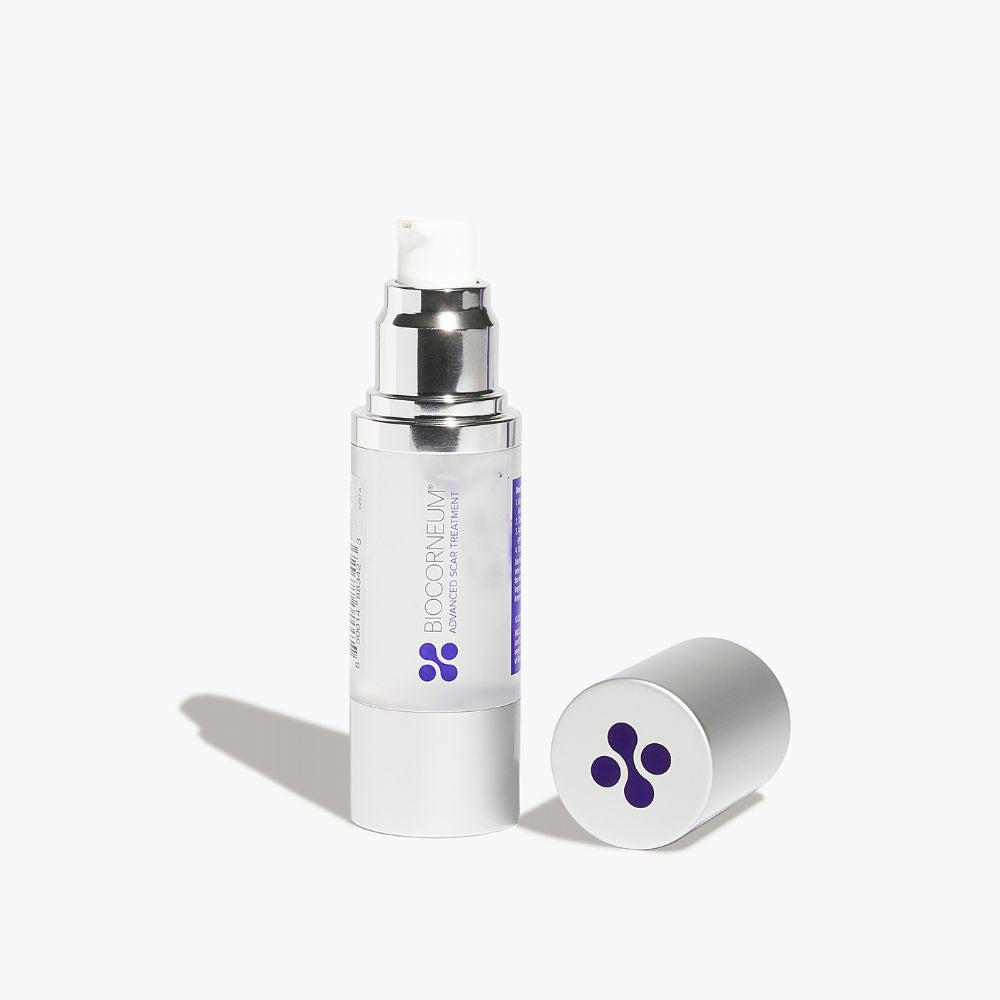
For longer-term scar support after full closure, silicone is often part of the conversation. For example, BIOCORNEUM SiliSilk Advanced Scar Gel, 30g is priced at $84.95.
This product is described as a professional-grade silicone scar gel with an ultra-smooth, silky finish and a clear, fast-drying formula. The timing matters, though. Clinicians typically discuss silicone scar care after the skin fully closes, not on an open, actively healing burn wound. Nuance Medical’s educational content follows that same cautious sequence. It puts skin safety first and cosmetic support second. You can also read Introducing SiliSilk™: Everyday Silicone Scar Care, Simplified for more on that category.
Second degree burn scar care: silicone scar gel vs silicone sheets
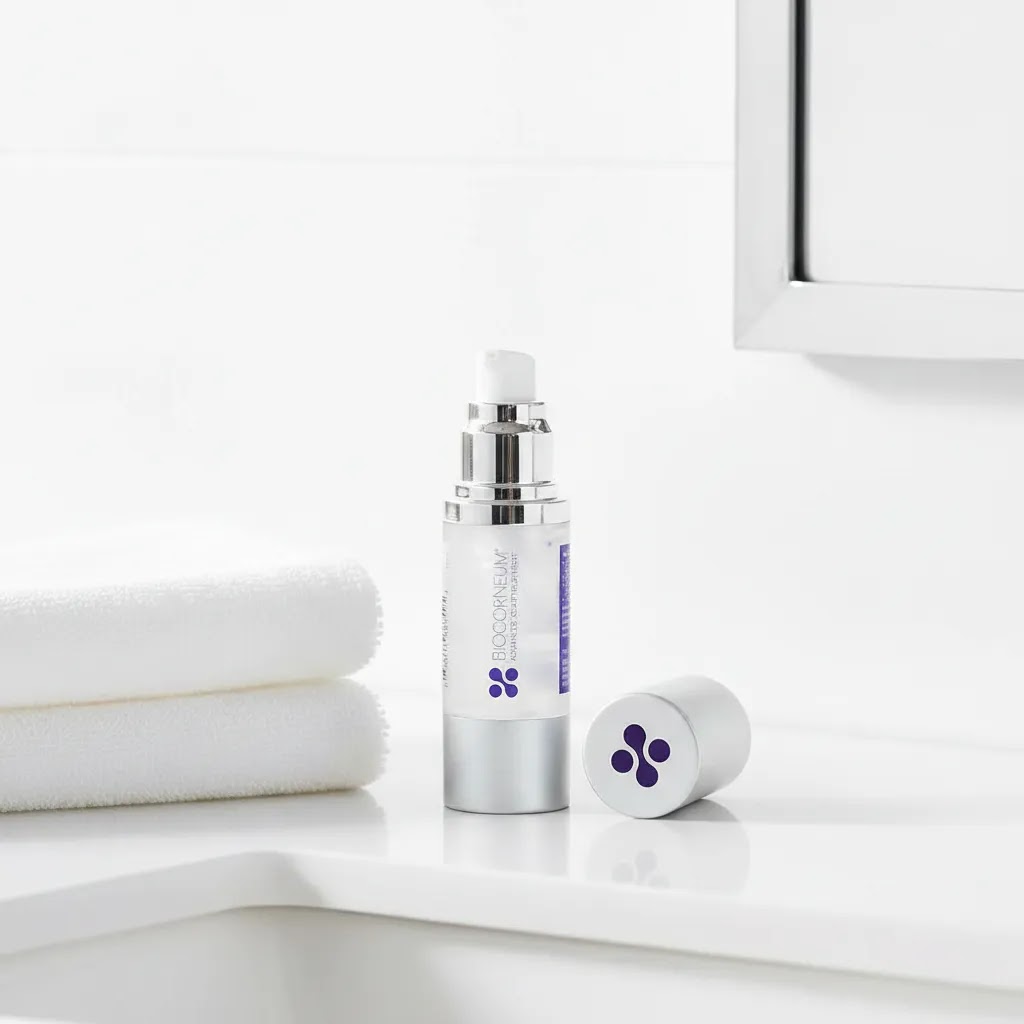
Most people are not choosing between “good” and “bad.” They are choosing between formats. Silicone scar gels and silicone sheets both sit on top of healed skin as a protective layer. Over time, they support a calmer scar environment. The difference is simple: gel is painted on, while sheeting is worn.
The timing matters. Silicone is typically discussed only after the skin has fully closed. If you still have open areas, active oozing, or unstable crusting, you are still in wound care territory. In that setting, a qualified clinician should guide next steps.
How each second degree burn scar format tends to fit real life
Silicone scar gel is applied in a thin layer to clean, dry, intact skin and allowed to dry. In practice, this can be easier for people who want something low-profile during the day, need to apply under clothing, or have a scar in a place where a sheet will not stay put.
Silicone sheets are soft, flexible dressings that adhere over the scar. Many people like sheets for larger areas because the coverage is obvious and consistent. That said, sheets can be harder to use on high-movement areas where bending and friction are constant.
Use-case guidance for second degree burn scar care: location often decides for you
The “best” option is often the one you can apply consistently.
- Curved areas and joints (knuckles, elbows, knees): gel is often simpler because sheets can lift at the edges with movement and sweat.
- Larger, flatter areas (forearm, thigh, torso): sheets can be practical if they adhere comfortably and do not roll or bunch.
- Friction-prone spots (waistbands, bra lines, areas under straps): gel may reduce the hassle of edges catching, but you still want to minimize rubbing from clothing when you can.
- Visible daytime wear (hands, neck): gel can be less noticeable, while a sheet may be more protective but harder to keep in place without drawing attention.
What “consistent” looks like, and why patience matters
Competitors are right about one thing: consistency matters more than intensity. Whether you choose gel or sheeting, results typically require steady use over weeks to months. Individual response also varies based on burn depth, skin tone, genetics, and how much tension the area is under.
Sun exposure and friction also matter during remodeling. A new burn mark can darken or stay red longer if you repeatedly irritate it or expose it to ultraviolet light. Silicone can support the surface environment, but it cannot override ongoing irritation, and it cannot turn an open wound into a healed one. As with any scar approach, irritation or sensitivity can occur, so a clinician can help you decide which format fits your skin and lifestyle. If you want product-specific reading, see Biodermis Silicone Scar Sheets or Biocorneum Scar Gel: SPF 30, Results, and Comparisons.
What to do once a second degree burn scar area has fully closed
Once there is intact surface skin and no open areas, oozing, or crusted breakdown, scar management becomes more relevant. This is the point where a clinician may discuss hydration, sun protection, massage in selected cases, and silicone-based scar care depending on how the area looks and feels.
Sun protection matters because newer burn scars can darken more easily than surrounding skin. A pink, fresh patch may shift toward brown or red-brown and stay visible longer after unprotected exposure. Clothing coverage and sunscreen, if appropriate for the stage of healing, may help reduce extra pigment change.
Texture also evolves slowly. Early redness does not always equal permanent scarring. A new scar can look vivid, shiny, or uneven for weeks to months before settling. If the area becomes raised, itchy, firmer, or tight, follow-up becomes more important.
If your burn came from an irritant rather than heat, our article on chemical burn scar covers a related but different healing pattern. You may also find How Long does It Take for Scars to Fade helpful when thinking about longer remodeling timelines.
What does a second degree burn scar look like over time?
Many patients overlook one key point: a “scar” does not have just one look. A second degree burn area can pass through several appearances, and early color change is not always the final outcome. More concrete descriptions can make it easier to tell whether you are seeing normal remodeling or a scar that is becoming more established.
Early second degree burn scar changes after closure
In the early period after the skin closes, it is common for the area to look like a smooth pink or red patch, often with a slightly shiny surface. Some people notice mild dryness or flaking at the edges. Others feel tightness when they stretch the nearby skin. The shape often mirrors the original injury, such as a splash pattern, a curved pan-edge line, or a more defined contact outline.
Depending on your skin tone and how much sun exposure or inflammation occurs, the area may also look darker than surrounding skin, ranging from light brown to deeper brown discoloration. This type of color change can still improve gradually over time. However, it tends to fade more slowly if the burn healed slowly or if the area is repeatedly irritated.
More established second degree burn scar patterns
As the scar matures, you might notice persistent color difference, texture change, or both. Some scars stay slightly shiny and smoother than the surrounding skin. Others become a bit thicker, with a subtle raised ridge, especially along the edges where tension is higher. Itchiness can also show up during remodeling. While itch alone is not a diagnosis, it is one reason people seek follow-up when the scar feels active.
There are also different raised-scar tendencies that clinicians often describe in plain categories:
- Hypertrophic-type patterns are raised and firmer but tend to stay within the original injury boundary.
- Keloid-type tendencies can extend beyond the original injury line in people who are genetically predisposed.
Location and genetics matter here. Areas under higher tension, such as the chest, shoulders, upper back, and joints, can be more prone to thickening. Some people also have a personal or family history of raised scarring. If you are noticing progressive elevation, tightness, or a scar that seems to be building rather than settling, a clinician can assess what type of scar behavior it resembles and what options may fit your situation.
What can still change, and what tends to persist
Scar remodeling can continue for months. Color often softens gradually, and the scar may flatten and feel less tight as collagen reorganizes. What tends to persist longer is a clear outline of the injury, ongoing pigment difference in some skin tones, or texture change in deeper burns. Ultimately, even when a mark does not disappear completely, many scars become less noticeable with consistent protection, appropriate topical support, and time.
Common second degree burn scar myths people repeat online
Online discussions about burns are full of confident advice that does not hold up well in real life. A few myths show up again and again.
“If it blistered, it will definitely scar”
Not always. Blistering suggests at least partial-thickness injury, but depth within that category varies. A small blistered burn may heal with minimal lasting trace, while a deeper one may scar more noticeably.
“If pain improves, the scar risk is over”
Pain level and scar risk do not track perfectly together. In some cases, deeper burns become less painful as nerves are affected, even while healing is slower.
“Any burn gel is fine as long as it feels soothing”
Soothing does not automatically mean appropriate. Some products are mainly for comfort, some are meant for intact skin, and some may irritate already fragile tissue.
“Once the wound closes, whatever scar forms is permanent immediately”
Scar remodeling takes time. Fresh burn scars often keep changing for months. This is one reason measured follow-up matters more than quick conclusions.
Nuance Medical generally encourages this slower, more realistic view of recovery. Good scar care is usually about consistency, timing, and professional judgment rather than dramatic promises. Readers interested in the broader category can explore Scar Treatment & Skincare.
Signs you should get medical evaluation for a second degree burn scar risk
Home care has limits. Some burns deserve prompt professional assessment, especially during the prevention window when treatment decisions may affect healing quality.
- If the burn is large, deep-looking, pale, charred, or located on the face, hands, feet, joints, genitals, or a large body area, seek medical care.
- If pain, redness, swelling, or drainage worsens after initial treatment, get evaluated.
- If the wound is not closing within roughly two weeks, scar risk may be higher and clinical review is wise.
- If you notice increasing tightness, thickening, or restricted movement after closure, follow-up matters.
That kind of timely review can be especially helpful if your concern is not only wound healing, but also the cosmetic and functional outcome later. Related recovery content, including Introducing BIOCORNEUM’s New Dual-Action Bruise Care System, may also be useful if you are comparing how post-injury skin support products fit into a broader aftercare routine.
Medical Disclaimer: This article is intended for informational and educational purposes only. It does not constitute medical advice and should not be used as a substitute for professional consultation with a qualified medical or aesthetic practitioner. Individual results vary. Always seek the guidance of a licensed healthcare professional before pursuing any aesthetic treatment.
Frequently Asked Questions
Do second degree burns scar every time?
No, second degree burns do not scar every time. Scar risk depends on factors such as burn depth, location, inflammation, infection, and especially how long the wound takes to close. A more superficial partial-thickness burn may heal with temporary pinkness or discoloration only, while a deeper partial-thickness burn is more likely to leave texture change or a thicker mark. This is why early assessment matters more than the label alone.
How long does the scar prevention window last?
The scar prevention window generally lasts from the moment of injury until the skin has fully closed and stabilized. During that period, the priority is cooling, protecting, cleaning, and monitoring the wound rather than treating it like a mature scar. If healing is delayed beyond about two weeks, the chance of noticeable scarring often rises. That does not mean a scar is unavoidable, but it does mean follow-up becomes more important.
Can a jelly burn leave a scar?
Yes, a jelly burn can leave a scar if the skin injury is deep enough or healing is prolonged. The phrase “jelly burn” is often used casually for burns that look wet, blistered, or gel-treated, but the real issue is the depth of tissue damage. If the surface stays open, becomes infected, or is repeatedly irritated, the likelihood of a visible scar may increase. A clinician can help determine whether the appearance matches a superficial or deeper partial-thickness injury.
Can you put lidocaine on a burn?
Sometimes, but not every burn and not every lidocaine product should be treated the same way. Some topical anesthetic products are intended for minor pain relief, while blistered, raw, or larger burns may need a different approach. Broken skin can also react differently than intact skin, and some products may sting on application. If you are unsure whether a product is appropriate, it is safer to ask a qualified healthcare professional than to self-treat a more serious burn.
Does lidocaine burn or sting when applied?
It can. Some people notice brief burning, stinging, or irritation when a topical product is applied, especially if the skin barrier is damaged. That does not always mean there is a serious problem, but it may signal that the formula is not ideal for that wound stage or skin condition. If discomfort is significant, persistent, or paired with worsening redness or swelling, stop using the product and seek medical guidance.
What is the best over the counter burn cream for preventing scars?
There is no single over the counter burn cream that can guarantee scar prevention. In the open-wound phase, the biggest priorities are appropriate wound care, moisture balance, and avoiding infection or repeated trauma. After full closure, a clinician may discuss scar-focused products such as silicone-based options, depending on the scar’s behavior and location. The right timing matters as much as the product itself.
When can you start silicone scar care after a burn?
Silicone scar care is usually considered after the burn has fully closed and there are no open areas, active drainage, or unstable crusts. Starting too early on raw skin may irritate the area or interfere with wound care. Once intact skin has formed, silicone may be part of a broader scar-management plan aimed at supporting a flatter, calmer appearance over time. Exact timing can vary, so individualized guidance is helpful.
Will a second degree burn scar stay red forever?
Not necessarily. Newer scars often look pink, red, or darker than the surrounding skin for a period of time, especially in the early remodeling phase. In many cases that color gradually shifts over months, though some scars remain more visible than others. Sun exposure, skin tone, burn depth, and ongoing inflammation can all affect how long redness or discoloration lasts. A scar that is still changing early on is not automatically a final result.
What makes a burn scar more likely to become raised?
Raised scarring is more likely when inflammation is prolonged, healing is delayed, the wound is deeper, or the area is under repeated tension or friction. Genetics and body location can matter too, with some people simply more prone to thick or overactive scar formation. A scar that becomes itchy, firm, or progressively elevated deserves attention, especially if it also feels tight or starts to affect movement.
When should I worry that a second degree burn is not healing normally?
You should be concerned if the burn is not clearly improving, remains open longer than expected, or develops increasing redness, swelling, drainage, odor, or worsening pain. Burns on the face, hands, joints, feet, or genitals deserve a lower threshold for medical evaluation because function and cosmetic outcome matter more in those areas. If you are uncertain about depth or healing speed, getting assessed earlier is often the safer choice.
Does a 2nd degree burn scar go away?
A 2nd degree burn scar may fade and become less noticeable over time, but it does not always go away completely. Many marks improve gradually over months as the scar remodels, especially if the burn closed relatively quickly and the area is protected from sun and friction. Deeper or slower-healing burns are more likely to leave lasting color or texture difference, and a clinician can help you understand what improvement is realistic for your specific scar.
What does a 2nd degree burn scar look like?
A 2nd degree burn scar can look like a pink or red patch at first, and it may later become lighter or darker than the surrounding skin. Some scars look slightly shiny, feel tight, or develop mild thickening or a raised edge where the skin is under tension. Appearance varies based on burn depth, location, and genetics, so an in-person evaluation is the best way to assess scar type and risk.
How can you tell if a 2nd degree burn is healing?
A 2nd degree burn is often healing when the open, wet surface starts to shrink, new skin forms from the edges inward, and drainage and redness gradually decrease rather than increase. Many burns shift from blistering and weeping to fragile “new pink skin” as re-epithelialization occurs. If the area seems stalled, becomes more painful, or develops worsening drainage or odor, it is wise to seek medical evaluation.
Can burns cause permanent scarring?
Yes, burns can cause permanent scarring, particularly if the injury is deeper, becomes infected, or takes longer to fully close. Some scars leave lasting pigment change, texture change, or a raised area that continues to mature over months. While many burn marks improve significantly with time and appropriate scar support, no topical product can guarantee complete scar removal.
Key Takeaways
- A second degree burn scar is more likely when the burn is deeper or takes longer to close.
- The most important prevention window is the period before the skin has fully healed over.
- Pain-relief products and scar-prevention products are not the same thing, and timing matters.
- Silicone scar care is generally discussed after full skin closure, not on an open burn.
- Delayed healing, infection, thickening, or tightness are good reasons to seek professional evaluation.
Conclusion
If you are worried about a second degree burn scar, focus on timing rather than panic. The skin tells its story over days and weeks, not in the first few minutes after the injury.
A minor partial-thickness burn may heal with little lasting change. By contrast, a deeper or slower-healing burn may need more structured care to support the best possible outcome. What matters most is recognizing that the prevention window comes before the scar is fully formed.
That means protecting the wound, avoiding common product mistakes, watching healing speed closely, and getting help when the picture looks uncertain. If you want personalized guidance on scar support after the skin has healed, Nuance Medical offers educational resources and product pathways designed to help you explore your options calmly and realistically. You can review related scar care information or book a consultation if you would like help understanding what next steps may fit your situation.