
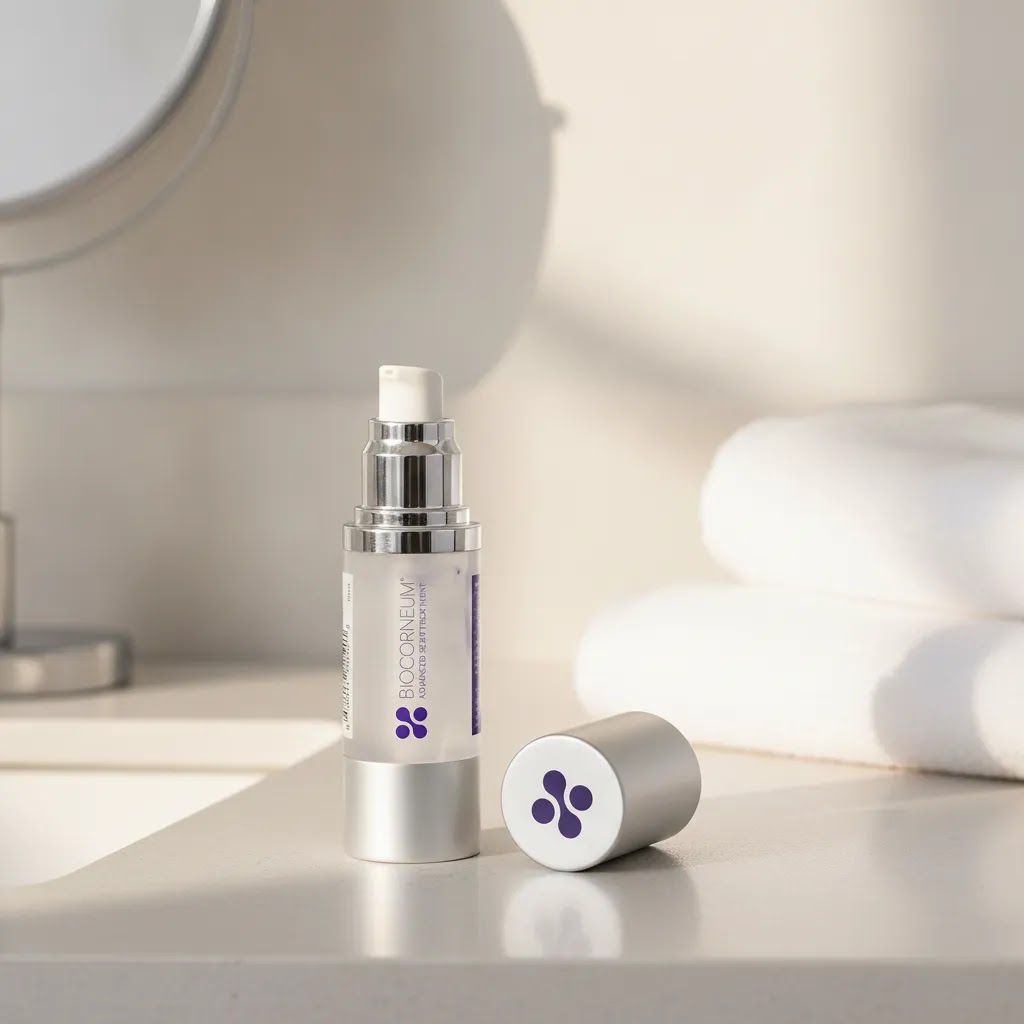
Acne Scar Removal Cream and Scar Type Reality
The term acne scar removal cream sounds simple, but acne marks are not all the same. A flat brown spot after a breakout behaves very differently from an indented scar that catches the light when you turn your face. Creams may help discoloration and support the skin surface. Still, they usually have limited effect on deeper structural change.
Most readers searching for acne scars cream are dealing with one or more of these patterns:
- Post-inflammatory hyperpigmentation, which looks brown or tan after acne heals
- Post-inflammatory redness, which can linger pink or red for weeks or months
- Shallow textural irregularity
- Indented acne scars, such as ice pick, boxcar, or rolling scars
- Raised scars, which are less common with facial acne but can happen
If your concern is mostly pigment, stronger topical actives may deserve serious attention. On the other hand, if your concern is a true indentation, an acne scar removal cream can play a supporting role but rarely replaces in-office treatment. That is why people comparing home products often also research the best acne scar treatment more broadly. You can also compare other acne scar products if you want a wider view of the category.
Acne Scar Removal Cream Actives With the Most Realistic Use
Removal-focused creams often rely on active ingredients that speed cell turnover, reduce pigment transfer, calm inflammation, or support more even surface renewal. Stronger does not always mean better. However, concentration still matters when you are deciding whether a product has a real mechanism or just a comforting label.
Retinoids for acne scar removal cream routines
Retinoids are vitamin A derivatives that encourage skin turnover and can support collagen activity over time. For post-acne discoloration and mild textural change, they remain one of the most established topical categories. Prescription retinoids are generally stronger than over-the-counter retinol products. As a result, many people notice a difference in both results and irritation potential.
With acne scars treatment cream, this category often gives you the most realistic chance of helping shallow unevenness and lingering pigment. Importantly, it works best when you use it for months, not days.
Alpha hydroxy acids and beta hydroxy acids
Glycolic acid, lactic acid, and salicylic acid can help loosen dead surface cells and improve the appearance of post-acne marks. Higher-strength exfoliating creams may make skin look smoother and brighter. However, overuse can backfire by increasing irritation and prolonging redness. That point matters even more if your barrier is already sensitive from acne treatments.
Azelaic acid
Many people choose azelaic acid because it can address both acne-prone skin and discoloration. It may help red and brown post-breakout marks, and some patients tolerate it better than stronger acids. For adults who still break out but also want to improve leftover marks, this ingredient can offer a practical middle ground.
Hydroquinone and pigment-focused fading agents
For darker marks, pigment inhibitors can be part of a doctor-guided plan. Hydroquinone is one of the best-known examples for hyperpigmentation. However, a clinician should personalize suitability, concentration, and treatment duration. It is not a universal fix, and clinicians do not intend it for casual, indefinite use without guidance.
Silicone-based scar gels
Silicone belongs in the scar conversation, but not for the same reasons as retinoids or pigment creams. Silicone has a stronger track record in scar management because it supports hydration and protects the surface environment, especially in healed surgical or injury-related scars. If you are evaluating a general acne scar cream, silicone may matter only in specific situations, such as a raised scar after a healed lesion or procedure, rather than typical indented acne scarring. For a deeper look, see does silicone scar gel work on acne scars.
Limits of Acne Scar Removal Cream Use
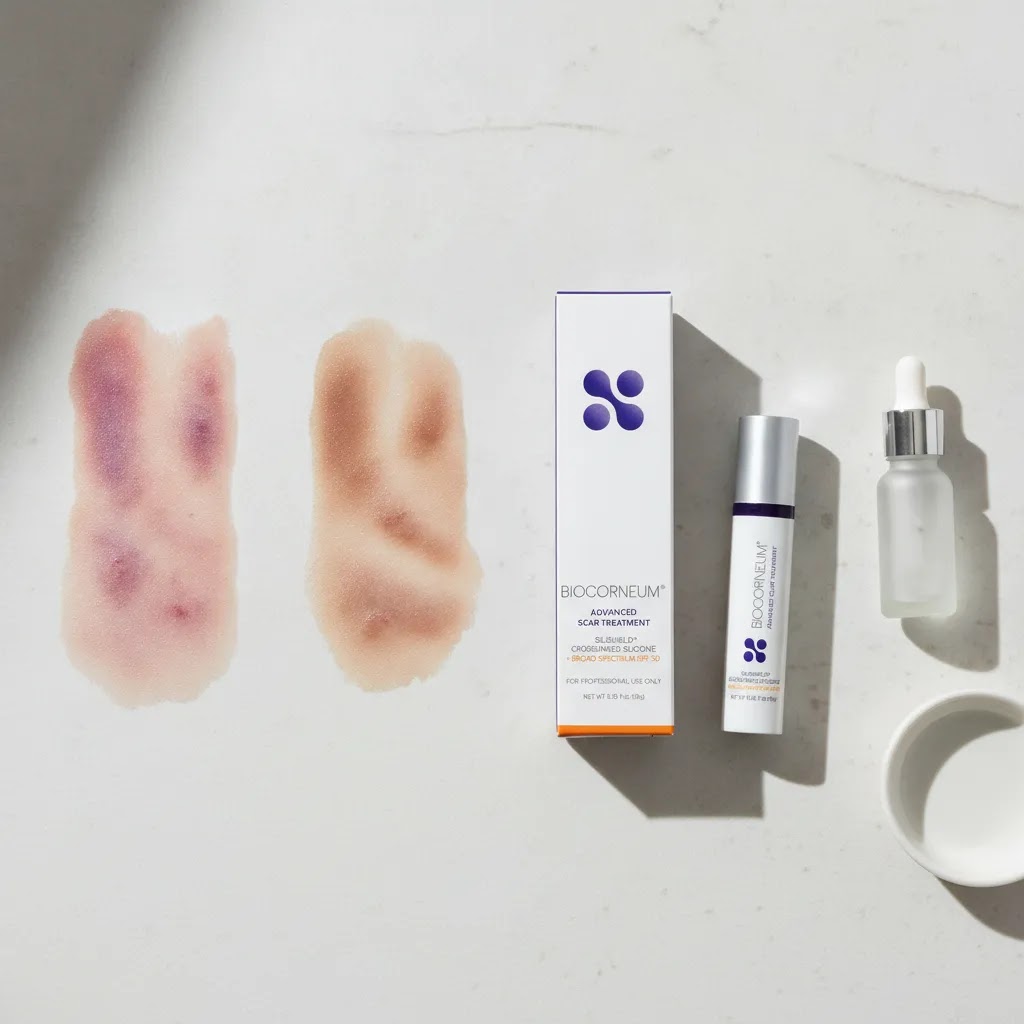
This is where many online product claims become misleading. A cream may improve color contrast, soften dryness, and help skin reflect light more evenly. That can still be meaningful. It may even make scars look less obvious in daily life. But a topical product does not physically lift a deep, tethered acne scar the way subcision, resurfacing, or certain procedures can.
Picture the difference between a stain on fabric and a dent in wood. A stain may fade with the right cleaner. A dent involves structure. Acne scars can work the same way. If your skin concern looks shadowed from the side, or makeup settles into small pits, structure often matters more than surface cream alone.
At a qualified aesthetic clinic like Nuance Medical, clinicians usually cover that distinction during consultation. As a result, a medically informed evaluation can help you avoid months of chasing an acne scar removal cream for a concern that may need a different treatment category altogether.
Acne Scar Treatment Options Beyond Cream
Once a scar is structural, the most meaningful changes often come from treatments that remodel skin texture, release tethering, or restore volume. Structural usually means the surface dips, the edges feel sharp, or the area creates a shadow in side lighting. Creams can still support skin quality and pigment. However, they are rarely the only tool for indented acne scars.
How clinicians match treatment to scar behavior
In practice, clinicians often map acne scars to a few in-office treatment categories based on what the scar is doing:
- Surface texture and tone: Clinicians often use chemical peels, microneedling, and laser resurfacing to encourage more even surface renewal. Think of this as smoothing the top layer and signaling the skin to remodel over time.
- Tethering and rolling scars: Subcision targets the fibrous bands that can pull the skin downward. The goal is not to “fill a hole” with a cream, it is to release what is holding the scar down.
- Lost volume and broader depressions: In some cases, clinicians use dermal fillers to support volume under certain scars. This tends to be a case-by-case decision based on anatomy, scar type, and long-term plan.
- More aggressive texture change: Dermabrasion and deeper resurfacing approaches exist, but they typically involve more downtime and more careful patient selection.
Why acne control still comes first
What many patients overlook is that acne control often matters before scar revision. If you are still breaking out, you can create new marks and scars while trying to treat old ones. A balanced plan usually starts by stabilizing active acne, protecting the skin barrier, and using sun protection consistently. Then it moves into texture-focused treatment when the skin is calmer.
Set expectations carefully. Even with well-chosen in-office treatments, the goal is often noticeable improvement, not total erasure. Furthermore, many scar plans require multiple sessions spaced over time because collagen remodeling and surface renewal are gradual processes.
Safety and consultation factors
Provider selection matters. Procedures that reshape skin, including energy-based resurfacing or deeper peels, can carry risks such as prolonged redness, irritation, pigment changes, or scarring in rare cases. A qualified practitioner can assess your scar type, skin tone, medical history, and tolerance for downtime during a consultation. Then that practitioner can recommend the most appropriate options and aftercare.
If your “scar” is mostly flat discoloration, topicals may be a rational first line. By contrast, if you see dents that catch light, edges that look sharply defined, or makeup that settles into pits, you may need something beyond an acne scar removal cream for the change you want. For more comparison, our best acne scar treatment guide can help.
Acne Scar Removal Cream Alternatives and Product Spotlights
These products sit closer to the scar-gel side of the conversation than to classic pigment-fading acne creams. That matters because shoppers often compare them alongside acne scar removal cream options even though their best fit may be different. Each product below gets its own role-based summary so you can compare size, finish, and use case more clearly.
| Product | Size | Price | Best fit described in this article |
|---|---|---|---|
| BIOCORNEUM SiliSilk Advanced Scar Gel | 30g | $84.95 | Scar-management product for healed raised or post-procedure scars, not a resurfacing cream for indented acne scars |
| BIOCORNEUM | 10g | $55 | Smaller format for testing whether silicone scar care fits your routine |
| BIOCORNEUM | 20g | $75 | Mid-range size for scar environment support rather than pigment-correcting active treatment |
| BIOCORNEUM | 50g | $130 | Larger size for broader scar areas or longer-term silicone scar care |
| Episof | 30 ml Pump | $79.95 | Limited U.S. relevance because the product page says it is no longer available for sale in the United States |
BIOCORNEUM SiliSilk Advanced Scar Gel, 30g
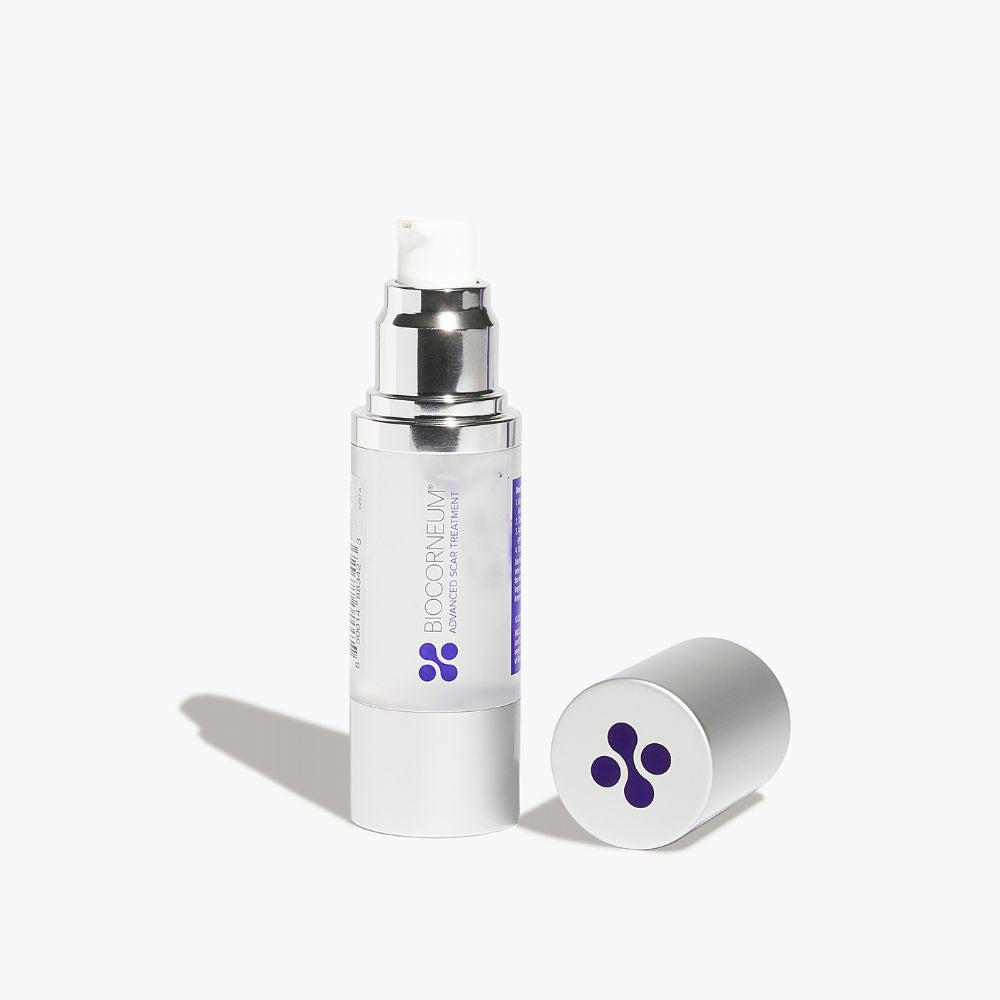
Price: $84.95
This silicone scar gel is described as clear, fast-drying, and lightweight, with an ultra-smooth silky finish. The product page also states that it layers well under sunscreen and makeup and is water- and sweat-resistant. Therefore, it may fit a daytime routine more easily.
For this article’s angle, it fits best if you are comparing strong-looking, professional-style topicals but want realistic expectations. It is a scar-management product, not an acne scar removal cream for indented acne scars. If your concern is a healed raised scar or a post-procedure scar, it may be more relevant than a typical acne dark-mark cream.
BIOCORNEUM 10g
Price: $55
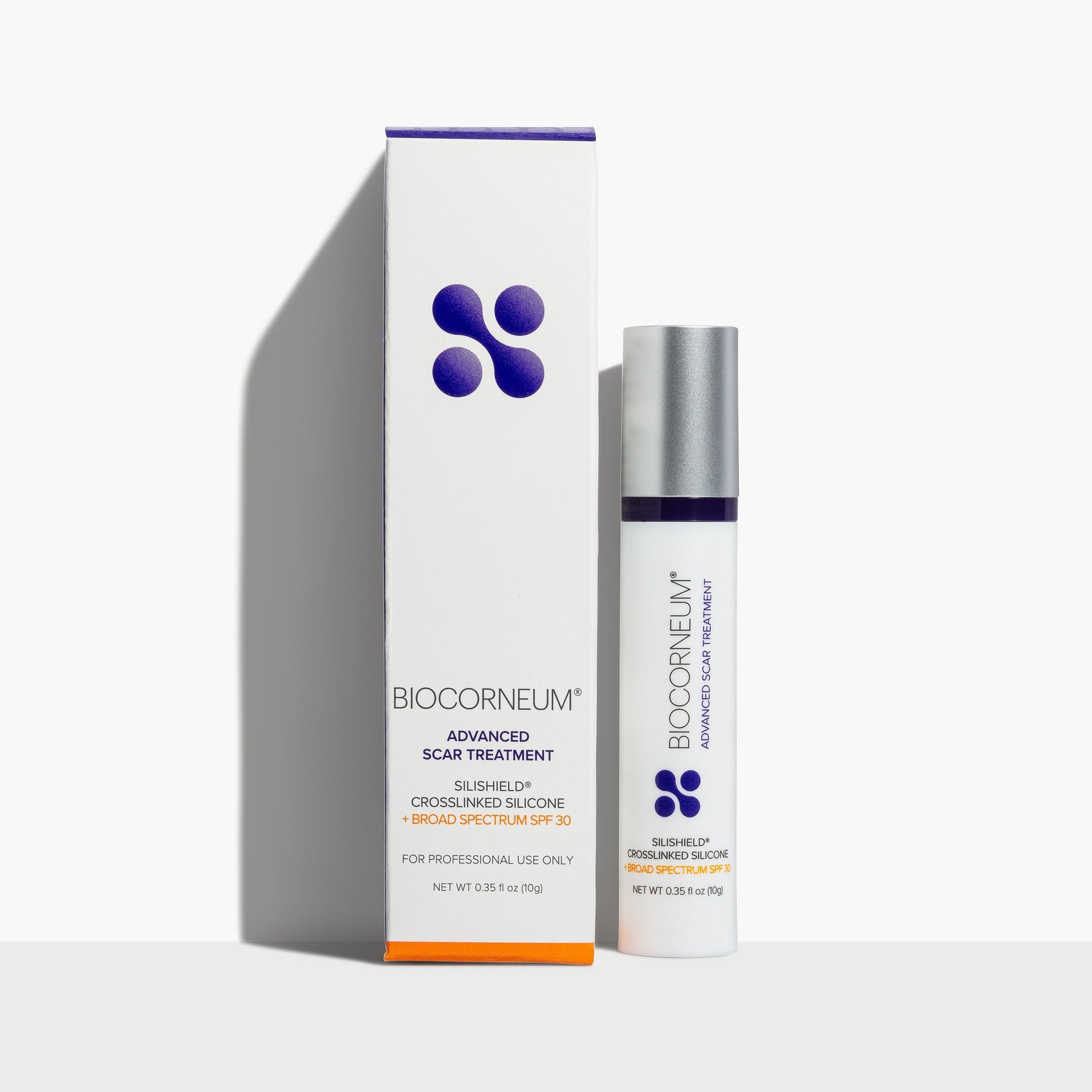
This size is positioned for scars from surgical and cosmetic procedures, trauma, wounds, and burns, and the product information says it may be effective on old or new scars. It is described as self-adhering, without tape, and suitable for areas that flex a lot or get sun exposure, such as the face, neck, chest, and hands.
If you are shopping cautiously and want a smaller format, this may suit someone testing whether silicone scar care fits their routine. It is not presented as an acne scar removal cream for pitted acne scars, so it works best as a scar-support product for healed raised or procedure-related scars.
BIOCORNEUM 20g
Price: $75
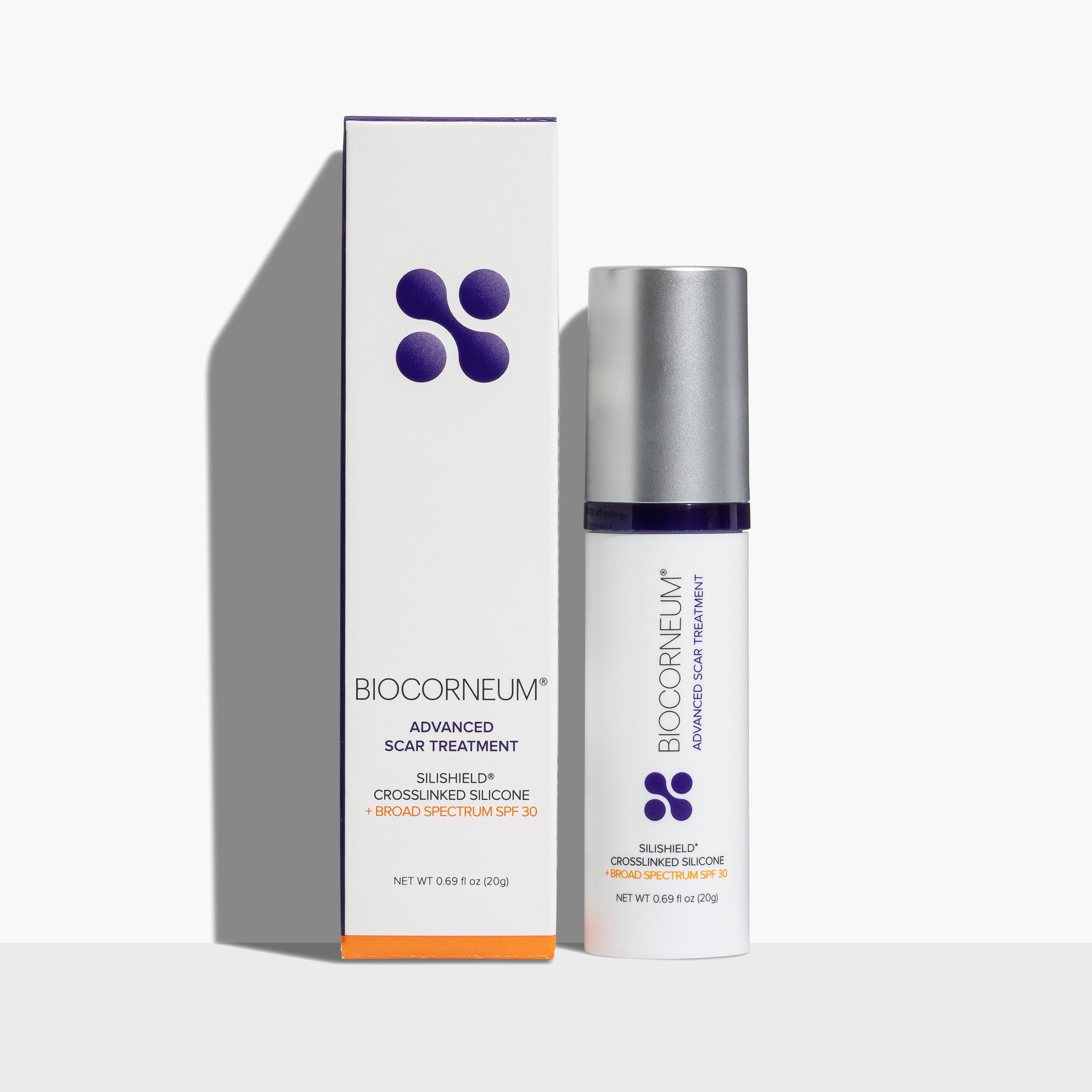
The 20g option carries the same stated scar-focused positioning as the smaller size, including use on scars from procedures, trauma, wounds, and burns. Its mid-range size may make sense if you have a treatment area that is larger than a small spot but do not want to commit to the largest tube immediately.
For readers comparing acne scars cream options, this belongs in the “scar environment support” category rather than pigment-correcting or collagen-stimulating active treatment.
BIOCORNEUM 50g
Price: $130
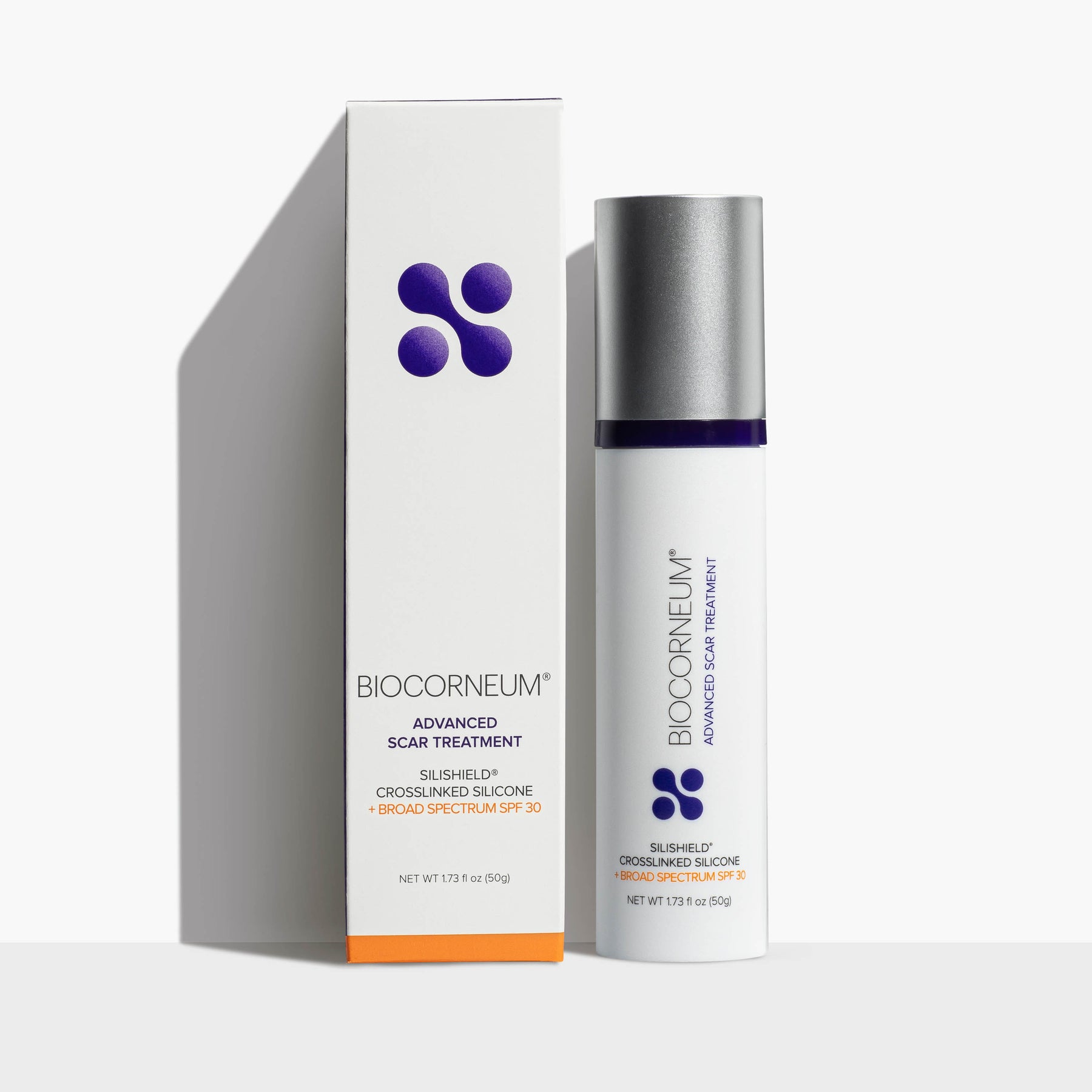
This is the largest BIOCORNEUM size listed here and may suit broader scar areas or longer-term use. The product page highlights the same core use cases, including scars on flexible, irregular, or sun-exposed areas, and notes that it can be combined with other treatment options your physician recommends.
If you already know silicone scar care is part of your plan, the larger size may offer better practicality for ongoing use. Still, you should not mistake it for a high-concentration acne fading cream.
Episof 30 ml Pump
Price: $79.95
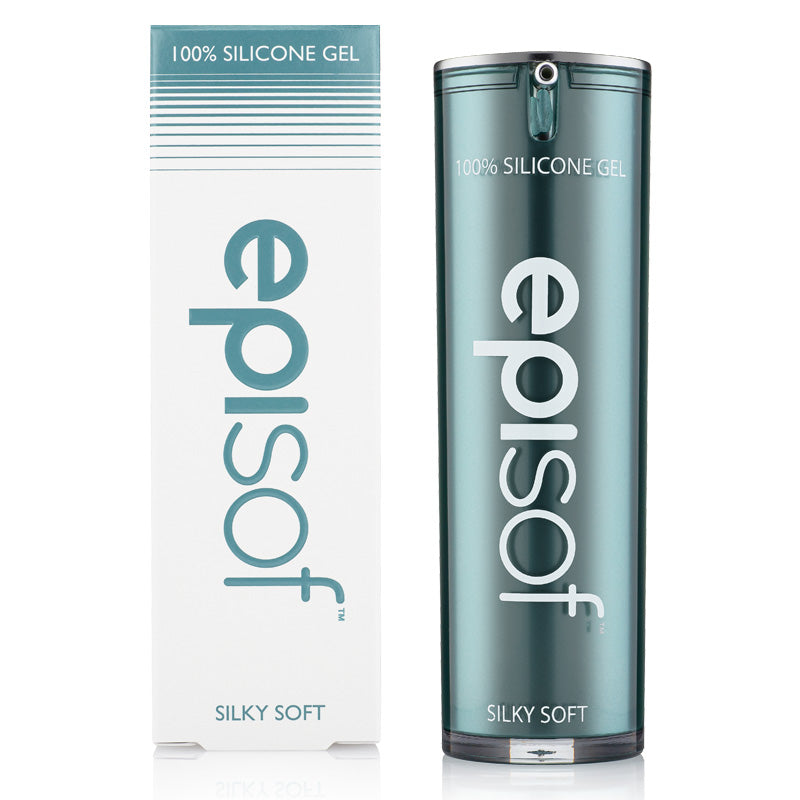
The key fact here is availability. The product page states that Episof is no longer available for sale within the United States and remains available for international distribution. For U.S. customers, the page directs readers toward BIOCORNEUM SiliSilk Advanced Scar Gel instead.
That makes Episof less of a direct shopping option for most U.S. readers researching acne scar removal cream. If you are in the United States, availability matters as much as the formula category.
How to Build a Practical Acne Scar Removal Cream Routine
- Identify the mark you actually want to treat. Brown marks, red marks, and textural scars often need different strategies.
- Choose one primary active. A retinoid, azelaic acid, or exfoliating acid is usually easier to evaluate than layering four new products at once.
- Start slowly. Stronger creams can irritate skin, and irritation may make post-acne marks look worse before they look better.
- Use sunscreen every morning. This is especially relevant if your routine includes retinoids or acids, because UV exposure can deepen lingering pigment.
- Reassess after several weeks, not several days. Topical change tends to be gradual.
- Escalate if the scar is structural. If dents remain unchanged, it may be time to discuss procedural options rather than buying another cream.
For patients who want a calm, medically guided plan, Nuance Medical’s educational approach can help put creams in their proper place. Some concerns respond well to home care. Others need a combination plan that makes better use of your time and budget.
Acne Scar Removal Cream Timeline and Tracking
Topicals are slow by design, and that is one reason people abandon a reasonable plan too early. If you want a more realistic way to judge an acne scar removal cream, think in phases, not days.
Many patients experience something like this timeline when using a well-chosen active consistently:
- Week 1 to 2: The main “result” is tolerance. You may see dryness, flaking, or mild stinging as your skin adjusts, especially with retinoids or exfoliating acids. If irritation is significant, marks can look redder temporarily, which can be mistaken for “it is making things worse.”
- Week 3 to 6: Skin often looks a bit more even in overall tone and feels smoother to the touch. Redness from older breakouts may look less intense, but changes can be subtle and easiest to see in consistent lighting.
- Week 8 to 12: Pigment changes typically become more noticeable here if you are consistent with sunscreen. Brown marks may fade gradually, and makeup may sit more evenly if surface texture is mild.
- 3 to 6 months: This is the window where topicals have had enough time to show their true value for discoloration and mild unevenness. Textural change from topicals alone tends to be slower and often more modest than people expect, particularly for indented scars.
How to track real progress
Tracking matters because the mirror is not consistent. Take photos once every 2 to 4 weeks in the same spot, with the same lighting, and at the same angle. Side lighting can make indentations look more obvious, while straight-on lighting can hide them. Using both angles can help you separate color improvement from dent improvement.
What this looks like in real life is simple. Pick one primary active, keep your cleanser and moisturizer steady, and give it a fair trial. A common reason people think a product is not working is that they switch too quickly, change multiple actives at once, or skip sunscreen while trying to fade pigment.
When to stop waiting on cream alone
Irritation is another common issue. If your skin barrier is inflamed, marks can appear more pronounced, and it becomes harder to judge whether you are improving. Plateaus happen too. If your photos show that flat marks are no longer improving after a consistent trial, or if dents look unchanged despite months of careful use, it may be time to shift toward a different treatment category rather than buying a stronger and stronger cream. If timing is your main question, see how long does it take for scars to fade.
Common Misconceptions About Acne Scar Removal Cream
One common mistake is assuming that the strongest sting equals the strongest result. A cream that burns does not automatically work better. Sometimes it simply means your barrier is irritated.
Another source of confusion is the presence of numbing searches in scar-care research. Terms like topical anesthetic cream, lidocaine 4 topical anesthetic cream, lmx 4 topical anesthetic cream, lmx 5 topical anesthetic cream, 20 benzocaine cream, or can I use numbing cream before injection belong to a different category. These products numb skin temporarily. They do not remove acne scars. They may come up because people prepare for procedures such as microneedling, injections, or tattoos, or because they compare pre-treatment comfort options.
There is also a practical distinction between scar gels and acne fading creams. Silicone gels create a protective film and are often chosen for healed scars. Pigment-focused creams and retinoid-based treatments work through different mechanisms. Mixing those categories up can lead to disappointment, even if the product itself is well made.
If you are exploring scar-support products in the broader Scar Treatment & Skincare category, keep the treatment goal in view. Ask whether you want to fade pigment, smooth texture, support a healed raised scar, or prepare for an in-office treatment plan. For background on redness, our red acne scars guide may also help.
Reddit-Style Reality Check: What People Get Wrong About Acne Scar Creams
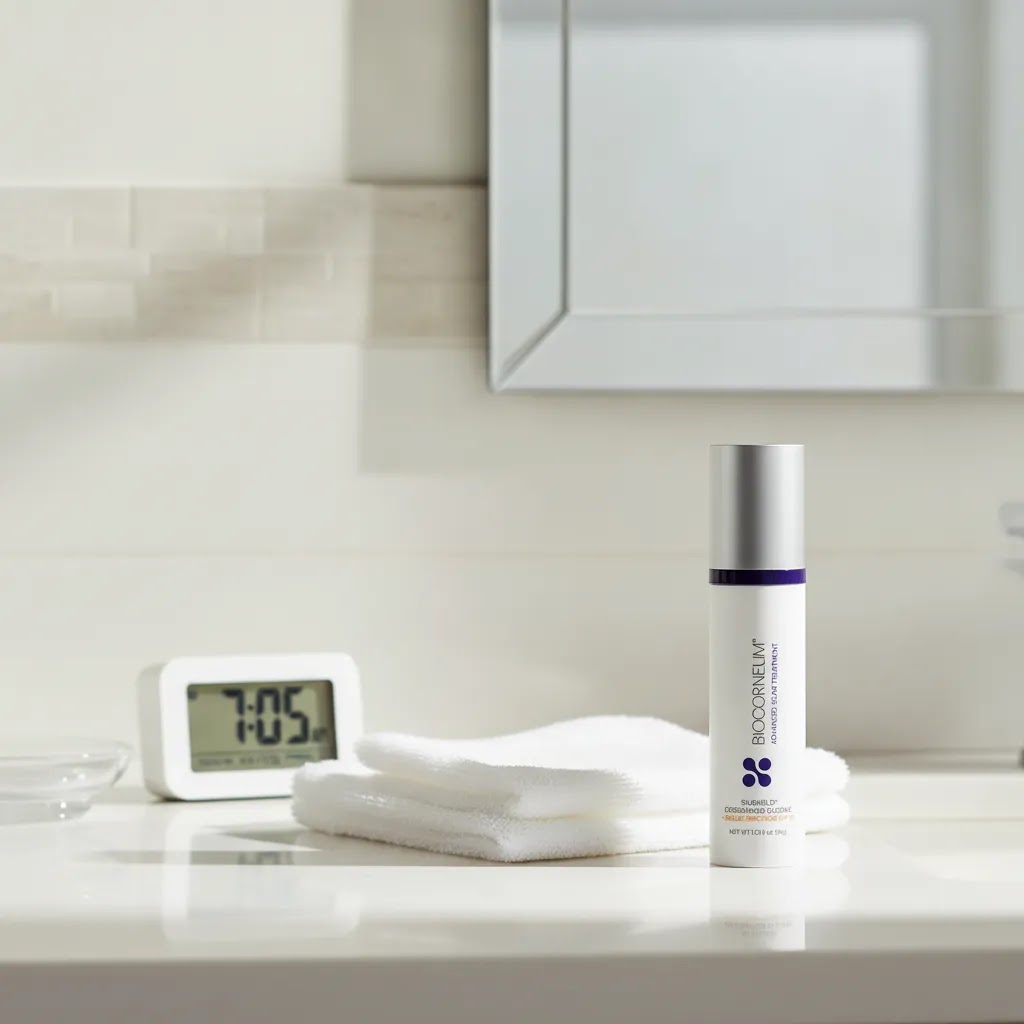
If you have spent time reading forums, you have probably seen the same claims repeated with a lot of confidence. Some are understandable. However, they can still push you toward products that were never designed to do what you want.
Claims that sound right but miss the scar type
“One cream fixes pits.” If the “scar” is a pit or a dent that you can see in side lighting, it is usually structural. Topicals may improve surrounding tone and overall skin quality, but true indentations often need in-office categories like microneedling, resurfacing, or subcision to change the structure itself.
“Tingling means it is working.” Tingling can simply mean irritation. Irritated skin can stay red longer and may look more uneven, which is the opposite of what you want when you try to fade marks. A controlled, tolerable routine that you can repeat consistently is often more effective than a harsh routine you stop after 10 days.
“Dark marks and scars are the same thing.” They are not. Flat brown marks are usually post-inflammatory hyperpigmentation. Flat pink or red areas are post-inflammatory redness. Scars are changes in texture, meaning the skin surface is altered. Marketing often blurs the language because “scar removal” is what people search, but the product may really be a pigment-fading formula.
Where silicone gel and photos get misunderstood
“OTC scar gel equals acne scar resurfacing.” Silicone scar gel is best understood as scar environment support, not resurfacing. It creates a protective film and supports hydration. That can be useful for certain healed scar situations, but it does not function like a peel, a retinoid, or a resurfacing procedure for pitted acne scars.
“Before and after photos always tell the truth.” Photos can be helpful, but lighting and angle can change everything. Indented scars look deeper in side lighting and softer in front lighting. If you compare results online, look for consistent lighting, angle, and time frames. Also be cautious with “one week” transformations for concerns that usually change slowly.
A simple self-check before you buy
If you want a quick self-check, use this simple filter. If the area is flat and the problem is color, topicals are often a reasonable first approach. If the area casts a shadow and looks like a depression when you tilt your face toward a window, you may be looking at a scar type where creams are supportive but not primary.
Acne Scar Removal Cream Shopping Checklist
If shopping intent is high, the smartest question is not “Which cream says removal on the label?” It is “Which product category matches the kind of scar I have?”
- Look for a clearly stated active ingredient, not just vague botanical language
- Check whether the product is aimed at pigment, acne control, exfoliation, or scar management
- Match the format to your routine, especially if you wear makeup or sunscreen daily
- Be realistic about size if you are treating multiple areas over time
- Watch for availability limitations, as with Episof in the U.S.
- Do not confuse numbing products with scar treatments, even if they appear in the same search journey
Readers who also want to compare related product positioning may find BIOCORNEUM® SiliSilk™ Wins NewBeauty Award for Best Scar Gel and Introducing SiliSilk™: Everyday Silicone Scar Care, Simplified helpful for understanding how silicone scar gels are framed within the scar-care category. If pre-procedure comfort products are part of your research path, the broader Topical Pain Relief category is a separate area to review.
For authoritative context on acne care and sunscreen, you can also review the American Academy of Dermatology acne scars guidance and the American Academy of Dermatology sun protection guidance.
Medical Disclaimer: This article is intended for informational and educational purposes only. It does not constitute medical advice and should not be used as a substitute for professional consultation with a qualified medical or aesthetic practitioner. Individual results vary. Always seek the guidance of a licensed healthcare professional before pursuing any aesthetic treatment.
Frequently Asked Questions
Can an acne scar removal cream actually remove acne scars?
An acne scar removal cream may improve the appearance of some acne marks, but it usually does not fully remove every scar type. Flat discoloration often responds better to topical care than indented scars do. If your concern is pigment, stronger active ingredients may help over time. If your concern is a visible depression in the skin, a cream may only play a supporting role and an in-office consultation may be more useful.
What is the strongest type of acne scars treatment cream?
The strongest category often depends on your treatment goal. Prescription retinoids and doctor-guided pigment therapies are generally stronger than basic cosmetic creams for post-acne marks. Strong exfoliating acids can also be potent, but higher strength can increase irritation. A stronger formula is only worthwhile if it matches the problem you are treating and your skin can tolerate it safely.
Do silicone scar gels help acne scars?
Silicone scar gels may help in certain scar situations, especially healed raised scars, but they are not usually the first choice for classic indented acne scars. Their main role is different from that of retinoids or pigment-correcting creams. If you are choosing between a silicone gel and a fading cream, the better option depends on whether your concern is scar elevation, discoloration, or surface texture.
How long does it take to see changes from acne scars cream?
Most topical products need consistent use for weeks to months before changes become noticeable. Pigment may fade gradually, while textural changes tend to be slower and often more modest. You are less likely to judge a product fairly if you switch after a week or keep adding new actives too quickly. Photos taken in the same lighting can help you assess progress more realistically.
Can I use numbing cream before injection or microneedling for acne scars?
Sometimes, but that decision should come from the treating professional rather than from a general online recommendation. Products searched under terms like lidocaine 4 topical anesthetic cream or lmx 5 topical anesthetic cream are used for temporary numbing, not scar correction. Some practices provide their own pre-procedure protocol because timing, amount, and suitability can vary based on the treatment and the area being treated.
Is lidocaine cream an acne scar treatment?
No, lidocaine cream is not an acne scar treatment. It is a topical anesthetic, which means it is designed to numb the skin for comfort. It may be part of a procedure day plan, but it does not fade pigment, stimulate collagen remodeling in a meaningful way on its own, or flatten a scar. This is one of the most common search-result mix-ups.
Which acne marks respond best to creams?
Brown marks, some redness, and mild surface unevenness usually respond better to creams than deeper indented scars do. That is because topicals work on skin turnover, inflammation, and pigment pathways more than they change the deeper scaffold of the skin. If your mark looks flat in profile but dark in color, you may have a better chance of seeing topical improvement.
What cream is best to remove acne scars?
The best cream depends on what you are calling a “scar.” If the concern is flat discoloration after acne, topicals like retinoids, azelaic acid, or pigment-focused fading agents may be helpful over time. If the concern is an indented scar, a cream may support overall skin quality but is unlikely to fully remove a depression, and in-office options may be more appropriate.
What helps acne scars go away?
Acne scars often improve with a plan that matches scar type to treatment type. Topicals can help discoloration and mild unevenness, while structural scars may respond better to procedures that remodel texture, release tethering, or restore volume. Controlling active acne and wearing sunscreen consistently also helps prevent new marks while you work on old ones.
Can you 100% remove acne scars?
Complete removal is not a realistic promise for most people, especially with indented scars. Many treatments can improve the look of scars, sometimes significantly, but results vary by scar type, skin type, and treatment history. A qualified practitioner can help set realistic expectations during a consultation and explain what level of improvement is possible for you.
What cream is good for acne scars?
A “good” cream is one that matches your goal and your skin tolerance. Retinoids, azelaic acid, and certain exfoliating acids are commonly used for post-acne marks and mild textural change, while silicone-based scar gels are typically used for supporting certain healed scar situations rather than pitted acne scars. If you are unsure whether you are treating color or texture, getting that clarified first can prevent a lot of wasted trial and error.
Should I choose a 10g, 20g, or 50g scar gel size?
The right size depends on how large the treated area is and how long you expect to use the product. A smaller tube may be enough for a limited scar area, while a larger size may make more sense for broader or longer-term application. The decision is practical rather than clinical. It is about coverage, convenience, and whether you already know that silicone scar care fits your routine.
Is Episof still available in the United States?
No, the product page states that Episof is no longer available for sale within the United States. It remains available for international distribution. For U.S. customers, the same page directs readers to BIOCORNEUM SiliSilk Advanced Scar Gel as the current alternative. If you are shopping in the U.S., availability should shape your comparison from the start.
When should I stop buying creams and book a consultation?
If you have used a well-chosen product consistently and the main problem still appears structural, it may be time for a consultation. Repeatedly switching creams often delays better answers. Many adults reach a point where the issue is not lack of effort but mismatch between the treatment type and the scar type. A professional assessment can help clarify what topicals may still contribute and what they are unlikely to change.
Key Takeaways
- Acne scar removal cream may help discoloration more than deep indented scars.
- Higher active concentrations matter, but only if they match the type of mark you are treating.
- Silicone scar gels and pigment-fading acne creams serve different purposes.
- Numbing creams such as lidocaine products do not treat acne scars, they only reduce temporary discomfort.
- If a scar looks structural rather than surface-level, a consultation may be more useful than trying one more cream.
Conclusion
Choosing an acne scar removal cream gets easier once you separate color from texture and support products from active treatment products. That shift can keep you from buying a formula that sounds promising but does not really match your skin concern. Stronger actives may help fade post-acne marks and improve mild unevenness, while silicone scar gels may fit specific healed scar scenarios better. Neither category should be expected to do the job of every other treatment type.
If you are weighing home care against a more tailored plan, that is a reasonable point to pause and get expert input. Nuance Medical encourages a measured, medically informed approach that respects individual variation and focuses on options that fit your actual goals. You can explore treatments, review scar-care categories, or book a consultation to talk through what may make the most sense for your skin.