
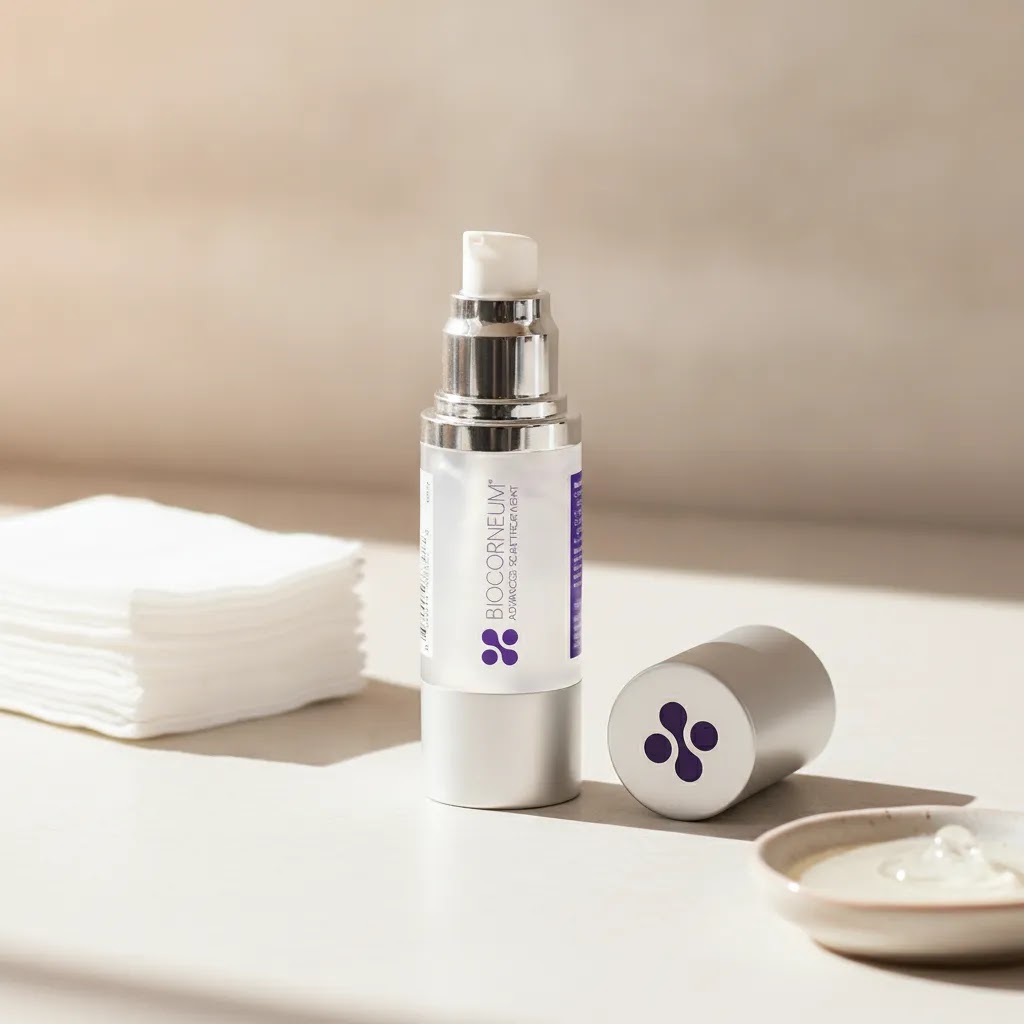
Why the best scar oil after surgery is not always an oil
People often search for scar oils because oils feel nourishing, simple, and familiar. However, post-surgical scar care often needs more than a pleasant texture. A healing scar may do better with a topical that keeps hydration steady and fits the scar location, your routine, and the healing stage.
Clinicians often discuss silicone-based scar products after procedures because they form a breathable layer over closed skin. That layer may reduce moisture loss and support a flatter, smoother, less noticeable scar over time. In addition, some products target concerns people link with fading, such as the look of hyperpigmentation.
That does not mean oils never help. Once skin fully heals, some people choose an oil-like feel for massage or comfort. Still, if you want the best scar oil after surgery in a medically grounded sense, compare that expectation with products made for scar management. If you are comparing categories, our guides to best scar treatment and best scar gel can help clarify where each format fits.
When to start best scar oil after surgery treatment
Many people blame the product when results disappoint. More often, they started at the wrong time. Most scar-focused topicals, including silicone gels and sticks, work best on closed skin, not on an incision that is still healing on the surface.
How to know when skin is ready
In practical terms, “closed” usually means the skin surface is intact and dry. There should be no open areas, no active drainage, and no crusting or scabbing that is still separating. If you apply products too early, you may irritate fragile skin or trap moisture where it does not help.
As a result, the area may look redder, feel more uncomfortable, or take longer to calm down. Start topical scar care only after your surgeon or clinician confirms that the incision is ready.
Why the healing phase matters
Scars change in phases. Early on, scars often look red or pink. They may also feel firm, tight, or itchy as collagen remodeling begins. Many post-surgical routines emphasize steady use during an early remodeling window, often around 8 to 12 weeks, because scars change actively during that time.
After that, scars usually keep maturing more slowly. Therefore, visible changes in tone and texture may take many months, and sometimes a year or longer, depending on your skin and the incision.
Consider this checklist before starting any topical scar product, especially after a deeper procedure or in areas that are high-friction or slow to settle:
- Has your surgeon or clinician confirmed the incision is fully closed and ready for topical scar care?
- Is the skin dry and intact, without drainage, open spots, or scabs?
- Are symptoms stable or improving, rather than escalating day by day?
- Is the area showing increasing warmth, spreading redness, new swelling, or increasing tenderness that needs medical review first?
- Do you have a history of thick or raised scars, or is the incision in an area where you know you heal unpredictably?
If anything feels off, or if the incision changes quickly, pause and get individualized guidance. The goal is to support healing, not to push through with a product that does not fit that stage of recovery. For general wound-healing guidance, the MedlinePlus incision care overview offers basic after-surgery care information.
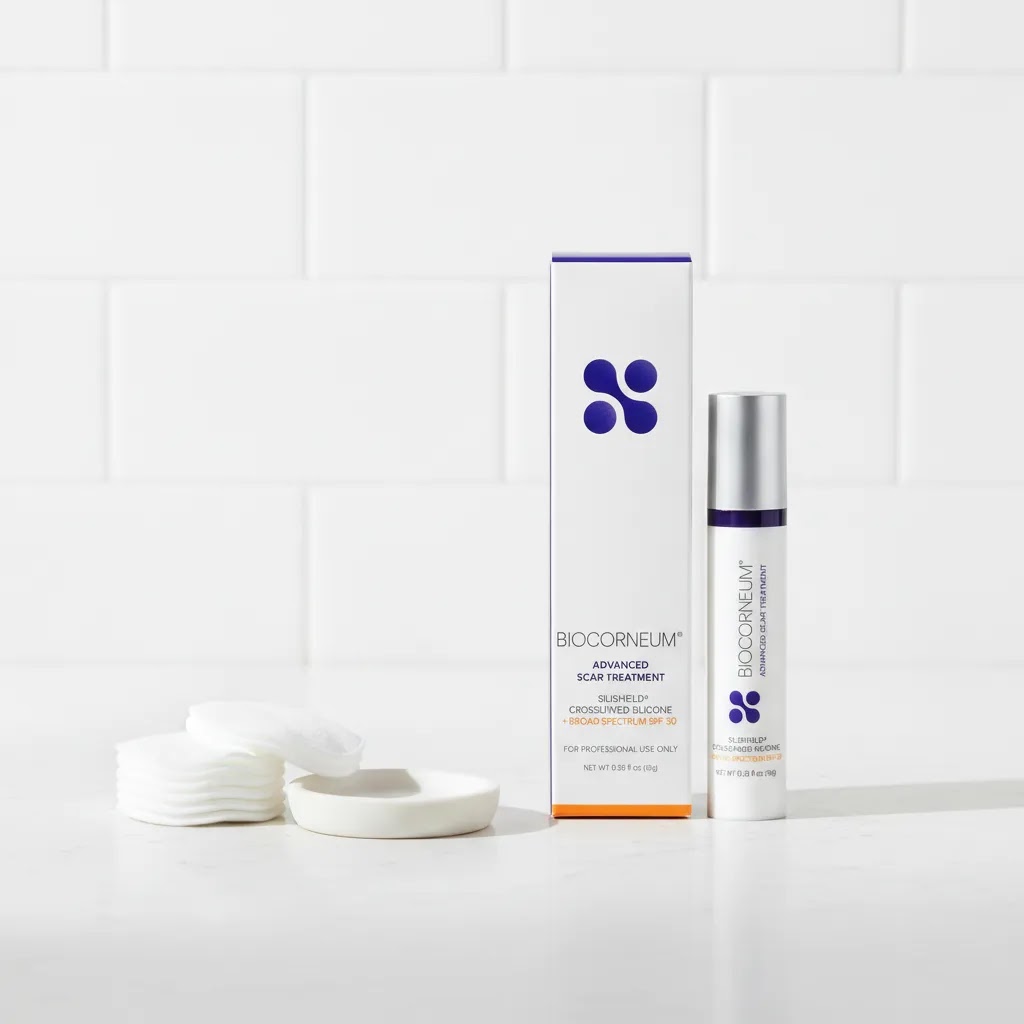
Best scar oil after surgery quick comparison table
| Product | Format | Price | Best suited for | Standout detail |
|---|---|---|---|---|
| BIOCORNEUM® SiliSilk™ Advanced Scar Gel, 30g | Silicone gel | $84.95 | Readers who want a silky, fast-drying daily formula | SPF-free, clear, lightweight, water- and sweat-resistant |
| BIOCORNEUM 10g | Silicone gel | $55 | Smaller scars or targeted areas | Suitable for scars from procedures, trauma, wounds, and burns |
| BIOCORNEUM 20g | Silicone gel | $75 | Moderate treatment areas and longer routines | Designed for flexible or irregular surfaces |
| BIOCORNEUM 50g | Silicone gel | $130 | Larger scar areas or extended use | More practical for broad or multiple treatment zones |
| Pro-Sil 17g | Silicone scar stick | $76.95 | Portable use and scars on exposed areas | Glide-on stick format, several-times-daily use |
| Pro-Sil 4.25g | Silicone scar stick | $36.95 | Small scars, travel, or trial use | Pocket-size stick with the same core format |
Best scar oil after surgery product reviews
BIOCORNEUM® SiliSilk™ Advanced Scar Gel, 30g
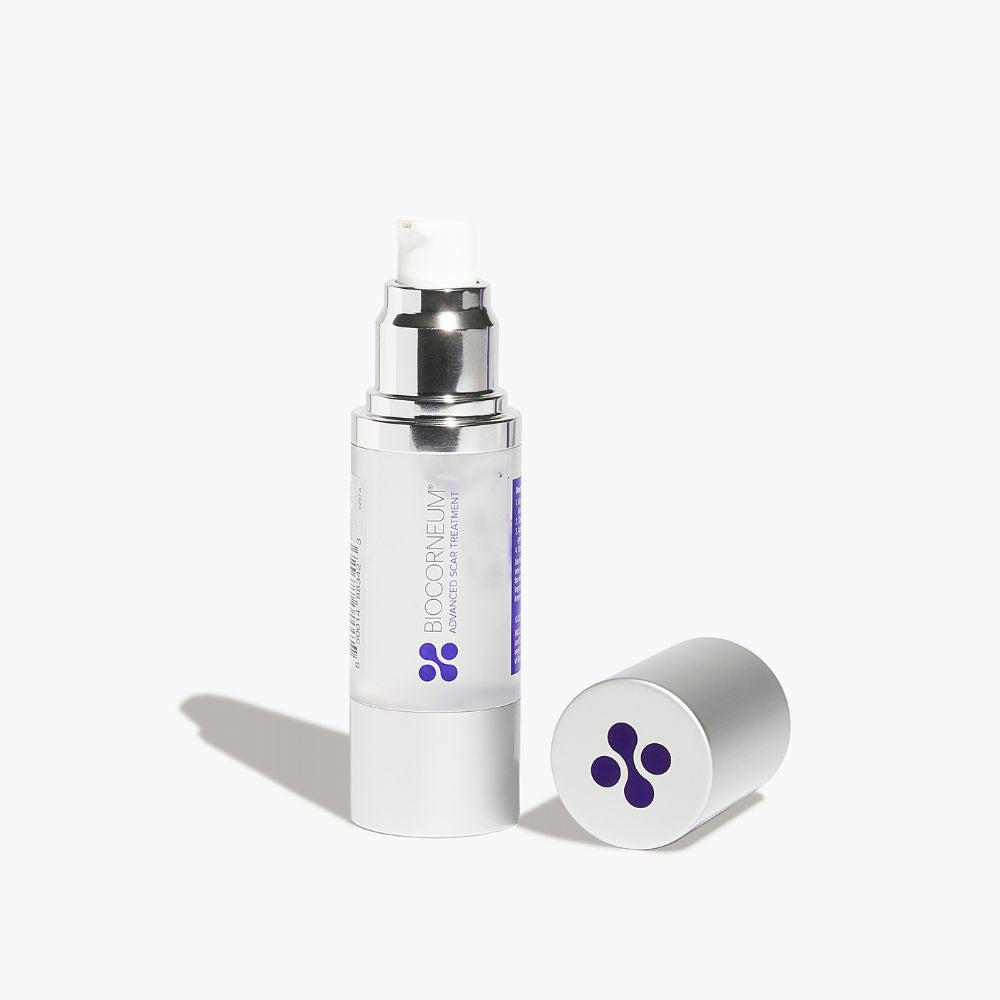
This silicone scar gel is the closest match in this roundup for readers who like the feel of an oil but want a more scar-specific formula. It is described as clear, fast-drying, silky, and non-greasy, with an SPF-free formula that can be worn alone or under sunscreen and makeup. The product page also states that silicone is clinically proven to help minimize the appearance of scars and hyperpigmentation while supporting smoother, healthier-looking skin.
- Price: $84.95
- Category: Scar care
- Why it stands out: ultra-smooth finish and easy layering in a skincare routine
Strengths
- May appeal to readers who want hydration support without a heavy residue.
- Fast-drying texture can be easier to wear during the day than richer ointments or oils.
- Clear formula is suitable across skin tones and may sit well under cosmetics.
- Water- and sweat-resistant wear may help with routine consistency.
- The product page specifically references support for the appearance of hyperpigmentation, which matters for readers focused on fading.
Considerations
- It is SPF-free, so sun protection still matters if the scar is exposed outdoors.
- “Silky” does not mean oily, which may disappoint readers expecting a traditional botanical oil texture.
- Results can vary based on scar age, scar type, skin behavior, and consistency of use.
BIOCORNEUM 10g
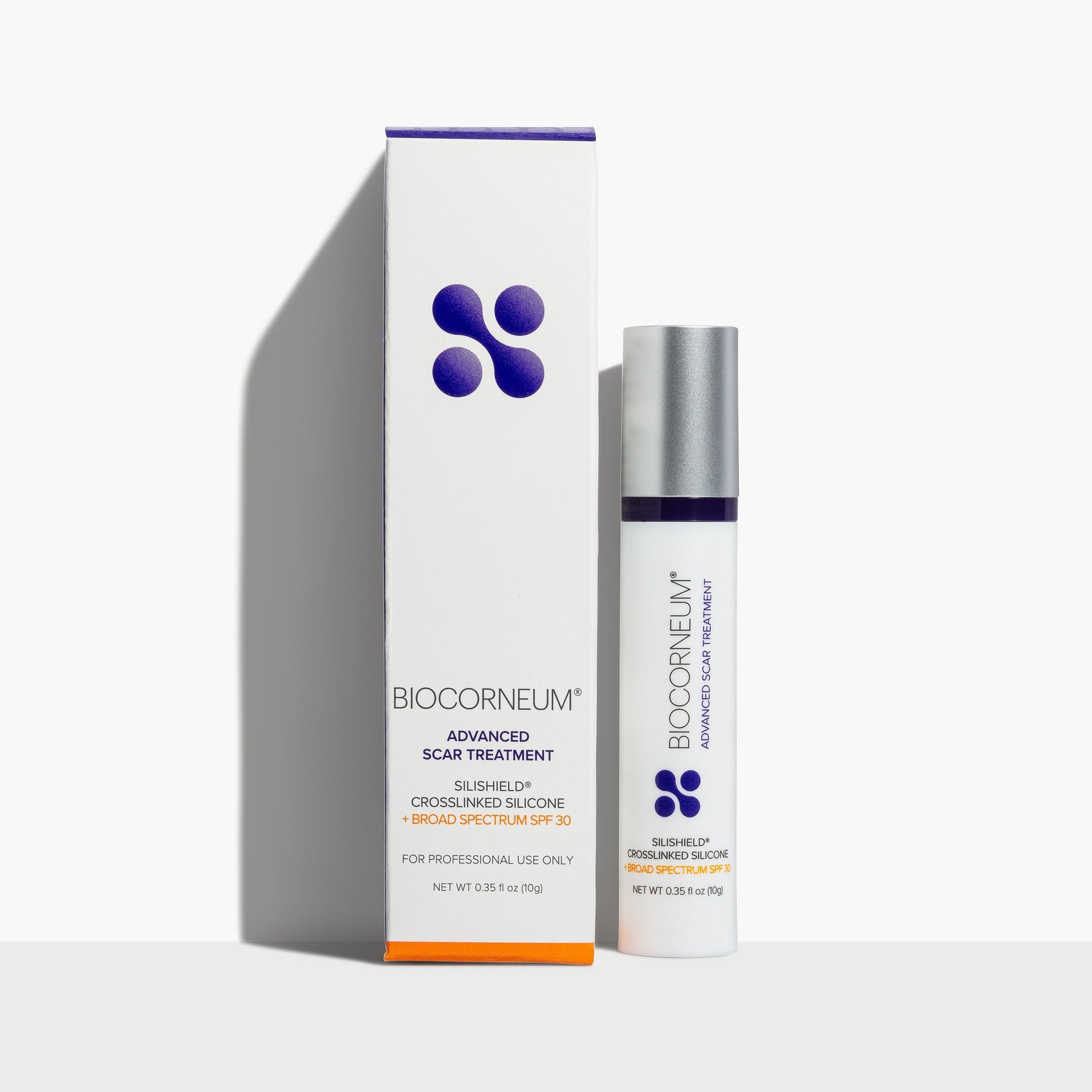
BIOCORNEUM 10g is a smaller-format silicone scar gel for people who want focused treatment instead of a large tube. The product page states that it can be used on scars resulting from surgical and cosmetic procedures, trauma, wounds, and burns, and that it may be effective on old or new scars.
- Price: $55
- Best fit: smaller scars, shorter incisions, or targeted application zones
Strengths
- Lower entry price than the larger BIOCORNEUM sizes.
- May be practical for a small facial, neck, hand, or chest scar.
- Suitable for areas that flex or have irregular surfaces.
- Can be combined with other treatment options your physician recommends.
- Suitable for children over 6 months, according to the product page.
Considerations
- A small size may run out quickly on larger surgical areas.
- The page does not position it as an oil or massage product, so it is not ideal if slip is your main priority.
- Older scars may respond differently than newer scars.
BIOCORNEUM 20g
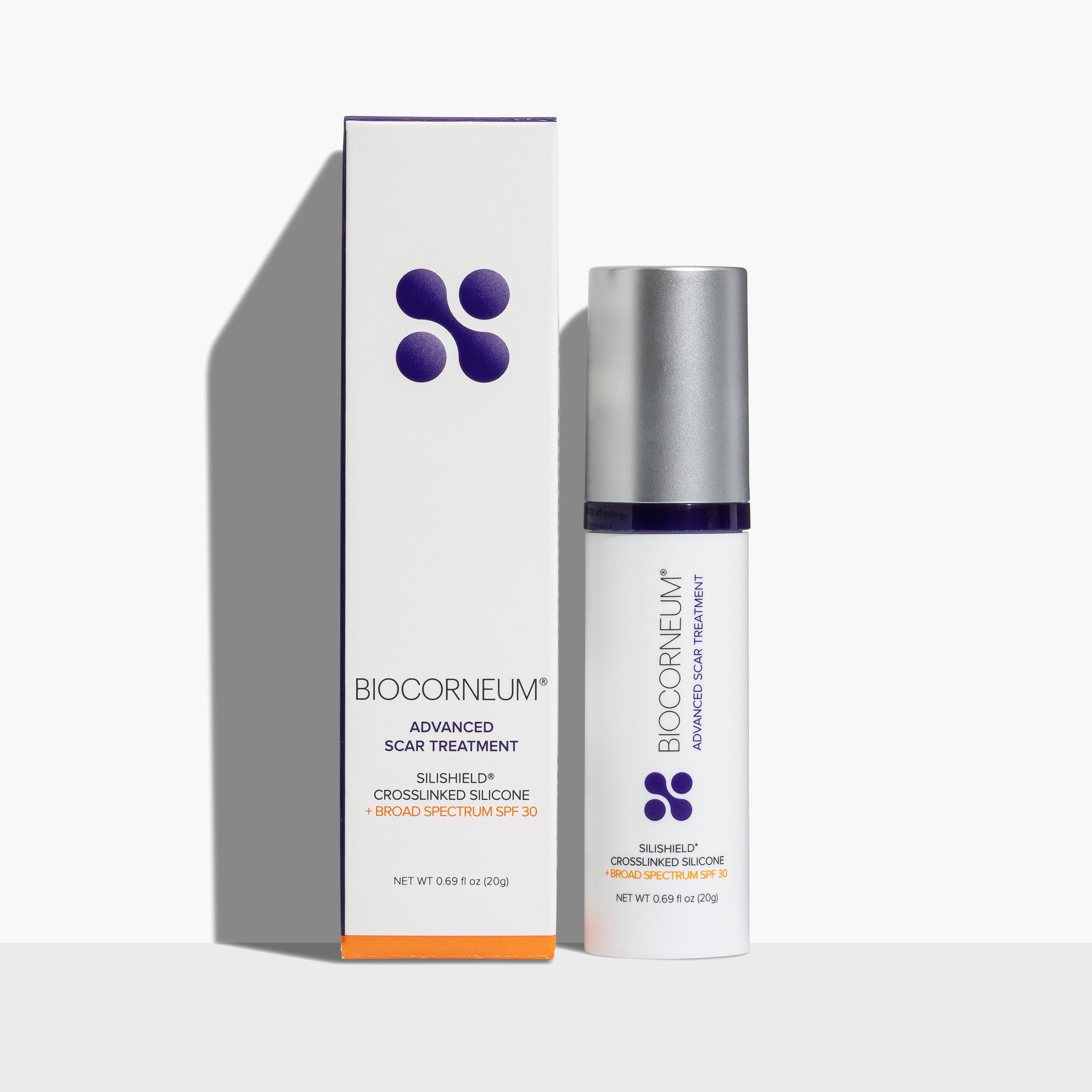
BIOCORNEUM 20g sits in the middle of the range and may make sense if a 10g tube feels too limited but 50g seems unnecessary. The same core product claims apply here, with use on scars from procedures, trauma, wounds, and burns, including areas that move often or have uneven contours.
- Price: $75
- Best fit: moderate-length scars or people committing to a longer routine
Strengths
- Offers a middle-ground size for value and flexibility.
- May work well for scars near joints or on areas that bend and stretch.
- Relevant for visible areas exposed to the sun, including the face, neck, chest, and hands.
- May be easier to integrate if your clinician recommends a broader scar plan.
Considerations
- Still not an oil-texture product.
- Cost is higher than the 10g option.
- Readers with very large scars may find the larger size more practical.
BIOCORNEUM 50g
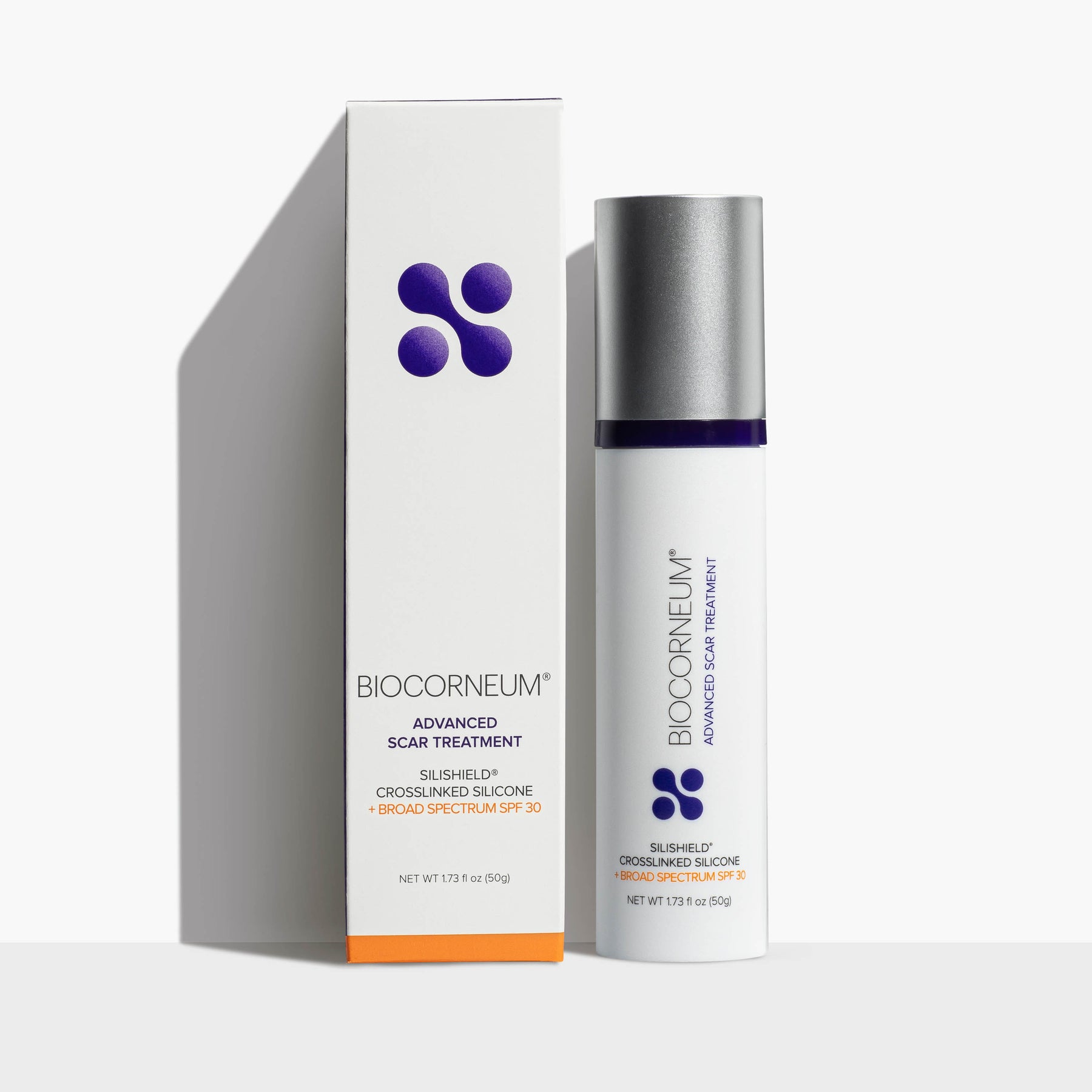
BIOCORNEUM 50g is the largest gel option in this comparison. If your surgery left a broader treatment area, or if you know you will apply product consistently over time, the size alone can make this version easier to live with.
- Price: $130
- Best fit: larger scars, multiple scars, or extended routines
Strengths
- May offer better practical value for large treatment zones.
- Appropriate for the same wide range of scar contexts listed on the product page.
- Useful for skin that flexes or for larger, irregular surfaces.
- Can suit people who prefer fewer repurchases during recovery.
Considerations
- Highest upfront price in the gel range.
- May be more product than needed for a small, isolated scar.
- Large size does not guarantee faster or better results.
Pro-Sil 17g
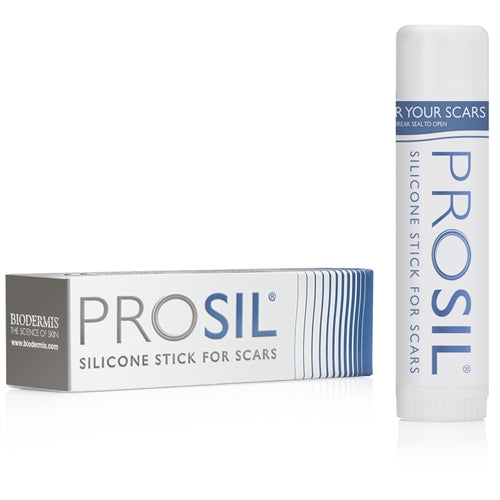
Pro-Sil 17g takes a different approach from gel. It is a glide-on silicone scar treatment stick designed for easy application without drips or leaks. The product page instructs users to clean and dry the scar site, apply liberally over the entire scar, and repeat several times daily for 8 to 12 weeks or until the scar stops responding.
- Price: $76.95
- Best fit: people who want a portable, mess-controlled application format
Strengths
- Stick format can be convenient for on-the-go reapplication.
- No drips or leaks may appeal to readers who dislike gels or oils on their hands.
- Easy glide application may help on small, visible, or exposed areas.
- Compact storage in a purse or pocket is specifically stated on the product page.
Considerations
- Requires several applications daily, which may not suit every routine.
- Not presented as a massage oil or spreadable treatment for large scars.
- Effectiveness may depend heavily on consistency over the suggested 8 to 12 weeks.
Pro-Sil 4.25g
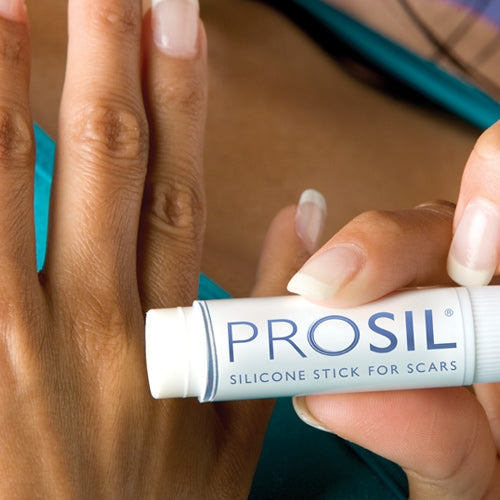
Pro-Sil 4.25g offers the same patented stick format in a much smaller size. For a short incision, a mole-removal scar, or a first attempt with a silicone stick, this may be the most approachable option in the lineup.
- Price: $36.95
- Best fit: small scars, trial use, or minimal-bulk carry
Strengths
- Lowest price in this roundup.
- May suit readers who only need treatment for a very limited area.
- Same application instructions and overall use period as the larger stick.
- Portable format can help with mid-day use outside the house.
Considerations
- Small size may be inefficient for larger scars.
- Several-times-daily application still requires routine adherence.
- Some readers may prefer a gel if they want broader surface coverage per application.
Best scar oil after surgery mistakes and misconceptions
A common mistake is assuming that the best scar oil after surgery must literally be an oil. In many cases, the better question is whether the product supports hydration and scar management on fully closed skin.
Another misconception is that more slip means better fading. Slip can improve comfort or massage. However, visible scar change may depend more on the formula, timing, scar biology, sun exposure, and steady use.
People also confuse itching after surgery with proof that any topical will help. Mild itching can happen during healing, but not every product fits a healing incision. If the skin is not fully closed, if there is drainage, or if symptoms are escalating, a clinician should guide the next step. If your questions extend into discomfort management, the broader Topical Pain Relief category may help you separate scar care from numbing products and pain-relief products.
Scar types and what they mean for choosing a topical
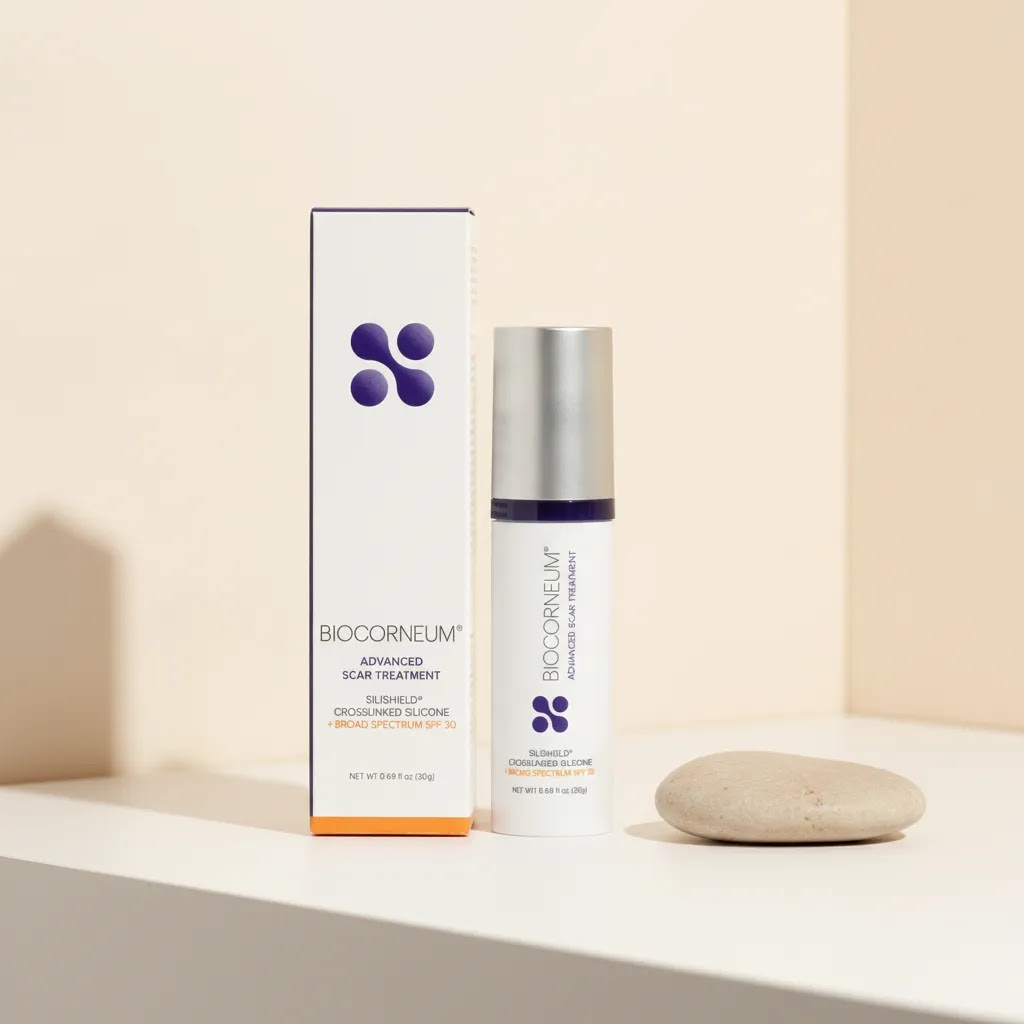
Many patients overlook one key point: “scar” is not one uniform category. Two people can use the same product and see very different results. That happens because scars behave differently and because scar appearance changes naturally over time.
Here are a few common patterns people notice and what they can mean for topical expectations:
- Flat, pale, or slightly darker scars: these often benefit most from consistent hydration support, reduced friction, and sun protection. Topicals may help the scar look smoother and less noticeable over time, but gradual change is the norm.
- Red or pink scars: redness is common in earlier healing and can persist for months. A topical may support comfort and barrier protection, but it will not “switch off” normal healing biology overnight.
- Raised, thick, or firm scars: some scars become more elevated or rope-like. Hypertrophic scars are raised but typically stay within the incision line, while keloid-prone scars can extend beyond it. In these cases, topicals can still support hydration and comfort, but raised scar behavior may need clinician-guided options rather than relying on skincare alone.
- Dark marks around a scar (post-inflammatory hyperpigmentation): some skin tones are more prone to lingering discoloration after inflammation. This is where realistic expectations matter. A topical may support overall appearance, but pigment changes often improve slowly and are very influenced by sun exposure.
Topicals most reliably support the scar environment. That means hydration, barrier support, and less irritation from friction. If your main concern is a scar that thickens quickly, becomes increasingly painful, feels very itchy, or changes color dramatically, a qualified clinician should evaluate it rather than leaving you to self-manage with a new product. If you want a comparison between silicone options, see Biocorneum vs Mederma.
Pros and Considerations
Benefits
- Silicone-based topicals may support hydration in a way that is more directly aligned with scar management than a cosmetic oil alone.
- Several options in this roundup are designed for different scar sizes and lifestyles, from small targeted areas to larger post-surgical zones.
- Fast-drying gel and stick formats may be easier to wear under clothing, sunscreen, or makeup than greasier products.
- Some options specifically address concerns tied to fading, including the appearance of hyperpigmentation.
- Portability and routine compatibility may improve adherence, which matters in many real-world scar care plans.
Considerations
- These products are not a guarantee that a scar will disappear or heal in a specific way.
- Traditional oil seekers may find silicone gels or sticks less emollient than expected.
- Application timing matters, and scar products are generally intended for closed skin rather than open or actively healing wounds.
- Large scars may require larger sizes, which can affect cost over time.
How to choose the best scar oil after surgery alternative
If you are comparing products through the lens of hydration and fading, 5 criteria usually matter more than whether the label says “oil.”
1. Match the format to the scar location
Broad abdominal or body scars may be easier to manage with a gel, especially if you need more surface coverage. Small facial or highly visible scars may be easier to treat with a stick or a silky gel that layers well under other products.
2. Decide how much texture matters to you
If you like the idea of an oil because you want comfort and softness, a product like BIOCORNEUM® SiliSilk™ may feel closer to that experience than a traditional medical-looking topical. On the other hand, if your main priority is controlled, portable application, Pro-Sil may be the better fit.
3. Be realistic about routine consistency
A product that looks ideal on paper is not always the one you will use regularly. If you dislike touching residue, a fast-drying gel may suit you better. If you need something that can live in a bag or pocket, a stick may be easier to maintain.
4. Consider scar size and product value
Small scars do not always need a large-format purchase. Large scars often do. Therefore, size selection becomes a practical choice, not a cosmetic one. Paying less upfront for a tiny format can be a false economy if you are covering a broad incision for weeks.
5. Keep your expectations medically grounded
No topical should be framed as a scar eraser. A well-chosen product may support a smoother, softer, less noticeable scar appearance, but outcomes vary. Skin tone, scar depth, inflammation, genetics, friction, and sun exposure all influence visible change.
For readers who want more category context, Nuance Medical also shares educational updates such as Introducing SiliSilk™: Everyday Silicone Scar Care, Simplified and BIOCORNEUM® SiliSilk™ Wins NewBeauty Award for Best Scar Gel. You can also compare options in our Best Scar Cream After Surgery guide.
What to look for when buying the best scar oil after surgery alternatives
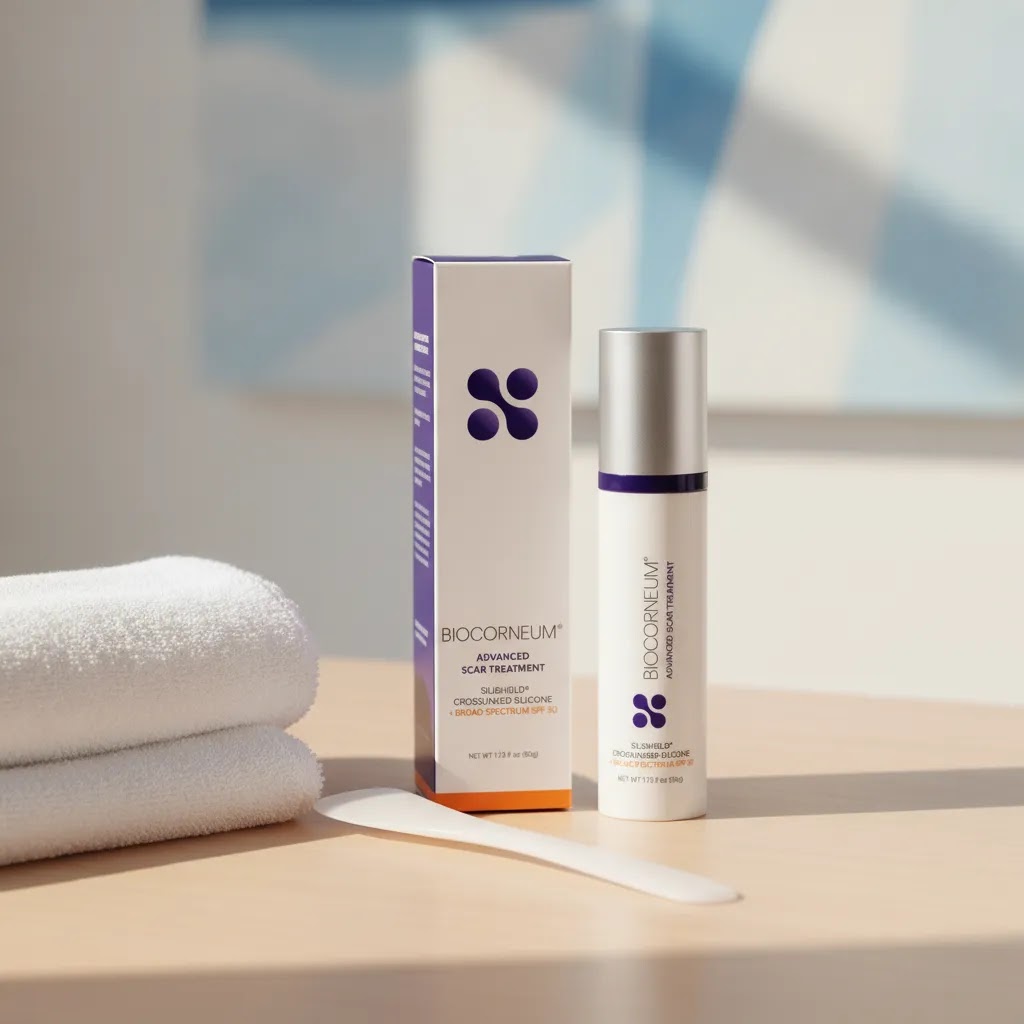
Shopping for scar products can feel confusing because labels are often broad. “Scar oil” is often a blend of botanical oils meant to feel soft and nourishing. “Scar cream” can mean almost anything. Silicone products are a more defined category, and that is one reason many clinicians choose them for post-surgical scars on closed skin.
Ingredients and wear features that matter
If you are trying to choose between options, these buying criteria tend to matter in real-world use:
- Silicone as the primary scar-care ingredient: many post-surgical scar routines prioritize medical-grade silicone (often listed as dimethicone or polysiloxanes) because it forms a thin protective layer that can support hydration and help reduce transepidermal water loss.
- Wear time and durability: if a product claims water or sweat resistance, it may be easier to keep up with, especially in warm weather or for body scars under clothing.
- Sensitivity and tolerability: fragrance and heavily botanically scented oils can be a challenge for some people after surgery. If you are reactive, a simpler formula may be easier to tolerate.
- Size relative to the scar: the “best” option is often the one you can afford to use consistently over the full area. A small tube can be perfect for a short incision, but frustrating for a larger procedure site.
- Whether SPF is built in: many silicone gels are SPF-free, and that is not a flaw. It simply means you still need sunscreen if the scar is exposed. Some products include SPF, but sunscreen choice is personal, and not every skin type tolerates the same filters.
Format and daily use can shape results
People also ask about onion-extract style scar gels, often linked with well-known drugstore products. These formulas can be easy to find and are marketed heavily for scar fading. However, many clinicians still view silicone as the more consistently supported option for post-surgical scars, especially during early scar remodeling, while also recognizing that preference and tolerance vary by person. For evidence-based scar care guidance, the American Academy of Dermatology scar treatment overview is a helpful reference.
In practice, format can matter as much as the ingredient list. If you will not use a gel because it takes too long to dry, a stick may be a better compliance choice. If clothing friction is constant, a fast-drying, non-greasy formula may be easier to live with. If the scar is on an exposed area, you may want something that layers well with sunscreen and does not pill under makeup. Ultimately, the best scar oil after surgery may be a silicone topical that you will actually use consistently during the weeks and months when scars naturally evolve. If you want a deeper product overview, see our Biocorneum Scar Treatment guide.
Where Nuance Medical fits
Nuance Medical’s educational approach fits this category well because scar care decisions are rarely just about buying a product. Readers often need help sorting through format, timing, scar location, and realistic expectations. That patient-centered approach matters more than hype, especially after surgery.
If you are comparing options and want a broader category view, explore Nuance Medical’s scar resources first, then narrow your choice based on scar size, visibility, and your ability to use the product consistently. A no-pressure consultation or guided product selection can also help if you are unsure whether your scar concern is mainly about hydration, texture, discoloration, or ongoing irritation.
Frequently Asked Questions
Is scar oil the same as scar gel after surgery?
No, scar oil and scar gel are not the same. Oils are usually chosen for softness and massage, while silicone scar gels are formulated more specifically for scar management on closed skin. If your main goals are hydration and fading, a gel may be more clinically relevant than a cosmetic oil.
What is the best scar oil after surgery if I mainly want fading?
If fading is your priority, it helps to look beyond the word “oil.” In this roundup, BIOCORNEUM® SiliSilk™ is notable because its product page specifically mentions helping minimize the appearance of scars and hyperpigmentation. Results still vary by scar type, skin tone, and daily use.
Can I use these products on a fresh incision?
These products are generally intended for closed skin, not open wounds. A fresh incision that is still healing on the surface should be assessed by your surgeon or clinician before you apply any scar-focused topical. Timing matters, especially if there is drainage, crusting, or irritation.
Which option is best for a large surgical scar?
A larger scar often makes a gel format more practical, especially in a larger size such as BIOCORNEUM 50g. It can be difficult to cover broad areas efficiently with a very small product. The best choice depends on your scar size, location, and how long you expect to use it.
Which product is easiest to carry during the day?
The Pro-Sil sticks are the most portable options in this comparison. Their product pages specifically mention compact storage and no drips or leaks. That may help if you need to reapply away from home or prefer not to handle gel in public settings.
Can these products help with itching after surgery?
They may help if dryness contributes to discomfort, but they are not the same as anti-itch or numbing products. Post-surgical itching can have several causes, including normal healing, irritation, or contact sensitivity. If itching is persistent, worsening, or paired with redness or drainage, speak with a qualified clinician.
Are silicone sticks better than silicone gels?
Neither is universally better. Sticks may be easier for small scars and portable use, while gels may be easier for larger or irregular treatment areas. The best fit usually depends on scar location, texture preference, and whether you can realistically stick with the application schedule.
How long do I need to use a scar product after surgery?
That varies, but consistency usually matters more than quick changes. The Pro-Sil product pages suggest several applications daily for 8 to 12 weeks or until the scar stops responding. Other products may be used on different schedules, so it is worth following product directions and clinician guidance.
Do I still need sunscreen if I use a scar gel?
Yes, sun protection still matters for many scars, especially newer or visible ones. BIOCORNEUM® SiliSilk™ is specifically described as SPF-free and intended to pair with your preferred sunscreen outdoors. Sun exposure can affect how long discoloration remains noticeable.
Is the most expensive scar product always the best one?
No, price alone does not determine fit. A smaller, less expensive product may be ideal for a short scar, while a larger purchase may be more practical for a broad surgical area. The better question is whether the product format and size match your scar and routine.
What scar cream do plastic surgeons recommend?
Many plastic surgeons recommend silicone-based scar products for post-surgical scars once the skin is fully closed. Silicone is commonly discussed because it supports hydration and barrier function, which can help a scar look flatter and smoother over time. Your surgeon’s recommendation should take priority based on your procedure and healing progress.
What is good to rub on scars after surgery?
A silicone gel or silicone stick is often a practical first choice once your incision is closed and your clinician says topical scar care is appropriate. Some people also use gentle massage with an oil later for comfort, but oil texture alone is not the same as scar-targeted care. If rubbing increases redness, pain, or irritation, pause and ask your clinician what is appropriate for your stage of healing.
What helps surgery scars go away?
No topical can guarantee a scar will go away completely, but consistent scar care can help many scars become less noticeable as they mature. Silicone topicals, sun protection, and minimizing friction are common components of a medically grounded routine. If a scar is raised, thickening, or very symptomatic, clinician-guided options may be more effective than relying on skincare alone.
What works best for surgical scars older than 3 years?
Older surgical scars can still change, but they often respond more slowly to topicals than newer scars that are actively remodeling. Silicone may still support hydration and surface smoothness, but long-standing texture changes or raised scars often require a professional assessment to discuss additional options. A qualified clinician can help you set realistic expectations based on scar type, location, and your skin behavior.
Key Takeaways
- The best scar oil after surgery is often not a true oil, especially if your goal is structured scar management.
- Silicone gels and sticks may offer a more targeted approach to hydration support and visible scar improvement.
- BIOCORNEUM® SiliSilk™ stands out for readers focused on a silky finish and concerns about hyperpigmentation.
- Pro-Sil sticks may suit small scars and portable reapplication, while larger gel sizes may be more practical for broad scars.
- Always wait until skin is fully closed and seek professional guidance if your scar is irritated, draining, or changing unexpectedly.
Conclusion
Searching for the best scar oil after surgery often leads to a better question: which topical best supports hydration, comfort, and a less noticeable scar over time? For many people, the answer may be a silicone-based gel or stick rather than a traditional oil.
That is especially true when the goal is not just softness, but a more structured scar-care routine built around closed skin, consistent use, and realistic expectations. Nuance Medical’s scar education is designed for exactly this kind of decision-making: calm, practical, and medically grounded. If you want to compare your options further, start with the broader scar care resources on the site and choose a product based on scar size, location, and routine fit, not just the label on the package.
Medical Disclaimer: The information provided in this article is intended for general informational and educational purposes only. It does not constitute medical advice and should not be used as a substitute for a professional consultation with a qualified aesthetic practitioner or healthcare provider. Individual results from aesthetic treatments vary. Always seek the advice of a qualified medical professional before undergoing any cosmetic procedure.