
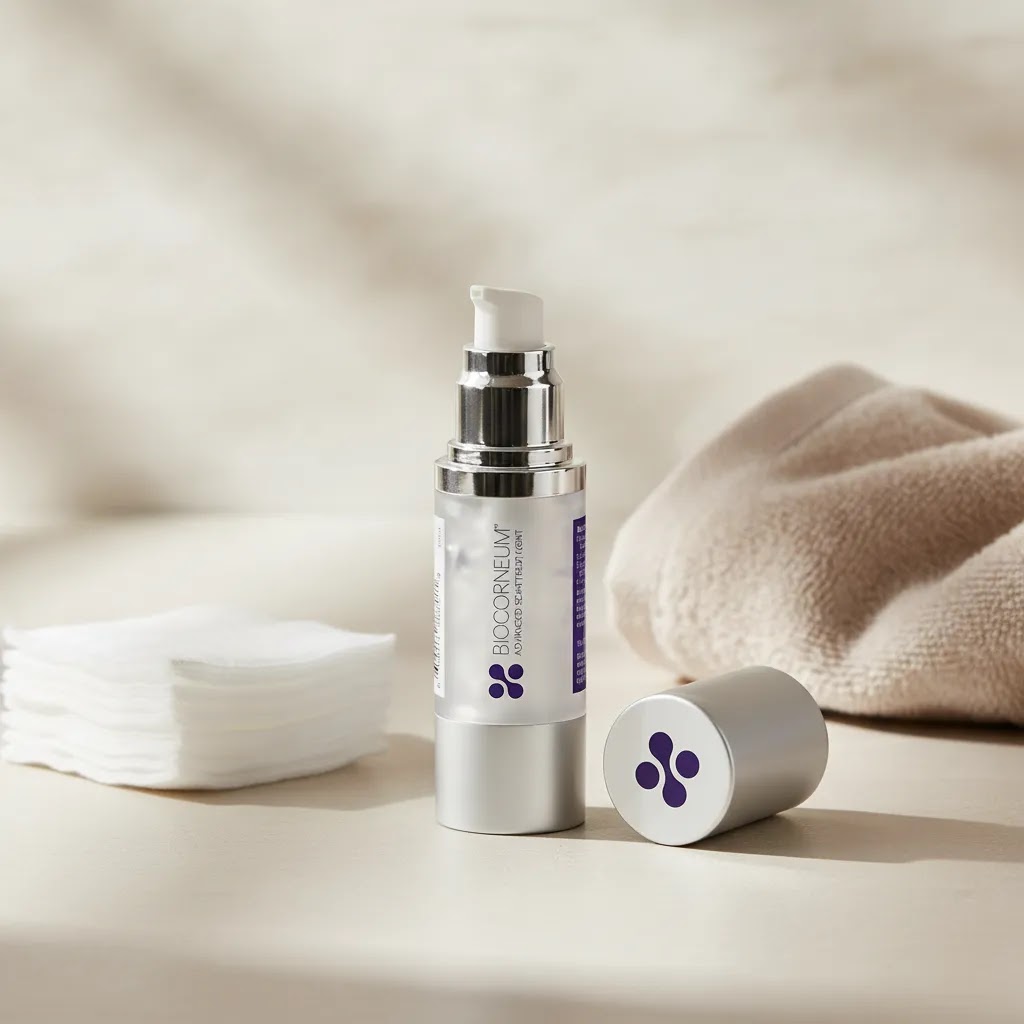
Best Scar Cream After Surgery: Post-Operative Reality
After surgery, many people want one product to handle redness, texture, comfort, and long-term scar appearance at once. That is understandable. However, scar care is rarely that simple.
Early on, most people should ask more than “what is the best scar cream after surgery?” They should also ask whether the incision has fully closed, whether their skin tolerates a topical product, and whether the format fits the scar location.
For a linear surgical scar on the abdomen, breast, face, or joint area, consistency often matters more than a long ingredient list. Many clinicians choose silicone-based products in post-surgical care because they sit over the scar area and help support a protected healing environment. Results still vary by scar type, anatomy, tension on the incision, skin tone, sun exposure, and timing.
If you are still comparing categories rather than individual products, our overview of the best scar treatment can help you sort topical options from in-office approaches.
Best Scar Cream After Surgery Comparison Overview
| Product | Format | Price | Best Fit | Notable Detail |
|---|---|---|---|---|
| BIOCORNEUM SiliSilk Advanced Scar Gel, 30g | Silicone gel | $84.95 | Readers who want a silky, clear, SPF-free gel that layers into skincare | Fast-drying, water- and sweat-resistant, transfer-resistant |
| BIOCORNEUM 10g | Silicone gel | $55 | Smaller treatment areas or those testing a gel format first | Suitable for children over 6 months and exposed areas |
| BIOCORNEUM 20g | Silicone gel | $75 | Moderate scar areas needing more product without the largest tube | Designed for scars from surgery, trauma, wounds, and burns |
| BIOCORNEUM 50g | Silicone gel | $130 | Larger or multiple scar areas where frequent repurchase may be a concern | Well suited to high-flex and large scar areas |
| Pro-Sil 17g | Silicone stick | $76.95 | Portable, mess-limited application for visible or on-the-go areas | Glide-on applicator, recommended several times daily for 8 to 12 weeks |
| Pro-Sil 4.25g | Silicone stick | $36.95 | Small scars, travel kits, or first-time users wanting a lower-cost entry point | Compact stick format with professional grade silicone |
Best Scar Cream After Surgery: Silicone Gel vs Onion Extract
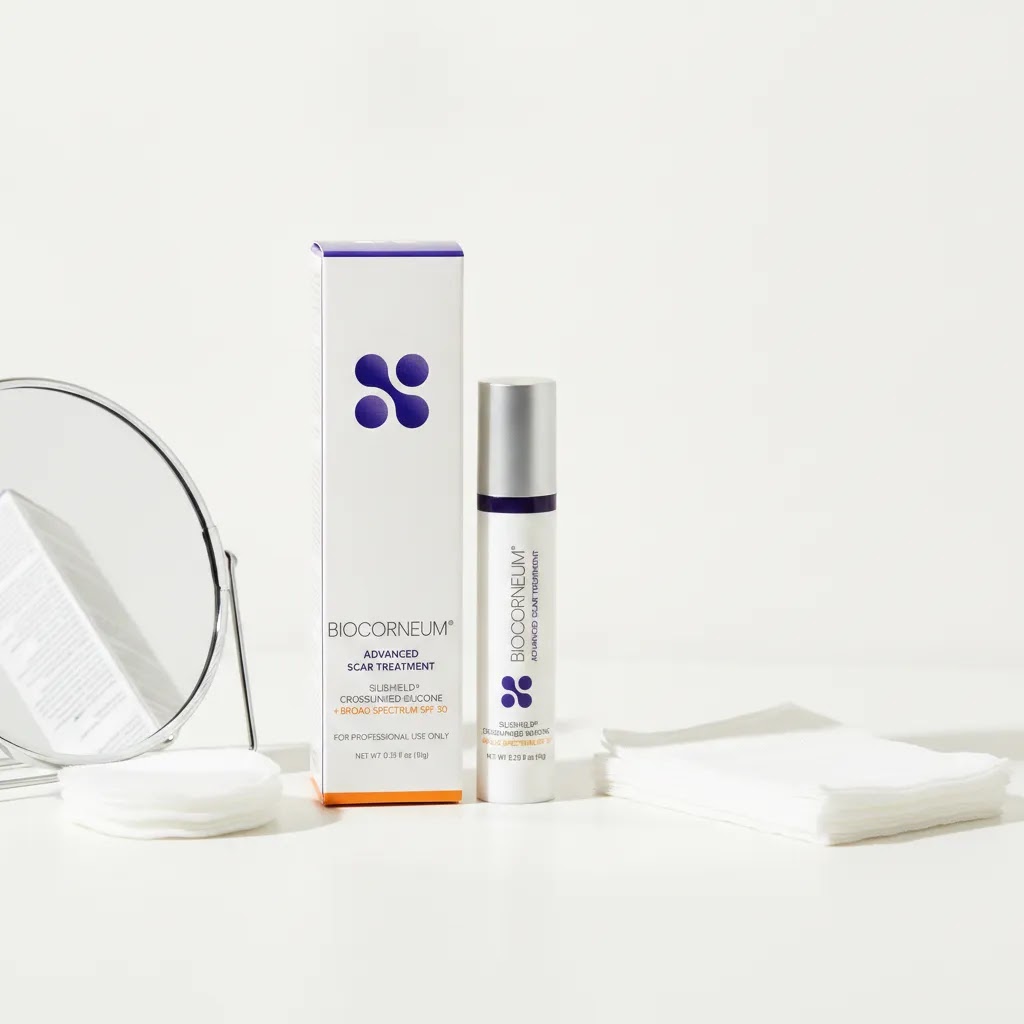
If you have been shopping for the best scar cream after surgery, you have probably noticed two common scar gel categories. One category uses silicone and often appears in post-operative routines after the incision fully closes. The other uses onion extract and allantoin, which many shoppers recognize from drugstore shelves.
Importantly, these categories do not work the same way, even when brands market both as scar gels. Silicone products form a thin, flexible layer over the scar surface. That layer may help reduce transepidermal water loss, limit friction, and support a more stable healing environment over time. Onion extract and allantoin gels usually condition the skin surface, but they do not often create the same long-wear occlusive film.
Why many people choose silicone for the best scar cream after surgery
Silicone has a long track record in scar management for closed incisions, including hypertrophic scars. These are raised scars that can develop when collagen production stays more active during healing. Many surgeons and dermatologists recommend silicone gel or silicone sheets because they are practical, generally well tolerated, and easy to use consistently. As always, your skin and your surgeon’s instructions should guide the final choice.
Where onion extract and allantoin gels can fit
Onion extract and allantoin gels may feel light and easy to spread. Some people like them for general skin conditioning after the skin heals. However, wear time and adherence can be limiting factors.
If a product absorbs like a typical gel and does not keep a protective layer over the scar, it can be harder to rely on it as a barrier against friction from clothing, movement, or daily contact. This matters most in high-motion areas.
Best scar cream after surgery choices based on real-world use
If you are early in scar care and have been cleared to start topicals, many people favor silicone gel or a silicone stick for newer post-op scars. These formats stay on the surface through the day. In addition, they often suit high-tension areas or places that sit under waistbands, bras, or sports gear.
No topical can erase scar tissue. Scars remodel over months, and outcomes vary based on tension, genetics, skin tone, location, and sun exposure. Still, topical care may help support hydration, reduce friction, and make it easier to stay consistent while the scar is still changing.
For readers comparing silicone with popular alternatives, our Biocorneum vs Mederma guide gives more product-specific context. You can also review American Academy of Dermatology guidance on scar treatment for general background.
How Best Scar Cream After Surgery Options Work
Topical scar products used after surgery usually help by shaping the environment over a healing scar. They do not erase tissue that has already formed. In simple terms, the goal is to support a better healing surface after the skin closes.
- Wait for full closure. A post-operative topical scar product is generally started only after the incision is closed and your surgeon or treating clinician says the area is ready.
- Apply to clean, dry skin. Moisture, ointment residue, and early irritation can affect comfort and adherence to a routine.
- Use consistently. Most silicone scar routines depend on repeated, regular use over weeks rather than occasional spot treatment.
- Protect from external stress. Friction, sun exposure, and repeated stretching over the scar may influence how the scar looks over time.
- Reassess if irritation develops. Even well-tolerated products may not suit every skin type or every stage of recovery.
If you are narrowing your search specifically to gel formulas, our best scar gel page may help you compare that format more directly.
Best Scar Cream After Surgery Routine Timeline
People often ask a very specific version of this topic: what can I rub on a surgical scar, and when? The most responsible answer starts with timing. Any routine should match your surgeon’s instructions, since incision types, closure methods, and healing speed vary.
Think of this as a practical framework for the best scar cream after surgery once you have been told the incision is fully closed and ready for topical scar care. The goal is not to keep changing products. Instead, the goal is to stay consistent during the active remodeling phase.
Weeks 0 to 2 after closure: routine setup
Start simple and focus on tolerance.
- Gently cleanse the area, then pat fully dry.
- Apply a thin layer of silicone gel or use a silicone stick according to label instructions.
- Let it dry before clothing, compression garments, sunscreen, or makeup.
If the area becomes stinging, itchy, or increasingly red, pause and contact your surgeon or treating clinician for personalized guidance. Those symptoms can have several causes. For example, friction, product sensitivity, or a healing issue may be involved.
Weeks 2 to 12: consistency over complexity
This is the window many competitors mention when they talk about sticking with a scar routine. The reason is simple. Scars can continue remodeling for months, but early consistency after closure often matters more than switching between products later.
For silicone-based routines, daily use for 8 to 12+ weeks is common, and some people continue longer based on scar behavior and clinician guidance. In practice, you should choose a format you can actually maintain. A fast-drying gel can work well for mornings and visible areas. Meanwhile, a stick can be easier for reapplication, travel, or scars under clothing.
Month 3 and beyond: reassessment and long-term habits
At this stage, many scars continue to soften and change color gradually. Some people keep using silicone if the scar still looks active, raised, or easily irritated. Others move to simple maintenance habits, such as reducing friction and protecting the area from sun exposure. This matters most for scars on the face, chest, shoulders, and hands.
Situational modifiers that can change the plan
Daily life can affect a scar as much as the product does.
- High-tension areas: Joints, shoulders, chest, and abdomen can stretch repeatedly. These scars may benefit from especially consistent barrier support and reduced friction.
- Friction points: Waistbands, bras, compression garments, and athletic wear can rub, trap heat, and increase irritation. If you notice repeated rubbing, your routine may need to be adjusted for comfort and adherence.
- Sun exposure: UV exposure can increase the risk of persistent discoloration in healing scars. If your scar is exposed, discuss sun protection with your clinician and consider a routine you can maintain daily.
- Delayed healing or breakdown: If any part of the incision reopens, becomes weepy, or looks increasingly inflamed, stop topical scar care and contact your surgeon promptly.
This timeline should guide expectations, not replace individualized medical advice. A qualified clinician can confirm when to start, how often to apply, and how long to continue. You can also review general wound and scar healing guidance from the National Institute of Arthritis and Musculoskeletal and Skin Diseases.
Best Scar Cream After Surgery Product Picks
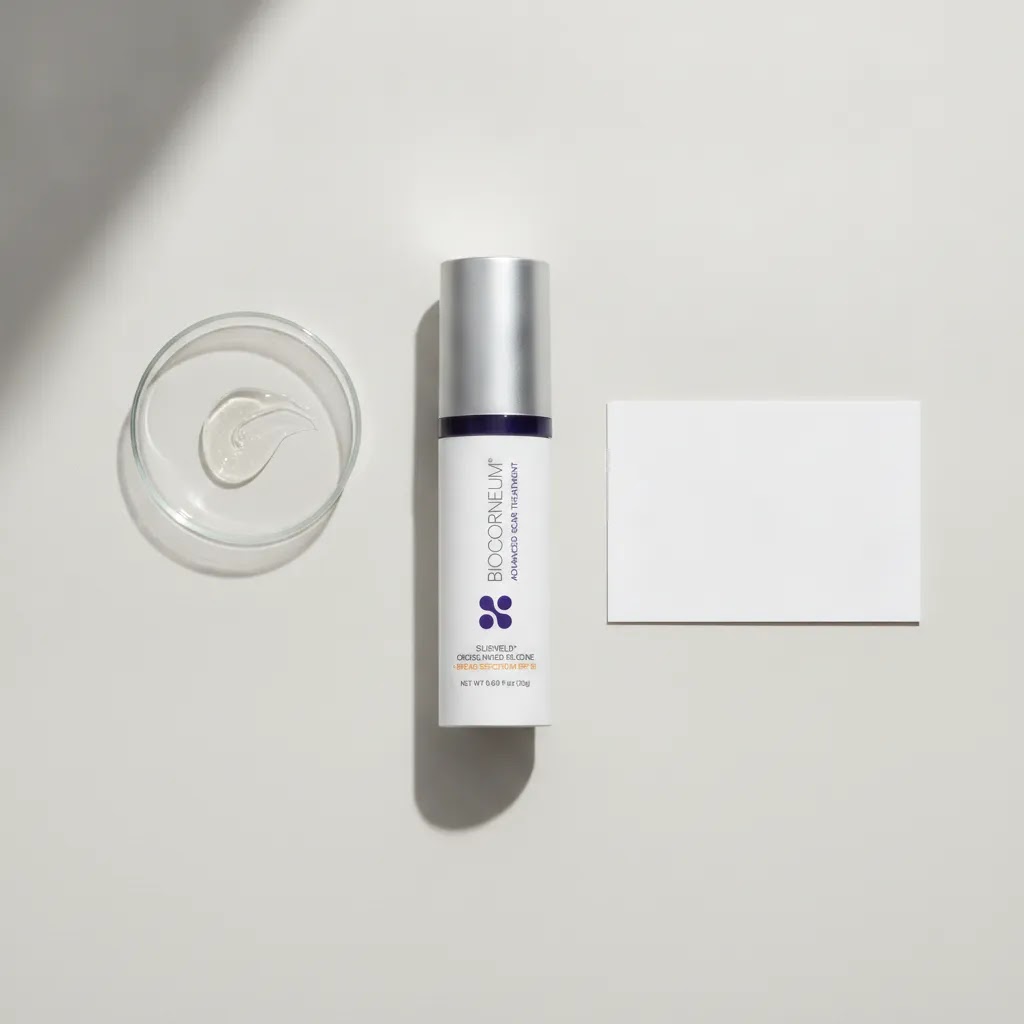
BIOCORNEUM SiliSilk Advanced Scar Gel, 30g
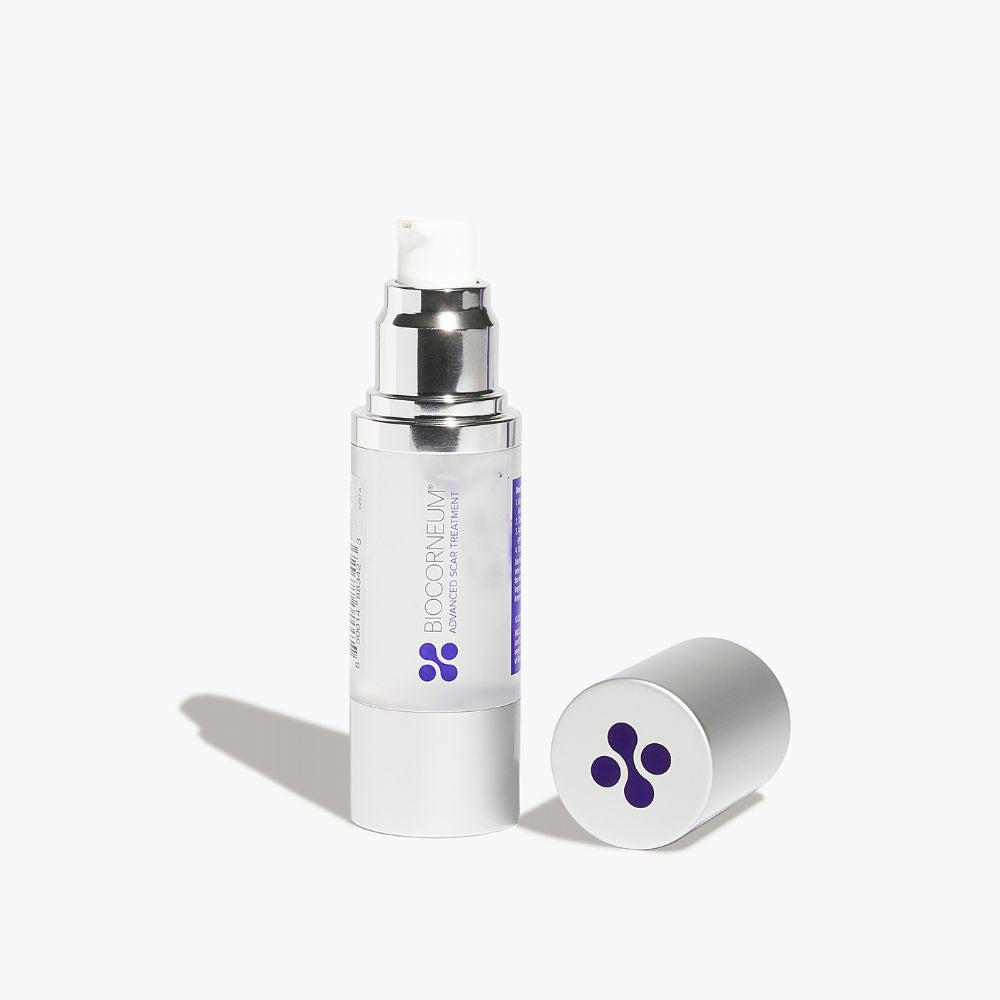 This is the most cosmetically elegant pick in the group for many post-operative users. BIOCORNEUM SiliSilk Advanced Scar Gel, 30g is described as a professional-grade silicone scar gel with an ultra-smooth, silky finish and a clear, fast-drying texture. It is SPF-free, which may appeal to people using it indoors, at night, or under their preferred sunscreen rather than relying on a built-in sun filter.
- Clear formula suitable for all skin tones
- Fast-drying and non-greasy, which may make morning use easier
- Designed to layer under sunscreen or makeup
- Water- and sweat-resistant for day-to-day wear
- Transfer-resistant to clothing and bedding
Considerations include the higher price for a 30 g tube, the fact that it is SPF-free rather than sun-protective on its own, and the reality that a silky finish does not guarantee better scar outcomes for every person. It may be a strong fit for facial or visible post-surgical scars where texture and finish matter to adherence.
BIOCORNEUM 10g
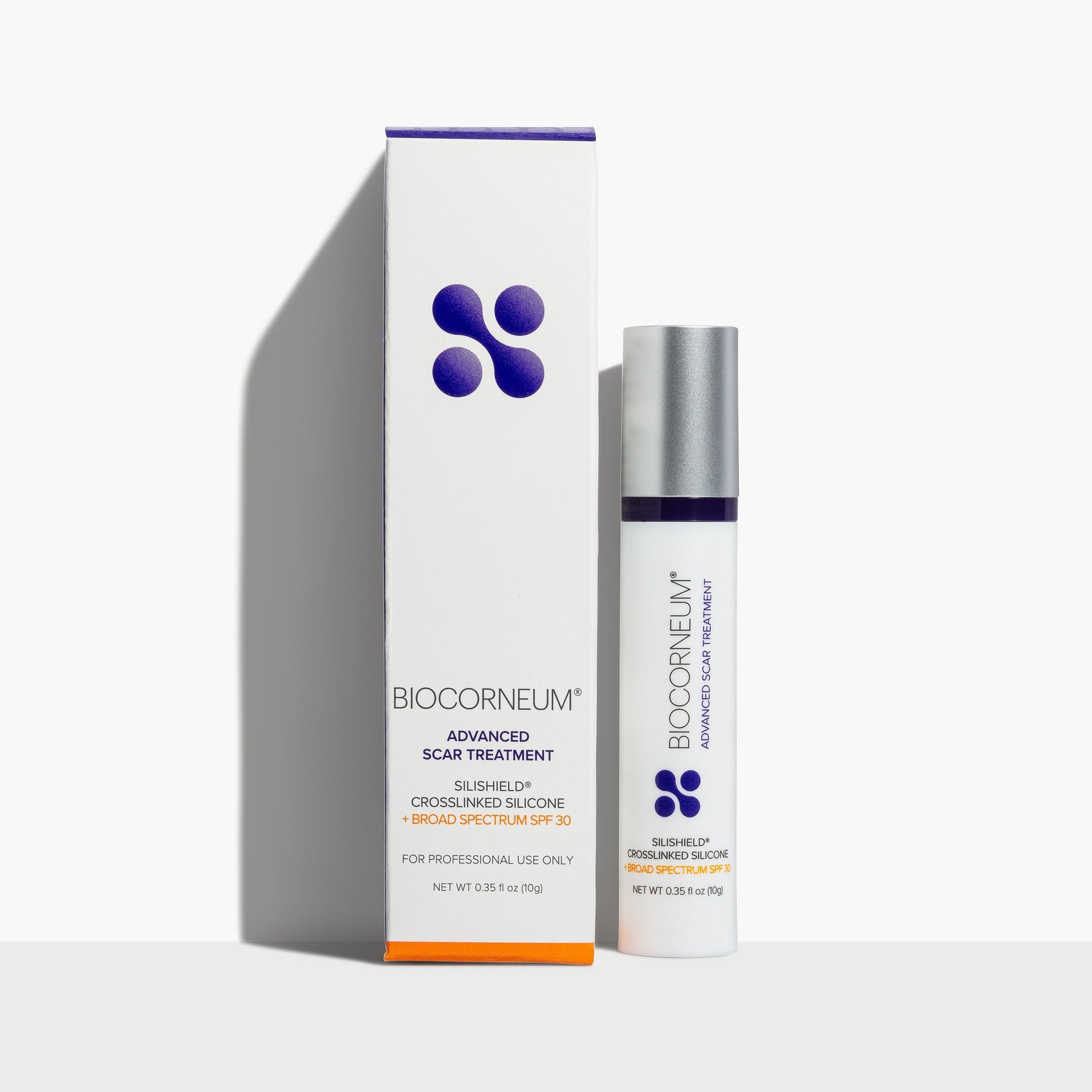
BIOCORNEUM 10g is a smaller-format silicone gel option for scars resulting from surgical and cosmetic procedures, trauma, wounds, and burns. The product information highlights use on areas that must flex a lot, irregular surfaces, and areas exposed to the sun such as the face, neck, chest, and hands.
- Lower price point than the larger BIOCORNEUM sizes
- May suit smaller scars or shorter trial periods
- Self-adhering format without tape
- Can be combined with other physician-recommended treatment options
- Suitable for children over the age of 6 months
Its main limitation is simple volume. If you have a longer abdominal, breast, or body scar, 10 g may run out quickly. Readers often choose this size for smaller facial scars, mole-removal sites, or as a first purchase before committing to a larger tube.
BIOCORNEUM 20g
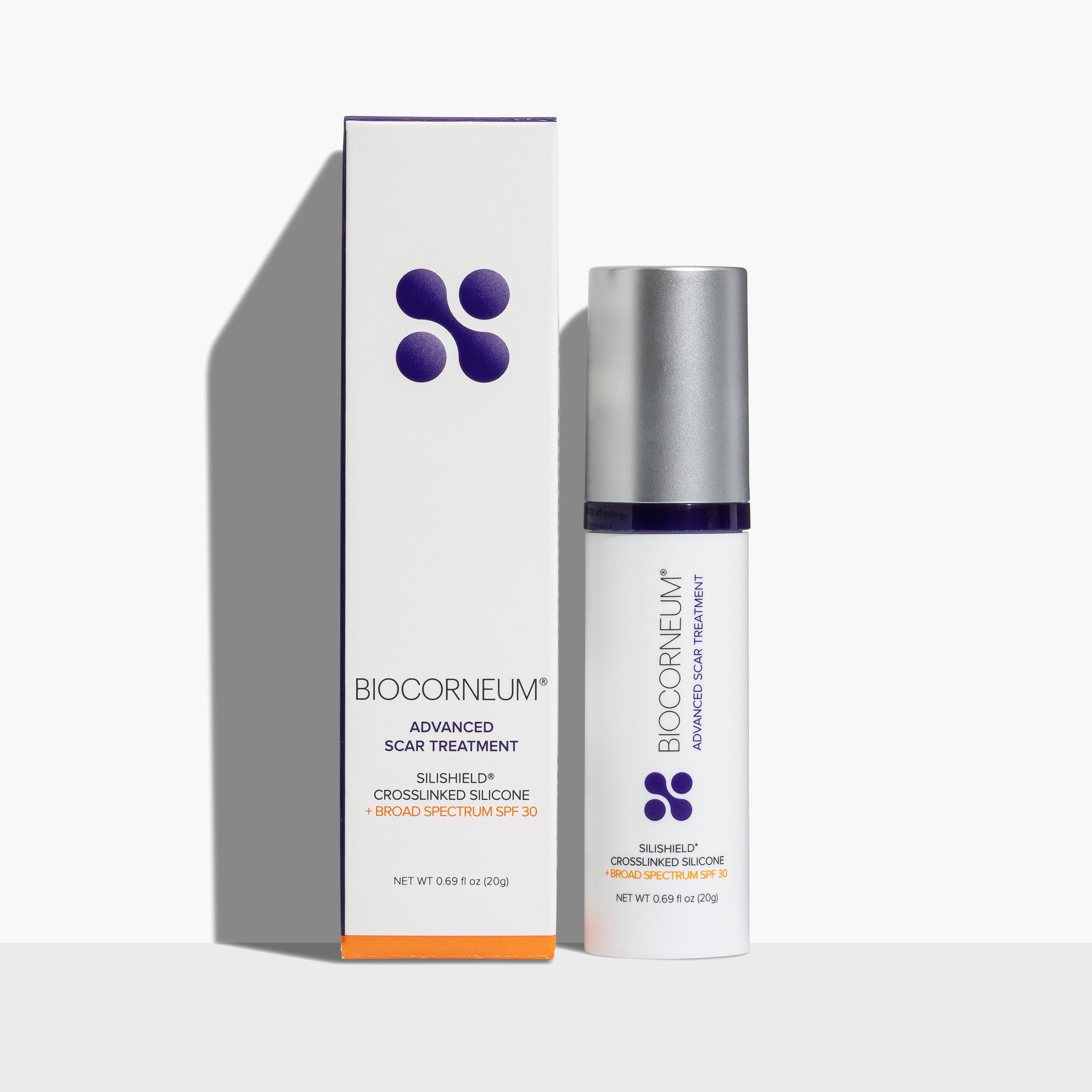
BIOCORNEUM 20g sits in the practical middle for people who need more product than a trial size but do not want the largest tube right away. It carries the same use-case profile listed for the BIOCORNEUM line, including scars from surgery, trauma, wounds, and burns, with attention to large scar areas, irregular surfaces, and high-movement locations.
- Balanced size for moderate treatment areas
- Useful for scars on flexing or exposed skin
- No tape required
- May fit both newer and older scars based on product information
- Can integrate into physician-guided scar routines
The trade-off is that it may still feel small for very long scars or multiple treatment sites. For many readers, this is the most practical starting size if they already know they prefer gel over stick application.
BIOCORNEUM 50g
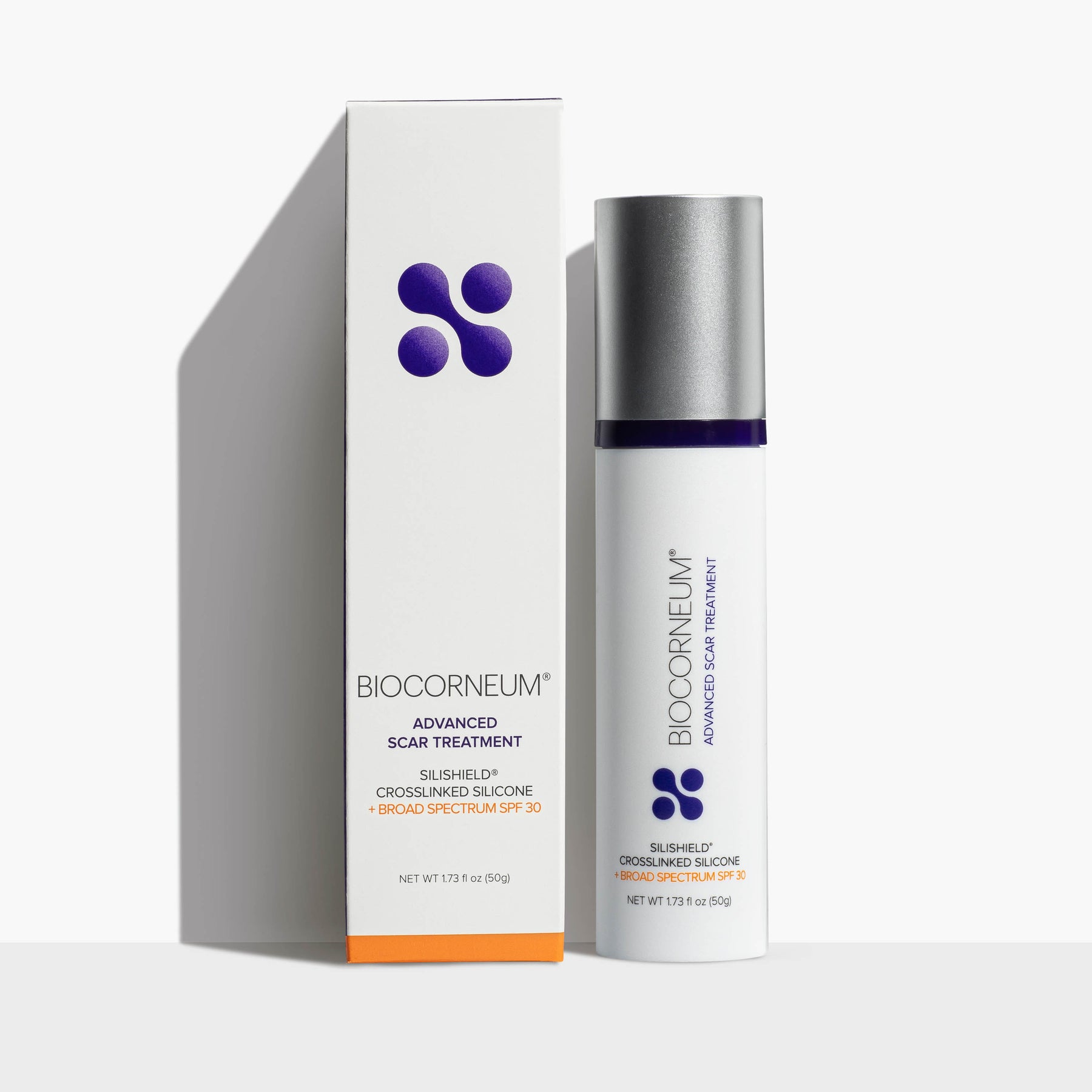
BIOCORNEUM 50g is the volume-forward option in this comparison. If you are caring for a larger surgical scar, more than one incision, or a longer-term routine where repeat purchasing is a concern, the larger size may be more economical over time than buying multiple small tubes.
- Best matched to large or multiple scar areas
- Useful on skin that flexes frequently
- Works on irregular surfaces where sheets can be awkward
- Appropriate for exposed areas according to product information
- Suitable for use alongside physician-recommended treatment plans
The obvious drawback is the upfront cost. It may be more product than you need for a tiny scar, and some readers prefer to test tolerance with a smaller size first.
Pro-Sil 17g
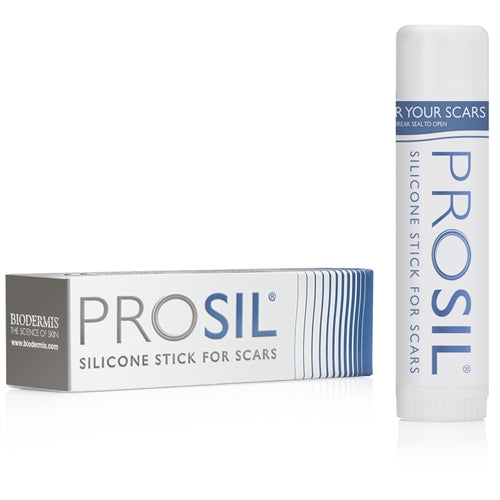
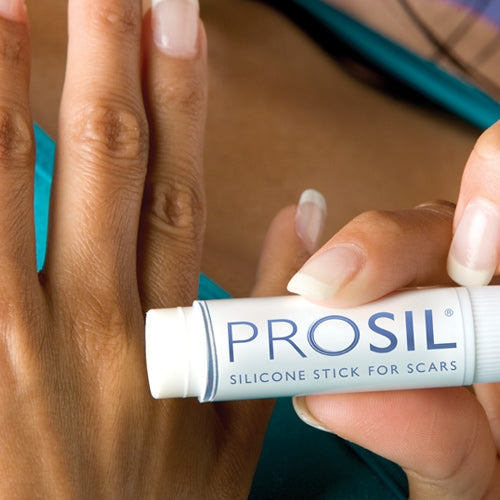
Pro-Sil 17g is the strongest contender here for readers who do not actually want a cream or gel texture. It uses a glide-on stick applicator with professional grade silicone and is intended to be applied liberally over the entire scar several times daily for 8 to 12 weeks or until the scar stops responding.
- Stick format may reduce mess and leakage
- Compact storage for a purse or pocket
- Convenient for repeat applications during the day
- Professional grade silicone in a simple delivery system
- Larger stick size than the 4.25 g option
It may be less appealing if you strongly prefer a clear gel finish or need a primer-like feel under makeup. Some surgical scars also sit in contours where a stick is less intuitive than a fingertip-applied gel.
Pro-Sil 4.25g
Pro-Sil 4.25g offers the same stick concept in a smaller size. This makes it a reasonable option for smaller scars, travel use, or people who want to test whether a stick format suits their routine before buying a larger version.
- Lowest price in the roundup
- Small and portable
- Easy to reapply during the day
- Uses professional grade silicone
- Shares the same 8 to 12 week use guidance listed for the larger stick
The limitation is again volume. A 4.25 g stick is unlikely to be the most efficient choice for a long post-operative scar. It is better suited to targeted use where portability matters more than coverage.
Other Best Scar Care After Surgery Options Not Covered Here
This roundup focuses on cream-like gels and stick formats because that is what most readers compare when they search for the best scar cream after surgery. Still, shoppers often expect a few nearby categories to come up as well.
Silicone sheets and dressings
Silicone sheets are a well-known option in scar care. They can be a strong choice for some people after the incision fully closes and a clinician confirms the timing is right. Their biggest advantage is sustained contact over the scar for longer wear periods. Their biggest drawback is practicality.
Sheets can feel awkward on curved areas, joints, or places that flex often. They can also be harder to keep in place on the face or neck. As a result, gels and sticks often win on day-to-day adherence because they dry down, move with you, and do not require tape or constant repositioning. If you want that format, see our Biodermis Silicone Scar Sheets overview.
Silicone gel with built-in SPF
Some silicone gels include SPF, which can be appealing if your scar is often exposed to daylight, such as on the face, chest, neck, hands, or forearms. UV exposure can contribute to prolonged discoloration in healing scars, especially in the earlier months. Therefore, a silicone product with sun protection can be a practical option for daytime wear.
At the same time, SPF in a scar gel does not always replace a broader sun protection plan. Your clinician can help you decide what makes the most sense for your skin type, the location of the scar, and your daily exposure.
Budget comparisons: ointments and drugstore scar gels
Many people compare silicone with lower-cost staples like petrolatum-based ointments and common drugstore scar gels. Ointments can help with moisture support in specific post-op stages when your surgeon recommends them. However, they are not the same as silicone-based scar care for the closed-scar remodeling phase.
Ointments can also stay greasy, transfer to clothing, and make daytime use harder. Drugstore scar gels often focus on ingredients like onion extract and allantoin. Some people like these as a lightweight option, but they do not always provide the same long-wear protective layer that silicone aims to provide.
If your main goal is a practical routine you can maintain for weeks, many people choose a silicone gel or stick because it supports consistent daily wear. As with any topical, irritation or sensitivity can happen. If you are unsure what fits your incision type or skin, ask your surgeon or a qualified clinician to confirm timing and suitability.
Common Concerns and Misconceptions
One common misconception is that the best scar cream after surgery should feel active, intense, or heavily medicated. That is not necessarily true. A scar product may help because of the protective surface it creates, not because it tingles or contains a dramatic ingredient list.
Another misunderstanding is that any topical can start immediately after surgery. Post-operative timing matters. If the incision is not fully closed, or if your surgeon has not cleared topical scar care yet, starting too early may irritate healing tissue or interfere with recovery.
People also assume the most expensive option will always perform best. In reality, success often depends more on whether the product suits the scar location and whether you can use it consistently. A smaller, simpler product that you use every day may be more realistic than one you abandon after a week.
For readers interested in the newer silky-format gel specifically, Nuance Medical also features background on Introducing SiliSilk™: Everyday Silicone Scar Care, Simplified and coverage of BIOCORNEUM® SiliSilk™ Wins NewBeauty Award for Best Scar Gel.
What to Look for in the Best Scar Cream After Surgery
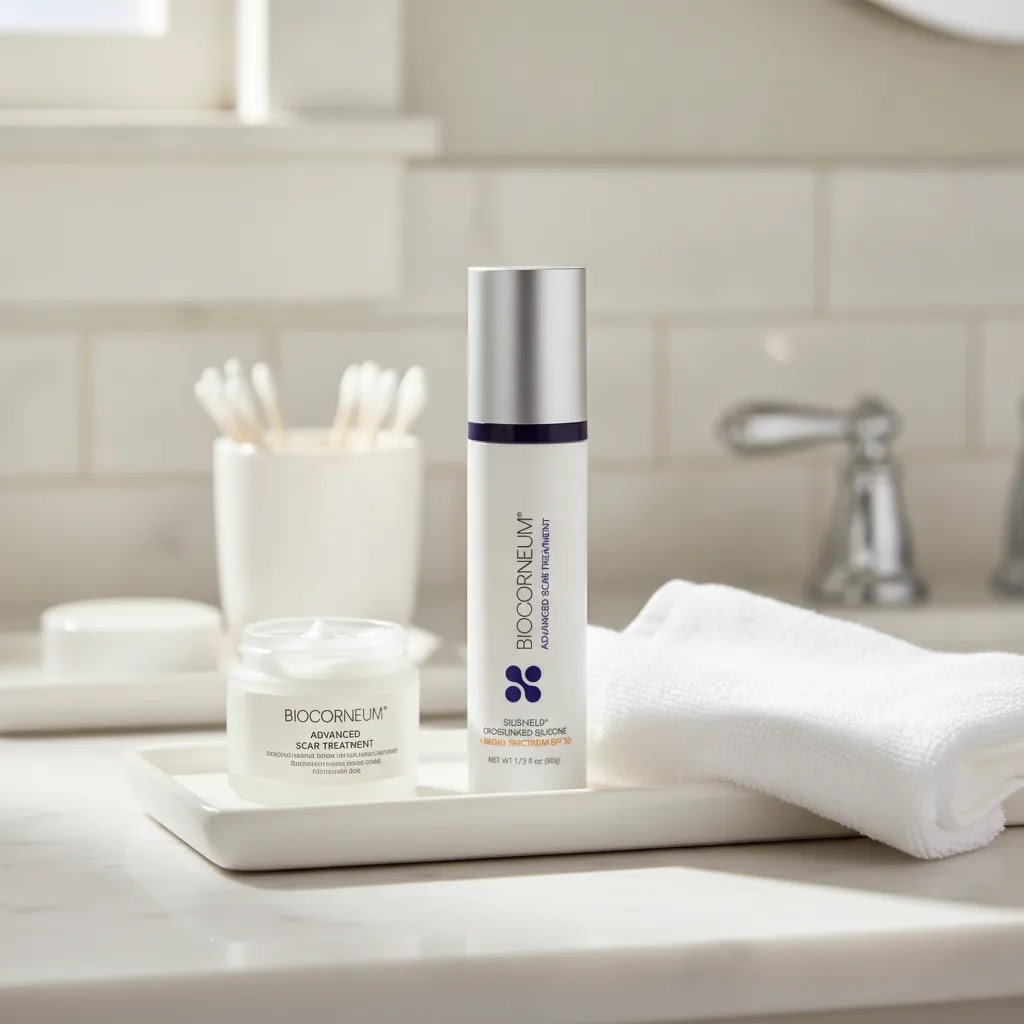
If you are trying to choose the best cream for scars after surgery, these are the criteria that usually matter most.
1. Scar location
A facial scar, a chest incision, and a lower abdominal scar create different practical needs. Visible areas may favor a clear, fast-drying gel. Areas that move a lot may do better with a self-adhering silicone product that does not require tape.
2. Format preference
Some people do best with a fingertip-applied gel. Others stay more consistent with a stick because it is tidy and portable. A product only helps if the routine feels manageable.
3. Scar size
Volume matters. A tiny tube or stick may be enough for a short scar on the face or hand. However, a tummy tuck, breast procedure, or longer orthopedic scar can use product quickly.
4. Daily environment
If you exercise, sweat, wear fitted clothing, or need makeup compatibility, wear characteristics matter. Some formulas dry quickly, resist transfer, or sit comfortably under other products.
5. Clinical timing and skin tolerance
The best scar care after surgery still depends on using it at the right stage. Topical silicone products should generally begin only after closure and clinician approval. If your skin becomes irritated, seek guidance rather than pushing through.
Nuance Medical approaches scar care in that same measured way, with an emphasis on informed product selection, realistic expectations, and routines that support consistency rather than hype. If you are still deciding between cream, gel, or another format, browsing the broader scar care collection can help clarify your next step.
Pros and Considerations
Benefits
- Silicone-based post-operative products may help support a smoother, less noticeable scar appearance over time once the incision is fully closed.
- Gel and stick formats give readers alternatives to sheets, which can be useful on curved, exposed, or high-movement areas.
- Several products in this comparison are designed for practical daily use, including clear finishes, self-adhering wear, or portable application.
- Different sizes allow a closer match to scar length, number of treatment areas, and budget.
- Some options are easier to integrate with makeup, sunscreen, or day-to-day routines, which may improve consistency.
Considerations
- No topical scar product can guarantee a specific cosmetic outcome, and results vary by scar biology, location, tension, and aftercare habits.
- These products should not usually be started on an open incision or without clinician guidance after surgery.
- Larger scars may require more product than readers expect, which can affect value over time.
- Format preference matters, a gel that feels elegant for one person may be less practical than a stick for someone who needs frequent reapplication away from home.
Frequently Asked Questions
What is usually considered the best scar cream after surgery?
For many post-surgical scars, silicone-based topical care is often considered a leading option once the incision is fully closed. The best choice depends on scar size, location, daily routine, and how well you can use the product consistently over time.
Is a scar gel better than a scar cream after surgery?
A scar gel may be preferred because many post-operative topicals are silicone gels rather than traditional creams. Gel textures can dry more cleanly and may suit visible areas well, but some people prefer a stick format if portability and tidy reapplication are higher priorities.
When can I start using scar cream after surgery?
You should usually start only after the incision is fully closed and your surgeon or qualified clinician says the area is ready. Starting too early may irritate healing skin or interfere with the recovery process.
Can scar cream remove a surgical scar completely?
No topical product should be expected to remove a surgical scar completely. Scar care may help improve how a scar looks and feels over time, but established scar tissue cannot be guaranteed to disappear with a non-surgical product.
Which format is best for facial scars after surgery?
For many readers, a clear, fast-drying silicone gel is attractive for the face because it may sit more discreetly under sunscreen or makeup. The right fit still depends on the exact scar location, skin sensitivity, and your clinician’s guidance.
Are stick scar treatments as effective as gels?
They can be appropriate options, especially if they use professional grade silicone and help you maintain a consistent routine. The difference is often less about format superiority and more about where the scar is located and which application style you are most likely to use correctly.
How long do I need to use scar cream after surgery?
Scar care is usually measured in weeks to months rather than days. For the Pro-Sil sticks in this comparison, product guidance states several applications daily for 8 to 12 weeks or until the scar stops responding, while individual plans may vary by clinician advice.
What do surgeons recommend for scars?
Surgeons commonly recommend silicone-based scar care for closed incisions because it forms a protective layer over the scar and supports a stable healing environment. The right option and timing depend on your incision type and recovery, so your surgeon’s guidance should come first.
What can I rub on a surgical scar to help it heal better?
Once your incision is fully closed and you have been cleared by your surgeon, a silicone gel or silicone stick is a common topical option used in post-op scar routines. Apply it to clean, dry skin and use it consistently for weeks, since irregular use is a common reason people feel a product did not help.
Is Aquaphor or Mederma better for scars?
They are designed for different goals, so better depends on timing and what you need. Petrolatum-based ointments are often used for moisture support in certain early healing phases when a surgeon recommends them, while many people choose silicone-based scar care for the closed-scar remodeling phase because it creates a longer-wear protective layer.
What is the #1 scar cream?
There is not one single product that is best for everyone, because scar outcomes vary by location, tension, skin type, and how consistently you can apply a product. For post-surgical scars, silicone-based gels and sticks are often considered top choices once the incision is fully closed because they support protective wear and realistic day-to-day use.
What if my scar becomes red or irritated with a product?
Stop and check with your surgeon, dermatologist, or qualified medical professional if irritation develops. Mild sensitivity can happen, but increasing redness, discomfort, or skin reaction deserves individualized advice rather than self-adjusting blindly.
Are larger sizes always the better value?
Not always. Larger sizes may make sense for long incisions or multiple scars, but they can be unnecessary for a small scar or if you have not yet tested whether the formula suits your skin and routine.
Should I choose a scar product on my own or ask a professional?
Professional guidance is the safer route after surgery, especially if you are unsure about timing, skin sensitivity, or whether your scar may need more than topical care alone. A qualified practitioner can help you choose a product and routine that match your recovery stage.
Key Takeaways
- The best scar cream after surgery is often a silicone-based gel or stick rather than a traditional cream.
- Post-operative timing matters, topical scar care should generally begin only after full closure and clinician approval.
- Scar location, product format, and scar size often matter more than marketing language.
- Gel options may suit visible areas and layered routines, while stick formats may be easier for portable reapplication.
- Results vary, so realistic expectations and consistent use are both important.
Conclusion
Choosing the best scar cream for after surgery is usually less about finding a miracle product and more about matching the right silicone-based format to the scar you actually have. A small facial incision, a longer abdominal scar, and a mobile joint area can call for very different routines.
In many cases, the strongest choice is the one you can use comfortably and consistently once your clinician confirms the skin is ready. Nuance Medical’s approach to scar care reflects that same balance of precision and practicality. If you want to compare options more broadly, explore our scar care resources and product categories, or speak with a qualified professional about what may suit your recovery stage best.
Medical Disclaimer: The information provided in this article is intended for general informational and educational purposes only. It does not constitute medical advice and should not be used as a substitute for a professional consultation with a qualified aesthetic practitioner or healthcare provider. Individual results from aesthetic treatments vary. Always seek the advice of a qualified medical professional before undergoing any cosmetic procedure.