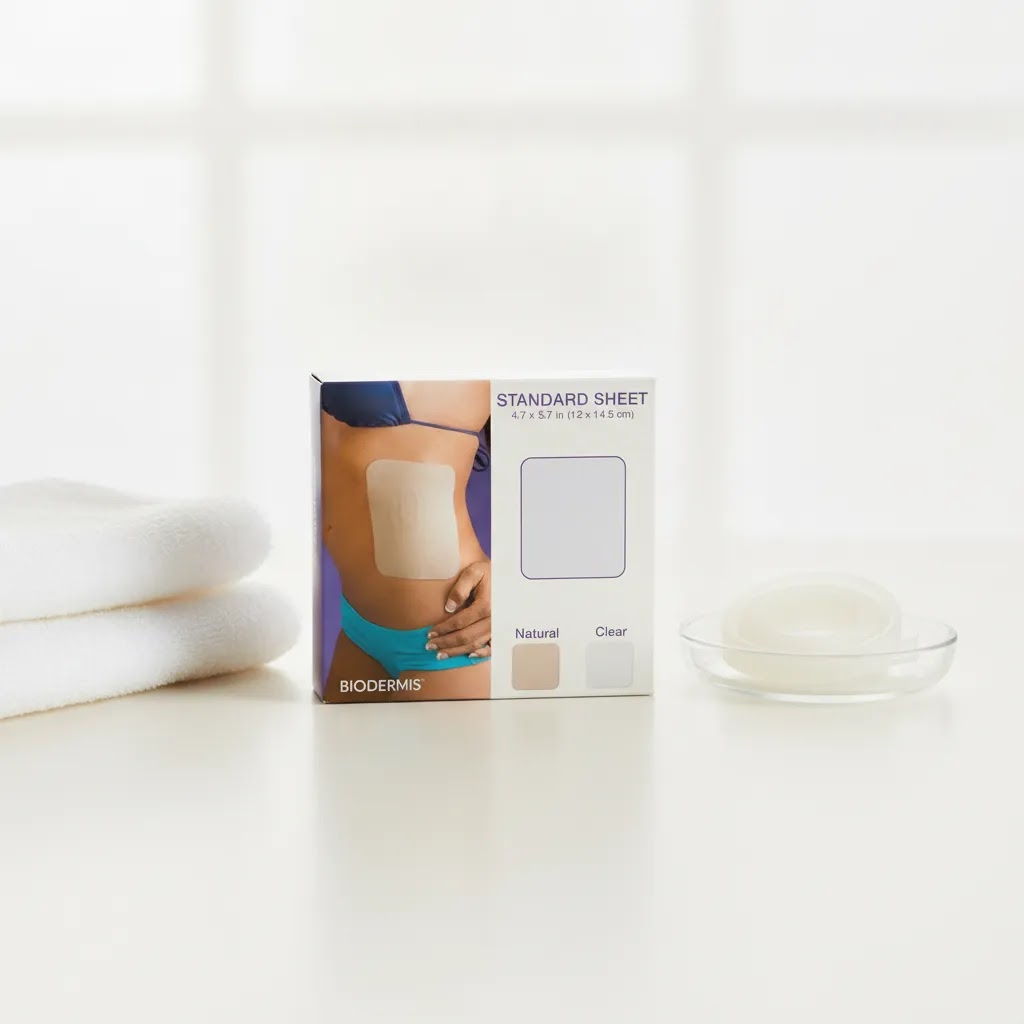
What Biodermis silicone products are
Biodermis products use topical silicone for scar care after the skin surface fully closes. Clinicians and patients often choose silicone to keep a scar hydrated and protected. Over time, that environment may help the scar feel softer and look flatter or less noticeable.
The line matters for patients recovering from aesthetic surgery, reconstructive surgery, injury, or other procedures that leave a linear incision. It can also help people who worry about a hypertrophic scar or want to understand how texture may change in the months after healing. Silicone does not guarantee scar prevention, and it does not erase tissue that already formed. However, it can play a useful role in a structured scar-care plan when you choose the format well and use it consistently.
What Biodermis silicone does for scars
People usually use silicone scar products to place a protective layer over a healed scar. That layer helps reduce water loss from the skin surface. As a result, the scar stays more consistently hydrated.
This matters because dry, irritated scars often feel worse. Friction and constant surface stress can also make a scar more uncomfortable. In some cases, they may contribute to thickening during the active remodeling phase.
Silicone does not remove a scar. Instead, it supports conditions that may help the scar mature in a calmer and more comfortable way. Many people focus on silicone when texture and firmness become more noticeable, especially in raised or hypertrophic patterns. In addition, a silicone sheet or gel can reduce rubbing from clothing and soften how the scar feels over time.
The main safety rule is simple: wait until the skin surface fully closes. If you start too early or cover skin that is not ready, you may trigger irritation or a soggy effect called maceration. Some people also develop irritation or contact sensitivity, especially when sweat and friction collect under an adhesive area. If you notice persistent redness, rash-like irritation, or worsening discomfort, pause use and get professional guidance.
It also helps to stay realistic. Silicone products can support comfort and appearance, but they cannot erase scars. They also cannot replace an exam if a scar becomes more raised, painful, very itchy, or extends beyond its original boundary. In those cases, a qualified practitioner should assess the scar and decide whether you need more than topical care.
For broader scar guidance, the how long does it take for scars to fade article can help set realistic timelines. You can also review the American Academy of Dermatology guidance on scar treatment for general scar-care principles.
Biodermis product line overview
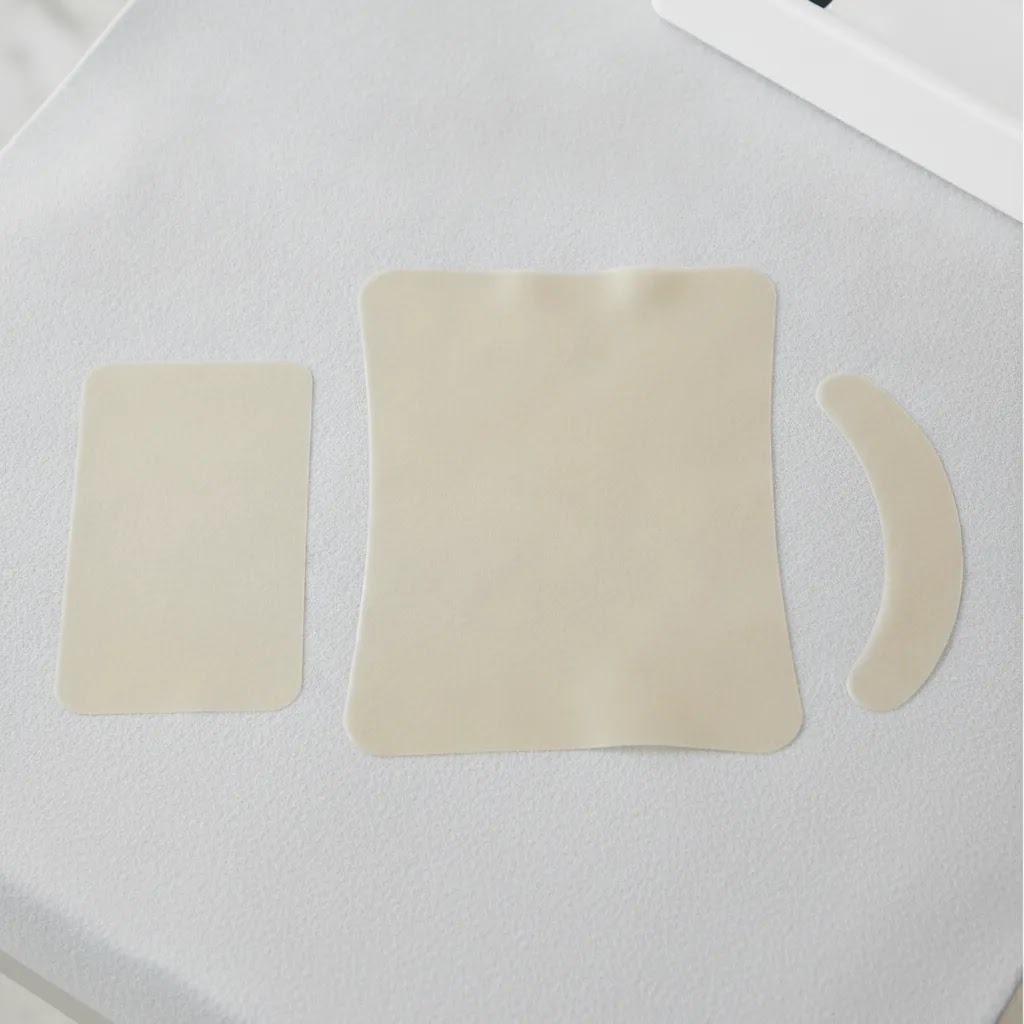
The Biodermis line works best as a format-based system, not a single product. Different scars need different shapes, flexibility, and wear patterns.
If you want a practical overview of sheet options, biodermis scar sheets covers how standard sheet-style products fit broader scar-care routines. For readers comparing the line at a higher level, biodermis silicone scar sheets looks more closely at silicone sheeting as a category within the brand.
Curved and smaller incision areas often raise separate questions. That is where biodermis epi-derm c-strip silicone scar sheets becomes relevant, because strip-style formats may suit shorter or more contoured scars better than a larger rectangular sheet. If your interest is specifically in sheet construction, flexibility, and wear-time expectations, epi-derm silicone gel sheeting for scars goes deeper into that format.
Not every scar area works well with a sheet. Mobile zones, facial contours, and places where adhesion may be difficult can make gel more practical. In those cases, biodermis scar gel is the more useful comparison point. Gels usually trade the occlusive sheet feel for easier application on awkward surfaces.
| Format | Common fit described in this article | Main trade-off |
|---|---|---|
| Sheets | Larger, flatter, longer scars | Adhesion can be harder on curved, sweaty, or high-friction areas |
| Strips | Shorter scars or more contoured areas | May still lift near folds or motion-heavy zones |
| Gel | Curved, mobile, or highly visible areas | Less of the sheet-like occlusive feel and may need easier repeated application |
| Stick-style silicone | Small scars, including facial scars | Usually needs careful, consistent reapplication |
Biodermis format selection cues
Many patients overlook one key point: “Biodermis” often serves as shorthand for several silicone format families. Each one creates a different daily experience. If you are choosing between options, think about wear, movement, and contour, not just “sheet versus gel.”
Biodermis silicone gel sheeting
Sheeting usually works best on larger, flatter areas where you can keep steady contact. Linear abdominal incisions, flatter chest areas, and some back or hip scars often fit this category. However, sweat, body hair, curvature, and high-friction clothing zones can challenge adhesion.
Biodermis pre-cut strips and shaped pieces
Strip-style formats usually suit shorter scars or areas with more contour. A shaped strip can be easier to center and may reduce edge lift when the scar curves or sits near a fold. In practice, strips also appeal to people who want faster application and less trimming.
Biodermis stick-style applicators and ointment-style silicone
Some silicone options focus on portability and quick reapplication. Stick-style products can help with smaller scars, including facial scars, because you can apply a thin, targeted layer without cutting or placing a dressing. Ointment-style silicone options may also feel more comfortable when you want a non-adhesive routine. However, they usually require more consistent reapplication and careful layering under sunscreen or makeup.
A simple Biodermis matching framework
If you want a quick way to narrow your options before reading deeper product pages, consider these cues:
- Scar size: Larger and flatter often favors sheeting, smaller and localized often favors gel or stick-style application.
- Contour: Curved or folded areas often do better with strips, gel, or stick options than a full sheet.
- Friction and movement: High-motion zones may lift sheets, which can make a gel-based routine more realistic.
- Visibility and cosmetics: For the face or other highly visible areas, many people prioritize a thin, low-profile product that layers comfortably with sunscreen.
- Lifestyle: If you sweat heavily, exercise daily, or cannot manage cleaning and reapplication steps, the “best” format on paper may not be the best fit for your routine.
Ultimately, silicone success often depends less on a perfect product and more on a format you can use consistently without constant irritation or adhesion problems.
Biodermis clinical use pathways
In real-world scar management, the scar usually drives product choice more than the brand name does. Clinicians and patients often sort options by surface area, contour, friction, visibility, and how realistic long-term use will be.
- Confirm that the wound is closed. Silicone products are generally used after the skin surface has healed, not on an open incision or actively draining area.
- Match the format to the scar shape. Long, straight scars may be easier to cover with sheets or strips. Small or highly visible scars may be easier to manage with a targeted gel or stick-style product.
- Consider movement and friction. Joints, undergarment lines, and highly mobile areas may cause lifting, rubbing, or inconsistent contact.
- Set a realistic routine. A product that fits your day is often more sustainable than one that sounds ideal but is hard to wear or reapply.
- Monitor scar behavior over time. If a scar becomes increasingly raised, itchy, firm, or extends beyond the original boundary, professional review matters. That concern may overlap with a keloid pattern rather than routine maturation.
This step-by-step approach matters more than chasing a single “best” product. A well-matched silicone format may support better consistency, and consistency often determines whether a scar routine lasts for weeks to months.
Biodermis wear time, cleaning, and replacement
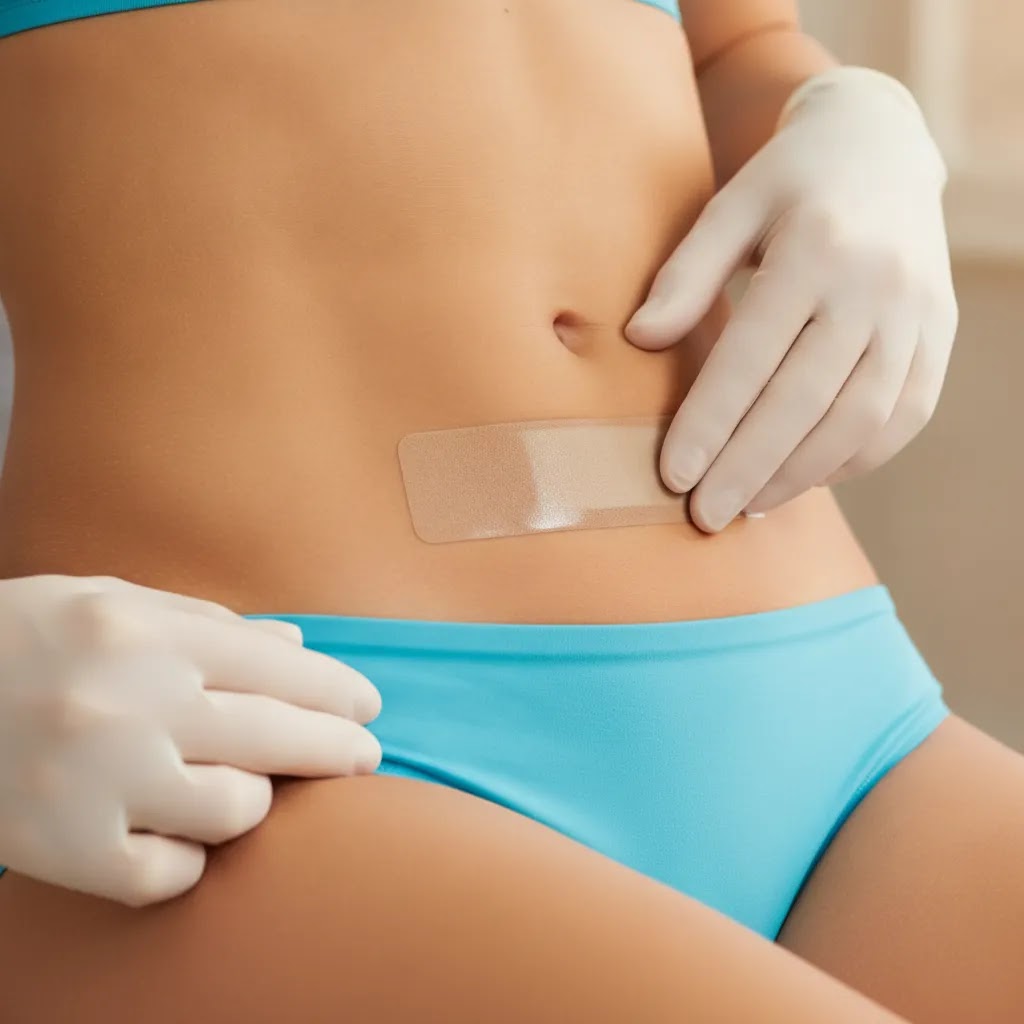
For many silicone sheet users, the decision is not only clinical. It is also practical. Wear time, cleaning, and replacement can decide whether you keep using a product for months or stop after a week.
Daily Biodermis wear expectations
Silicone sheets and strips are often worn for many hours a day. Some routines build toward longer wear as the skin tolerates it. The exact schedule varies by product design and personal tolerance, so follow the product instructions and any post-procedure guidance you received.
If a sheet constantly lifts, rolls at the edges, or irritates the skin, treat that as feedback. Usually, the format, placement, or wear schedule needs adjustment. Pushing through discomfort rarely helps.
Several factors affect staying power. Sweat, friction from bras or waistbands, frequent stretching over joints, body hair, and skincare products on the skin can all interfere. Lotions and oils can reduce tack. Curved surfaces can also create edge lift that turns into peeling later in the day. In practice, the best wear time is the schedule you can maintain without redness or rubbing.
Cleaning and reuse basics
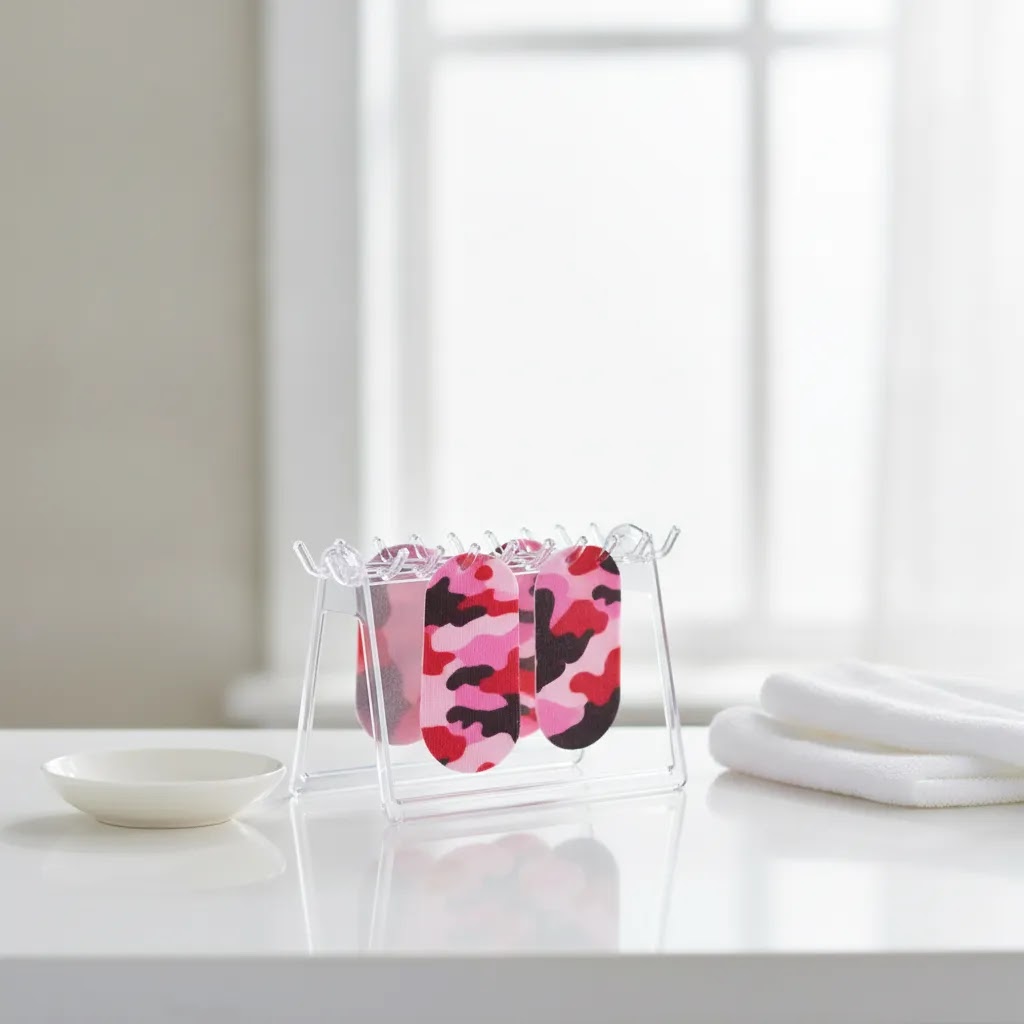
Many silicone sheets are designed for cleaning and reuse, so handling matters. A common routine is simple: gently wash the sheet with mild soap and cool or lukewarm water, rinse it well, and let it air dry so the tack can recover. Clean, dry skin before reapplication can also improve adhesion and lower irritation risk.
If you notice increasing itching under the sheet, a persistent wet feeling, or irritation along the edges, pay attention. The area may be too occluded, or you may need to clean the sheet more often. If irritation continues, a qualified practitioner can help you decide whether to change the routine, switch to gel, or reassess the scar.
Biodermis replacement logic
Even with careful cleaning, sheets and strips do not last forever. Common signs for replacement include loss of tack, tearing, edge fraying, cloudiness that does not rinse away, or new irritation after a period of normal use. Therefore, if you are comparing products or planning a budget, count replacement as part of regular wear rather than an unexpected extra.
For general wound and scar aftercare basics, you can also review the MedlinePlus scar overview.
Biodermis pros and considerations
Benefits
- Silicone products may help support hydration over a healed scar, which can improve comfort and may contribute to a flatter, softer appearance over time.
- The Biodermis line offers multiple formats, including sheets, strips, and gel-style options, which allows more tailored selection for incision length, body location, and visibility.
- Sheet-based options can provide continuous contact across a scar surface, which many people prefer for linear post-surgical scars.
- Gel formats may be easier to use on curved, delicate, or highly visible areas where a sheet is difficult to keep in place.
- Professional scar-care lines can offer more structure and purpose than generic “scar creams” that do not use silicone as their primary mechanism.
Considerations
- Results vary by scar age, skin biology, surgical tension, sun exposure, and how consistently the product is used.
- Silicone products are generally intended for fully closed skin and should not be used as a substitute for wound care in an open or infected area.
- Adhesive formats may not suit every body area, especially where sweat, friction, or frequent motion causes lifting.
- Some scars need medical evaluation because raised growth, persistent redness, or discomfort can point to more complex healing behavior.
- Topical scar care may help appearance and texture, but it does not remove a scar completely.
Who may benefit most from Biodermis
Biodermis silicone products may suit adults with a healed post-surgical scar, a recent closed incision, or a maturing scar they want to manage more proactively. They are often most relevant for people who want a non-invasive option before considering in-office revision approaches.
The format matters as much as the product family. A patient with a long flat scar may prefer sheeting. By comparison, someone with a smaller or more contoured area may find gel or strip formats easier to use consistently.
Suitability still depends on the scar’s stage, location, and behavior. If the area is painful, open, spreading beyond the original scar line, or becoming markedly thick, seek professional guidance instead of self-selecting treatment.
Nuance Medical perspective on Biodermis
Nuance Medical presents scar-care products within a broader medically informed framework. The focus stays on precision, practicality, and appropriate use rather than exaggerated promises. Readers comparing options can browse the brand’s Scar Treatment & Skincare collection to see how scar products fit within the wider category, and the Topical Pain Relief category is also relevant if you are preparing for minor procedures or thinking about comfort around treatment pathways.
If your concerns involve post-procedure sensitivity, a broader lidocaine guide may help clarify where topical numbing products fit and where they do not. For readers following the Biodermis range specifically, Nuance Medical also publishes updates such as Biodermis Exhibiting at The Aesthetic Meeting, which gives context on the brand’s visibility in aesthetic care conversations. This educational approach can help when you compare sheet and gel formats before deciding what deserves a closer look.
What to look for before buying Biodermis
A Biodermis product should be chosen on fit, not branding alone. These are the criteria worth reviewing before you commit.
1. Scar shape and location
Long, linear scars often match well with sheeting. Shorter or curved incisions may fit strip-style products better. Areas such as the jawline, breast contour, shoulder, or a crease line may need more flexibility than a standard sheet provides.
2. Daily wear reality
Ask whether the product will stay on during work, exercise, clothing changes, and sleep. Adhesive performance matters less in theory than it does in real life. If a sheet keeps lifting, a gel can be the more practical option.
3. Stage of scar healing
Silicone usually enters the routine after closure, not during active wound healing. If you are unsure about timing, get professional guidance. Starting at the right stage is often more useful than simply starting fast.
4. Scar behavior, not just scar age
Two scars of the same age may behave very differently. One may stay flat and pale, while another becomes firm, itchy, or raised. If the pattern looks more aggressive than expected, silicone may still play a role, but it should not replace assessment.
5. Evidence and product purpose
Many over-the-counter scar products rely on ingredient blends that sound appealing but do not function like silicone sheeting or silicone gel. If your goal is classic silicone scar management, look for clear identification of the format and intended use.
For added context on comparisons, readers who want another product-category view can review mederma vs scaraway. For brand-specific sheet details, Biodermis Scar Sheets offers a closer look. For added context on the product family’s visibility, Epi-Derm Named Best Overall by InStyle is one example of how the sheeting line is being discussed publicly, though editorial recognition should never replace suitability or clinical judgment.
Frequently Asked Questions
What is the difference between Biodermis sheets and gel?
Sheets provide a physical silicone covering that sits over the scar, while gel is applied as a topical layer that dries on the skin. Sheets may suit longer, flatter scars where adhesion is practical. Gel may be easier on curved or visible areas where a dressing-style product is harder to manage.
Do Biodermis silicone products work on old scars?
They may still offer some benefit for older scars, but expectations usually need to be more modest. Newer or actively maturing scars often respond differently than long-established ones. Texture, thickness, color, and scar type all influence what kind of change is realistic.
Are Biodermis products appropriate after cosmetic surgery?
They are commonly considered for healed post-surgical scars, including scars after aesthetic procedures, once the incision is fully closed. Timing matters, and aftercare instructions from your surgeon or practitioner should take priority. Silicone should not be applied to an open or compromised wound.
Can silicone sheets help prevent raised scars?
They may help support a scar environment associated with flatter healing, especially in people who are prone to thickened scars. Prevention is never guaranteed because healing is influenced by tension, genetics, inflammation, and location. Consistent use and proper timing usually matter more than marketing language.
How long do you usually need to use Biodermis scar products?
Scar care typically requires patience rather than short bursts of treatment. Many people use silicone products for weeks to months, depending on scar maturity and clinical guidance. A scar that is still pink, firm, or changing may need a longer management window than one that has already settled.
What if the scar is itchy, thick, or expanding?
A scar that becomes increasingly thick, very itchy, or extends beyond the original wound deserves evaluation. That pattern can raise questions about a keloid or another form of abnormal scar response. Topical care alone may not be enough in those cases.
Are Biodermis reviews enough to choose the right product?
Reviews can tell you about convenience, wearability, and user experience, but they cannot tell you whether a product is right for your scar biology. A well-reviewed product may still be a poor fit if the format does not suit the location or healing stage. Use reviews as one input, not the whole decision.
Is there a Biodermis discount code I should wait for?
Price-conscious shopping is understandable, but product fit should come first. A discounted product that does not stay on the scar or is awkward to use may be less valuable than a more suitable format used consistently. If cost matters, compare wear practicality and replacement needs, not just checkout price.
Should I choose silicone over a regular scar cream?
For many post-surgical scars, silicone is often the more established topical category than general cosmetic scar creams. That does not mean every cream is useless, but the mechanism is different. If your main goal is structured scar management, silicone products are usually the more purposeful place to start.
What does silicone do for scars?
Silicone supports scar management by forming a protective, occlusive layer that helps reduce water loss and keep the scar environment more consistently hydrated. That can improve comfort and may support a flatter, softer scar appearance over time, particularly during active scar remodeling. It does not erase scars, and results vary based on scar type, location, and consistent use.
How do you clean Biodermis silicone sheets?
Many silicone sheets are typically cleaned with mild soap and cool or lukewarm water, then rinsed and air dried so the tack can recover. Clean handling matters because sweat, oils, and residue can reduce adhesion and may increase irritation for some people. Always follow the specific product instructions and pause use if irritation persists.
What are Biodermis silicone scar sheets for the face?
Facial scars often require thinner, more precise coverage because the skin is more contoured and visibility is high. In many cases, people choose smaller sheet pieces, shaped strips, or a gel format to reduce edge lift and make daily wear more realistic alongside sunscreen. A qualified practitioner can help you assess whether a sheet, strip, or gel is the best match for your specific scar location and skin tolerance.
Who owns Biodermis?
Biodermis is recognized as a professional scar management brand associated with silicone-based scar care products, including the Epi-Derm line. Ownership and corporate details can change over time, so the most reliable source is the manufacturer’s current packaging and official brand channels. If you are buying for a post-procedure scar, what matters most is confirming you are purchasing an authentic product and selecting the right format for your scar and routine.
Key Takeaways
- Biodermis is best understood as a silicone scar-care line with multiple formats, not a one-product solution.
- Sheets, strips, and gels each have different strengths depending on scar shape, body location, and daily wear demands.
- Silicone may help support flatter, softer scar healing, but it does not erase scars and results vary.
- Timing matters because these products are generally used after the skin surface is fully closed.
- Raised, itchy, or expanding scars should be professionally assessed rather than managed by trial and error alone.
Conclusion
Biodermis products work best when you treat them as tools within a scar-management plan, not as a promise in a package. The strength of the line is its range of silicone formats. That range gives you more flexibility to match the product to the scar instead of forcing one format onto every situation.
For a visible incision, a curved surgical site, or an area that is hard to cover, that difference can matter quite a bit. If you are still deciding between sheeting, strips, and gel, Nuance Medical offers a helpful place to continue your research through its scar-care resources and product categories. Ultimately, a thoughtful choice, used at the right stage and with realistic expectations, usually serves you better than the most heavily marketed option.
Medical Disclaimer: The information provided in this article is intended for general informational and educational purposes only. It does not constitute medical advice and should not be used as a substitute for a professional consultation with a qualified aesthetic practitioner or healthcare provider. Individual results from aesthetic treatments vary. Always seek the advice of a qualified medical professional before undergoing any cosmetic procedure.