Why biodermis epi-derm c-strip silicone scar sheets suit lower abdominal scars
Not all silicone scar sheets solve the same problem. You can often cover a small circular or short straight scar with a compact strip. A c-section scar usually sits low on the abdomen, spans a wider horizontal area, and lives in a zone where clothing, posture, and body movement create regular friction.
That is where format matters. A strip designed specifically for c-section and hysterectomy scars may make coverage simpler and more consistent. As a result, many people find the routine easier to maintain over time.
The C-strip design offers its main benefit through fit. It targets a longer, linear incision pattern rather than a tiny isolated mark. For many people, that means fewer awkward edges, less patchwork application, and a setup that feels more purpose-built for the location.
This does not mean a shaped strip guarantees a better result than every other format. Scar behavior still depends on factors like your skin, healing pattern, tension on the incision, sun exposure, and how long the scar has been remodeling. The design simply aims to match the anatomy of a common surgical scar more closely.
How biodermis epi-derm c-strip silicone scar sheets support scar care
Clinicians and patients often discuss silicone sheeting in scar care because it may support a more stable healing environment over a closed scar. In plain language, it creates a covering layer. That layer can help reduce excess water loss from the skin surface and support conditions that may lead to a flatter, softer, less noticeable scar over time.
People sometimes search for answers using phrases like silicone sheets for scars before and after or how does silicone scar gel work. That expectation is understandable. However, photos rarely tell the full story. Scar change is gradual, and early improvements often involve texture and feel before dramatic visual change.
Silicone is not the same as removing a scar. It may help manage the appearance of a scar during the remodeling phase, particularly when used consistently on fully closed skin. It is not a substitute for surgical revision, laser treatment, or other medically directed options when those are more appropriate.
If you are comparing product types, the broader Scar Treatment & Skincare category can help you see where sheets, strips, and gels fit within a larger scar-care approach. For general guidance on scar management, the American Academy of Dermatology also offers a useful overview.
Featured biodermis silicone scar sheets and related options
This section focuses on the products most relevant to the C-strip conversation, along with a few adjacent options that may make sense depending on scar size, location, and routine.
| Product | Price | Best fit in this article | Format notes already stated |
|---|---|---|---|
| Epi-Derm C-Strip (5 Pack) | $103.95 | Longer lower abdominal linear scars | Fabric backed silicone strips designed for c-section and hysterectomy scars |
| Epi-Derm C-Strip | $28.95 | Trying the C-strip format before buying more | Silicone strips designed for c-section and hysterectomy scars; Natural and Clear Gel options noted on the product page |
| Epi-Derm Small Strips (3) | $14.99–$28.95 | Small scars rather than long c-section scars | Small fabric backed silicone strips for trauma, burns, basal and squamous cell removal, and mole removal |
| Epi-Derm Small Strips (30) | $179.95 | Repeated use for small scar areas | Same small-strip concept, packaged for people who need more frequent or repeated use |
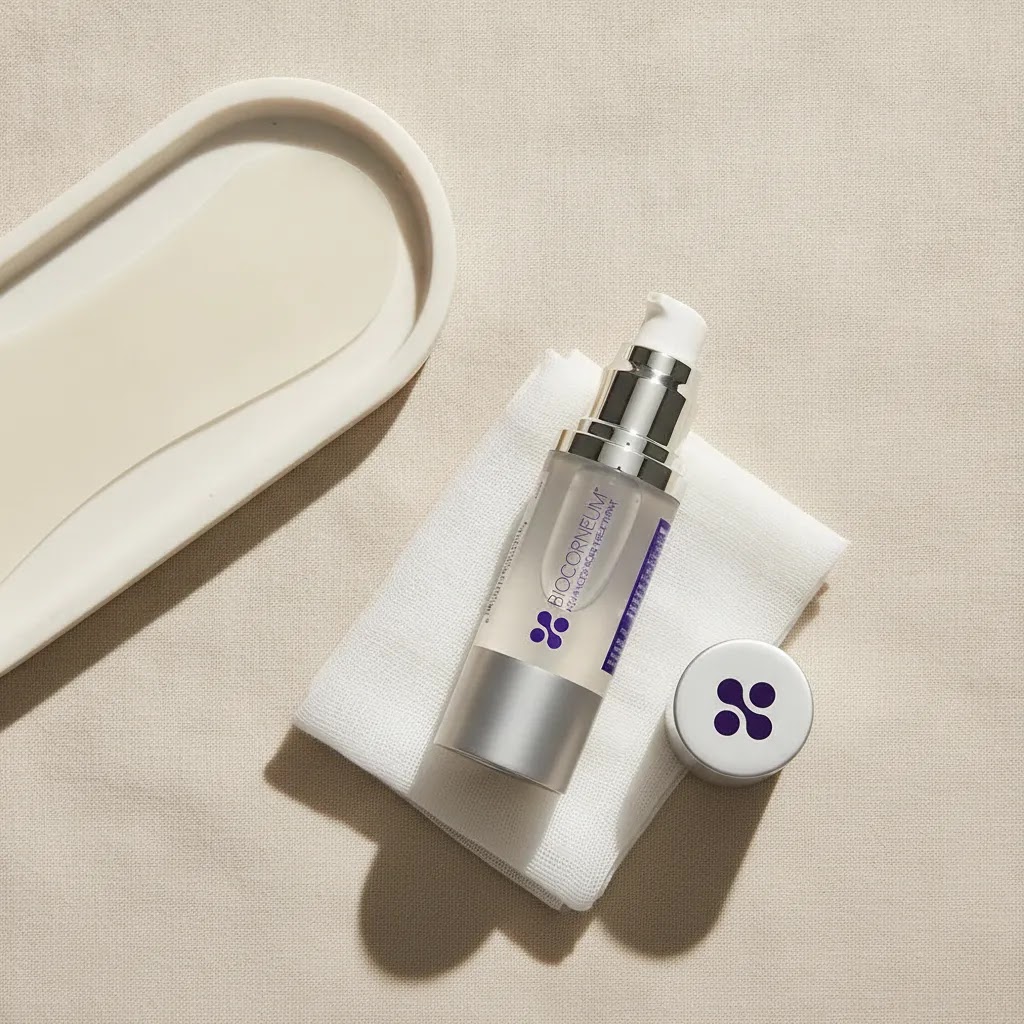
| BIOCORNEUM SiliSilk Advanced Scar Gel, 30g | $84.95 | People who prefer gel for part or all of the routine | Clear, fast-drying silicone scar gel with an ultra-smooth, silky finish; SPF-free; layers under sunscreen or makeup; water- and sweat-resistant |
Biodermis Epi-Derm C-Strip (5 Pack)
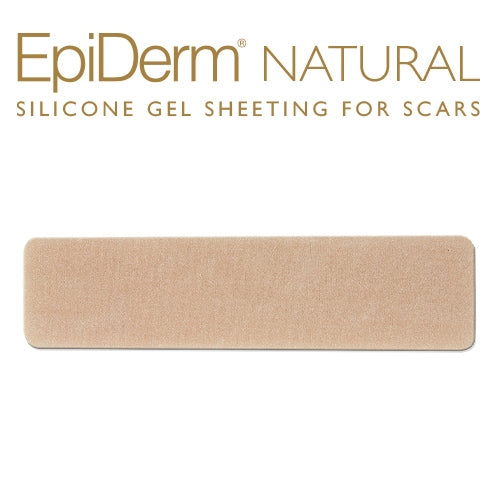
Price: $103.95
The product page describes this multi-pack as fabric backed silicone strips designed for c-section and hysterectomy scars. The five-pack format may suit readers who already know they want a longer-use sheet option for a linear lower abdominal scar.
Its relevance to this topic is direct. This is the product in this group that targets c-section scar shape and placement rather than small isolated areas.
Biodermis Epi-Derm C-Strip
Price: $28.95
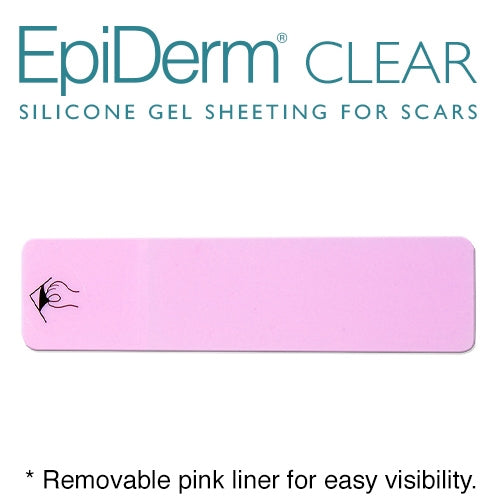
The product page presents this single-pack version as silicone strips designed for c-section and hysterectomy scars, with Natural and Clear Gel options noted on the page. For someone trying the f
ormat before committing to a larger quantity, a single-pack may feel like a more approachable starting point.
It fits the article topic because it reflects the core question many readers have: does a strip made specifically for a long horizontal surgical scar make everyday use easier?
Epi-Derm Small Strips (3)
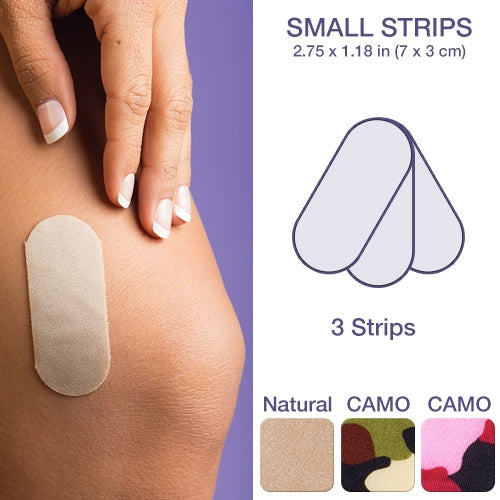
Price: $14.99–$28.95
The product page describes these small fabric backed silicone strips as ideal for managing small scars including trauma, burns, basal and squamous cell removal, and mole removal. That makes them a different use case from the C-strip rather than a direct substitute.
For a long c-section scar, small strips may be less convenient because they target smaller treatment areas. They may be more relevant if your concern is a short linear scar or a small procedure site.
Epi-Derm Small Strips (30)
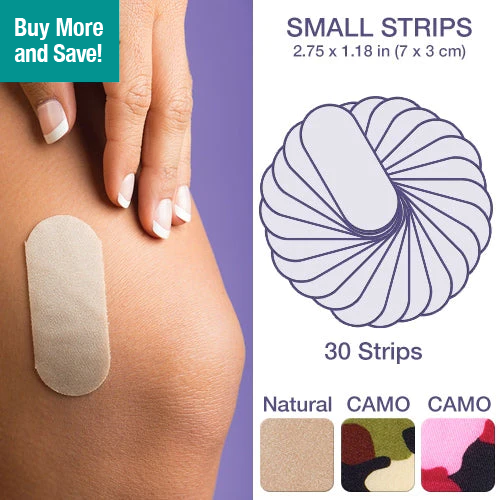
Price: $179.95
This larger pack contains the same small-strip concept for small scars, packaged for people who need more frequent or repeated use. It still targets smaller scar areas rather than the typical length and placement of a c-section incision.
Its role in this article is mainly to provide contrast. It shows why scar shape and size should guide product selection, rather than assuming every silicone sheet format serves the same purpose.
Silicone scar gel alternative: BIOCORNEUM SiliSilk Advanced Scar Gel, 30g
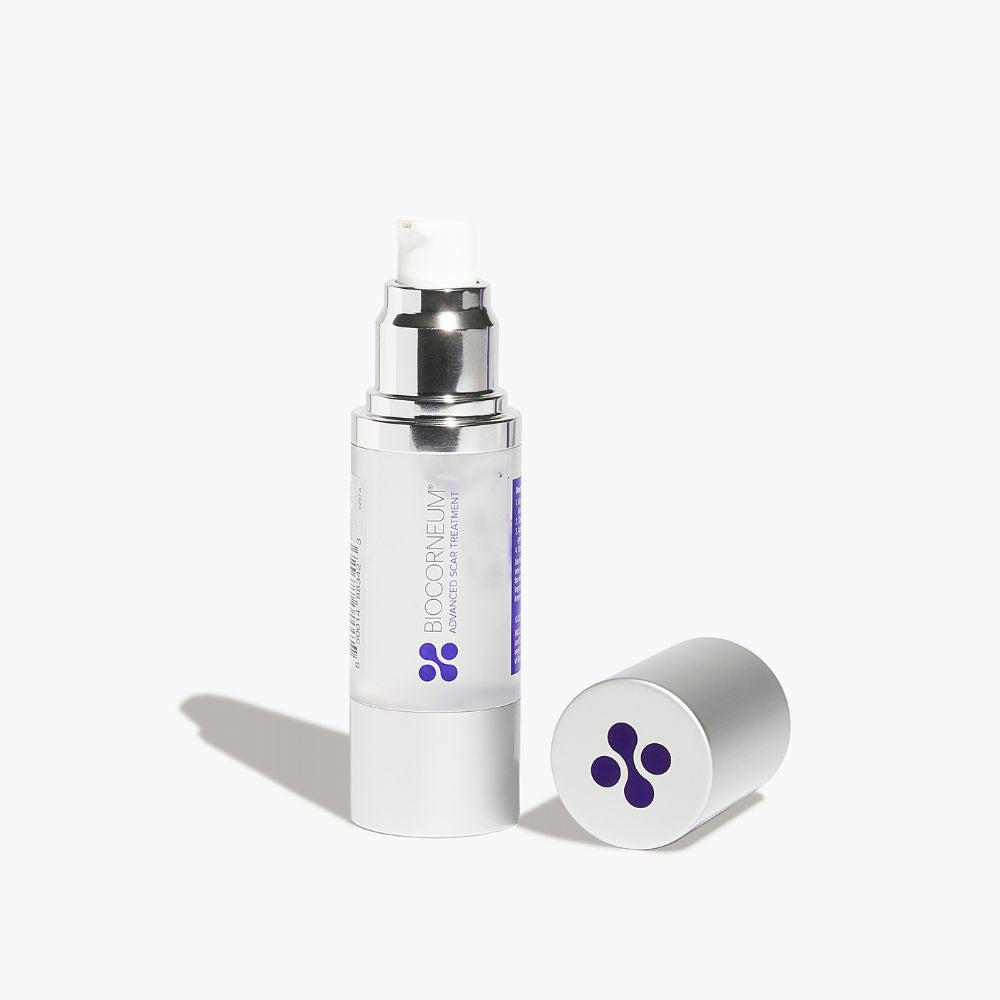
Price: $84.95
This is a clear, fast-drying silicone scar gel with an ultra-smooth, silky finish. The product page states that it is SPF-free, layers under sunscreen or makeup, and is water- and sweat-resistant for daily activities.
It fits this topic because some people with lower abdominal scars prefer gel for certain parts of their routine, especially if they want a silicone based scar gel option instead of sheet wear at all times. Nuance Medical also highlights everyday silicone care education in resources such as Introducing SiliSilk™: Everyday Silicone Scar Care, Simplified. If you want more product-specific reading, see Biocorneum scar treatment.
Timing, wear routines, and practical use
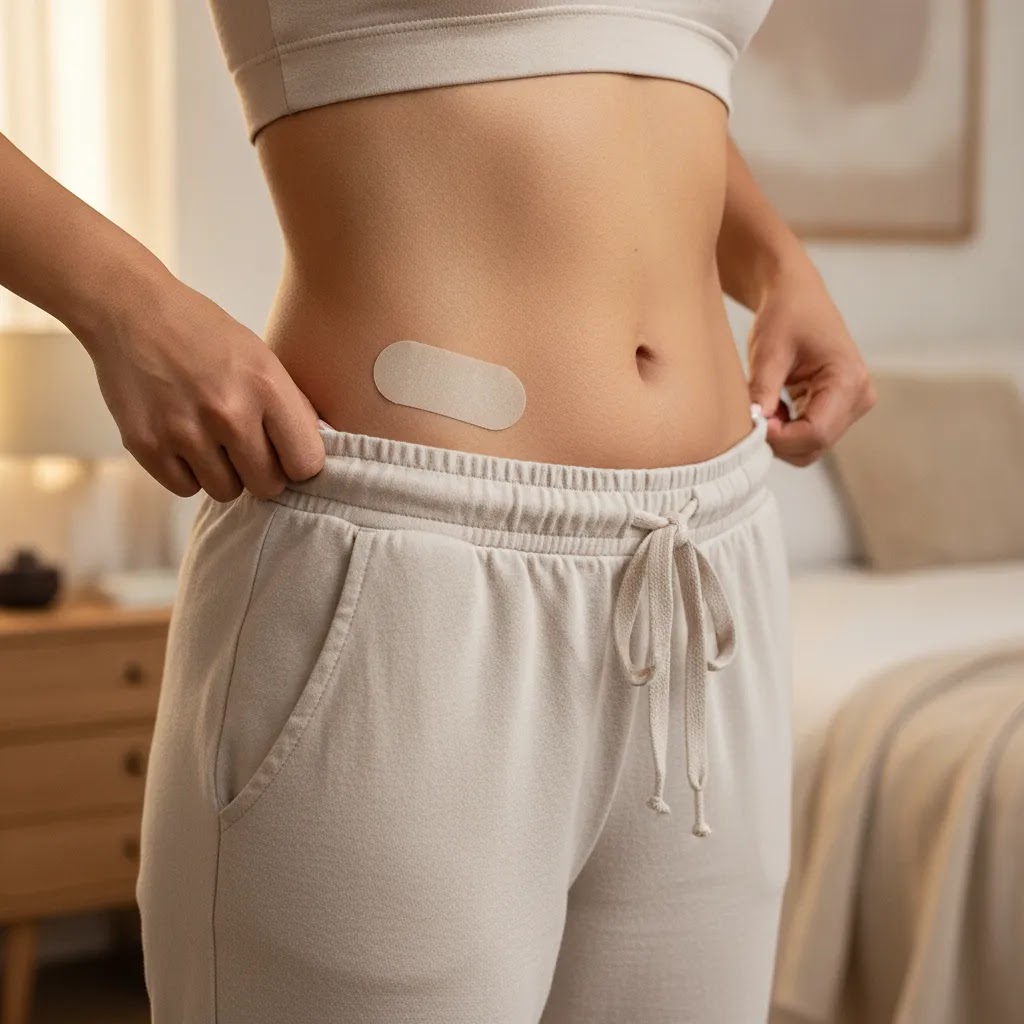
One of the most searched questions is when to start scar treatment after surgery. The short answer is that silicone products are generally discussed only after the skin surface is fully closed. If there is any drainage, open area, scab that has not resolved, or uncertainty about healing, ask your surgeon or qualified medical professional before placing anything over the scar.
For c-section scars in particular, timing can feel confusing because the area may look closed before it feels settled. Clothing pressure, postpartum movement, and skin sensitivity can all affect comfort. That is one reason a professional check-in can be useful, especially if the scar is tender, uneven, or healing more slowly than expected.
A realistic daily routine often includes:
- Making sure the incision is fully closed and medically cleared for topical scar care
- Applying the sheet to clean, dry skin
- Watching how the area responds, especially in heat, exercise, or under tighter clothing
- Using sun protection on exposed scars, since newer scars may darken more easily with UV exposure
Some patients find that a purpose-shaped strip feels easier to place evenly across a lower abdominal scar, especially compared with improvising with smaller pieces. Others prefer to alternate between sheet use at home and gel use during parts of the day when dressing, movement, or comfort make a sheet less practical. For broader recovery-related product comparisons, you may also like best scar cream after surgery.
How to use and care for biodermis epi-derm c-strip silicone scar sheets
The best scar product helps only if you can use it in a realistic way. Silicone sheeting works best as a consistency-based approach. In other words, day-to-day habits matter as much as the format itself.
Many people build up to longer daily wear, especially in higher-friction areas like the lower abdomen. Some routines start with a shorter wear window for a few days to see how the skin tolerates occlusion. Then they increase wear time gradually as comfort allows. In many cases, people judge progress over several weeks. Scar remodeling can continue for months, so patience matters.
Application basics for daily wear
Day to day, application usually goes more smoothly when you keep a few basics in mind:
- Start with clean, fully dry skin. Water, sweat, and residual cleanser can reduce adhesion and may increase the chance of irritation.
- If you use body lotion or oil, keep it off the area you plan to cover. Applying silicone over moisturizer usually makes the sheet slip, wrinkle, or lift at the edges.
- Trim for fit if needed so the strip lays flat and does not catch on underwear or waistbands. Wrinkles and lifted corners are often what make sheeting feel inconvenient.
- Avoid stretching the strip to make it reach. Stretching can distort the fit and may make edge lifting more likely once you start moving.
- If adhesion drops with sweat, friction, or exercise, it may help to remove the strip, gently cleanse and dry the skin, then reapply. Some people find gel is easier during workouts and sheeting is easier for home wear.
Cleaning, replacement, and skin comfort
Care and replacement are the other pieces many patients overlook. In general, treat silicone sheets like a reusable skin-contact product. Keep them clean, and let them dry properly between uses if you remove them. Gently washing the sheet as directed by the manufacturer can help remove skin oils and improve day-to-day grip. If a strip becomes consistently less adhesive, begins to curl, or looks worn in a way that prevents full contact, it is usually time to replace it.
In practice, consultations often come back to comfort. If you are doing everything right and the skin still reacts poorly, or if the area stays persistently irritated under the sheet, a clinician may suggest adjusting wear time, switching formats, or taking a break to protect the skin barrier. Comfort is not a small detail here. It often determines whether you can stay consistent.
Sheets versus gel for linear scars
Readers often compare silicone sheets for scars with a silicone based scar gel because each format solves a different daily-life problem. Sheets provide physical coverage over the scar. Gel creates a silicone film after drying and may be easier on areas where reapplication convenience matters more than sheet placement.
For a c-section scar, sheeting has an obvious appeal because the scar is long and linear. A dedicated C-strip may align better with that shape than small-format pieces. Gel may be useful if you dislike adhesives, want a product that layers into a skincare or body-care routine, or need something that works under clothing without the feel of a sheet.
Format choice often comes down to scar geometry and routine compatibility, not to finding a miracle option. A product that fits the location and your day-to-day habits may be easier to use consistently. Readers interested in broader silicone education may also appreciate the news update on Epi-Derm Named Best Overall by InStyle, which reflects ongoing interest in silicone scar-sheet solutions. If you want a dedicated gel comparison, read Biodermis scar gel.
Silicone sheets vs other popular scar ingredients (why silicone is often the first-line option)
It is common to compare silicone with other over-the-counter scar products, especially gels that feature ingredients like onion extract or allantoin. Those formulas are often marketed for scar appearance, but they are not the same category as silicone occlusion. Silicone sheets and gels are generally discussed as first-line topical options in many post-surgical scar conversations because they create a controlled covering layer over the scar, rather than relying only on a traditional active ingredient blend.
Silicone is more about the environment on top of the scar than about treating the scar like a stain. That is one reason it comes up so often for linear surgical scars and for scars that feel raised, thick, or firm during the remodeling phase. Results still vary, and the best choice depends on the scar and the person. However, the mechanism is different from many standard cosmetic gels.
How to choose between silicone formats and other topicals
When you choose a format, a simple decision framework can help:
- If you want a “set and forget” option and the location tolerates it well, a sheet can be easier because it stays in place and provides physical coverage.
- If you exercise frequently, sweat a lot, or have trouble keeping edges down under clothing, a silicone gel may be more realistic because it dries into a thin film and does not rely on a sheet staying adhered.
- If you are alternating between home time and more active time, some people use sheets when they can and gel when they need flexibility.
What many patients overlook is that raised, symptomatic, or persistently changing scars deserve more scrutiny than a product comparison can provide. If a scar becomes more uncomfortable, remains significantly raised, or does not seem to improve with consistent topical care, ask a qualified clinician what other options may be appropriate for your scar type and stage of healing. For sun-related scar color concerns, the AAD wound-care guidance is also helpful.
What progress may look like over time
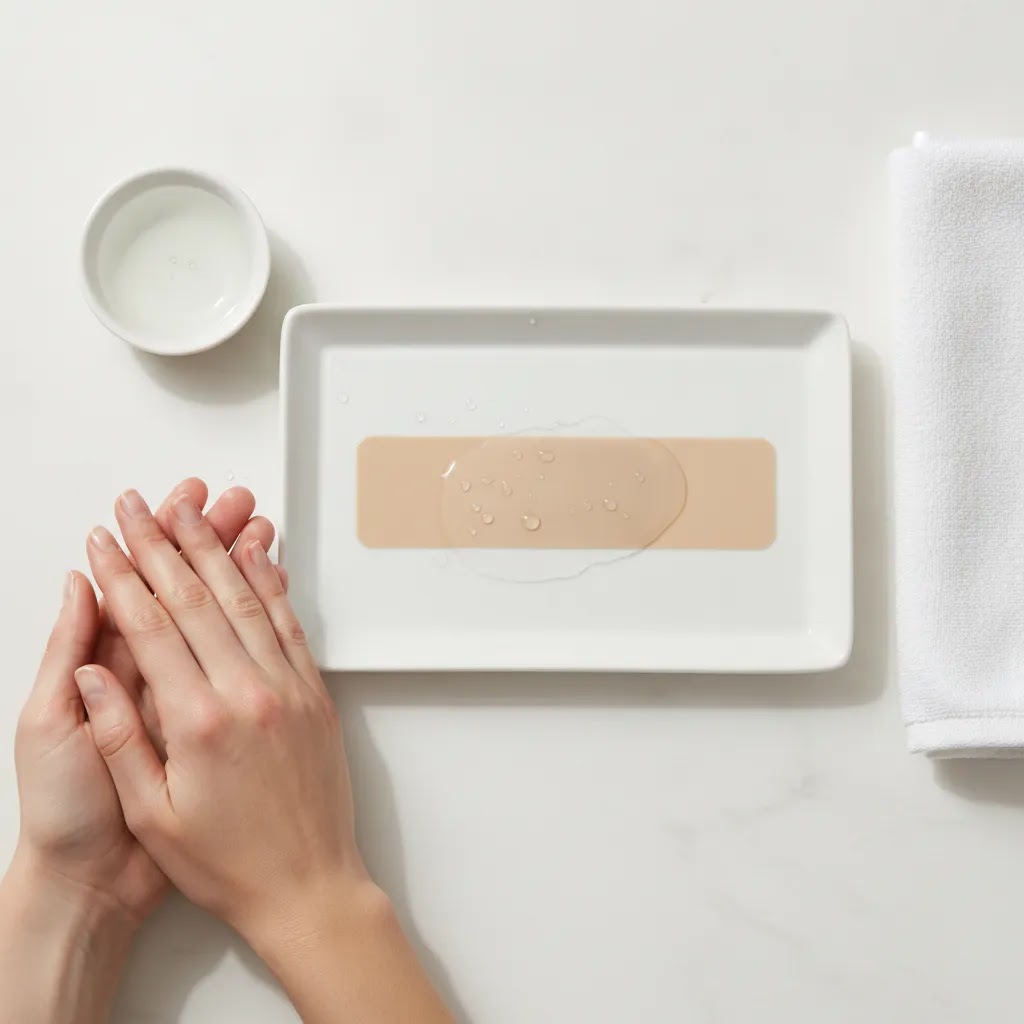
Scar remodeling is slow. Many people hope for a quick before-and-after change, but a more realistic goal is gradual improvement in how the scar looks and feels. You may notice the scar softening, flattening, or becoming less visually prominent over time, though the degree of change varies widely.
A c-section scar can also change in uneven ways. One part may flatten early while another area remains firmer or darker. That does not automatically mean the product is failing. It often reflects how scars mature, especially where tension, moisture, and friction differ across the incision.
If you are under the care of a qualified aesthetic clinic like Nuance Medical, scar concerns can be reviewed in context rather than in isolation. That means looking at timing, scar age, skin behavior, sun exposure, and whether another approach may make sense if silicone alone is not meeting your goals. Educational resources are useful, but a consultation is still the best place to assess your own healing pattern. If you want a realistic timeline discussion, see how long does it take for scars to fade.
Silicone may support scar appearance, but it does not erase the fact that a scar exists. That honest expectation usually leads to better decisions and less frustration.
Who silicone sheets are best for, and when to be cautious
Silicone sheeting tends to make the most sense when the scar is fully closed, the shape is easy to cover, and you can commit to a steady routine. In many cases, the best-fit scenarios are practical rather than trendy.
When silicone sheets make the most sense
In clinic conversations, silicone sheets are often considered for people who have:
- Newer linear surgical scars that are still in the remodeling phase
- Scars that feel raised, thick, or firm to the touch, meaning texture is a main concern
- High-friction areas where a protective covering helps reduce rubbing from clothing
- The ability to wear a sheet most days, since consistency is usually the factor that determines whether you see meaningful change
Not every scar concern is really a texture concern. Some scars are mostly about color difference rather than elevation. Silicone may support overall scar appearance, but pigment change can be slower and less predictable than changes in feel or thickness. If color is the main issue, ask a qualified professional whether sun protection strategies or other scar-management options should be part of the plan.
When to pause and ask a clinician
Caution is also part of good scar care. Occlusion can trap heat and moisture, and some people are more prone to irritation under a sheet, especially in warm climates, during postpartum recovery, or if the skin barrier is already sensitive. It may be wise to pause and ask a clinician if you notice:
- Persistent irritation, rash-like changes, or worsening redness under the sheet
- New pain, swelling, or unusual tenderness that is not improving
- Skin that repeatedly feels macerated, meaning overly softened or soggy, after wear
- Ongoing issues with adhesive intolerance that make consistent use unrealistic
As with any topical scar product, use a silicone sheet only on fully healed skin. Also, review any concerns about healing with your surgeon or a qualified medical professional. The goal is steady support for a scar, not pushing through discomfort that signals the skin is not tolerating the routine.
Frequently Asked Questions
Are Biodermis Epi-Derm C-Strips only for c-section scars?
No. The product pages specifically describe the C-strip format for c-section and hysterectomy scars, which are both typically longer linear surgical scars across the lower abdomen. That does not mean every linear scar should automatically use this exact format, but it does tell you what the design is trying to match. If your scar has a similar shape and location, a C-strip may be more practical than a small strip. If your scar is short or in a different area, another silicone format may make more sense.
When should you start scar treatment after surgery?
People generally ask this because they want to help the scar early without interfering with healing. Silicone scar care is usually considered only after the incision is fully closed. If you still have drainage, open skin, or unresolved crusting, it is better to pause and ask your surgeon or another qualified medical professional. The exact timing can vary based on the procedure, healing speed, and any post-op complications. Starting at the right stage matters more than starting as early as possible.
Do silicone scar sheets work better than silicone scar gel?
Not always. Sheets and gels both use silicone, but they fit different routines and scar locations. A sheet may feel more intuitive for a long linear scar because it physically covers the area. A gel may be easier if you want something fast-drying, flexible, or easier to use under clothing during certain activities. The more useful question is often which option you can apply properly and consistently on the scar you actually have. The answer may differ from person to person.
Can you use a C-strip on an old scar?
You may be able to, but expectations should stay realistic. Newer scars that are still in the remodeling phase are often where silicone products are discussed most often. Older scars can still be a reason someone explores scar care, especially if the area feels firm or remains visually noticeable, but improvement may be slower or more limited. Scar age is only one factor. Location, thickness, color change, tension, and your overall healing pattern also shape what results may be possible.
What makes a c-section scar different from a small surgical scar?
A c-section scar is usually longer, lower on the abdomen, and exposed to frequent movement from bending, sitting, walking, and clothing pressure. That creates a different daily-use challenge than a small scar on a flatter, less mobile area. The format of the scar product matters more here because coverage needs to match the scar’s length and the reality of body motion. This is one reason C-strip style products are discussed separately from smaller silicone strips made for compact treatment areas.
Can silicone scar sheets remove dark color from a scar?
Silicone may help support a healthier scar environment, and some products discuss minimizing the appearance of scars and hyperpigmentation. Still, pigment changes can be stubborn and may not respond evenly. Color can also persist because of sun exposure, inflammation, or individual skin behavior. A scar that looks darker is not always a sign that you chose the wrong product. If color is your main concern, it may be worth discussing broader scar-management options with a qualified professional rather than relying on one product format alone.
Are small strips a substitute for a C-strip on a c-section scar?
They can cover skin, but they are not built for the same use case. The small-strip products are described for small scars such as trauma, burns, and mole-removal sites. A c-section scar is often longer and may be more awkward to manage with multiple small pieces. That does not make small strips ineffective in every setting, but it does suggest they are less tailored to this specific scar pattern. A purpose-shaped strip may simply feel more manageable for a lower abdominal incision.
What if a sheet feels inconvenient under clothing?
That is a real concern, especially for scars near waistbands or shapewear. If a sheet feels impractical during certain parts of the day, some people ask their clinician whether a silicone gel could fit better for those hours, with sheet use at other times. The goal is not to force a routine that does not fit your life. A scar-care plan should be realistic enough to continue. If the product format keeps interfering with comfort, it is reasonable to reassess rather than push through frustration.
Can silicone sheets for scars also be used for wrinkles?
Searches for silicone scar sheets for wrinkles are common, but scar products and wrinkle strategies are not the same conversation. Silicone sheeting is primarily discussed in relation to scar management on healed skin. Wrinkle care depends on the cause, location, and goals involved, and may include different products or treatment categories. If your concern is facial lines rather than a surgical scar, it is better to evaluate that separately instead of assuming a scar-focused sheet should double as a wrinkle treatment.
How do I know whether to ask about scar products or an in-person assessment?
If your scar is new, changing quickly, uncomfortable, unusually raised, or simply not responding the way you expected, an in-person assessment is usually the better next step. Product information can help you understand categories and formats, but it cannot evaluate your scar directly. A clinic such as Nuance Medical can help place the scar in context, including age, location, healing pattern, and whether topical care alone makes sense. That kind of review often saves time and helps set more realistic expectations.
Do silicone scar sheets actually work?
They can, for the right situation. Silicone sheeting is commonly discussed in scar management because it may support a stable healing environment over a fully closed scar, which can help some scars look and feel flatter or softer over time. The reality is that results vary based on scar age, location, tension on the incision, skin type, and consistency of use. A qualified clinician can help you set realistic expectations for your specific scar.
How long should you leave silicone scar sheets on?
Wear time depends on your skin tolerance, the location, and the specific product directions. Many people build up gradually, especially in areas that sweat or rub under clothing, then aim for longer daily wear if the skin remains comfortable. The more important concept is consistent use over weeks rather than occasional wear. If you are noticing persistent irritation, it is reasonable to reduce wear time or pause and ask a qualified professional for guidance.
Which brand is best for silicone scar sheets?
There is not one universal best brand for every person and every scar. What tends to matter most is whether the sheet fits your scar well, stays in place without excessive wrinkling or edge lift, and is comfortable enough that you can use it consistently. If you are unsure, it can help to choose based on scar shape and your daily routine, then reassess after a few weeks with realistic expectations.
What are biodermis silicone scar sheets for face?
People ask this because facial scars can be smaller, more visible day to day, and harder to cover with bulky formats. In general, silicone sheeting for the face is used on fully healed skin and is chosen based on precise fit and comfort, since facial movement can affect adhesion. If you are considering silicone for a facial scar, it is worth speaking with a qualified professional about timing, wear strategy, and whether a gel format may be easier in high-movement areas.
Key Takeaways
- Biodermis Epi-Derm C-Strip products are specifically described for c-section and hysterectomy scars, which makes the format especially relevant for longer lower abdominal incisions.
- Silicone sheeting may help support scar management on fully closed skin, but it does not remove a scar or guarantee a specific cosmetic outcome.
- For linear scars, shape and routine fit matter. A purpose-designed strip may be easier to use than several small pieces.
- Silicone gel and silicone sheets serve different practical needs, and some people may prefer one format or use both at different times.
- If your scar is healing unpredictably or you are unsure when to begin, professional guidance is more useful than guessing.
Conclusion
Biodermis epi-derm c-strip silicone scar sheets make the most sense when you look at the scar first, not the product category first. A long, low surgical scar creates practical challenges that smaller formats do not always handle well. So a strip designed for c-section and similar linear scars may be a more logical fit. That does not make it the right answer for every person, and it does not change the fact that scar maturation is gradual and individual.
If you are sorting through options, a calm, evidence-aware approach usually helps most. Learn what the format is designed to do, start only when the skin is fully healed, and choose a routine you can realistically maintain. Nuance Medical approaches scar education in that same measured way, with an emphasis on clear information and individualized care. If you want help understanding which scar-care path may suit your situation, you can explore related resources or book a consultation to discuss your options with a qualified professional.