
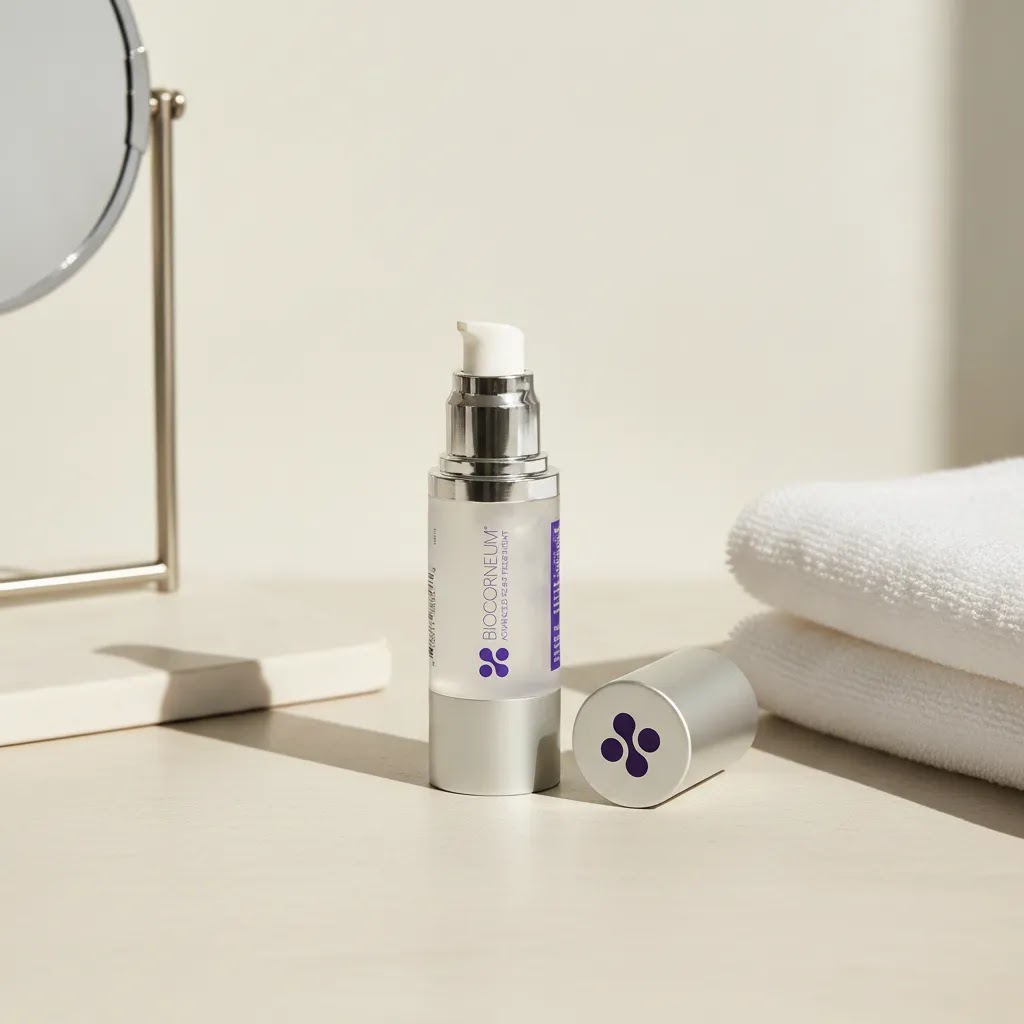
We will also look at a few silicone-based products and where they may fit in a routine. If you want broader context on home-based options, you can start with how to remove acne scars natur guide.
Why does silicone scar gel work on acne scars only sometimes?
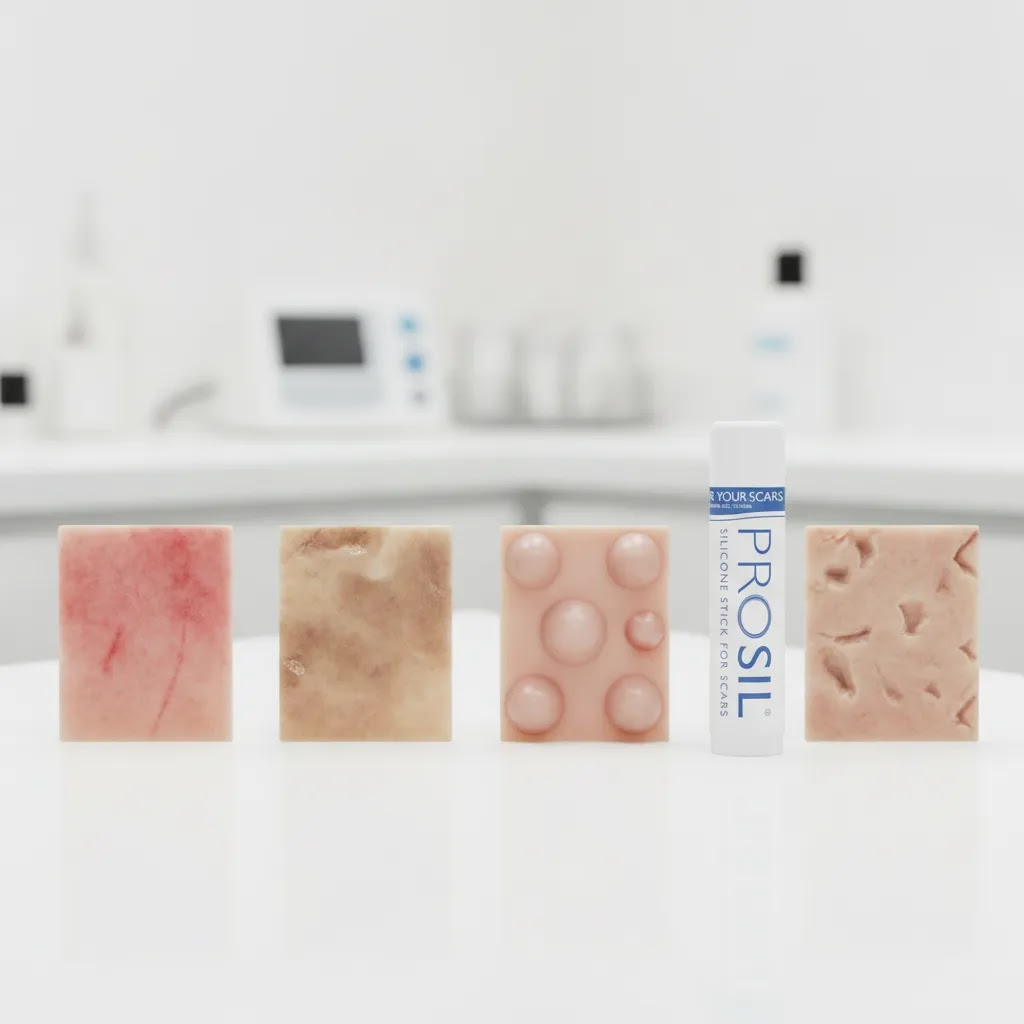
If you are asking whether silicone scar gel works on acne scars, the first issue is definition. People often use “acne scars” to describe several different things, including red marks, brown marks, raised scars, and indented scars. These do not behave the same way biologically. Therefore, one topical product is unlikely to help all of them equally.
Clinicians most often use silicone gel for scars that are raised, thickened, or prone to abnormal healing. That is a different problem from a pitted acne scar, where collagen loss creates a visible depression in the skin. A topical film can support the skin barrier. It may also improve how a scar surface feels or looks. However, it cannot reliably rebuild lost tissue depth on its own.
This is why many people end up comparing simple topicals with more comprehensive options for best acne scar treatment. The right answer usually depends less on the word “scar” and more on the specific type of mark you are trying to address.
What evidence supports silicone scar gel for acne scars?
Researchers have studied silicone gel for general scar management for years. It is especially common after surgery, burns, and injuries once the skin closes and keeps remodeling. In that setting, silicone may help maintain hydration at the scar surface, reduce transepidermal water loss, and create an occlusive environment that supports a flatter, softer scar over time.
For acne scarring specifically, the evidence is more selective. Silicone tends to make the most clinical sense for raised acne scars, also called hypertrophic scars, because those scars involve excessive collagen formation rather than tissue loss. In those cases, silicone gel may help soften prominence and improve surface texture with steady use.
The evidence is far less convincing for classic atrophic acne scars, such as ice pick, boxcar, or rolling scars. These indented scars usually reflect structural change deeper in the skin. Silicone gel may improve comfort, dryness, or the appearance of a fresh healing area. However, it is not a reliable stand-alone correction for depressions.
Silicone may also support post-acne healing when someone has manipulated, picked, or otherwise traumatized a lesion. That is different from treating mature acne scars. Instead, it is closer to managing a healing wound that could become more visible if the skin barrier stays irritated.
For broader scar-care guidance, the American Academy of Dermatology explains how wound care and sun protection can affect scar appearance. In addition, the U.S. National Library of Medicine offers a basic overview of scar formation and treatment options.
How silicone scar gel works on acne scars and why timing matters
Here’s the thing: silicone does not “erase” scars in the way marketing language sometimes implies. It works more like a supportive dressing for healed skin. Once silicone dries, it forms a semi-occlusive film over the surface. In plain English, it helps the skin hold onto moisture and reduces transepidermal water loss. That can keep a healing scar from getting too dry, tight, or reactive.
Why hydration can matter for scar remodeling
Hydration and barrier stability matter most during the active remodeling phase. During that period, a scar is still changing, reorganizing collagen, and settling. This helps explain why clinicians discuss silicone most often for raised scars. Raised scars reflect an “overbuild” of collagen during healing, and a stable, low-irritation environment may help the scar soften and flatten over time.
When to start silicone scar gel on acne scars
Timing matters because you should use silicone only on skin that is fully closed. That means no open areas, no oozing, and no active infection. If you apply an occlusive product too early, you may trap moisture where it does not belong and raise irritation risk.
If you wait until a scar has stayed stable for a long time, you may still see improvement in some cases. Even so, many clinicians emphasize an earlier window. They often point to the first 8 to 12 weeks after the skin closes, when remodeling activity is usually higher.
Many patients also overlook the daily factors that make marks look more noticeable over time, even when the underlying scar is not getting worse. Three big ones are friction, hydration, and sun exposure. Repeated rubbing from masks, collars, or shaving can keep redness lingering. Dehydrated, irritated skin can make surface texture look more obvious. Meanwhile, UV exposure can prolong discoloration and make post-acne marks harder to fade. That is why consistent sunscreen use is not just a general skincare habit. It is part of realistic scar care.
Which acne scars may respond to silicone scar gel?
Silicone gel tends to fit a narrower slice of acne-related concerns than many readers expect.
Raised acne scars that may respond to silicone scar gel
This is where silicone has the clearest rationale. If a breakout healed into a firm, raised scar rather than a dent, silicone may help flatten and soften it over time. That benefit comes from scar modulation, not acne treatment itself.
Fresh post-acne healing areas
If you have recently damaged the skin by picking or squeezing and the area is fully closed, silicone may support a smoother healing environment. Some people use it to reduce friction and protect against dehydration while the skin matures. That does not mean it will erase a mark. Still, it may support a more orderly healing process.
Post-inflammatory discoloration
This is where expectations need to stay realistic. Product descriptions may refer to helping the appearance of hyperpigmentation, but discoloration after acne often responds better to sun protection, time, anti-inflammatory care, and targeted brightening ingredients. If your main issue is pigment or leftover redness, an acne scar cream with evidence-based active ingredients may be a more relevant category to explore. You may also find it helpful to review red acne scars and different types of acne scars.
Where silicone scar gel does not work well on acne scars
Indented acne scars are the main area where silicone gel usually falls short. Ice pick scars are narrow and deep. Boxcar scars have sharper edges. Rolling scars create broader unevenness from tethering under the skin. Those patterns involve structural changes below the surface, so a topical barrier layer is unlikely to create a major change in contour.
That is why clinical acne scar treatment often moves beyond topicals and into procedures such as microneedling, subcision, laser resurfacing, chemical peels, or energy-based remodeling. The goal in those settings is to stimulate collagen, release scar attachments, or resurface irregular texture. A qualified clinic like Nuance Medical generally approaches that decision by matching the treatment plan to the scar pattern, skin tone, recovery tolerance, and your overall goals.
There is also a timing issue. Silicone works best on skin that is fully closed and no longer actively inflamed. Applying heavy occlusive products over ongoing acne can feel counterproductive for some people, especially if they are prone to congestion. If you still have frequent breakouts, acne control usually deserves attention before you expect much from scar-focused products.
Product spotlights
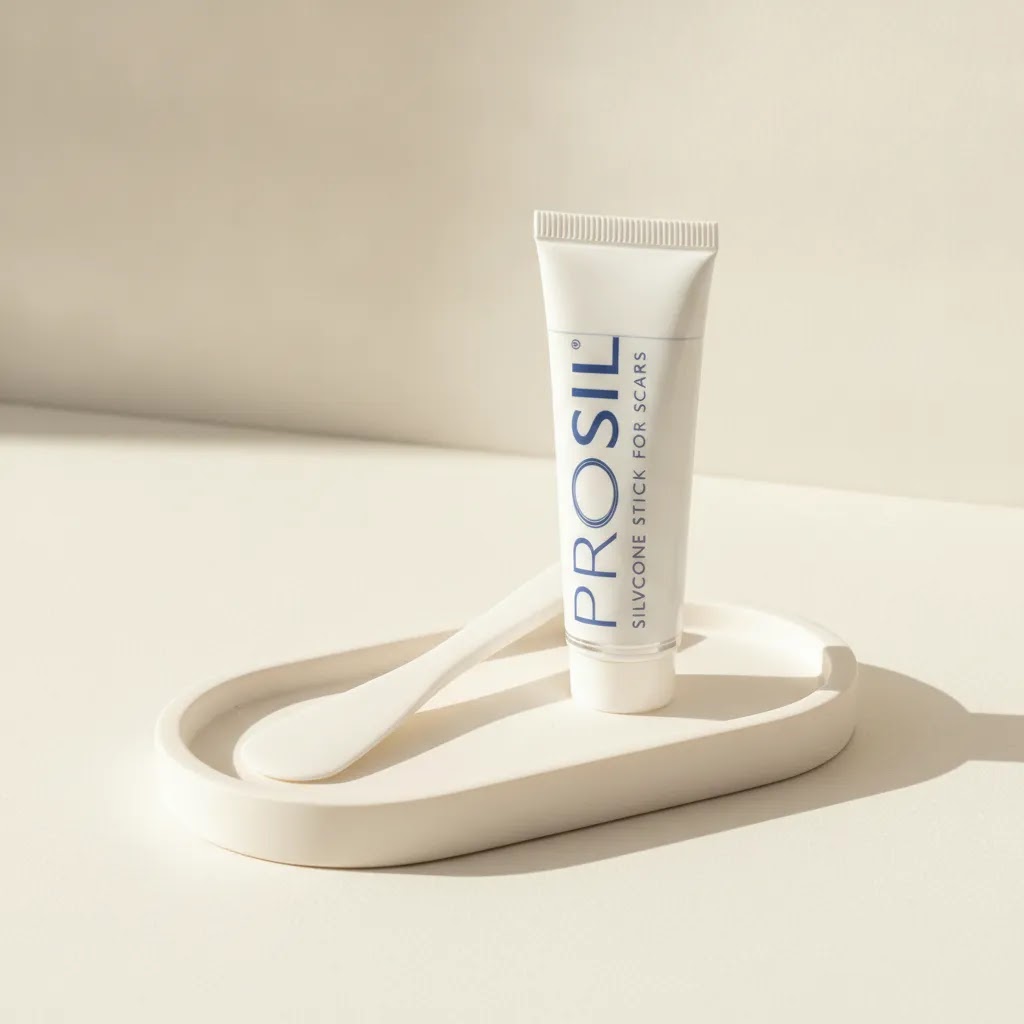
Not every silicone product fits the same use case. Format matters because the scar location, the size of the area, and your routine all affect whether you will actually keep using it.
| Format or product | Best fit based on this article | Main limitation |
|---|---|---|
| Silicone gel | Visible facial areas, smaller or irregular areas, daytime layering | Needs regular application and dry time before layering |
| Silicone sheets | Larger, flatter body scars | Can be harder to keep on the face and more noticeable during daytime wear |
| Silicone tape | Small zones needing precise placement | May lift with facial movement, oil, or skincare underneath |
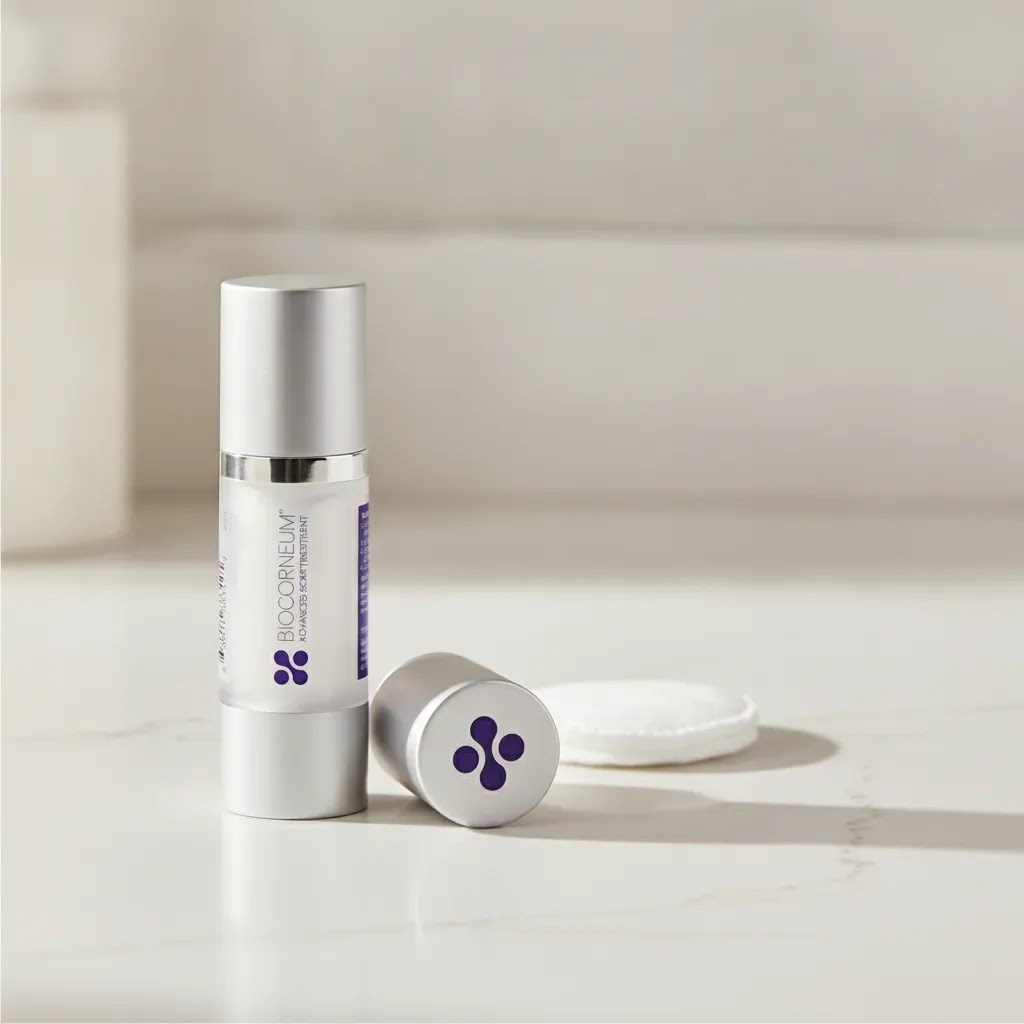
| BIOCORNEUM SiliSilk Advanced Scar Gel, 30g | Fully healed raised scars or healing post-acne areas on visible facial skin | Response varies if the issue is pigment or textural indentation |
| Pro-Sil 17g | Small cluster of fully healed raised acne scars or portable spot use | Not described as a treatment that removes scars |
| Pro-Sil 4.25g | Testing a silicone stick on a limited treatment area | Less relevant for broad, indented, or actively breaking-out areas |
BIOCORNEUM SiliSilk Advanced Scar Gel, 30g
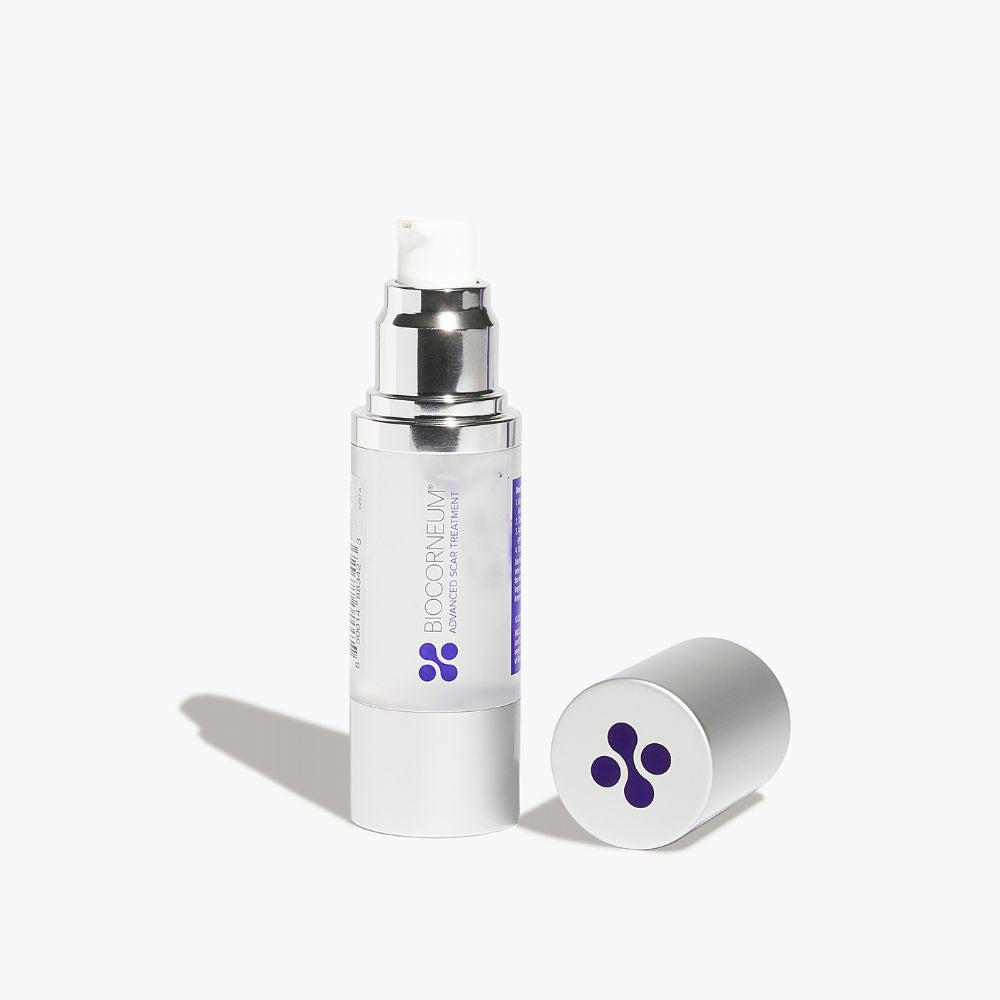 Price: $84.95
BIOCORNEUM SiliSilk Advanced Scar Gel, 30g is a clear, fast-drying silicone scar gel with an ultra-smooth, silky finish. Its ground-truth product details describe it as lightweight, non-greasy, and compatible under sunscreen, makeup, or on its own. That may matter if you are applying it to visible facial areas.
For acne-related scarring, this format may suit a fully healed raised scar or a healing post-acne area where you want a silicone layer that blends into daily skincare. The product page also notes that silicone is clinically proven scar care and may help minimize the appearance of scars and hyperpigmentation, though individual response can vary depending on whether the issue is raised scarring, pigment, or textural indentation. If you want more brand-specific detail, see Biocorneum Scar Gel: SPF 30, Results, and Comparisons.
Pro-Sil 17g
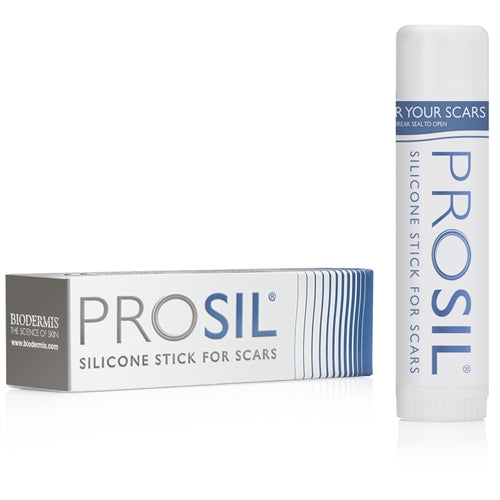
Price: $76.95
Pro-Sil 17g is a silicone scar treatment stick with a glide-on applicator. According to its product page, it uses professional grade silicone and is intended to be applied liberally over the scar several times daily for 8 to 12 weeks or until the scar stops responding.
This larger stick may fit someone treating a small cluster of fully healed raised acne scars or an exposed area where a portable, no-drip format feels easier to manage. It is not described as a treatment that removes scars, which is an honest and clinically appropriate limitation.
Pro-Sil 4.25g
Price: $36.95
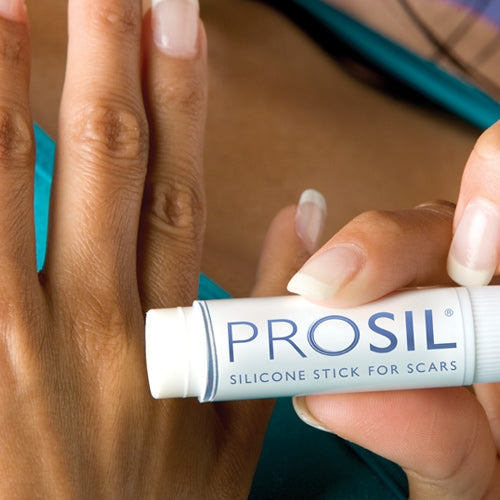
Pro-Sil 4.25g is the smaller version of the same silicone stick format. The product information lists the same professional grade silicone and the same general 8 to 12 week use window, but in a more compact size.
This option may be more practical if you are testing whether a silicone stick suits your routine on a limited treatment area, such as a single raised scar along the jawline. If your acne scarring is broad, indented, or mixed with active breakouts, a stick format may be less relevant than a broader treatment strategy.
How to use silicone realistically
If you and your clinician decide silicone is reasonable for a particular acne scar, consistency matters more than intensity. A thin, regular film on fully healed skin usually makes more sense than overapplying product and abandoning it a week later.
- Use silicone only on skin that is closed and not actively oozing or infected.
- Keep the surrounding skincare routine simple if the area is acne-prone.
- Use sunscreen daily, especially if post-acne discoloration is part of the concern.
- Track changes over weeks, not days.
- Stop and get professional advice if the area becomes more irritated.
At Nuance Medical, patient education tends to start with that kind of distinction: what a product may realistically support, and what likely needs a procedure-based plan instead. That kind of clarity can save you from expecting a topical gel to solve a deeper textural issue.
Gel vs sheets vs tape for acne scars: which format is most realistic?
Silicone for scars comes in more than one format. Gel is only one option. Silicone sheets and silicone tape are also common in scar management, and competitors often give more practical, wearability-focused guidance than most patients get at first glance. The best option is usually the one you will actually use consistently on the right scar type.
Silicone gel
Gel is often the most realistic choice for the face because it can dry into a thin layer and fit into a daytime routine. Many people prefer it under sunscreen or makeup, and it tends to be easier on smaller or irregular areas. The tradeoff is simple: you need to apply it correctly and regularly, and you need to let it dry before layering other products.
Silicone sheets
Sheets can provide a more uniform occlusive layer and are frequently used on larger, flatter body scars. On the face, adherence can be a challenge, especially around curves and areas that move a lot, like the jawline or around the mouth. Sheets can also be more noticeable during daytime wear, so many people reserve them for nighttime use when they can keep the area relatively still.
Silicone tape
Tape sits somewhere between gel and sheets. It can be easier to cut and place precisely, and some people find it more secure on small zones than a full sheet. Like sheets, it can be harder to wear discreetly on the face and may lift with facial movement, oil, or skincare products underneath.
For facial acne marks, compliance often matters more than the category. A gel you use twice daily for weeks may outperform a sheet that ends up in a drawer because it will not stay on. The best-fit scenario depends on the scar and the location. Small spot scars tend to be easier with gel or targeted tape. Larger flatter areas may suit sheets. High-movement zones often do better with a format that will not peel away quickly.
There are also real limitations on acne-prone skin. Any occlusive layer can feel heavy if you are still prone to clogged pores, and irritation is possible if you apply silicone over sensitized skin. In practice, patch testing can help, and keeping the rest of your routine simple is often the safest path when you are trying a scar product on the face.
What to consider before you buy
Before you spend money on silicone for acne scars, ask yourself four practical questions.
- Is the mark raised, flat, pigmented, or indented?
- Is the area fully healed, or are breakouts still active?
- Do you need a gel that layers under skincare, or a stick for spot use?
- Are you hoping for surface improvement, or do you want actual contour change?
If your goal is smoother facial texture, silicone may not be enough by itself. If your goal is to support a fresh, fully healed raised scar and make day-to-day care easier, it may be a reasonable option. Nuance Medical’s educational approach is useful here because the question is not just whether silicone is good or bad. It is whether it matches the biology of the scar in front of you.
If you are browsing related categories, the broader Scar Treatment & Skincare section is the most relevant place to explore. Some readers also encounter search terms such as topical lidocaine gel, topical analgesic gel, or hurricaine topical anesthetic gel while researching skin procedures. Those products belong to a different category, more relevant to temporary numbing or pain relief than long-term scar remodeling, and are better understood through Topical Pain Relief resources.
If you want a brand-specific look at this category, these related Nuance Medical updates may also help: BIOCORNEUM® SiliSilk™ Wins NewBeauty Award for Best Scar Gel and Introducing SiliSilk™: Everyday Silicone Scar Care, Simplified.
Silicone gel vs onion extract gels (Mederma-style products): what’s the difference?
If you have researched scar gels before, you have probably seen two common categories: silicone-based scar care and botanical or ingredient-driven scar gels, often built around onion extract and sometimes combined with ingredients like allantoin. These products are often used with daily massage, and they are marketed broadly for improving scar appearance over time.
How silicone differs from onion extract scar gels
Silicone is usually the more standard scar-care approach in clinical settings, particularly for raised scars. That is partly because silicone has a straightforward job. It creates a protective, semi-occlusive layer that supports hydration and reduces surface irritation while the scar remodels.
Onion extract style gels work more like a daily topical routine. People often pair them with gentle massage, which may help comfort and keep tissue supple in some cases. However, the overall evidence base and expected effect size can vary widely depending on the scar type.
Which scar gel category makes more sense for acne scars?
In practice, this means your choice should depend on what you are actually trying to change.
- If the issue is thickening or firmness in a raised scar, silicone is often the more logical first category to consider.
- If the issue is mild surface dryness, texture feel, or you want a massage-friendly daily gel for a more superficial concern, an onion extract style gel may be something people try, with realistic expectations.
- If the issue is indented acne scarring, the reality is that evidence remains limited for topical products across the board. A topical may support the skin barrier and improve how the area looks day to day, but it is unlikely to replace collagen-remodeling procedures when contour change is the goal.
Whichever direction you choose, remember that the fundamentals still matter. Use products only on fully healed skin, watch for irritation, and take sun protection seriously if discoloration is part of what makes the mark noticeable. If you are not sure what category fits your scar type, a consultation with a qualified practitioner is the safest way to align your home care with what your skin can realistically do. If you want a direct category comparison, you can also review Biocorneum vs Mederma.
Medical Disclaimer: This article is intended for informational and educational purposes only. It does not constitute medical advice and should not be used as a substitute for professional consultation with a qualified medical or aesthetic practitioner. Individual results vary. Always seek the guidance of a licensed healthcare professional before pursuing any aesthetic treatment.
Frequently Asked Questions
Does silicone scar gel help all acne scars?
No. Silicone scar gel does not work equally well for every kind of acne scar. It tends to make the most sense for raised, thickened scars or for fully healed areas that need barrier support during scar maturation. It is much less likely to make a major difference for indented scars such as ice pick, rolling, or boxcar scars, because those involve deeper collagen loss and structural change under the surface. If you are unsure what type of mark you have, a professional assessment is the safest way to match the treatment to the scar pattern.
Can silicone gel fill in pitted acne scars?
Silicone gel is not generally considered a reliable way to fill in pitted acne scars. Depressed scars form because the skin lost collagen or healed unevenly after inflammation. A topical silicone layer may improve how the surface feels and may reduce dryness, but it does not usually rebuild the missing support underneath the scar. Many patients with pitted acne scars need treatments that trigger collagen remodeling more directly, such as microneedling, laser resurfacing, subcision, or other in-office options chosen by a qualified practitioner.
Is silicone gel better for raised acne scars or red marks?
Silicone gel is usually more relevant for raised acne scars than for red marks. Raised scars involve excess scar tissue, which is where silicone has its strongest scar-care role. Red marks after acne are often related to lingering inflammation or visible tiny blood vessels rather than thickened scar tissue. Those marks may fade with time, sun protection, and a routine aimed at calming the skin. Silicone is not always the first choice for redness, though some people may still use it on a healing area if the skin is fully closed.
Which is the best gel for acne scars?
The best gel depends on what you mean by “acne scars.” If you have a fully healed raised scar, a silicone-based gel is often the most reasonable topical category to consider, because silicone has the strongest track record in scar care for thickened scars. If your main concern is discoloration after acne, a gel with ingredients chosen for pigment support and daily sun protection is often more relevant than silicone alone. If your concern is indented or pitted acne scarring, topical gels of any type tend to have limited impact, and a clinician can help you understand which in-office options are more likely to address contour changes.
How long does it take for silicone gel to work on acne scars?
If silicone helps, it typically happens gradually over weeks. Many silicone products are used daily for around 8 to 12 weeks, and some scars may take longer to show meaningful softening or flattening. Results vary based on the scar’s age, whether it is raised or indented, and how consistently you apply the product. Silicone is least convincing for indented acne scars, so a long timeline without change can be a sign that a different strategy is more appropriate.
What fades acne scars fastest?
It depends on the type of mark. Post-acne discoloration often improves fastest with consistent sun protection and a routine aimed at calming inflammation and supporting pigment balance over time. Raised scars may respond to steady scar-care support such as silicone and friction reduction while the scar remodels. Indented scars usually require in-office treatments to change texture more directly, which is why “fastest” often points toward procedures rather than a single topical product. A qualified practitioner can assess what type of scarring you have and outline realistic timelines and options.
Do silicone scar sheets work on hyperpigmentation?
Silicone sheets may support the appearance of a healing scar by protecting the area and helping maintain hydration, but they are not considered a dedicated treatment for hyperpigmentation. Dark marks after acne are strongly influenced by sun exposure, so daily sunscreen and targeted brightening ingredients are usually more important for pigment than the silicone format itself. If you choose sheets, they should only be used on fully healed skin, and you should still prioritize sun protection to avoid prolonging discoloration.
How long does silicone scar gel take to show changes?
Changes, if they occur, usually take weeks rather than days. Product instructions for some silicone scar products suggest repeated daily use for around 8 to 12 weeks, and some scars may need longer observation. The timeline can vary based on the scar’s age, whether it is raised or indented, facial oiliness, friction, and how consistently the product is used. A lack of quick change does not always mean failure, but it does mean you should avoid expecting dramatic short-term results from a topical scar product.
Can you use silicone gel on skin that still gets breakouts?
You can sometimes use silicone gel on a specific healed scar even if you are acne-prone, but caution is sensible. The product should only go on skin that is closed and not actively inflamed, oozing, or infected. If you still have regular breakouts in the same area, layering additional topical products may feel heavy or may complicate your routine. In many cases, getting active acne under better control first leads to a more sensible scar plan, because ongoing inflammation can keep creating new marks while you are trying to treat older ones.
Does silicone help with acne-related hyperpigmentation?
It may help the overall appearance of a healing area in some cases, but silicone is not usually the main treatment for acne-related hyperpigmentation. Dark marks after acne often respond better to strict sun protection, time, and topical ingredients chosen for pigment support. Silicone can still be part of the conversation if the area is also scarred or recently healed, but it should not be viewed as a dedicated pigment treatment. If discoloration is your main concern, a targeted skin-care plan may make more sense than silicone alone.
Should I choose a silicone gel or a silicone stick for acne scars?
The format depends on where the scar is and what you will realistically use. A gel may feel easier to spread over a visible facial area and may layer better under other products. A stick may suit spot application on a small, fully healed raised scar where you want quick, controlled placement. Neither format changes the basic limitation that silicone is usually more useful for raised scarring than for indented acne scars. The better choice is often the one that fits your routine without making your skin-care steps harder to maintain.
Can silicone scar gel replace in-office acne scar treatments?
Usually not if your main concern is texture or depressions in the skin. Silicone may be a supportive topical option for selected scars, but it does not replace procedures designed to remodel collagen or release scar tethering. If you have deeper acne scarring, a consultation can help determine whether topicals, procedures, or a combination plan makes more sense. Clinics that focus on individualized aesthetic care, including Nuance Medical, generally assess scar type, skin behavior, and your goals before suggesting a treatment path.
Is silicone scar gel safe to use on the face?
Many silicone scar gels are designed for visible areas and can be used on the face if the skin is fully healed and you tolerate the formula well. The bigger issue is suitability rather than facial location alone. If the area is still actively breaking out, very irritated, or not fully closed, silicone may not be the best next step. Patch testing and careful use around sensitive areas can be helpful, especially if you already use retinoids, acids, or prescription acne products that make your skin more reactive.
Key Takeaways
- Silicone scar gel has the clearest role for raised, thickened acne scars rather than indented scars.
- It may support healing and surface appearance on fully closed post-acne areas, but it is not a reliable stand-alone fix for pitted texture.
- Post-acne redness and pigmentation often need a different strategy than true scar thickening.
- Format matters, gel and stick products may suit different routines and scar locations.
- A qualified assessment can help you avoid spending months on a topical that does not match the biology of your scar.
Conclusion
Does silicone scar gel work on acne scars? Sometimes, but only in the right context. The evidence is most supportive when acne healing has produced a raised scar or when a fully closed area may benefit from a protective silicone film during the remodeling phase. The answer becomes much less encouraging if you are hoping a gel will rebuild depressed skin texture or erase long-standing pitted scars.
That distinction matters because it helps set fair expectations. A product can be useful without being universal. If you are not sure whether you are dealing with discoloration, raised scarring, or textural loss, that uncertainty alone is a good reason to get expert guidance. You can explore more options through Nuance Medical’s scar care resources or book a consultation to discuss which approach may fit your skin and goals most realistically.