
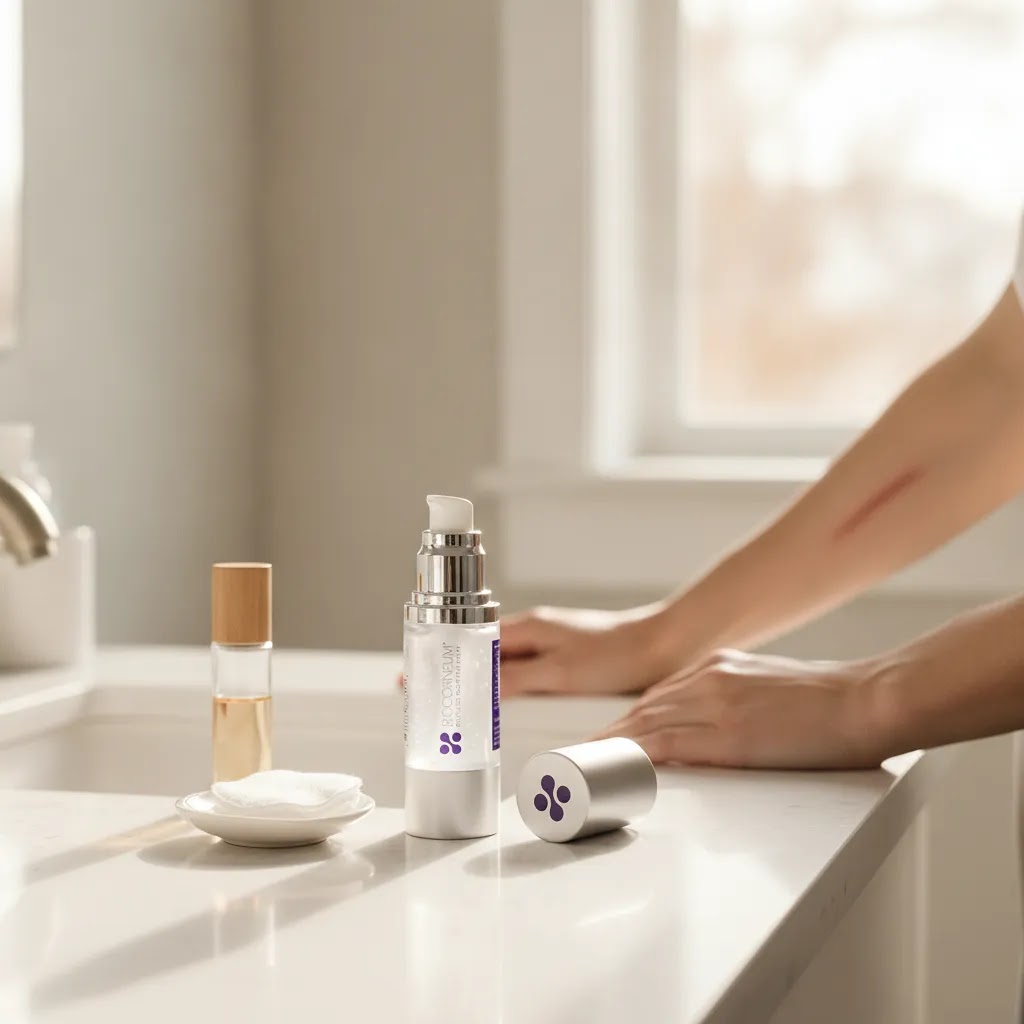
What “scar remover” really means
The term “scar remover” can mislead people. Most non-surgical scar products do not remove a scar completely. Instead, they may improve how a scar looks and feels. They do this by supporting hydration, reducing excess transepidermal water loss, and creating a better healing environment on the skin surface.
That distinction matters because expectations shape satisfaction. A newer pink surgical line, a raised hypertrophic scar, and an older pale scar will not respond in the same way. In addition, results vary based on skin type, scar location, tension on the wound, genetics, sun exposure, and when treatment begins.
For readers comparing options in 2026, silicone remains one of the most recognized topical approaches for scar management. You will also see interest in cryotherapy, especially for selected raised scars. That is why searches such as “cryotherapy scar removal cost” and “cryotherapy scar removal near me” continue to appear.
However, cryotherapy works as a procedure-based option, not a home scar gel. Clinicians place it in a different category from everyday topical care. If your main goal is early support after closure, prevention of thickening, or improving the feel and appearance of a healing scar, topical silicone often starts the conversation.
Scar remover options by scar type
Not all scars behave the same way. So, a “best scar remover” recommendation only makes sense once you know what you want to improve. In a consultation, clinicians usually look at scar height, color, firmness, and whether the scar stays inside the original wound edges.
Below is a practical way to think about common scar types and what topical products such as silicone may or may not do well.
Scar remover care for flat, linear surgical scars
These often look like a thin line that starts pink or red, then gradually lightens. For many people, the goal is to keep the line from becoming thick, irritated, or overly noticeable as it matures. Silicone gel or sheets may help with comfort, friction tolerance, and gradual softening over time. They may also support flattening when you use them consistently during the active remodeling phase.
Scar remover care for hypertrophic scars
Hypertrophic scars rise above the skin and can feel firm, itchy, or sensitive. However, they usually stay within the borders of the original incision or injury. Clinicians often use silicone-based care as a first-line, non-invasive option to help manage thickness and texture.
That said, seek in-office evaluation if a scar becomes more raised, more uncomfortable, or starts to limit movement. For example, a scar across a joint may need more than home care alone.
Scar remover limits for keloid scars
Keloids typically extend beyond the original injury edges and can continue to grow over time. Topical products may help with surface comfort for some patients, but they often do not fully address the underlying behavior of keloid-forming skin. If you notice a scar expanding beyond the original wound border, seek professional assessment so you can discuss options that may fit keloid-prone scarring more appropriately.
Scar remover expectations for acne scar patterns
People often describe acne scars as “pits,” but the patterns differ. Ice pick scars tend to look like narrow, deeper points. Boxcar scars look like more defined, round or oval depressions with sharper edges. Rolling scars look like broader, shallow dips that create uneven texture under certain lighting.
Topical silicone may help if there is a raised or irritated component on the surface. However, it usually cannot fill in deeper depressions, correct tethering, or recreate lost volume. If pitted texture is your main concern, an in-person evaluation often gives you a clearer sense of whether topical care, procedural options, or a combination approach is realistic. You can also review different types of acne scars to compare common patterns.
When to seek in-office scar remover advice
Use home products when the scar is stable and your goal is gradual improvement in texture, comfort, or thickness. Seek evaluation if your scar is raised and getting worse, extends beyond the original wound border, feels painful or persistently itchy, restricts movement, or changes quickly in color or shape. A qualified clinician can help confirm the scar type and recommend the most appropriate treatment category.
What to expect from silicone scar gel
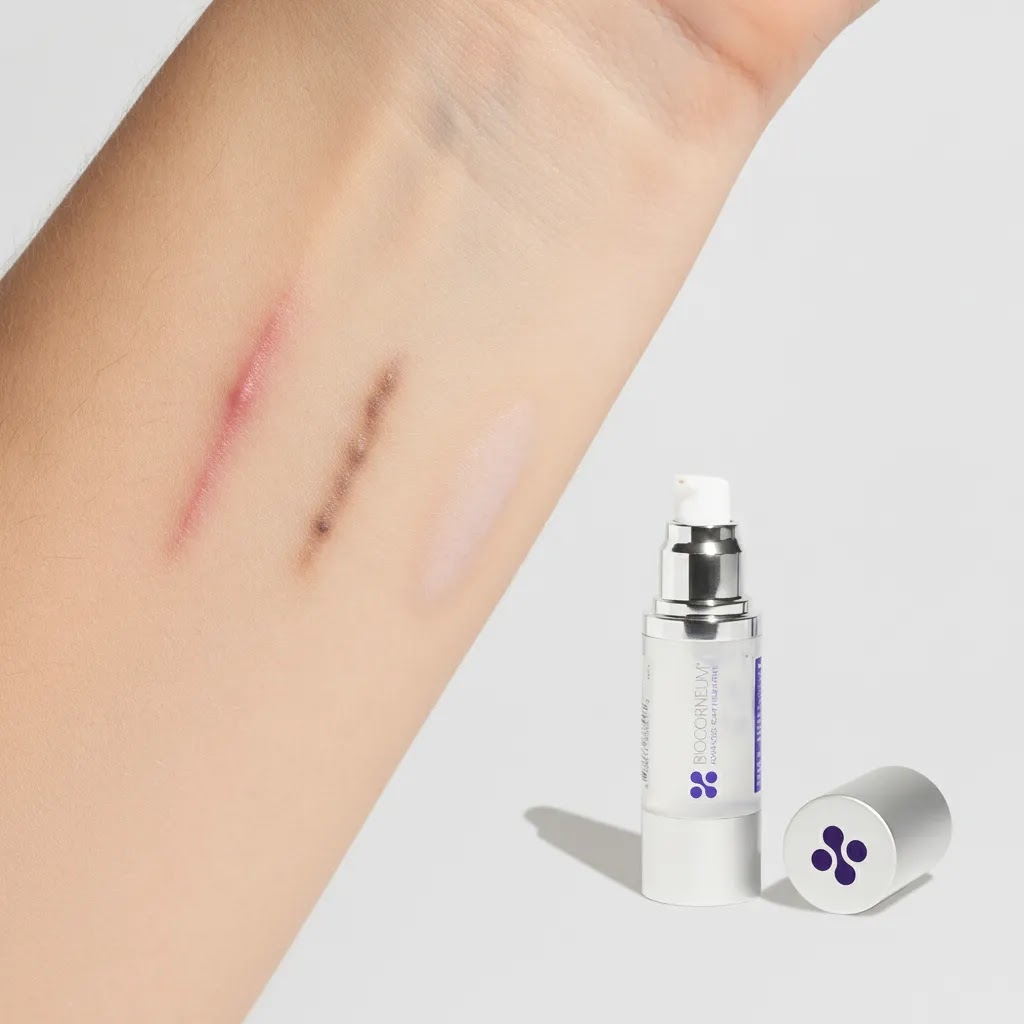
Silicone scar gels form a thin layer over the scar. In practical terms, that layer may help regulate moisture and protect the area from friction and daily irritation. This is one reason silicone based scar gel and silicone gel scar treatment remain popular in post-procedure and post-surgical routines.
If you have searched “how does silicone scar gel work” or “how does scar gel work,” the short answer is simple. Silicone does not peel skin away or bleach a scar. Instead, it works at the skin surface. By helping maintain a balanced environment over a healing scar, it may support flatter, softer, and less visible scar maturation over time.
This category often suits people who want something clear, wearable, and easier to use on visible areas than a sheet. Gels can also work well on contours where sheets may not sit well. On the other hand, some people prefer sheets for coverage and tactile protection, while others find gels easier to fit into daily routines.
Timing also matters. The question of how to heal scars well usually starts with wound closure, skin integrity, and aftercare guidance from your treating clinician. Starting too early on an open or unstable area is not appropriate. Starting later does not always make treatment pointless, but earlier scar management may help more for some scars than waiting many months without a plan.
For broader medical guidance on scar care, the American Academy of Dermatology and the U.S. National Library of Medicine MedlinePlus both explain common scar types and treatment basics.
Scar remover timeline: what improvement may look like over 8 to 12 weeks
Many patients stop a scar gel too early because they expect fast, dramatic change. In reality, scar maturation is gradual. Early on, scars often move through an active remodeling period where collagen organization and scar thickness can shift. As a result, clinicians often stress the right start time, after the skin fully closes and your treating clinician clears you to begin.
Topical silicone is not a spot treatment that works overnight. Instead, it offers consistent surface support that may help a scar settle into a flatter, softer, and less reactive state over weeks to months. Results still vary by scar type, location, and individual healing biology.
A simple 8 to 12 week milestone view
Week 1 to 2 (after closure and clearance): This is usually when you build the habit. Many people notice comfort-related changes first, such as less rubbing from clothing, less tightness, or a smoother feel on the skin surface.
Week 3 to 6: With consistent use, some scars may start to feel softer and look a bit less angry in tone. For raised scars, the goal is gradual flattening, not an immediate drop in height. If irritation occurs, pause and review the product and routine with a clinician.
Week 8 to 12: This is a common window when patients may start to see more noticeable improvement in texture and in the way the scar catches light, especially for newer surgical scars. A scar may still be pink or darker than surrounding skin, but it can look more blended, less thick, and less attention-grabbing at conversational distance.
Beyond 12 weeks: Many scars continue to evolve for months. If you see steady, slow improvement, continuing may make sense. If the scar has plateaued, feels symptomatic, or expands beyond the original wound edges, reassess the plan with a qualified professional.
Scar remover timeline at a glance
| Time period | What the article says you may notice | Main takeaway |
|---|---|---|
| Week 1 to 2 (after closure and clearance) | Less rubbing from clothing, less tightness, or a smoother feel on the skin surface | Build the habit and focus on comfort |
| Week 3 to 6 | Softer feel and a scar that may look a bit less angry in tone | Aim for gradual change, not instant flattening |
| Week 8 to 12 | More noticeable improvement in texture and how the scar catches light | Visible change may start to become easier to appreciate |
| Beyond 12 weeks | Continued evolution over months, or a plateau that may justify reassessment | Keep going if improvement continues; reassess if it stalls |
Practical use guidance that affects outcomes
Most silicone gels are meant for regular, long-term use, not occasional application. In practice, this usually means applying a thin layer to clean, dry skin and allowing it to dry fully before clothing, sunscreen, or makeup touches the area. Frequency varies by product, so following the specific instructions matters.
Many patients overlook one key point. Starting earlier only helps when it is safe to start. Do not apply silicone to open skin, draining areas, or incisions that your treating clinician has not cleared. Once it is appropriate to begin, routine adherence often makes the difference between a fair trial and stopping before the product has time to support visible change. If you want more detail on realistic pacing, see how long does it take for scars to fade.
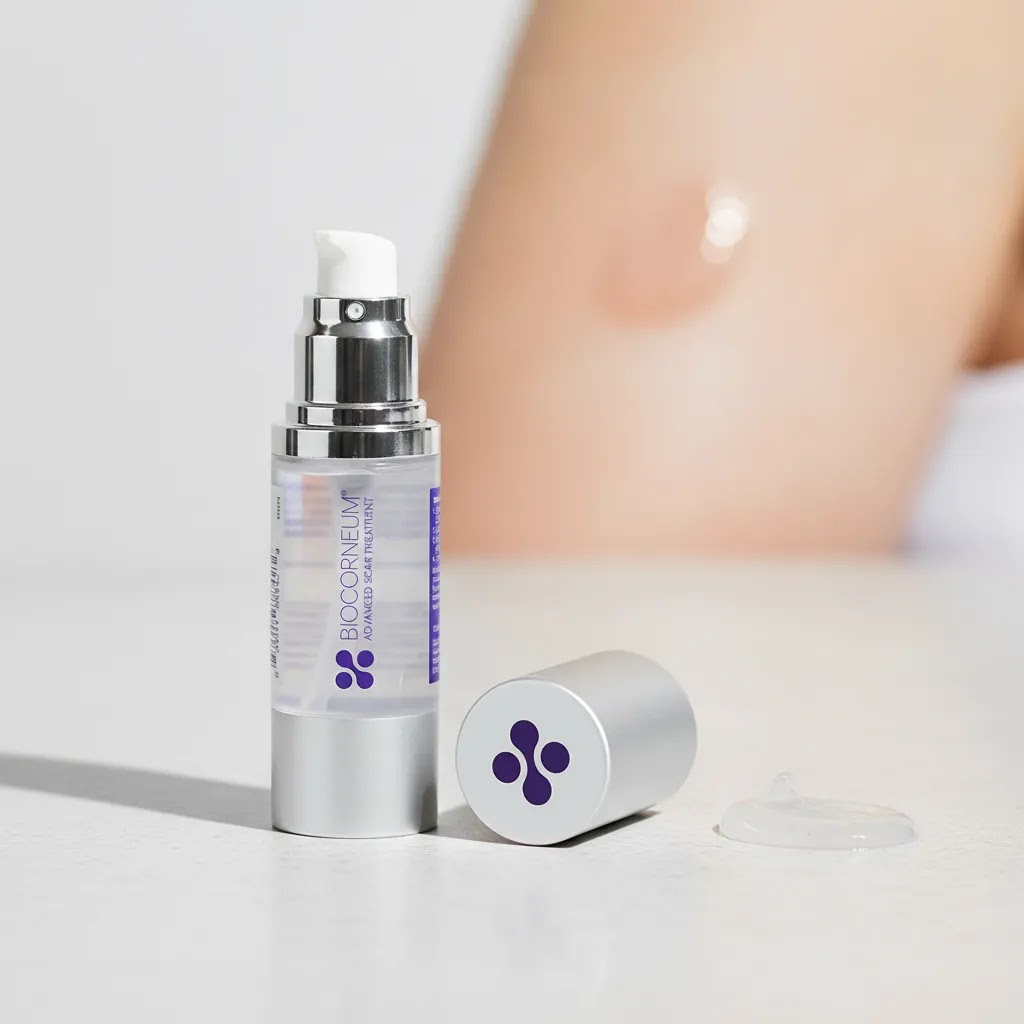
Scar remover review: BIOCORNEUM SiliSilk Advanced Scar Gel, 30g
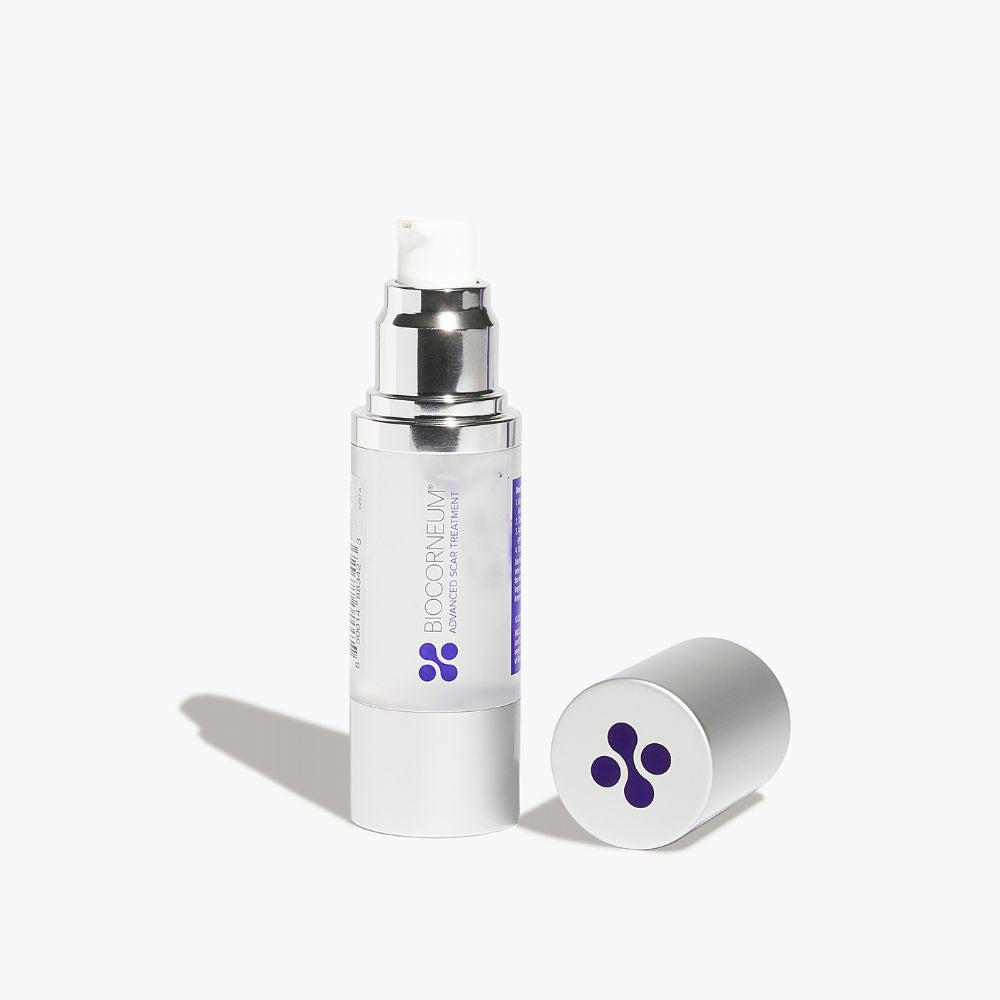
BIOCORNEUM SiliSilk Advanced Scar Gel, 30g is a scar care product in the silicone gel category, priced at $84.95. Based on the available product information, it is described as a professional-grade silicone scar gel with an ultra-smooth, silky finish. It is also described as clear and fast-drying. As a result, it may appeal to people who want a product that fits daily life without a thick or visible residue.
Clinically, the main point of interest is not a promise to erase a scar. That would not be realistic for a topical product. Instead, its relevance comes from its place within the silicone scar gel category that many patients and clinicians consider for managing scar appearance over time.
A clear, fast-drying format may be especially useful on visible areas such as the face, chest, shoulders, or joints. In those areas, a product needs to settle quickly and feel cosmetically acceptable if you want to use it consistently.
The silky finish also matters more than it may seem at first glance. Adherence is a major part of any scar routine. If a product feels unpleasant, greasy, or difficult to wear, many people stop using it too soon. By comparison, a more elegant texture may support routine use, which is often one of the biggest practical predictors of whether a topical scar regimen continues.
For readers wanting more product-specific background, Nuance Medical has also shared updates on Introducing SiliSilk™: Everyday Silicone Scar Care, Simplified and BIOCORNEUM® SiliSilk™ Wins NewBeauty Award for Best Scar Gel. You can also compare formulas in our biocorneum vs mederma guide.
Scar remover pros and considerations
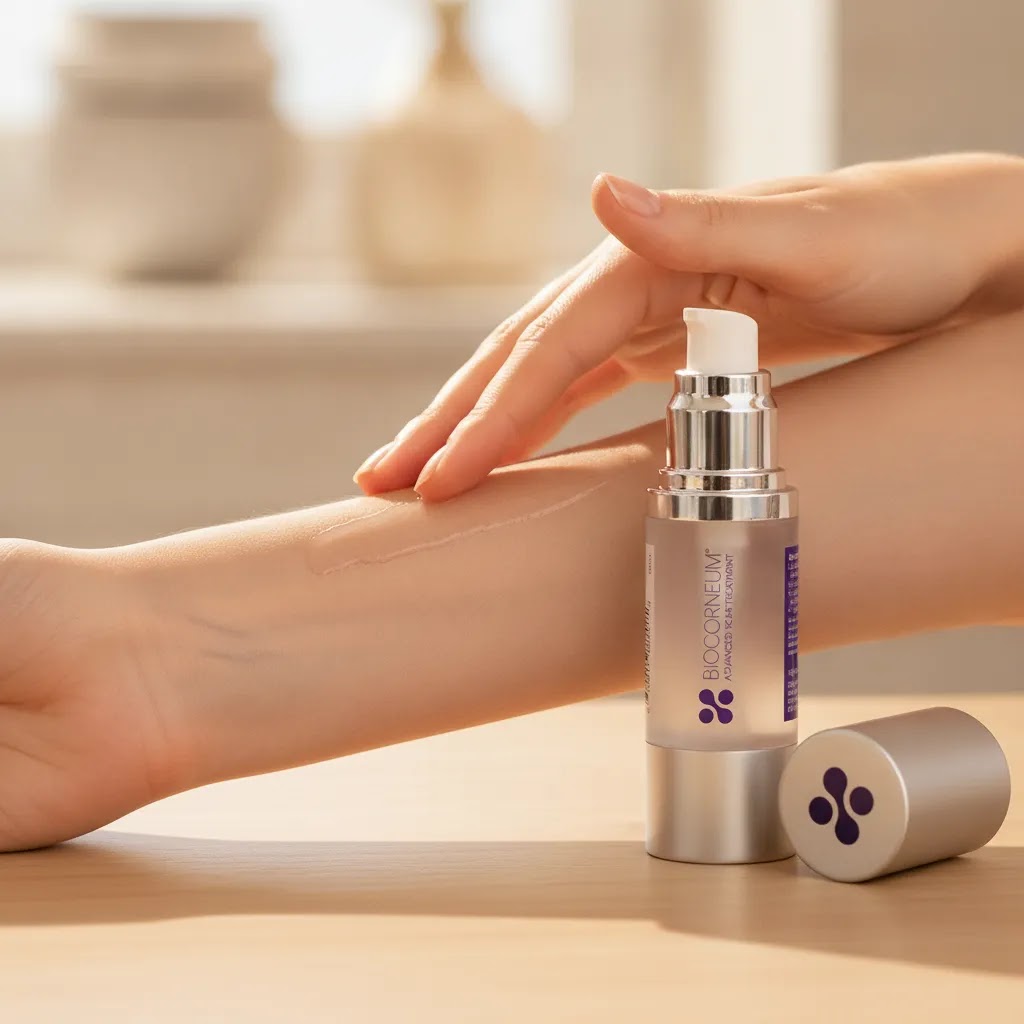
Benefits
- Silicone gel is a well-established non-invasive scar care category for people who want topical support rather than a procedural option.
- A clear, fast-drying gel may be easier to wear during the day than bulkier alternatives, especially on exposed skin.
- An ultra-smooth finish may improve comfort and consistency, which can matter because scar care usually requires regular use over time.
- Gels can be useful on curved or mobile areas where sheets may be harder to keep in place.
- This format may suit readers looking for scar management that fits into a regular skincare or post-procedure routine.
Considerations
- No topical scar remover can guarantee complete scar removal, and results vary by scar age, scar type, location, and individual healing patterns.
- Scar gel should not be applied to an open wound unless your clinician specifically advises otherwise.
- Raised, painful, rapidly changing, or function-limiting scars may need a medical assessment rather than self-selection of a home product alone.
- Consistency matters, and even a well-formulated product may be disappointing if used irregularly or started at the wrong stage of healing.
Who a scar remover may be for
This type of scar remover product may suit adults who want a non-surgical approach to managing the visible appearance of a scar, especially after surgery or once the skin surface has healed appropriately. It may also suit someone who wants a topical format that is discreet, simple to apply, and compatible with everyday wear.
It may be less suitable if you are dealing with a fresh open wound, signs of infection, a scar that restricts movement, or a scar pattern that may need in-office treatment. If you are unsure when to start, or whether your scar is healing normally, guidance from a qualified professional is the safest next step. Readers also often benefit from learning how to prevent scarring during the earliest healing stage, because prevention and treatment often overlap.
How Nuance Medical approaches scar remover education
Nuance Medical takes a precise and realistic approach to scar care education. The goal is not dramatic promise-making. Instead, the goal is to help you understand which options may fit your scar type, timeline, and comfort level, and which concerns may need a more guided clinical plan.
If you are weighing silicone gel against other scar care approaches, Nuance Medical can be a useful place to explore scar-focused resources before you buy. You can browse the broader Scar Treatment & Skincare category or, if you are researching procedure-based alternatives for selected scar concerns, review options within Cryotherapy & Freeze Products.
A thoughtful evaluation is especially important if your scar is raised, post-surgical, highly visible, or emotionally significant to you. Ultimately, the right next step may be as simple as topical support, or it may involve a more individualized conversation about timing, product choice, and realistic expectations.
How to choose a scar remover product
Buying a scar remover product is easier when you focus on a few practical criteria instead of broad marketing language.
1. Match the scar remover to the scar stage
A scar that is still early in its remodeling phase may respond differently than one that has been present for years. If the skin is not fully closed, your first priority is proper wound guidance, not cosmetic treatment. For post-surgical questions such as when to start scar treatment after surgery, the answer depends on how your incision is healing and what your clinician recommends.
2. Decide whether gel or sheet fits your routine better
Some people specifically search for silicone scar sheets for wrinkles or silicone scar sheets in general because they want physical coverage. Others prefer a gel because it is less visible and easier to use around facial contours or joints. If you know you are unlikely to tolerate a sheet daily, a gel may be the more realistic choice. If you want to compare sheet options, see Biodermis silicone scar sheets.
3. Prioritize consistency over hype
The best scar remover for you is often the one you will actually use as directed. Texture, drying time, visibility on skin, and comfort all matter. A product can sound impressive on paper, but if it feels sticky or inconvenient, routine use may fall off quickly.
4. Be careful with “before and after” expectations
Scars can soften, flatten, and become less noticeable, but complete disappearance is uncommon. Product photography can be persuasive, yet scar outcomes are affected by tension, pigmentation, anatomy, and healing biology. A balanced expectation often leads to a better experience.
5. Know when home care may not be enough
If a scar is thick, itchy, painful, darkening, expanding beyond the original wound border, or affecting movement, a product alone may not be the whole answer. That is where an in-person evaluation can help clarify whether topical care, in-office treatment, or a combination approach makes more sense.
Scar remover ingredients: silicone vs onion extract
Walk into a store in 2026 and you will see scar products grouped into a few familiar categories. Some are silicone-based gels and sheets. Some are onion extract blends. Others look more like brightening creams that focus on uneven tone. These categories are not interchangeable, even if the packaging makes similar promises.
Silicone gels and sheets
Silicone-based products are widely used in scar care because they form a breathable barrier layer that helps regulate moisture at the skin surface. This approach is common in clinical scar management because it supports the environment around a healing scar rather than trying to strip or aggressively exfoliate the area. Silicone may help reduce the look and feel of thickness and support smoother texture over time, particularly for newer scars and some raised scars.
Onion extract blends
Onion extract is a common ingredient in over-the-counter scar gels, sometimes paired with allantoin or similar soothing agents. Some patients like these products, and they may feel cosmetically pleasant. However, the overall evidence and clinical consensus tend to be stronger for silicone as a first-line topical option for scar management. If you choose an onion extract product, pay attention to how your skin tolerates it, since irritation can work against a calm healing environment.
Brightening topicals for discoloration
Another major group of products aims to fade discoloration around a scar, particularly post-inflammatory hyperpigmentation, which can be more noticeable in certain skin tones. These can help with color concerns, but they do not work like scar remodeling support. They usually will not flatten a raised scar or correct depressed texture. If discoloration is the main issue, sun protection and a gentle pigment-focused plan are often part of a realistic approach.
What to look for on scar remover labels
Shopping intent matters here, because the right scar remover is often the one that is appropriate and tolerable enough to use consistently. Look for a product clearly positioned as a silicone gel or silicone sheet if your goal is classic scar management support. Consider fragrance-free and dye-free options if you have sensitive skin, since fragrance and dyes can trigger irritation in some people.
Also consider scar location and your daily routine. A gel that dries clear and feels smooth may be easier on visible areas where you want a thin, wearable layer. Sheets can be useful for people who want tactile coverage, especially at night. No matter which category you choose, sun exposure can make scars look more noticeable, so it is worth thinking about sun protection as part of scar appearance management, particularly on exposed areas.
As with any aesthetic product, side effects such as irritation or sensitivity can happen. If you are uncertain about suitability, timing, or whether the scar behavior you are seeing is typical, review your plan with a qualified clinician.
Frequently Asked Questions
Does a scar remover actually remove scars?
Usually not completely. Most scar remover products are better understood as scar management tools that may help improve texture, thickness, and visibility over time rather than fully erase a scar.
How does silicone scar gel work?
Silicone scar gel works by forming a thin barrier over the scar surface. That layer may help maintain hydration and support a more favorable environment for scar maturation, which can make a scar feel softer and look less prominent with consistent use.
When should I start scar treatment after surgery?
You should only start once the incision has healed to the point your surgeon or treating clinician considers appropriate. Starting too early on skin that is not properly closed can interfere with healing or irritate the area.
Is silicone scar gel better than silicone sheets?
Neither is automatically better for every person. Gels may be easier on visible or contoured areas, while sheets may appeal to people who want more physical coverage, so the better choice often depends on scar location and daily wear preferences.
Can older scars still improve with scar gel?
They may improve to some degree, but older scars can be less responsive than newer scars in active remodeling. Improvement often means a softer feel or less noticeable appearance, not complete removal.
Is BIOCORNEUM SiliSilk Advanced Scar Gel, 30g worth considering?
It may be worth considering if you want a professional-grade silicone scar gel with a clear, fast-drying, silky finish. That kind of wearability can be valuable for consistent use, which is often central to topical scar care.
What if my scar is raised or itchy?
A raised or itchy scar may still be appropriate for topical scar care, but it can also be a reason to seek professional advice. Some scars need closer assessment to determine whether home management is enough or whether in-office treatment should be discussed.
How long does it take to see results from scar gel?
Results are gradual in many cases. Scar maturation often takes weeks to months, and visible improvement depends on the scar’s age, type, location, and how consistently the product is used.
Can cryotherapy remove a scar?
Cryotherapy may be used for selected scar concerns, particularly certain raised scars, but it is not the same as a topical scar gel and is not appropriate for every scar. Questions about cryotherapy scar removal cost or local availability are best addressed through a clinical consultation.
What removes scars quickly?
No topical product removes scars quickly in a guaranteed way. Scar change tends to be gradual, and even in-office treatments usually involve a series of sessions and healing time. The safest next step is a professional assessment to clarify what improvement could realistically look like for your scar type and age.
Do scar removers really work?
Scar removers can work in the sense that they may improve texture, thickness, comfort, and visibility over time. They do not work like an eraser, and results vary based on scar type, location, skin tone, and how consistently the product is used. A clinician can help you choose a category that fits your scar and timing.
Can scars be smoothed out?
Scars can often be smoothed to some degree, especially if the main issue is mild texture or thickness. Silicone products may help scars feel softer and look flatter over time, while deeper depressed scars may need in-office options to address tethering or volume loss. What makes sense depends on how the scar is shaped and how long it has been present.
Can I permanently remove scars?
Permanent, complete scar removal is uncommon. Many treatments can improve how a scar looks and feels, and scars often fade naturally as they mature, but a scar usually remains to some extent. If you want the most meaningful improvement, an in-person evaluation is the best way to match your scar type to realistic options.
Key Takeaways
- “Scar remover” usually means scar improvement, not complete scar erasure.
- Silicone gel remains one of the most recognized non-surgical scar care options.
- BIOCORNEUM SiliSilk Advanced Scar Gel, 30g is a silicone scar gel priced at $84.95 and described as clear, fast-drying, and silky in finish.
- The best product choice depends on scar type, healing stage, wearability, and consistency.
- Raised, painful, or unusual scars deserve professional evaluation rather than self-treatment alone.
Conclusion
If you are evaluating a scar remover in 2026, keep your expectations realistic. Good scar care may improve the appearance and feel of a scar, but it rarely means complete removal. Silicone-based gel remains a sensible category for many people, especially when the product is easy to wear consistently and used at the right point in healing.
BIOCORNEUM SiliSilk Advanced Scar Gel, 30g stands out as a professional-grade silicone option with a clear, fast-drying texture that may suit everyday use. If you want a broader view of your options, explore Nuance Medical’s scar care resources and related treatment categories. Ultimately, a pressure-free, informed approach almost always leads to better decisions than chasing the strongest marketing claim.
Medical Disclaimer: The information provided in this article is intended for general informational and educational purposes only. It does not constitute medical advice and should not be used as a substitute for a professional consultation with a qualified aesthetic practitioner or healthcare provider. Individual results from aesthetic treatments vary. Always seek the advice of a qualified medical professional before undergoing any cosmetic procedure.