
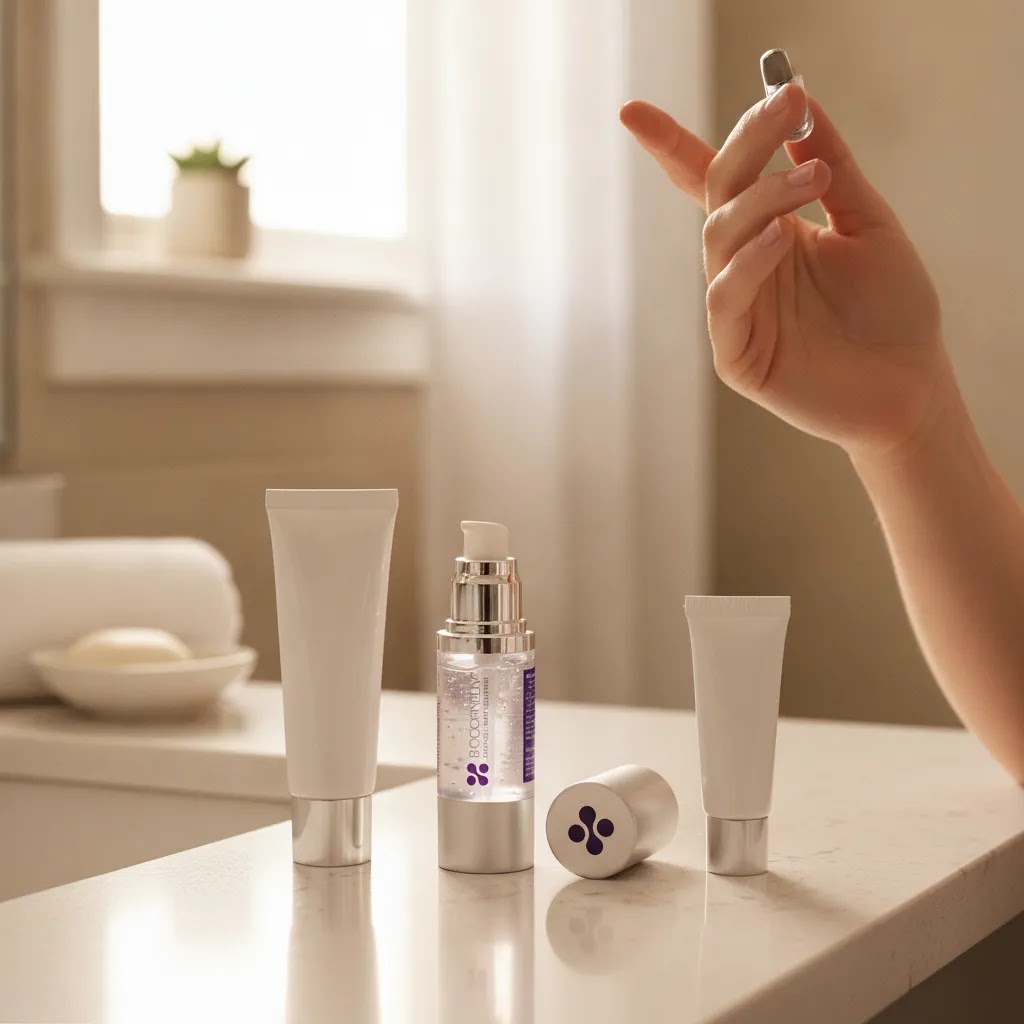
Does silicone help acne scars at all?
The short answer is yes, sometimes, but only for certain acne scars.
Clinicians most often use topical silicone for scars that look raised, firm, thickened, or still actively remodeling. That includes some acne-related scars, especially when a deep blemish heals with a small hypertrophic scar. In those cases, silicone may help the scar look flatter, softer, and less noticeable over time.
Silicone scar gel for acne scars does not fix every mark acne leaves behind. Flat discoloration, such as red or brown post-breakout marks, behaves differently from a thickened scar. Pitted scars, such as ice pick, boxcar, or rolling scars, also have a different structure. They involve collagen loss or tethering under the skin, so a surface silicone layer usually cannot rebuild that missing support.
If you are still comparing treatment categories, our article on best acne scar treatment can help put silicone into context alongside other approaches. You can also compare it with our guide on does silicone scar gel work on acne scars.
Silicone gel vs onion extract gels for acne scars
If you have browsed the scar care aisle, you have probably seen two common scar gel categories side by side: silicone-based gels and onion extract gels, often paired with ingredients like allantoin. They are not interchangeable, and that matters when you try to match a product to an acne scar type.
Silicone products mainly form a flexible barrier on the skin. As a result, they can support hydration and protect the scar as it matures. That is why clinicians most often discuss silicone for raised, thickened, or actively remodeling scars.
By comparison, many brands market onion extract and allantoin gels more broadly for general scar appearance. People often use them as part of a massage routine on healed skin. In practice, people usually choose these products for mild, general appearance concerns rather than for a clearly raised scar. Some people tolerate them well. However, others find them irritating or drying, especially on facial skin already stressed by acne treatments.
Many people choose silicone because it creates a scar-friendly surface environment. Meanwhile, they use onion extract and allantoin gels more like a traditional topical gel that they rub in during routine care. Either way, realistic expectations still matter. Results vary by scar type, skin sensitivity, and consistency. For side-by-side product context, see Biocorneum vs Mederma.
A simple “how to choose” checklist
- If the scar is raised, firm, or thickened, silicone is usually the more logical first category to consider.
- If the mark is flat and mostly a color change (red or brown), neither category is a perfect match, and daily sunscreen plus pigment-focused ingredients may be more relevant than a “scar gel” label.
- If the scar is pitted or indented, a surface gel usually cannot replace lost collagen support, so you may need to look at treatments that target texture changes more directly.
- If your skin is sensitive or you are using acne actives, choose the option you can use consistently without stinging, redness, or worsening dryness.
- If you know you will not apply something twice daily for weeks, pick the format and texture you will actually keep up with, because routine compliance is often the difference between “no change” and subtle improvement.
In a consultation, a qualified practitioner first checks whether the main issue is texture, thickness, or pigmentation. Then they can help you choose a category that fits the biology of the mark, not just the label.
Which acne scars fit silicone best
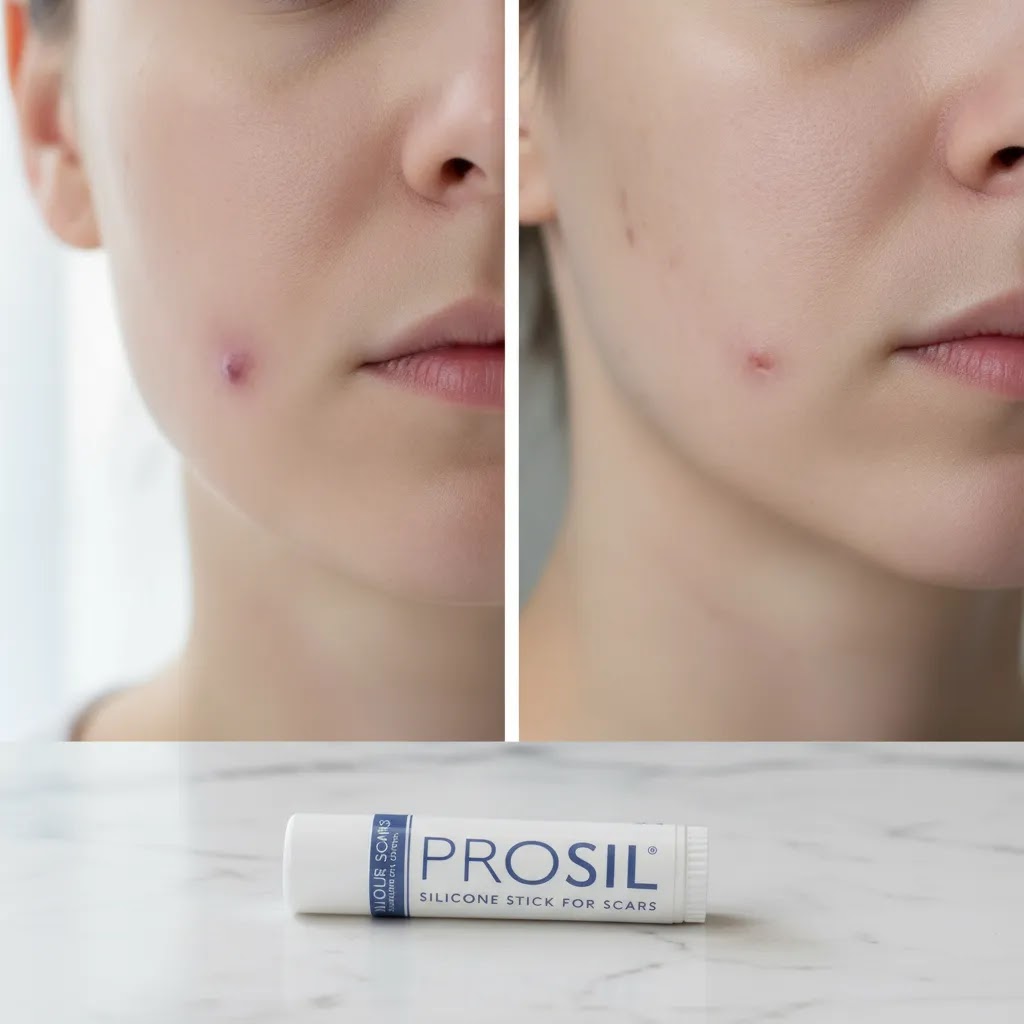
The most useful question is not whether silicone is good in general. It is whether your acne scar type matches what silicone is designed to do.
Raised acne scars
This is the category where silicone makes the most sense. If a healed acne lesion left a bump that feels firmer, thicker, or more elevated than the surrounding skin, silicone gel may help by creating a protective barrier over the area. That environment can support scar maturation and may reduce visible roughness or thickening over time.
Freshly healed acne-related scars
If the skin is fully closed and no longer open, draining, or crusted, early scar care may help more than waiting many months. However, timing still matters. Never apply silicone to an active breakout, open wound, or irritated area that has not finished healing.
Small isolated facial scars
Silicone products can be especially practical when the scar is on the face and you want something discreet. Clear formulas that sit well under sunscreen or makeup may be easier to use consistently. In practice, consistency often matters more than building an overly complicated routine.
When silicone is less likely to help
This is where many people get disappointed. They buy a scar gel hoping it will fill shallow dents or erase old acne texture. Then they assume the product failed when the scar looks mostly the same.
Searches for silicone scar gel acne scars often mix very different skin concerns together. Silicone is not typically the first choice for atrophic acne scars, which are indented scars caused by collagen loss. A gel on top of the skin cannot usually lift a depressed scar base in a meaningful way. Those scars often need treatments that target collagen remodeling more directly.
Silicone is also not the same as a pigment-correcting cream. If your main concern is leftover color rather than texture, you may find our overview of acne scar cream helpful. You can also read more about red acne scars if lingering redness is your main issue. Red and brown marks may respond better to targeted topical ingredients, sun protection, or in-office care, depending on the cause and your skin tone.
Old, stable scars can still respond to care. However, results may come more slowly and may stay more limited than they do with newer scars that are still changing.
How silicone gel works on skin
Silicone does not scrub off a scar or bleach it away. Its role is more subtle. It forms a flexible layer over the scar that can help reduce transepidermal water loss, which means water escaping from the skin surface. Better hydration at the scar site may support a softer, more balanced healing environment.
That matters because scars often behave differently from normal skin. They can become dry, tight, reactive, and uneven in texture. A well-formulated silicone layer may help protect the area from friction and dehydration while the scar continues to remodel.
For acne scars, this means silicone has a narrow job. It does not treat active acne. It does not replace breakout control. It also does not act like exfoliating acids, retinoids, or pigment inhibitors. Therefore, matching the product to the scar type is essential.
If you want a broader look at scar care options from Nuance Medical, the Scar Treatment & Skincare category is a good place to continue your research. For general scar guidance, the American Academy of Dermatology scar treatment overview also explains how different scar types often need different approaches.
Timing and timeline: when to start, and how long it takes
Timing strongly affects whether people feel encouraged by silicone or decide it did nothing. From a clinical standpoint, silicone makes the most sense during the scar’s active remodeling phase, when the body is still laying down and reorganizing collagen. That is why many scar care directions emphasize starting once the skin is fully closed and then continuing consistently.
Older acne scars can still change, but change is often slower and more limited. A years-old scar does not behave like a new scar that is still settling. As a result, expectations should shift toward subtle improvement rather than dramatic change.
In practical terms, many silicone product labels describe an 8 to 12 week minimum window before you judge results. Some people notice earlier changes, while others need longer. The main takeaway is simple: scar remodeling is measured in weeks and months, not days.
What does working usually look like with silicone? For the acne scars that fit silicone best, you are often looking for a scar that feels softer, flatter, less tight, or less reactive. Those are realistic surface-level changes. What silicone typically cannot do is fill a depressed or tethered acne scar, because the issue sits deeper than the skin surface.
If you are not sure whether you are seeing a true raised scar or a flat mark that is mostly discoloration, your timeline expectations will differ. A qualified practitioner can help you identify what you are treating. Then you can follow product directions with a clearer sense of what a fair trial period looks like. For wider timing expectations, our guide on how long does it take for scars to fade may help.
| Scar concern | How silicone scar gel fits | What results may look like |
|---|---|---|
| Raised, firm, or thickened acne scar | Usually the best fit discussed in this article | May look flatter, softer, less tight, or less noticeable over time |
| Flat red or brown post-acne mark | Less helpful as a main treatment | May need sunscreen and pigment-focused care instead |
| Pitted or indented acne scar | Usually not a strong match | Surface silicone usually cannot rebuild lost collagen support |
| Newly healed scar on closed skin | May be more responsive than an older stable scar | Changes are usually judged over 8 to 12 weeks, not days |
| Older stable scar | Still possible to try, but expectations should be lower | Improvement may be slower and more limited |
Featured silicone options to know
Different silicone formats suit different routines. For facial acne scars, the ideal choice is often the one you can apply consistently without making your daily skincare feel heavy or awkward.
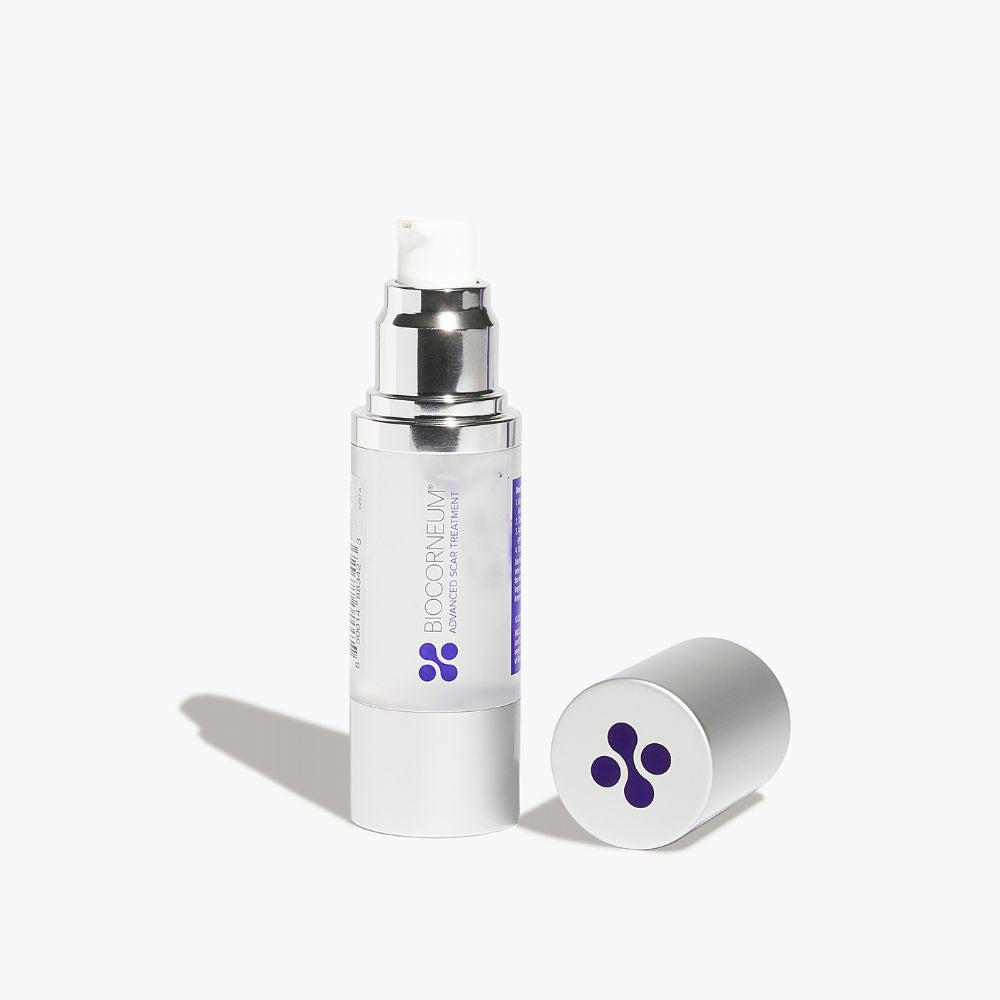
BIOCORNEUM SiliSilk Advanced Scar Gel, 30g
Price: $84.95
This scar care gel is described as a clear, fast-drying silicone gel with an ultra-smooth, silky finish. Its lightweight texture, compatibility under sunscreen or makeup, and water- and sweat-resistant wear may make it appealing for small visible acne scars on the face, especially if you want a product that blends easily into a daytime routine.
It may fit this topic best when you have a healed raised acne scar and want a silicone formula that layers neatly with other skincare rather than sitting on the skin like a heavy ointment.
Pro-Sil
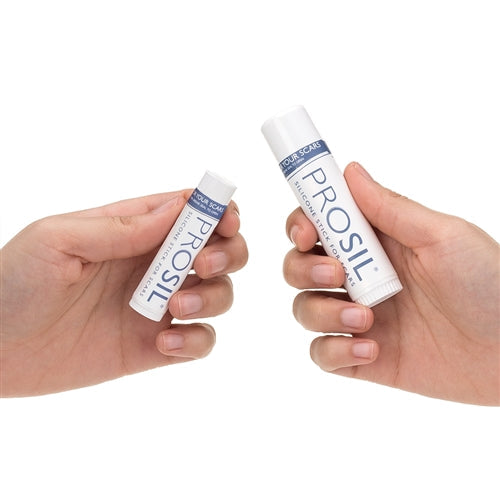
Price: $36.95 to $76.95
Pro-Sil is a silicone scar treatment stick with a glide-on applicator. The product page describes it as convenient for repeated use without drips or leaks, and notes an 8 to 12 week period of use is usually optimal.
For acne scars, this format may suit someone managing a small, localized raised scar who prefers targeted application and wants something compact for touch-ups during the day.
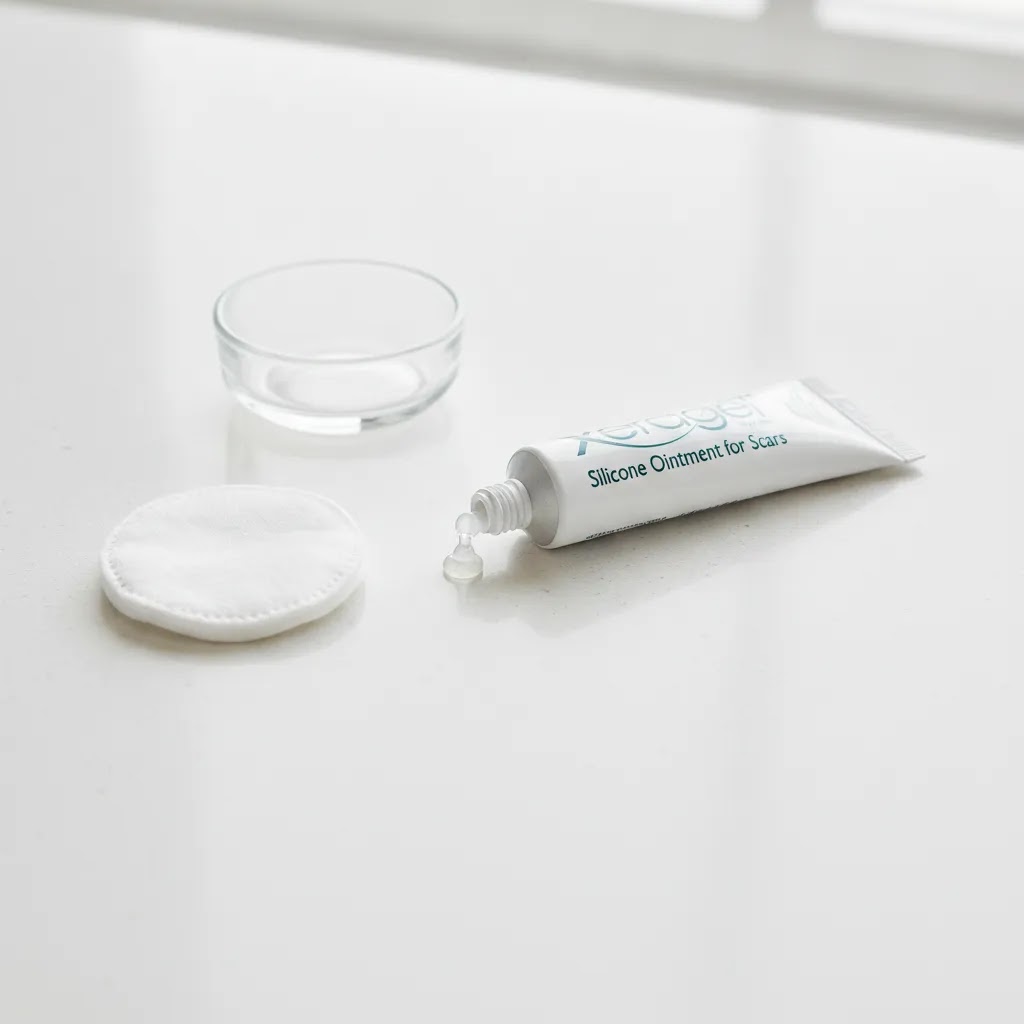
Xeragel Silicone Ointment 10g Tube
Price: $29.95

Xeragel is described as a 100% silicone gel scar treatment designed for regular application over small scars, especially where sheets would be inconvenient. It is a transparent, spreadable silicone o
intment intended for exposed scars.
This may be a practical option for a small acne scar on the face or jawline when you want discreet application over a limited treatment area.
Nuance Medical also highlights silicone scar care education in posts such as Introducing SiliSilk™: Everyday Silicone Scar Care, Simplified and BIOCORNEUM® SiliSilk™ Wins NewBeauty Award for Best Scar Gel, which can give you more context on how these products fit a scar-focused routine.
How to use silicone for acne scars
Application matters almost as much as product choice.
- Use silicone only on fully healed skin, not on active pimples, open areas, or picked lesions.
- Start with clean, dry skin unless your clinician gives different instructions.
- Apply a thin, even layer over the scar itself.
- Let the product set before layering other skincare or makeup, if the formula is designed for layering.
- Repeat as directed on the product label.
- Stay consistent for weeks, not days. Scar remodeling is gradual.
If you also use acne treatments such as retinoids, benzoyl peroxide, or exfoliating acids, watch for irritation. You may need to separate application times or simplify your routine. A qualified clinic like Nuance Medical can help you decide whether a silicone product should sit alongside your acne regimen or whether a different scar approach makes more sense for your skin history.
Friction, sun exposure, and consistency
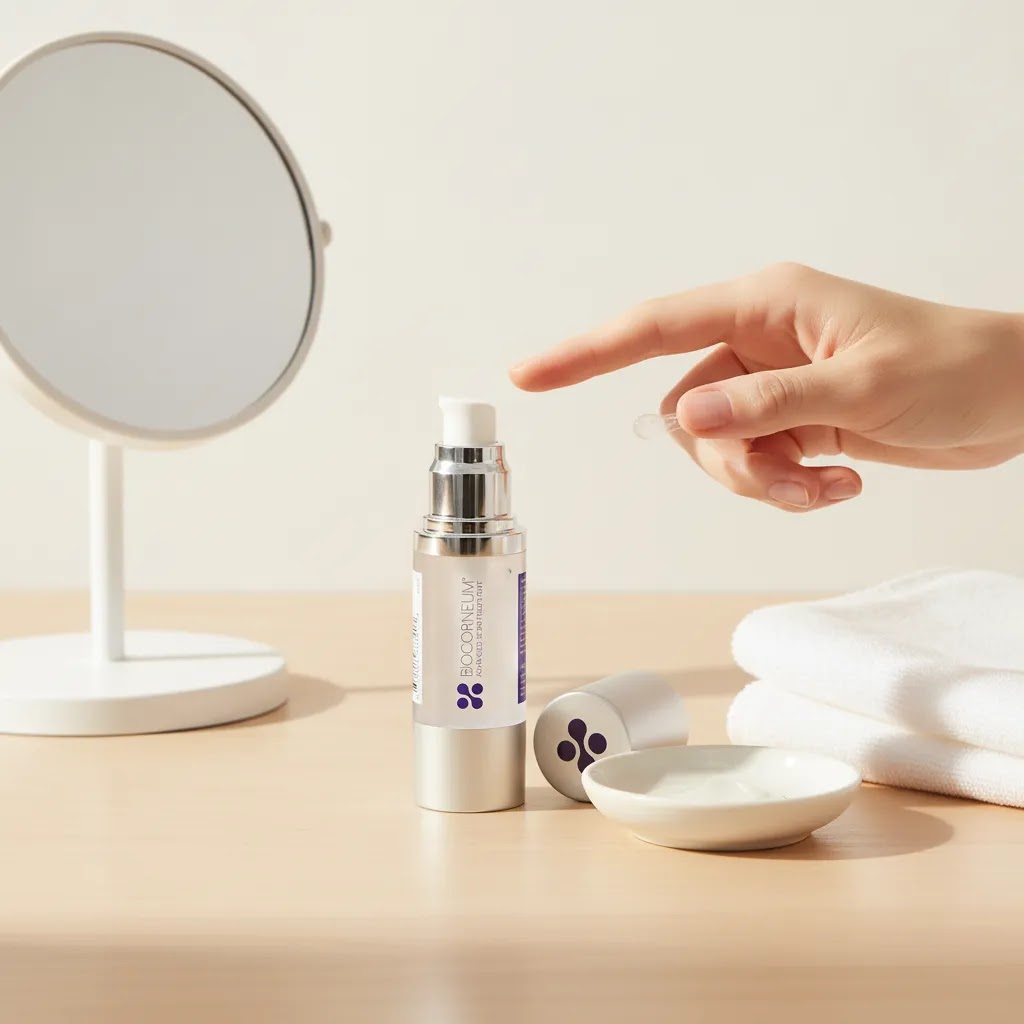
What many patients overlook is simple: daily irritation can keep a healing mark looking more noticeable, even when you choose a sensible scar product.
How friction affects healing scars
Friction is a common issue for facial acne scars. Mask rubbing, shaving, resting your face on your hand, picking at rough spots, and abrasive scrubs can all irritate the area again and again. Even when the skin is technically healed, that repeated stress can make redness and texture seem more stubborn.
Silicone’s barrier effect may help protect a raised or reactive scar from some of that low-grade irritation. However, it works best when you also reduce the habits that keep the area inflamed.
Why sun exposure still matters
Sun exposure is another major factor. UV exposure can darken post-breakout discoloration and make healing marks linger longer, especially in skin tones that are more prone to hyperpigmentation. Silicone is not a substitute for sunscreen.
If you are treating facial scars, daily broad-spectrum sunscreen is usually one of the most practical steps you can take to support a more even-looking result over time. In addition, the American Academy of Dermatology sunscreen guidance can help you choose and use sunscreen well.
Consistency makes the biggest difference
Consistency matters just as much. The best silicone product is often the one you will actually use. If a formula pills under sunscreen or makeup, you will stop applying it. If it stays tacky, you will skip it in the morning.
Consider these practical tips that tend to improve real-world follow-through:
- Choose a format that fits your day, gel for layering, stick for quick targeted application, ointment for small exposed areas where you do not need a cosmetic finish.
- Use a thin layer and give it time to set before sunscreen or makeup to reduce pilling.
- Keep your routine simple. If you are using multiple acne actives, separate them by time of day so your skin is not constantly irritated.
- Track use the same way you would track a prescription, consistent daily use for weeks is more meaningful than applying it “whenever you remember.”
Ultimately, steady use gives you better information. If you apply the product consistently, reduce friction, and protect the area from UV, you can judge more fairly whether silicone is helping your specific scar type.
How to judge results realistically
Progress with silicone can be easy to miss if you only check the mirror when the lighting is harsh or your skin is irritated. Take a photo at the start. Then compare in similar lighting every few weeks. Look for changes in height, firmness, smoothness, and how obvious the scar appears from normal conversation distance.
For raised acne scars, useful improvement may look like less stiffness, less visible thickening, and a surface that blends more naturally with nearby skin. For pitted scars, the change may be minimal even with perfect use. That is why a professional assessment matters before you invest too much hope in the wrong treatment category.
At Nuance Medical, patient education works best when products match the scar in front of you rather than a broad online claim. That measured approach can save time, reduce frustration, and prevent unnecessary layering of products that were never likely to address the real issue.
Frequently Asked Questions
Can silicone scar gel remove acne scars completely?
No topical product should be expected to completely remove acne scars. Silicone scar gel may help improve the appearance of certain raised acne scars by supporting a better scar environment on the skin surface. It is much less likely to fully change indented acne scars, which involve deeper structural changes in collagen. If your goal is complete removal, that expectation will usually lead to disappointment. A better way to assess silicone is whether it may soften, flatten, or make a scar less noticeable over time.
Is silicone scar gel good for pitted acne scars?
Usually not as a primary solution. Pitted acne scars, such as ice pick, boxcar, and rolling scars, are depressed because of collagen loss or tethering under the skin. Silicone works on the surface, so it does not typically rebuild that missing support. Some people still use silicone if a scar has mixed features, such as a small raised edge plus discoloration, but for clearly indented scars, the benefit may be limited. A qualified professional can help distinguish whether the scar is raised, flat, or atrophic before you commit to a treatment plan.
Can I use silicone scar gel on active acne?
It is generally better not to apply silicone scar gel over active acne lesions, open breakouts, or picked skin. Silicone scar products are intended for healed skin, not for treating inflamed pimples. If you place a scar product over an active blemish, you may not address the real issue and could make your routine more confusing. Focus first on acne control and skin healing. Once the area is fully closed and stable, then scar-focused care may be appropriate depending on what type of mark remains.
Does silicone scar gel help red or brown acne marks?
It may help a little if the area is truly a healing scar, but it is not mainly a pigment treatment. Red marks often reflect post-inflammatory erythema, while brown marks may reflect post-inflammatory hyperpigmentation. Those changes usually respond differently than a raised scar. Silicone is better known for supporting scar texture and thickness than for directly fading color alone. If discoloration is your main concern, a different topical approach or in-office treatment may be more appropriate than relying on silicone by itself.
Which type is usually better for acne scars, gel, stick, or ointment?
The best format depends on where the scar is and how you will actually use it. A gel may feel easiest under sunscreen or makeup. A stick may suit a small, very targeted area and can be convenient for repeated application. An ointment may work well on a limited exposed scar where you want transparent coverage. The formula does not change the basic rule that scar type comes first. If the acne scar is pitted rather than raised, changing formats may not change the outcome very much.
How long should I use silicone scar gel before judging results?
Scar care usually takes patience. Many people want to know within a week whether the product is working, but scars remodel slowly. Product instructions often suggest a course measured in weeks rather than days, and some scars continue evolving beyond that. It is more useful to track gradual changes in texture, height, and softness than to expect a dramatic shift overnight. Taking photos in the same lighting every few weeks can give you a clearer sense of whether the scar is changing in a meaningful way.
Can I combine silicone scar gel with acne treatments like retinoids?
Sometimes, yes, but your routine may need adjustment. Retinoids, benzoyl peroxide, and exfoliating acids can irritate the skin, especially on areas that recently healed. Silicone products are usually used on closed skin, and timing can matter if you want to avoid pilling, stinging, or overloading the barrier. Some people do well using acne actives at one time of day and silicone at another. If your skin is sensitive or the scar is on the face, it is wise to ask a qualified professional how to layer products safely.
Will silicone scar gel prevent acne scars if I start early?
Silicone is not a substitute for early acne treatment, and it should not be used on active lesions in hopes of preventing every scar. Prevention starts with reducing inflammation, avoiding picking, and managing breakouts appropriately. If a lesion has already healed and left a raised scar, earlier scar care may be more useful than waiting a long time with no plan. Still, not every breakout becomes a scar, and not every scar responds the same way. Timing helps, but it does not guarantee a specific result.
Is silicone scar gel safe to use on facial acne scars?
Many silicone scar products are designed for visible or exposed scars, which is one reason they are often considered for the face. Even so, safe depends on your skin condition, your other products, and whether the area is fully healed. The face is more prone to layering issues because you may also be using sunscreen, makeup, acne medications, or exfoliating products. Patch testing and following product instructions can help, and a consultation is the best way to confirm whether a specific silicone format suits your skin history.
Does silicone scar gel help with acne scars?
It can, depending on the scar type. Silicone scar gel may be most helpful for acne scars that are raised, firm, or still actively remodeling after the skin has fully healed. It is typically less helpful for flat discoloration alone, and it usually cannot fill indented, pitted scars because those involve deeper structural changes. If you are unsure what category your mark fits, a qualified professional can assess it and help you choose a realistic approach.
Which is the best gel for acne scars?
The best gel is the one that matches your scar type and that you can use consistently. For raised scars, a silicone gel is often the most targeted category to consider. For flat red or brown marks, a pigment-focused routine plus daily sunscreen is often more relevant than a scar gel. For pitted scars, you may need options that address texture at a deeper level. Best is less about one universal product and more about choosing the right category for the concern in front of you.
How long does it take for silicone gel to work on acne scars?
Many people need weeks, not days, to see meaningful change. Labels for silicone scar products commonly suggest an 8 to 12 week period of consistent use before judging results, and some scars continue to change gradually beyond that. Early signs can include a softer feel, less tightness, or a flatter look in a raised scar. Results vary, and following the product directions closely helps you evaluate it fairly.
What clears up acne scars fast?
There is rarely a truly fast fix for acne scars, because scar and pigment changes take time to remodel. Some concerns can improve more quickly than others. For example, surface discoloration may fade with a well-chosen topical routine and strict sun protection, while indented scars usually take longer and often require in-office procedures. If speed is your priority, the most effective next step is usually a professional assessment so you are not spending months on a product that does not match your scar type.
Key Takeaways
- Silicone scar gel for acne scars may be most helpful for raised, thickened, or actively remodeling scars, not for every post-acne mark.
- Flat red or brown marks and pitted acne scars usually need a different strategy than topical silicone alone.
- Gel, stick, and ointment formats mainly affect convenience and routine fit, not the basic biology of what scar types respond best.
- Silicone should be used only on fully healed skin, never on active breakouts or open lesions.
- Realistic expectations matter, subtle improvement in texture or height is more plausible than complete scar removal.
Conclusion
If you have been wondering whether silicone scar gel on acne scars is worth trying, the answer depends less on hype and more on scar type. Silicone may be a sensible option for a healed raised acne scar that needs time and support to soften and settle. It is much less likely to do the heavy lifting for pitted scars or for color changes left behind after breakouts.
That distinction can spare you a lot of trial and error. The right topical is not always the one with the loudest claims. It is the one that matches the biology of the mark you are treating and fits into a routine you can maintain. If you want help sorting out what kind of acne scar you are seeing and whether silicone belongs in the plan, you can explore scar care resources through Nuance Medical or book a consultation to discuss your options in a thoughtful, pressure-free setting.