
What acne scar cream can realistically do
A thoughtful acne scar cream routine may help most with post-inflammatory hyperpigmentation, lingering discoloration, and skin that feels slightly rough or uneven after breakouts. In practical terms, that often means flat brown marks, some red residual marks, and a surface that no longer looks inflamed but still does not look fully clear.
Topicals generally have a harder time changing deeper atrophic acne scars, such as ice pick, boxcar, or rolling scars. Those changes sit below the skin surface and involve collagen loss or structural irregularity. A cream may support the overall look of the skin, but it usually cannot rebuild those contours on its own.
That is why many readers end up comparing creams with procedural options later on. If that is where you are heading, our guide to best acne scar treatment can help you understand where topicals fit within the larger picture.
Another point worth clarifying is terminology. Some people searching for acne scar cream are actually dealing more with red acne scars, meaning visible post-acne redness rather than permanent textural scarring. That distinction shapes what is worth buying and what expectations are realistic.
Types of acne scars and why creams respond differently
Here’s the thing: “acne scars” is an umbrella term, but the skin changes underneath it can look very different in real life. Being able to name what you are seeing in the mirror helps you shop more intelligently, because creams tend to perform best on color, not contour.
The most common categories include:
- Ice pick scars (narrow and deep): These often look like tiny, sharp “pinholes,” as if a fine tool punctured the skin. They are typically more noticeable when light hits the skin from the side because the opening is small but the depth is significant.
- Boxcar scars (defined edges): These tend to look like round or oval depressions with clearer borders, like a shallow crater with more obvious “walls.” They can be subtle at rest but show up under overhead lighting or makeup that settles into the edges.
- Rolling scars (soft waves): These usually create a gentle undulating texture, like shallow hills and valleys across the cheek or jaw. Rolling scars can be hard to photograph head-on, but they often create shadowing in natural daylight or in front of a window.
- Post-inflammatory hyperpigmentation (flat brown marks): These are smooth to the touch. The skin surface feels even, but the area looks darker than surrounding skin, ranging from light tan to deeper brown depending on skin tone and inflammation history.
- Post-inflammatory erythema (flat red or pink marks): These are also smooth, but they appear pink, red, or purplish and can look more vivid after heat, exercise, or irritation. Many people call these “red scars,” but they are often marks rather than true textural scarring.
Why acne scar cream works better on color than contour
Why does this matter for creams? Pigment and redness changes usually happen at or near the surface. They involve melanin for brown pigment and visible blood vessels for redness. As a result, topical care and daily sun protection can help more.
Indented scars are different. They show changes in collagen architecture below the surface. In some areas, skin loses collagen support. In others, scar tissue forms and tethers the skin downward. A cream can support the look of the surface, but it typically cannot lift a deeper structural depression.
Habits that can make acne scars worse
What many patients overlook is behavior. Picking, squeezing, or reopening a pimple increases inflammation and trauma. As a result, a temporary mark is more likely to turn into longer-term discoloration or deeper scarring.
If you are prone to picking, your best scar-prevention step is often a practical one. Keep nails away from active breakouts. Use pimple patches if they help you avoid touching the area. Also, treat breakouts early rather than trying to extract them yourself.
Cream formulations that target pigment and texture
Not all cream or gel formulas do the same job. If your main concern is pigmentation, the ideal product texture and ingredient profile may look different from what you would choose for a healing procedural scar or a dry, compromised skin barrier.
For acne-related marks, cream formulations often aim to do 3 things:
- Limit excess pigment visibility by supporting a more even-looking skin tone over time.
- Reduce dehydration so the skin surface looks less dull, tight, or flaky, which can exaggerate uneven texture.
- Support a smoother finish so makeup, sunscreen, and daily skincare sit more evenly on areas with post-breakout roughness.
Silicone-based gels are a separate category, but they can still matter in conversations about visible marks and surface irregularity. Their primary place is scar care rather than acne treatment itself. In some cases, especially where the concern overlaps with post-procedure marks, healed injury, or localized textural changes, a silicone formula may be relevant as part of a broader scar-focused strategy.
If you are browsing by category, Nuance Medical’s Scar Treatment & Skincare section is a useful starting point for comparing scar-focused topicals with different finishes, sizes, and use cases.
How to use an acne scar cream routine
Consistency matters more than intensity with most topical scar and mark care. A routine that layers well and feels comfortable is often easier to maintain than one that sounds impressive but irritates your skin or clashes with sunscreen.
- Start with clean, dry skin. Apply topical products after you fully cleanse the skin and remove heavy residue, unless a product specifically directs otherwise.
- Match the product to the mark. Flat dark marks, red marks, and true indentations are different concerns. Buy for the problem you actually have, not the phrase you searched.
- Use a thin, even layer. More product does not necessarily mean better results. Thick application can pill, feel greasy, or make layering harder.
- Pair daytime use with sunscreen. Pigmented marks often stay more noticeable when UV light hits them again and again.
- Give it time. Topical improvement is usually gradual. Skin tone changes may evolve over weeks, while textural improvement from a cream alone may be modest.
People also sometimes arrive at this topic while searching for terms like topical anesthetic cream, lidocaine 4 topical anesthetic cream, or can I use numbing cream before injection. Those are different product categories. Numbing creams help reduce sensation before certain procedures, while acne scar creams focus on ongoing mark or scar care. They should not be treated as interchangeable.
Timing and expectations: the scar remodeling window
The reality is that marks and scars are not static. After a breakout heals, the skin continues to change for a period of time as inflammation settles and collagen remodeling continues. In many cases, newer marks and early scars respond better to consistent care than areas that have been stable for years, although individual results vary.
There is often an “active remodeling” period where the skin is still recalibrating. For discoloration, that can mean gradual fading over weeks to months, especially when you control irritation and limit daily UV exposure. For indented scars, any visible shift from topical-only care is usually subtle. In practice, it can be hard to separate true change from lighting differences unless you track progress in consistent photos.
What “consistent use” typically means in real life is:
- Daily adherence: Using the product as directed most days, not only when you remember.
- Layering that does not inflame the skin: Overuse of exfoliants or frequent product switching can trigger irritation, which may make redness and pigment look worse.
- Sun protection as a default: UV exposure can prolong visible discoloration, even when the acne is gone, which is why sunscreen is often the quiet factor behind whether a topical routine looks like it is “working.”
Consider this as a practical checkpoint. If you have used a well-matched topical routine consistently for a reasonable trial and the main issue is still obvious indentation, persistent shadowing, or a tethered texture that does not change when the skin is stretched, a cream-only approach may be limited. That does not mean you did anything wrong. It simply suggests it may be time to discuss in-office scar treatments rather than continuing to rotate through new products.
Product evaluation
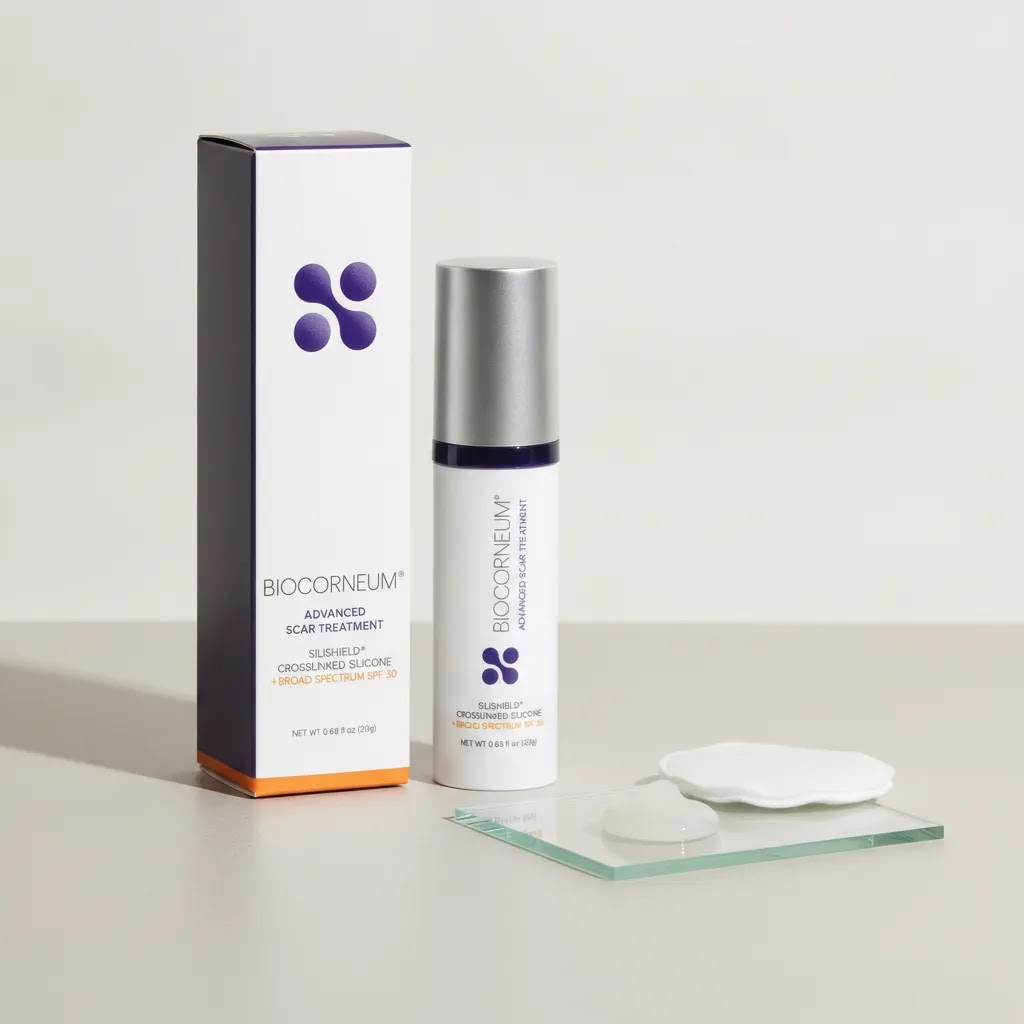
The products below are not acne medications. They belong to the scar-care category, and they are most relevant here for readers comparing topical options that may support smoother-looking skin and help minimize the appearance of scars or hyperpigmentation. That makes them more aligned with post-healing scar visibility than active acne treatment.
| Product | Price | Best fit from this article | Availability note |
|---|---|---|---|
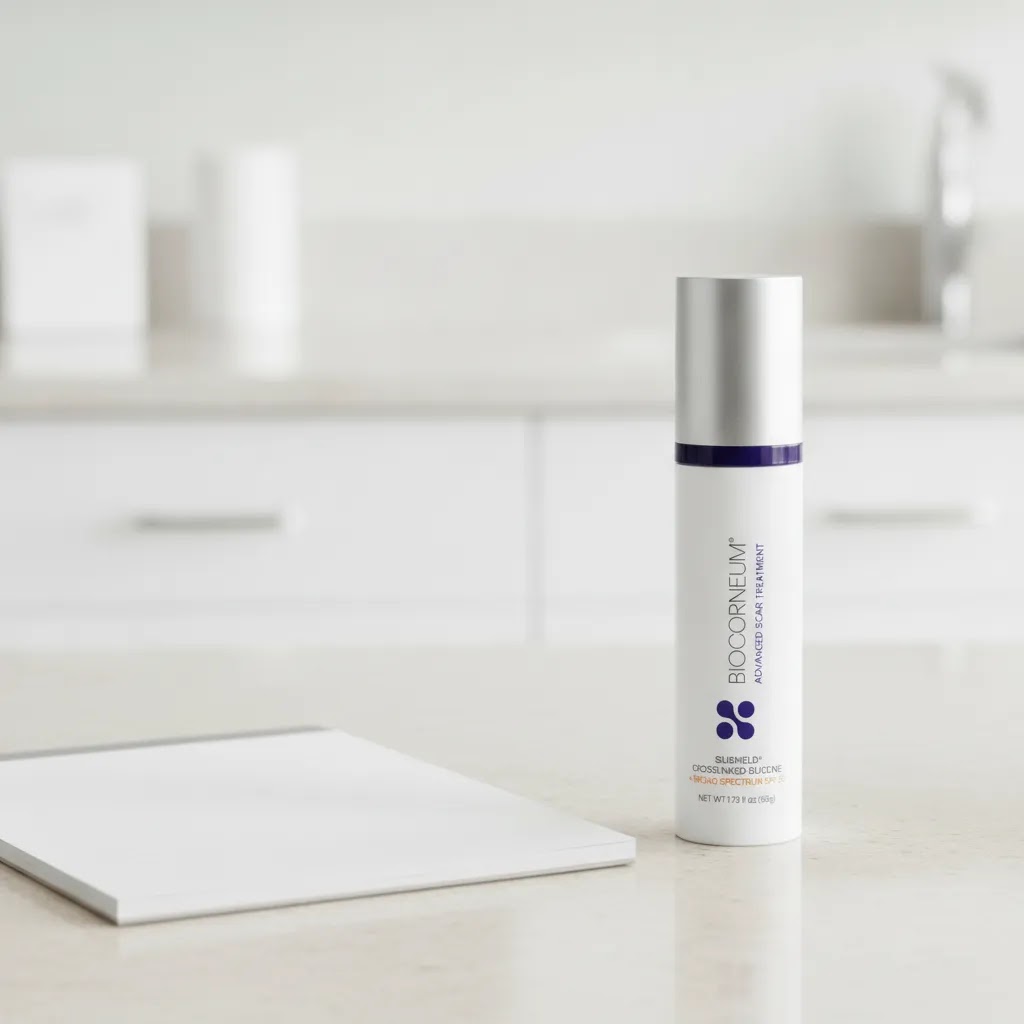
| BIOCORNEUM SiliSilk Advanced Scar Gel, 30g | $84.95 | Readers who want a scar-focused gel with a clear, fast-drying, non-greasy finish that may layer under sunscreen or makeup | Available |
| BIOCORNEUM 10g | $55 | Smaller-area use or trying a silicone-based scar product in a routine | Available |
| BIOCORNEUM 20g | $75 | Multiple visible areas or longer-term use | Available |
| BIOCORNEUM 50g | $130 | More extensive treatment areas or ongoing routine use | Available |
| Episof 30 ml Pump | $79.95 | Included for completeness | No longer available for sale within the United States; available for international distribution |
BIOCORNEUM SiliSilk Advanced Scar Gel, 30g
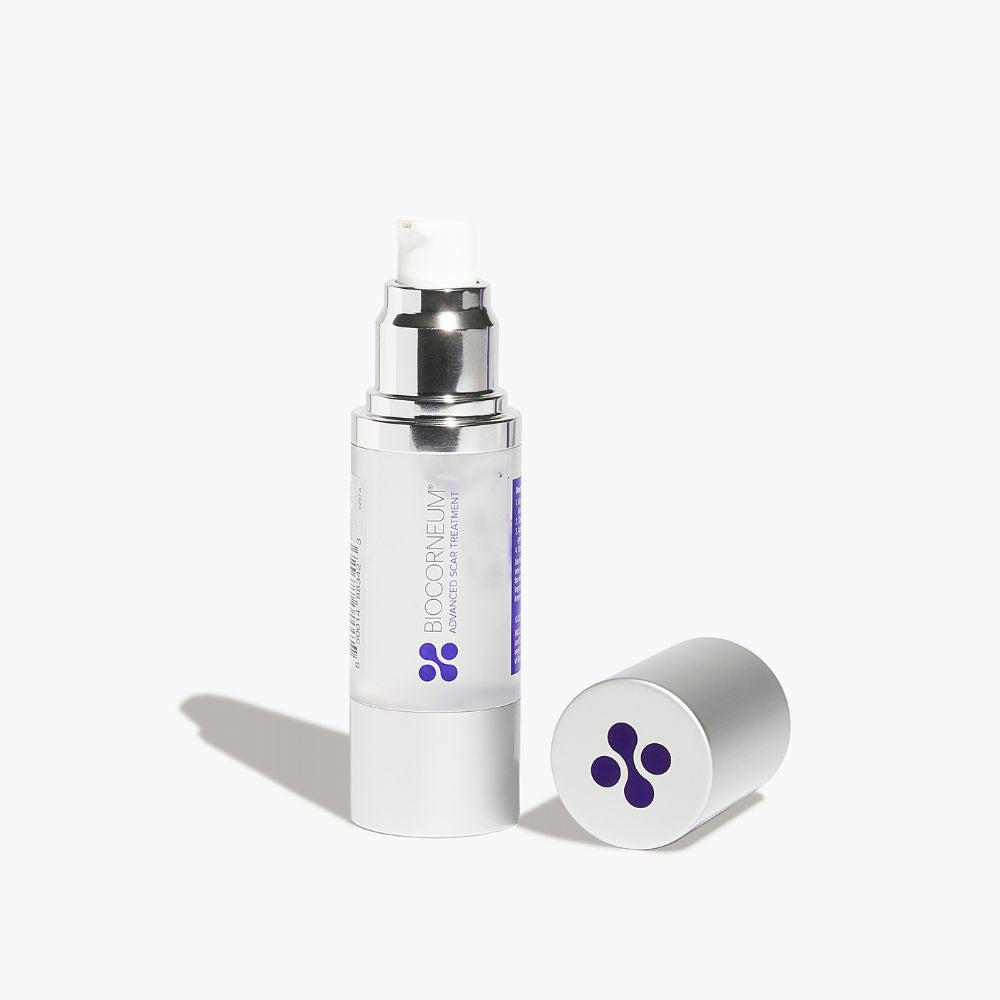 Price: $84.95
This silicone scar gel is positioned as professional-grade scar care with an ultra-smooth, silky finish. The product page states that silicone is clinically proven to help minimize the appearance of scars and hyperpigmentation while supporting smoother, healthier-looking skin.
Its fit for this topic is the combination of scar-focused care and a cosmetic finish that may work well within a facial routine. The formula is described as clear, fast-drying, non-greasy, and suitable under sunscreen or makeup, which may appeal to readers trying to manage visible acne-related marks without a heavy layer.
BIOCORNEUM 10g
Price: $55
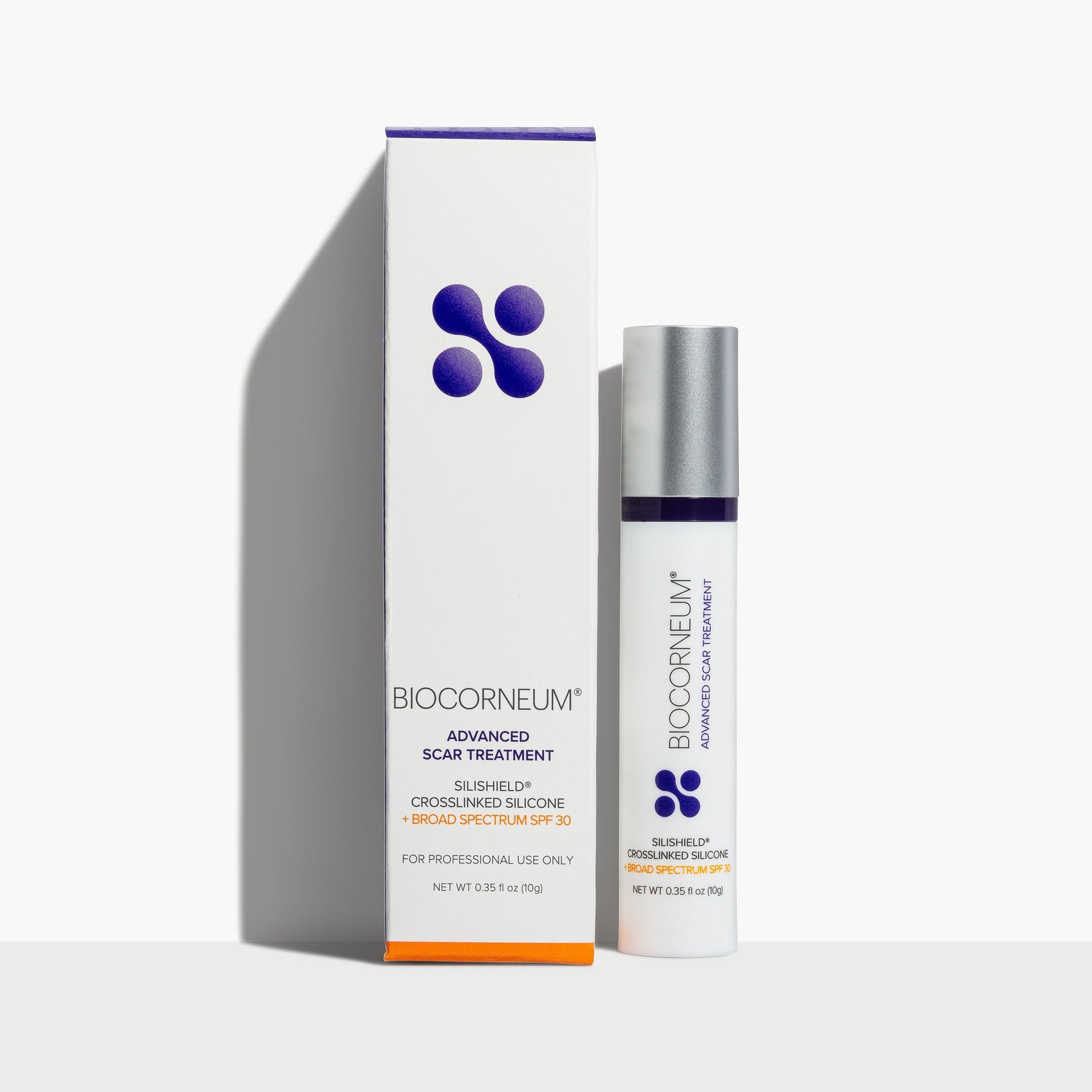
BIOCORNEUM 10g is a scar-care gel format presented for scars resulting from surgical and cosmetic procedures, trauma, wounds, and burns, including old or new scars. The product information emphasizes flexibility of use on areas such as the face, neck, chest, and hands.
For a reader researching acne scar cream, this smaller size may be worth considering if the area of concern is limited and you want to evaluate whether a silicone-based scar product fits your routine. The product page also notes that it is self-adhering and can be combined with other treatment options recommended by a physician.
BIOCORNEUM 20g
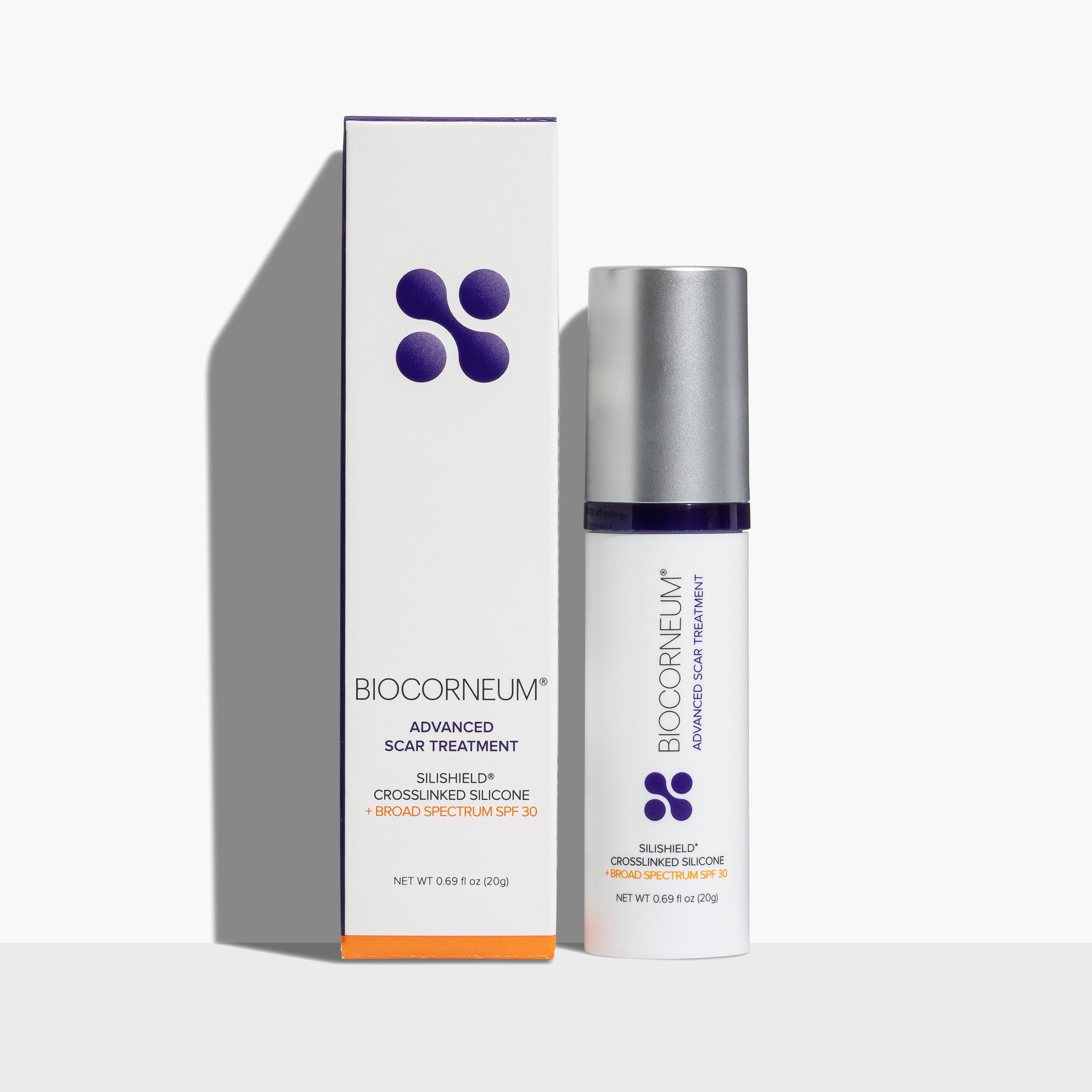
Price: $75
BIOCORNEUM 20g sits in the middle of the size range and is described with the same scar-recovery positioning as the smaller version. The product information highlights use on areas that move a lot, ir
regular surfaces, and larger scar areas.
This size may suit someone who wants a scar-focused topical for a broader area or expects longer-term use. In the context of acne-related marks, it is more likely to fit readers dealing with multiple visible areas rather than a single isolated spot.
BIOCORNEUM 50g
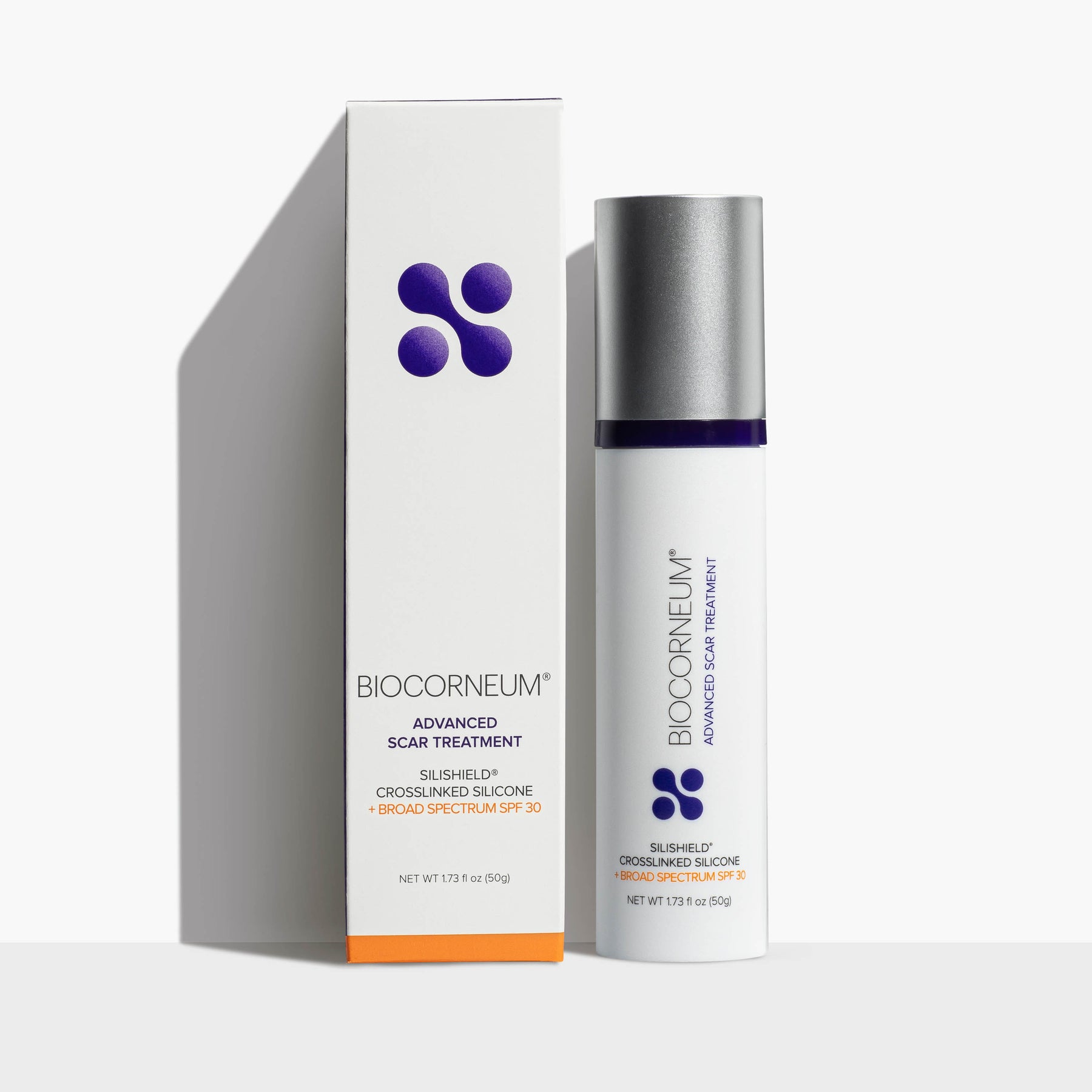
Price: $130
BIOCORNEUM 50g is the largest size listed and is presented for the same range of scar-related uses. The product page points to use on large scar areas and skin that must flex frequently.
For acne scar concerns, this size is usually most relevant if topical scar care is being used over a more extensive treatment area or as part of an ongoing routine where repurchasing very small sizes may be less practical. It is not automatically the best choice for everyone, but it can make sense if coverage needs are broader.
Episof 30 ml Pump
Price: $79.95
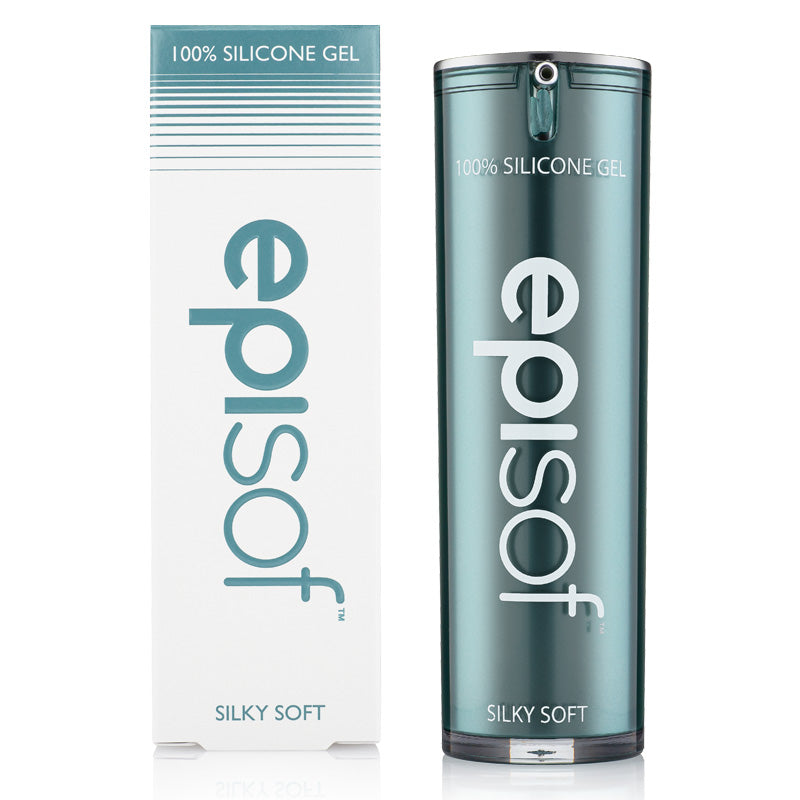
Episof 30 ml Pump is included here for completeness, but the product page states that it is no longer available for sale within the United States and remains available for international distribution. For customers in the United States, the page directs readers instead to BIOCORNEUM SiliSilk Advanced Scar Gel.
That makes Episof less practical for most U.S. readers researching acne scar cream, even if they are specifically exploring scar gel formats. Availability matters just as much as formulation when you are trying to build a routine you can actually maintain.
Ingredient evidence: silicone vs onion extract and other common scar creams
If you have spent time shopping, you have probably noticed two common over-the-counter “scar cream” categories. One is silicone-based scar care, usually sold as a gel or sheet. The other is the onion extract style gel, often paired with ingredients like allantoin and positioned for scar appearance. They are marketed similarly, but they work differently on the skin.
Silicone and onion extract acne scar cream options
Silicone gels and silicone sheets are widely used in scar care settings because silicone forms a breathable barrier over the skin that helps maintain hydration and may reduce friction. In practice, this can support a smoother-looking scar surface over time, and it is why clinicians often recommend silicone for certain types of scars. That said, results vary, and silicone is not a solution for active acne or for deeply indented acne scarring that sits below the surface. For added background, you can compare does silicone scar gel work on acne scars with our guide to silicone scar gel for acne scars.
Onion extract based scar gels are popular on retail shelves and are often marketed as multi-ingredient scar solutions. Some people like them for their lightweight feel, and formulations often include humectants that can temporarily improve the look of dryness. However, the evidence base is mixed compared with silicone for classic scar management, and outcomes can be inconsistent from person to person.
How to read scar cream claims more carefully
Shopping language like “clinically studied” can mean a range of things. It may refer to an ingredient studied in general, a product tested on a particular type of scar, or a small internal study. For acne marks, it is wise to be cautious with claims that imply a topical will “erase” pitted scars. A more realistic expectation is support for visible scar appearance and skin surface finish, especially when the concern is discoloration or mild irregularity.
Format matters as much as ingredients:
- Gel: Typically easier to use on the face, dries down, and can fit under sunscreen or makeup if it is designed for cosmetic wear. It is often the more practical choice when you want a thin, invisible layer.
- Sheet: Can be helpful when you want longer wear time and a consistent barrier, but it is more noticeable and may be harder to keep in place on curved facial areas. Some people prefer sheets for body areas where visibility is less of a concern.
In practice, the “best” category is often the one you will actually use consistently without irritation. If a product stings, causes persistent redness, or triggers more breakouts because it feels too occlusive for your skin, it is reasonable to reassess and consider professional guidance rather than pushing through. For general scar-management guidance, the American Academy of Dermatology and the U.S. National Library of Medicine offer useful overviews.
Pros and Considerations
Benefits
- Topical formulas may help improve the look of post-acne pigmentation, especially flat marks that remain after breakouts have healed.
- Creams and gels are non-surgical options, which may appeal to readers who are not ready for procedures or want to start conservatively.
- Some scar-focused silicone gels are designed to dry clear and layer under sunscreen or makeup, which can make daily adherence easier.
- A well-chosen formulation may support a smoother-looking skin surface by reducing dryness and helping rough areas look less obvious.
- Topical products can be useful alongside a broader scar-management plan, especially after professional guidance.
Considerations
- Most acne scar creams have limited ability to correct deeper pitted scars because those changes involve structural collagen loss beneath the skin surface.
- Improvement is usually gradual, and results vary based on skin type, mark depth, ongoing acne activity, and sun exposure.
- Some readers buy scar creams while still having active acne, which can blur the results and make progress harder to assess.
- Scar-care products are not the same as numbing creams or active acne treatments, so buying by search term alone can lead to the wrong product.
- Any topical product may irritate sensitive skin, especially if used with other exfoliating or prescription products without guidance.
Who this approach may suit
An acne scar cream approach may suit someone whose main concern is lingering discoloration, mild unevenness, or a visible healed mark that does not yet justify a procedural treatment in their mind. It can also be a reasonable first step for people who prefer a low-commitment routine before considering in-office options.
It may be less satisfying if your main issue is deeper indentation, shadowing, or multiple atrophic scars that change the skin’s contour in certain lighting. In those cases, topicals can still play a supportive role, but they may not be enough on their own.
If you are unsure what category your scars fall into, a professional consultation is the safest way to avoid spending months on the wrong approach.
Nuance Medical perspective
Nuance Medical’s content approach centers on precision, subtlety, and clinically informed decision-making. For readers sorting through acne scar cream options, that means starting with an accurate diagnosis of the mark itself: pigment, redness, surface irregularity, or deeper structural scarring. Products can be helpful, but only if they match the concern.
If you are comparing scar-focused topicals, Nuance Medical can serve as a useful educational resource while you narrow your options. You can browse the scar-care category, read product-specific updates such as Introducing SiliSilk: Everyday Silicone Scar Care, Simplified, or review recognition such as BIOCORNEUM SiliSilk Wins NewBeauty Award for Best Scar Gel. If you want personalized guidance, a no-pressure consultation is the right next step before choosing a longer-term scar strategy.
What to look for before you buy
Shopping for acne scar cream is easier if you evaluate products by 5 criteria instead of marketing language alone.
1. The type of mark you actually have
Flat brown marks often respond differently than red marks or indented scars. If the area looks darker or redder than the surrounding skin but feels smooth, a topical may be more worthwhile. If the problem is a visible dip or tethered texture, your expectations should be more cautious.
2. Whether the product is for scar care, acne treatment, or numbing
Search results can get messy. Terms like topical anesthetic cream, lidocaine 4 topical anesthetic cream, lmx 4 topical anesthetic cream, lmx 5 topical anesthetic cream, or 20 benzocaine cream point to numbing products, not pigmentation care. Those may have a role before certain procedures under professional guidance, but they are not acne scar creams.
3. How the formula behaves on skin
Texture matters. A product that dries clear, feels light, and layers well under sunscreen may be easier to use every day than one that stays tacky or pills under makeup. For visible facial areas, finish and wear can strongly influence whether you keep using it.
4. Size and practicality
A small tube may make sense for a localized area. A larger format may be more cost-effective if your concern covers a broader zone or if you expect extended use. The best size is not the biggest one. Instead, it is the one that matches your routine and treatment area realistically.
5. Whether you may need something beyond a cream
A good product choice is sometimes the one that clarifies a limit. If you use a topical consistently and the remaining concern is still obvious because of indentation or shadowing, that does not necessarily mean you failed. It may simply mean the next conversation should be about procedural scar options rather than another cream purchase. If you want more shopping context, see our guide to best acne scar cream.
Frequently Asked Questions
Does acne scar cream really work?
Acne scar cream may help some types of marks, especially post-acne pigmentation and mild surface unevenness. It is usually less effective for deeper pitted scars, where the skin’s structure has changed. Results vary by skin type, scar type, and consistency of use.
What is the best cream for acne scars on the face?
The best option depends on whether you are treating brown marks, red marks, or true textural scars. For scar-focused topical care, some silicone gels are designed to help minimize the appearance of scars and hyperpigmentation while layering easily into a daily routine. A facial product should also feel comfortable enough for regular use.
What cream is good for acne scars?
A cream that is “good” for acne scars depends on what you mean by scars. For flat brown marks or lingering redness, a well-tolerated topical routine paired with daily sunscreen may help the marks look less noticeable over time. For true indented scars, a cream can support overall skin finish, but it usually has limited impact on deeper contour change.
Can scar cream get rid of acne scars?
Scar cream may reduce the appearance of some acne-related marks, especially discoloration and mild surface roughness. It usually cannot fully eliminate pitted scars because those involve deeper structural changes beneath the skin surface. A qualified practitioner can help you set realistic expectations based on your scar type.
Can acne scars be 100% removed?
Acne scars cannot always be 100% removed, and outcomes depend on scar type, depth, skin biology, and the treatments used. Many people can see meaningful improvement with the right plan, but it is more realistic to aim for softening and refinement rather than complete erasure. A consultation is the best way to understand what level of improvement may be possible for you.
What is the best cream for acne scars and dark spots?
For acne scars and dark spots that are flat and smooth, look for products aimed at post-inflammatory hyperpigmentation and that fit comfortably into a routine you will actually maintain. Daily sun protection is also a key part of helping dark spots fade, since UV exposure can keep discoloration more visible. If the concern includes indentation as well as dark spots, you may need a combined approach rather than relying on a single cream.
Can a cream remove pitted acne scars?
A cream usually cannot fully remove pitted acne scars. Those scars involve collagen loss or contour change beneath the skin surface, so topical care tends to have limited reach. A cream may still improve overall skin appearance, but deeper texture often needs in-office treatment for more meaningful change.
How long does acne scar cream take to show results?
Visible changes from topical care are usually gradual rather than immediate. Pigment may soften over weeks to months, while textural change is often slower and less dramatic. The timeline can vary based on how old the marks are, whether you still get breakouts, and how consistent your routine is.
Is silicone gel the same as acne treatment cream?
No, silicone gel and acne treatment cream are not the same category. Silicone gels are scar-care products, while acne treatments are aimed at active breakouts, clogged pores, or inflammation. Some readers with healed acne-related marks may still find scar gels relevant, but they are not a substitute for active acne management.
Should I use acne scar cream at night or in the morning?
That depends on the product and how it fits your routine. Many people prefer a formula that can sit under daytime sunscreen or makeup, while others like to keep scar care in their evening routine. If a product is used during the day, sun protection remains important for pigmentation-prone skin.
Are numbing creams helpful for acne scars?
Numbing creams are not treatments for acne scars themselves. Products associated with searches like topical anesthetic cream prescription or topical anesthetic cream for tattoo are used to reduce discomfort before certain procedures, not to fade marks. They only become relevant if a qualified practitioner recommends them before treatment.
Can I use numbing cream before injection or scar treatment?
Sometimes, but only if the treating practitioner says it is appropriate. Different treatments, skin areas, and products have different safety considerations. Self-applying numbing cream before injections, microneedling, or other procedures without guidance may increase the chance of irritation or improper use.
Key Takeaways
- Acne scar cream usually helps pigmentation and mild surface unevenness more than deep pitted scars.
- Scar gels and acne treatments are different product categories, and numbing creams are different again.
- Silicone scar gels may be relevant for healed marks where scar visibility and texture are part of the concern.
- Daily wear characteristics, including finish and layering under sunscreen, can affect whether a product is realistic to maintain.
- If your main concern is indentation or shadowing, a consultation may be more useful than trying multiple creams in sequence.
Conclusion
Acne scar cream can be a useful part of care, but only if it matches the kind of mark you actually have. For many people, the most encouraging changes from a topical product involve leftover pigmentation, a smoother finish, and skin that looks more even over time.
However, people with deeper atrophic scarring may find that a cream plays more of a supporting role than a complete one. Nuance Medical’s educational approach is built around that honest distinction. If you are weighing your next step, explore the available scar-care options, compare product formats carefully, and seek professional guidance if the picture is not clear. Ultimately, a measured plan usually serves skin better than chasing every product label that promises more than it can reasonably deliver.
Medical Disclaimer: The information provided in this article is intended for general informational and educational purposes only. It does not constitute medical advice and should not be used as a substitute for a professional consultation with a qualified aesthetic practitioner or healthcare provider. Individual results from aesthetic treatments vary. Always seek the advice of a qualified medical professional before undergoing any cosmetic procedure.