
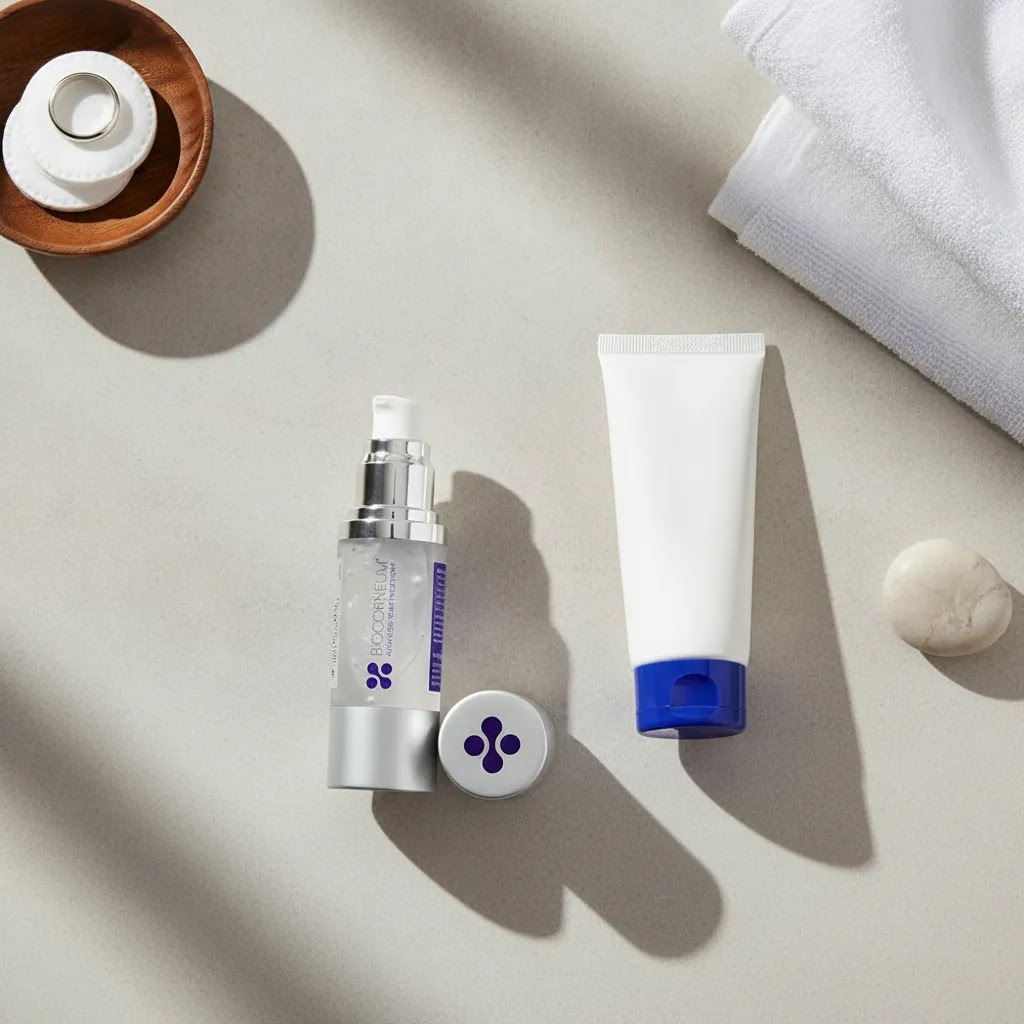
Mederma vs Biocorneum Quick Verdict
If price and easy retail access are your main priorities, many shoppers choose Mederma first because mainstream consumer channels often carry it. If you want a silicone-based product with a refined, fast-drying finish that fits a skincare routine, Biocorneum may offer a more premium daily experience.
In short, Mederma vs Biocorneum is often a choice between easier purchasing and a more specialized silicone gel feel. Ultimately, the better fit depends on what helps you stay consistent.
Mederma vs Biocorneum: What Are You Comparing?
People compare Mederma and Biocorneum for a simple reason. They want a topical scar product that may improve appearance over time, but they also want something they can use regularly.
Here, the Biocorneum option is BIOCORNEUM SiliSilk Advanced Scar Gel, 30g. The brand presents it as a professional-grade silicone scar gel with an ultra-smooth, silky finish.
The product page says silicone is clinically proven to help minimize the appearance of scars and hyperpigmentation while supporting smoother, healthier-looking skin. In addition, broader scar guidance often discusses silicone as a common topical option. For general scar care information, the American Academy of Dermatology and the NHS offer useful overviews.
Mederma appears in the same shopping conversation, but this article does not include a verified Mederma product block with matching detail. Therefore, this Mederma vs Biocorneum comparison focuses on practical buying factors, broad category differences, and what the available product information clearly supports for Biocorneum. If you want more context on silicone-based care, see our article on biocorneum scar treatment.
Mederma vs Biocorneum: Silicone vs Onion Extract
Here’s the key point in Mederma vs Biocorneum. You are often comparing two ingredient categories that are not truly “apples-to-apples.” Many Biocorneum-style products use silicone gels. Many Mederma products are better known for formulas built around onion extract, often listed as Allium cepa, plus supportive ingredients like allantoin.
Why the ingredient categories differ
Both are topical scar-care approaches, but they are not the same type of product. They also do not appear in the clinical literature with the same level of consistency.
Silicone is widely recognized as one of the better-supported topical approaches for managing the appearance of certain scars, especially when you use it consistently on closed, healed skin. It forms a breathable barrier that may help regulate moisture loss and support a more balanced healing environment. As a result, it may matter for texture and visibility concerns, especially when scars look raised, firm, or uneven as they mature.
What that means for Mederma vs Biocorneum
Onion extract scar gels remain popular, but the evidence is more mixed. Some studies and patient experiences suggest they may help some aspects of scar appearance for some people. However, other research shows limited or variable benefit depending on scar type, timing, and consistency. That variability helps explain why Mederma vs Biocorneum often becomes a wearability and adherence question rather than a simple ingredient showdown.
It also helps to set realistic expectations. Topical scar products usually work gradually. Many people notice changes over weeks to months, not days. In addition, sun protection matters no matter which gel you choose. UV exposure can increase lingering discoloration and contrast, especially in the early months. Therefore, daily sunscreen on exposed areas is one of the most practical steps you can pair with any scar gel.
Mederma vs Biocorneum Side-by-Side Comparison
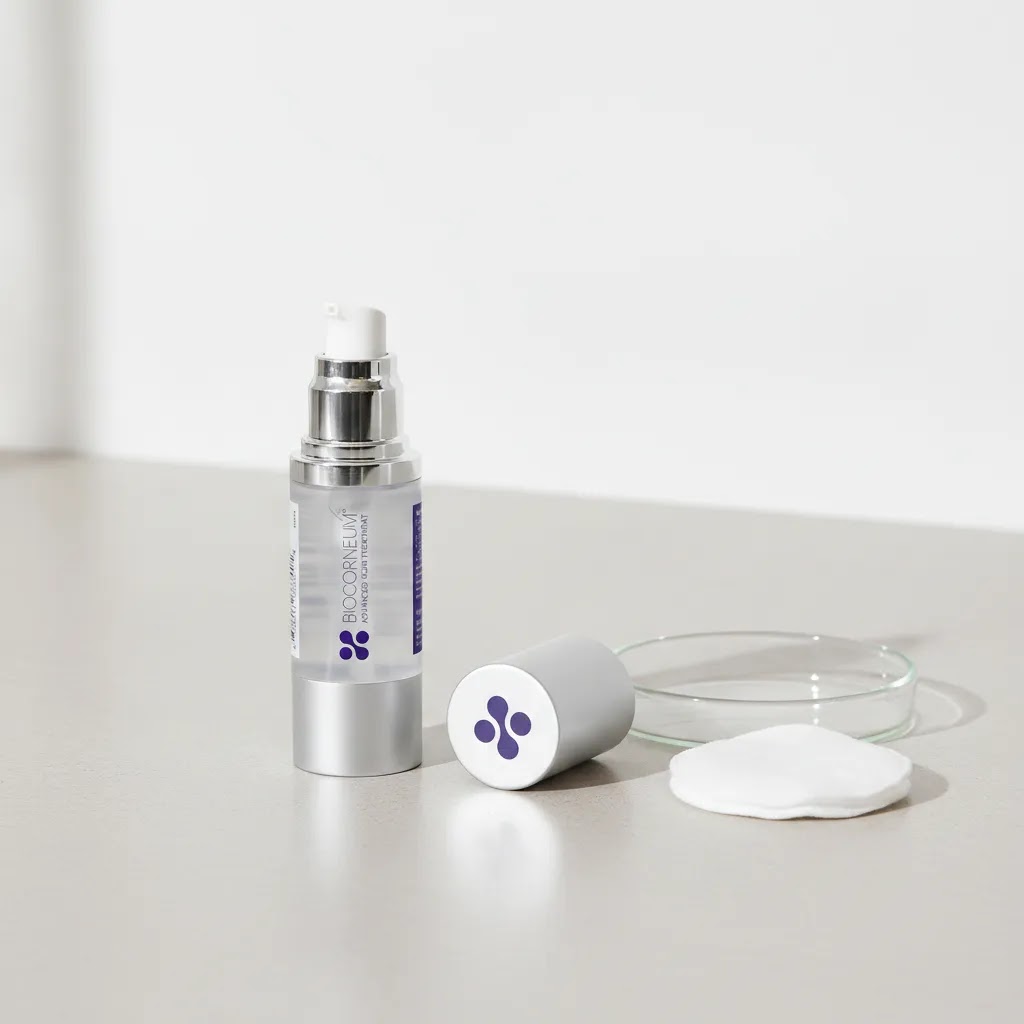
| Attribute | Mederma | Biocorneum |
|---|---|---|
| Category | Scar care topical | Scar care topical |
| Verified product in this review | Product information not specified here | BIOCORNEUM SiliSilk Advanced Scar Gel, 30g |
| Price | Product pricing not specified here | $84.95 |
| Primary practical appeal | Often chosen for mainstream accessibility | Often chosen for silicone-gel format and cosmetic elegance |
| Texture information | Product information not specified here | Clear, fast-drying, non-greasy, silky finish |
| Wear under makeup or sunscreen | Product information not specified here | Yes, stated as compatible under sunscreen and makeup |
| Water and sweat resistance | Product information not specified here | Yes |
| Travel convenience | Product information not specified here | TSA-compliant packaging |
| Best for | Shoppers prioritizing easy access and familiar retail presence | Users prioritizing silicone-based scar care with a polished daily-wear feel |
BIOCORNEUM SiliSilk Advanced Scar Gel, 30g
BIOCORNEUM SiliSilk Advanced Scar Gel is a scar-care product for people who want silicone-based support in a formula that fits neatly into an everyday skincare routine.
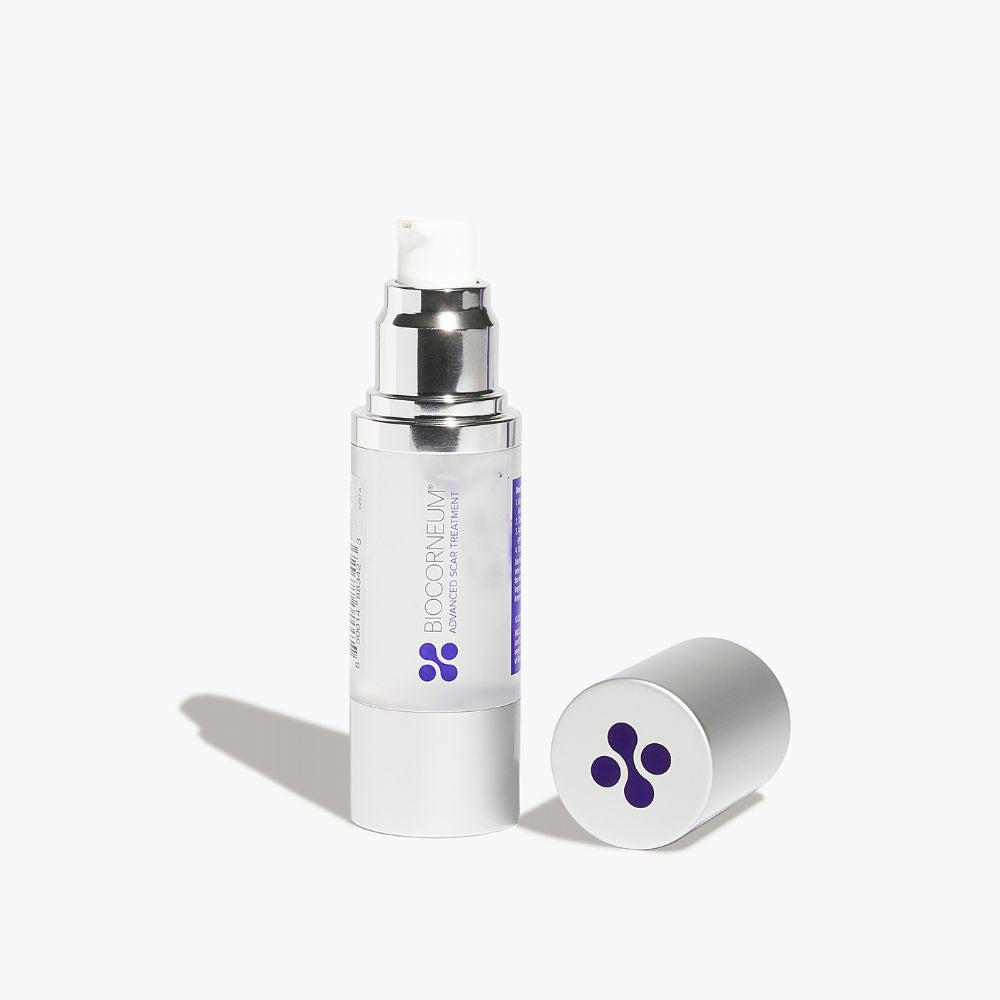
The product page describes it as a clear, fast-drying silicone gel with an ultra-smooth, silky finish. It also describes the gel as non-greasy, transfer-resistant, and suitable for all skin tones. That matters in a practical way. A product may be easy to buy, but it also needs to be easy to wear with sunscreen, cosmetics, clothing, or bedding.
Its listed price is $84.95, which places it firmly in the premium end of scar-care purchasing for many consumers. For some users, the higher price may feel worthwhile because of the texture, comfort, and silicone format. For others, the upfront cost may be the main barrier.
- Silicone-based scar care with verified product-page support
- Fast-drying finish may improve adherence for people who dislike tacky products
- Works under sunscreen and makeup, which can support routine consistency
- Water- and sweat-resistant properties may suit active lifestyles
- TSA-compliant packaging may help frequent travelers
If you want more context on the brand’s positioning, you can also read Introducing SiliSilk: Everyday Silicone Scar Care, Simplified.
Mederma
Mederma often appears in scar-care comparisons because many consumers know the name and may find it through standard retail channels. For readers who care most about price and accessibility, that matters. If you can repurchase a product easily, you may be more likely to keep using it.
That said, the exact formula, texture, wear characteristics, and price can vary by Mederma product. This article does not include those details in a verified product block. Because of that, the fairest way to frame Mederma here is as the more mainstream access point in the Mederma vs Biocorneum comparison, not as a full spec-for-spec match with the verified Biocorneum product above.
Mederma may appeal to buyers who want a recognizable name, less shopping friction, and a product they can source quickly. On the other hand, it may be less appealing for users who want verified silicone-gel features such as fast-drying wear, water resistance, or makeup compatibility stated on the product page.
- Often considered accessible and familiar to general consumers
- May suit shoppers who prefer mainstream retail availability
- Can be a practical first stop for readers testing scar-care options
- Repurchasing may feel simpler for some users, depending on location
For appearance-focused research, our biocorneum scar gel before and after article may help you think more clearly about expectations and consistency.
Mederma vs Biocorneum Key Differences
The clearest difference is how much certainty you have about the product itself. Biocorneum has verified features, a confirmed price, and a clear use position. Mederma offers broad consumer familiarity, but you need to check claims on the exact version you plan to buy.
Another major difference is cosmetic wearability. Biocorneum specifically describes a silky, lightweight, fast-drying, non-greasy texture with compatibility under makeup and sunscreen. That may matter a great deal if you are treating a visible scar on the face, chest, or another exposed area.
Price also separates the two. Biocorneum is clearly a premium purchase at $84.95. Some shoppers will see that as justified if the formula helps them stay consistent. Others will prefer a more budget-conscious path, especially if they are managing longer treatment timelines or multiple recovery-related expenses.
Accessibility can mean two different things. One is physical or online availability. The other is how easy a product feels to live with every day. Mederma may win the first category for many buyers. Biocorneum may win the second for users who prioritize elegant wear and silicone-based scar care.
When Scar Gel Helps Most: Timing, Scar Types, and What to Watch For
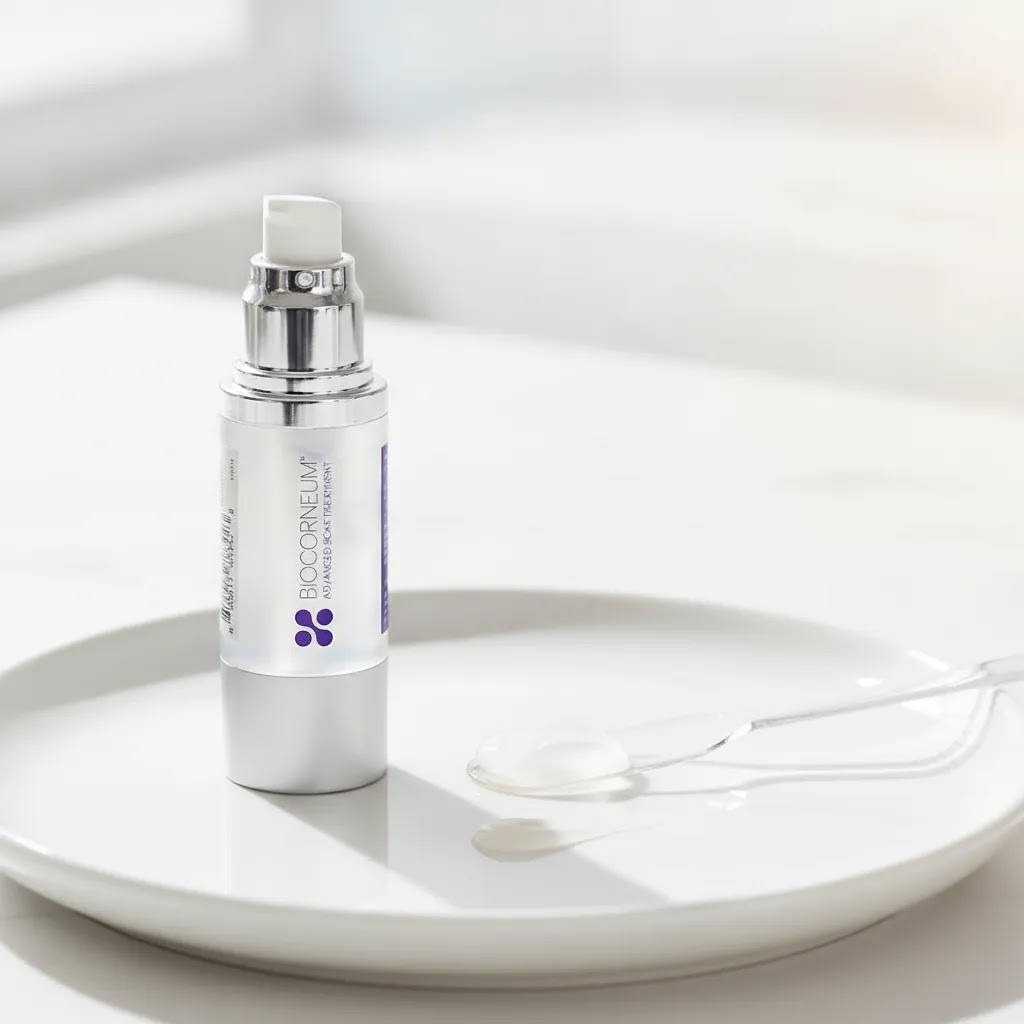
What many patients overlook is timing. Scar gels usually help most when timing and scar behavior are working in your favor. Topicals do not replace proper wound care, and you should not apply them to open skin. In most cases, people start scar gel only after the surface fully closes and a surgeon or healthcare provider clears them to begin topical scar care.
When scar gel usually helps most
Newer scars often have more room to change as they mature, especially during the first several months. Older scars can still improve in feel and appearance for some people, but changes may be slower and more subtle.
If your goal is to soften a scar that has become raised, thick, or itchy, silicone-based options often come up in the discussion. Clinicians frequently use them for hypertrophic scars, which stay within the boundaries of the original injury.
Scar type and warning signs
Keloids are different. They extend beyond the original wound edges and can be more persistent. Topicals may still play a role in a broader plan, but keloid-prone skin often benefits from individualized guidance. Response can vary, and in-office treatments may also matter depending on the situation.
There are also everyday habits that affect scar appearance no matter which gel you choose. Consider these scar-care fundamentals:
- Avoid picking, scratching, or trying to “rub off” texture, since repeated trauma can make scars look more inflamed or uneven.
- Minimize friction and pressure over the area when possible, especially if clothing, sports gear, or repetitive movement irritates the site.
- Protect the area from sun exposure. Discoloration can linger longer if UV exposure is not managed, particularly in the early stages of healing.
If a scar is changing rapidly, becoming increasingly painful, or showing concerning signs, get a medical evaluation. A qualified clinician can confirm whether a topical product makes sense and whether other treatment options should be part of your plan. If you want broader recovery guidance, our best scar cream after surgery guide may also help.
Mederma vs Biocorneum: Which One Should You Choose?
Your best option depends on which barrier is most likely to stop you from using the product consistently.
If budget comes first
Mederma may be the more approachable starting point if your main goal is finding a scar product that feels financially easier to try. For many people, lower hesitation matters. A product you feel comfortable buying now may be more realistic than a premium formula you keep delaying.
If texture and wear matter most
Biocorneum may be the stronger fit if sticky residue, visible product film, or routine incompatibility have made you stop scar products before. Its verified fast-drying, non-greasy, clear formula gives some users a meaningful practical advantage.
If you need skincare-routine compatibility
Biocorneum has the clearer edge based on the product page because it is described as layering well under sunscreen and makeup. If your scar sits in a visible area and you need a product that works in daytime settings, that may matter more than price alone.
If convenience means easy repurchasing
Mederma may be appealing if local or mass-market access is your top concern. Scar care often requires patience. If a product is simple to replace, adherence may improve.
If you want a more specialized silicone option
Biocorneum may be worth considering if you specifically want a silicone scar gel rather than a more general scar-care purchase. You can also compare other silicone options in our Silagen vs Biocorneum guide. For a wider category overview, see Biodermis Silicone Scar Sheets.
How to Use Scar Gel Day-to-Day (Application Frequency, Layering, and Adherence)
Day-to-day use often decides whether a scar product feels worthwhile. Many silicone gels direct users to apply the product once or twice daily, depending on the formula. Other scar gels may use different schedules. Always follow the packaging for the product you choose. Still, one point stays consistent: routine use usually matters more than chasing a “perfect” product that you rarely apply.
How to build a routine you can keep
Scar gel only helps if it becomes part of a routine you can maintain. A simple framework that works for many people looks like this:
- Start with clean, dry skin. Applying to damp skin can change how evenly a gel spreads and dries.
- Use a thin layer. More product does not necessarily mean better results, and thicker application can feel tacky or pill under other skincare.
- Allow dry-down time. Many people abandon scar products because they do not wait for the film to set before dressing, applying makeup, or putting sunscreen on top.
- If you layer products, keep it practical. Scar gel typically goes on first, then sunscreen in the morning if the area is exposed. Makeup can follow once everything is fully dry, if the product is designed to be worn that way.
Why adherence matters in Mederma vs Biocorneum
Wearability matters because it affects adherence. A gel that dries quickly, does not transfer easily, and sits comfortably under sunscreen or makeup may be easier to use for months at a time, especially for facial or chest scars.
Tolerance also varies. If you notice persistent irritation, rash, worsening redness, or stinging that does not settle, pause use and check in with a clinician. It is also smart to ask for guidance if you are unsure whether your incision or treatment area is ready for topical products. Starting too early, before skin fully closes, can increase irritation and will not speed scar care.
If you are comparing silicone options more broadly, some shoppers also cross-shop by format, such as gels versus sheets. This article stays focused on Mederma vs Biocorneum practicality, but it helps to know that silicone scar care comes in more than one format. In practice, the best choice is often the one you will actually wear consistently. If you are curious about timelines, our guide on how long does it take for scars to fade may be useful.
Pros and Considerations
Benefits
- Comparing price and accessibility first can help you choose a product you are more likely to use consistently.
- Biocorneum offers verified silicone-based scar care with a refined texture and fast-drying wear.
- Mederma may appeal to shoppers who value familiarity and potentially easier mainstream access.
- Biocorneum’s compatibility with sunscreen and makeup may make it easier to integrate into daytime routines.
- Biocorneum’s water- and sweat-resistant properties may suit active users or humid conditions.
Considerations
- Biocorneum’s confirmed price of $84.95 may be a barrier for some users.
- Mederma product details can vary, so you need to confirm the exact formula rather than rely on category-level assumptions.
- No topical scar product is right for everyone, and visible improvement may vary by scar type, age, location, and skin response.
- Scar care usually requires ongoing consistency, which can make even a good product feel less practical if repurchasing is difficult.
Nuance Medical Perspective on Mederma vs Biocorneum
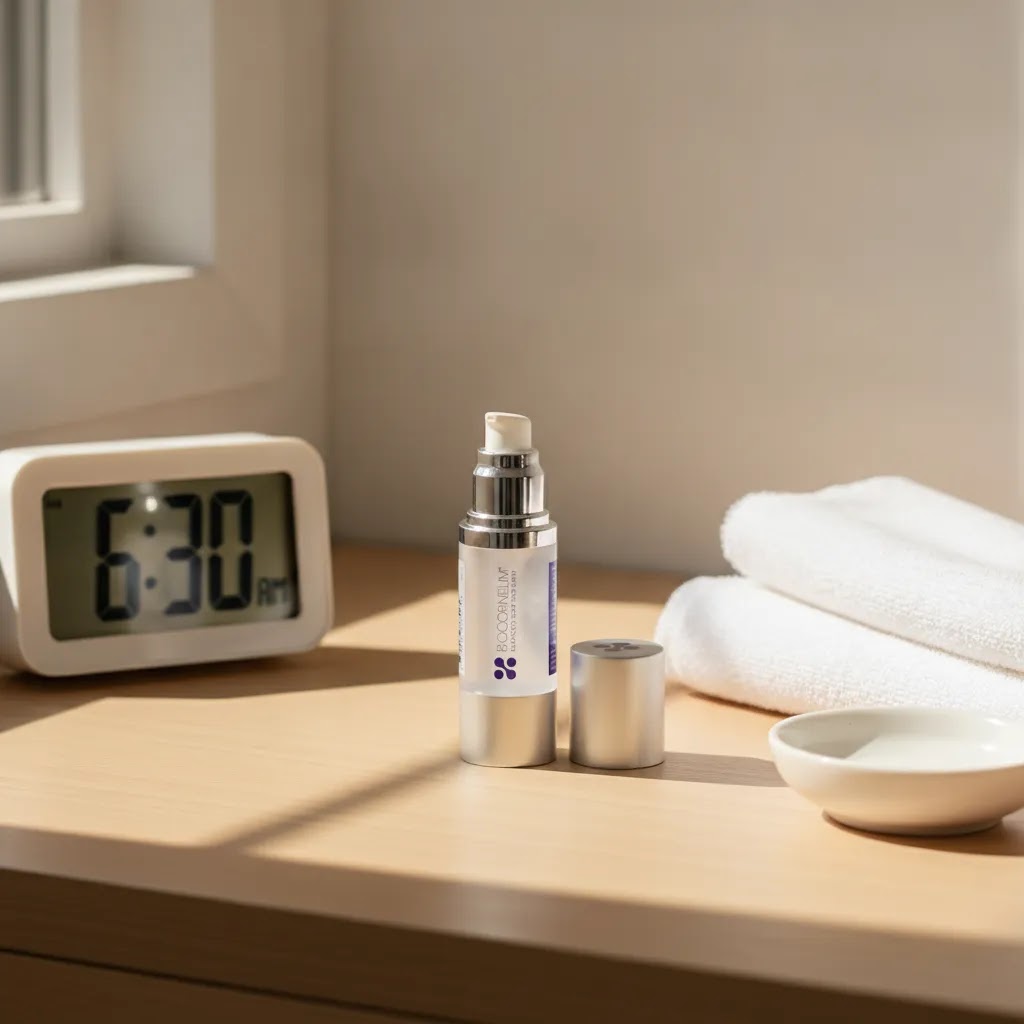
Nuance Medical takes a practical approach to scar care. The best product is not always the most talked-about one. More often, it is the one you can use correctly, consistently, and comfortably over time. That is why a Mederma vs Biocorneum comparison should include not only ingredients or brand familiarity, but also wearability, access, and day-to-day fit.
If you are considering a silicone-based option and want more context before buying, explore Nuance Medical’s scar-care resources, including the BIOCORNEUM SiliSilk award coverage. If you are unsure which scar-care path makes sense for your skin, recovery stage, or cosmetic goals, a pressure-free consultation can help you evaluate your options with more confidence.
Mederma vs Biocorneum Frequently Asked Questions
Is Biocorneum better than Mederma?
Not universally. The better option depends on what matters most to you. Biocorneum has verified silicone-gel features and a polished texture profile, while Mederma may feel easier to access for some shoppers. Results can vary by scar type, consistency of use, and individual skin response.
Which is better value, Mederma or Biocorneum?
Value is not just the shelf price. It also includes how likely you are to use the product regularly. Biocorneum costs $84.95 in the listed 30 g format, so some readers may view it as a premium investment. Others may decide a more accessible product offers better practical value for their needs.
Why does accessibility matter so much in scar care?
Scar products generally require regular, sustained use. If a product is hard to buy, inconvenient to repurchase, or difficult to wear during the day, you may be less likely to use it consistently. Practical access often shapes outcomes more than marketing claims alone.
Does Biocorneum have advantages for daytime use?
Based on the product page, yes. It is described as clear, fast-drying, non-greasy, and compatible under sunscreen and makeup. Those traits may make it easier to wear on exposed areas during normal daily activities. Individual tolerance and cosmetic preference can still vary.
Is silicone scar gel worth paying more for?
For some people, yes. Silicone-based scar care is widely used in scar-management conversations, and a well-tolerated formula may support better adherence. Whether that higher price feels worthwhile depends on your budget, the scar location, and whether product texture has affected your consistency in the past.
Can I choose based on scar location?
Yes, that can be useful. A scar on the face, chest, or another visible area may make texture, transparency, and layering under skincare more important. A scar in a covered area may make those factors less critical. Suitability still depends on your skin and healing stage.
Do scar products work the same for old and new scars?
Not always. Scar age, type, color changes, thickness, and your skin’s healing behavior can all affect response. Some products may be used at different stages of healing, but it is best to confirm the appropriate timing with a qualified healthcare professional, especially after procedures or injury.
Should I pick the cheaper option first?
That can be reasonable if budget is your main limiting factor. A lower-cost or more accessible product may be the right first step if it allows you to begin care promptly and maintain consistency. A premium product may still be worth considering if texture and wearability are your main obstacles.
What is the highest rated scar gel?
“Highest rated” depends on where ratings are collected and what people value, such as texture, dry-down time, or perceived appearance changes. From a clinical perspective, silicone gels and silicone sheets are commonly discussed as a well-supported topical category for scar management, but individual results vary by scar type, timing, and consistent use. If you are choosing based on reviews alone, it helps to also consider whether you can comfortably apply the product daily for weeks to months.
Does Biocorneum actually work?
Biocorneum is positioned as a silicone-based scar gel, and silicone is widely used in scar-care protocols. Whether you see visible improvement depends on the type of scar, how recently it formed, the location, and how consistently the product is used. In many cases, changes are gradual and may take weeks to months. A qualified clinician can help you set realistic expectations for your specific scar.
Is there anything better than Mederma?
“Better” depends on what you are trying to improve and what you will use consistently. Some people prefer silicone-based gels or silicone sheets, especially when the goal is supporting a smoother-looking scar over time. Others prioritize budget and accessibility, which can make a mainstream product feel more realistic to stick with. If you are unsure which category fits your scar type and healing stage, professional guidance can be helpful.
What scar gel do plastic surgeons recommend?
Many plastic surgeons and dermatology practices commonly recommend silicone-based scar care, often because silicone is a frequently used topical option in scar management. Specific product recommendations vary by clinician, scar location, and patient skin sensitivity. The most appropriate choice, and the right start time, should be confirmed with your surgeon or a qualified healthcare provider, especially after a procedure.
Key Takeaways
- Mederma vs Biocorneum often comes down to mainstream accessibility versus premium silicone-gel wearability.
- Biocorneum has verified features that support cosmetic elegance, including a clear, fast-drying, non-greasy finish.
- Biocorneum is priced at $84.95 for 30 g, which may influence value decisions for budget-conscious buyers.
- The most practical scar product is often the one you can repurchase easily and use consistently.
- Scar appearance outcomes vary, so product choice should be guided by routine fit, scar location, and personal priorities.
Mederma vs Biocorneum Conclusion
For many readers, Mederma vs Biocorneum comes down to one question: do you want the easiest path to purchase, or do you want a more specialized silicone gel that may feel better to use every day? Mederma may appeal through familiarity and accessibility. Biocorneum may appeal through a more premium, skincare-friendly formula with verified silicone-gel features.
Neither option is automatically right for everyone, and scar response can vary based on timing, skin, and scar characteristics. If you want a more personalized recommendation, Nuance Medical’s educational resources can help you compare options with a clearer sense of what fits your goals, budget, and routine. A qualified professional can also help you decide whether scar gel is the right next step for your situation.
Medical Disclaimer: The information provided in this article is intended for general informational and educational purposes only. It does not constitute medical advice and should not be used as a substitute for a professional consultation with a qualified aesthetic practitioner or healthcare provider. Individual results from aesthetic treatments vary. Always seek the advice of a qualified medical professional before undergoing any cosmetic procedure.