Biocorneum vs Silagen Quick Verdict
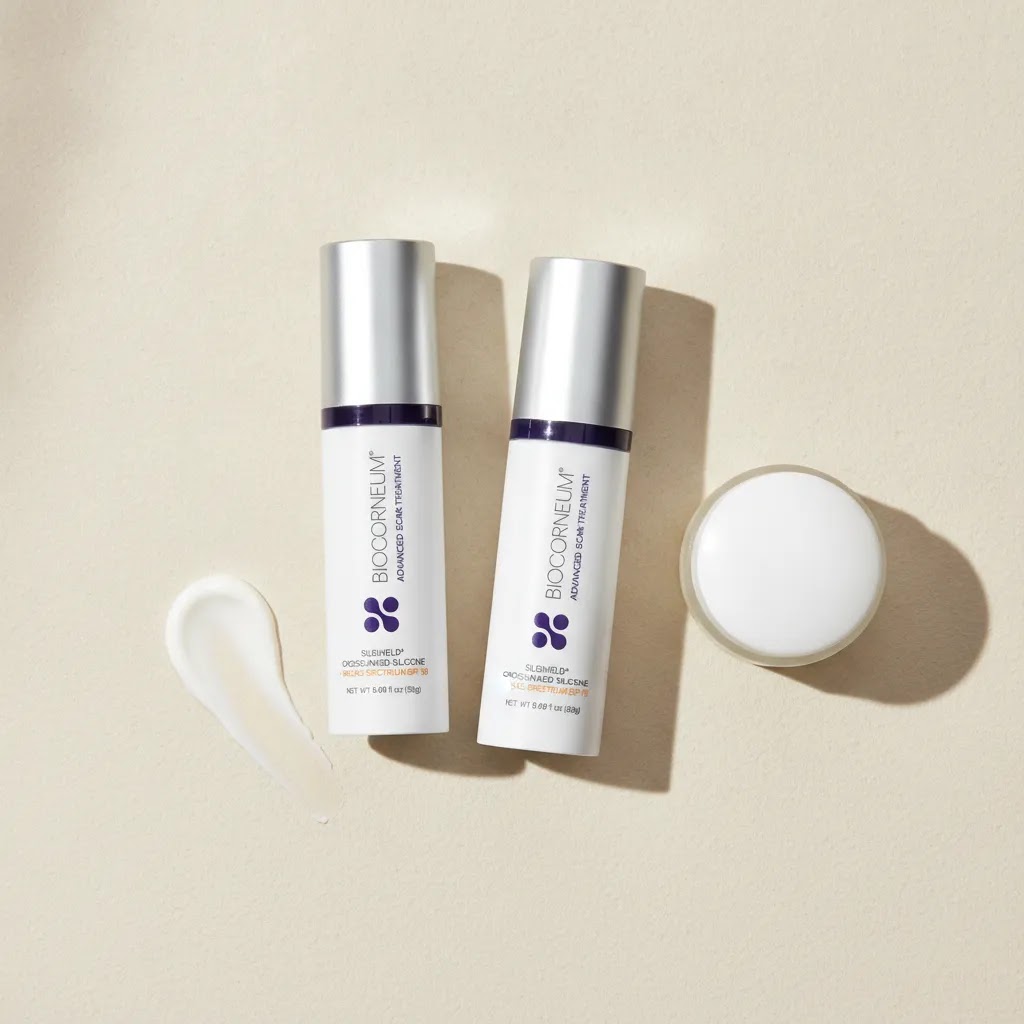
If your main concern is a healing scar with regular outdoor exposure, BIOCORNEUM 20g stands out. It combines silicone scar care with SPF 30, and the product page describes it for sun-exposed areas such as the face, neck, chest, and hands.
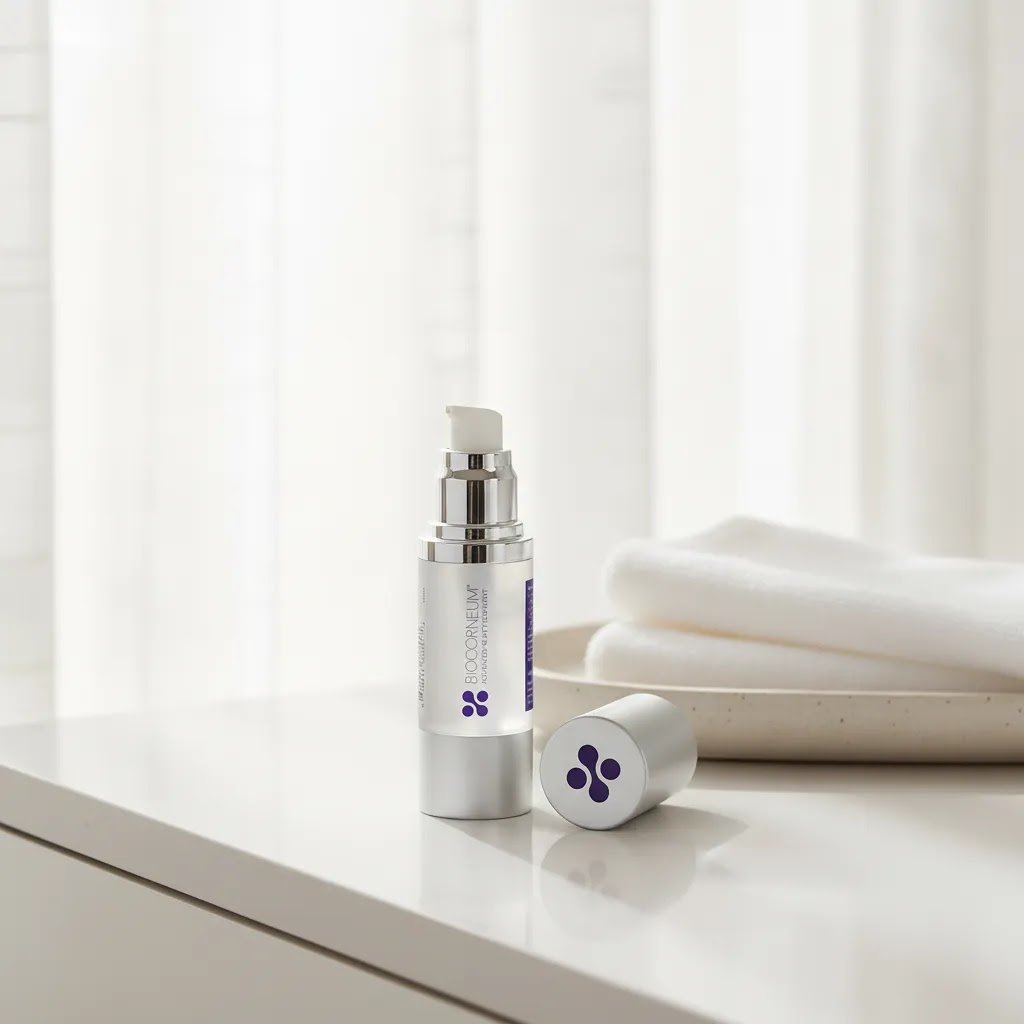
If you want a silky, SPF-free formula that layers easily under your own sunscreen, skincare, or makeup, BIOCORNEUM SiliSilk Advanced Scar Gel, 30g may fit better.
Silagen often enters the same scar-care discussion. However, you need to compare product-specific claims with the exact Silagen formula you are considering. Product lines vary in finish, packaging, and sun protection. For that reason, this biocorneum vs silagen article uses confirmed product details for the Biocorneum options and treats Silagen as the comparison reference point many readers search for, rather than making unsupported claims about a specific Silagen SKU.
Biocorneum vs Silagen Comparison Basics
People usually choose silicone scar gels after the skin surface fully closes. These products do not erase tissue or guarantee a scar-free result. Instead, they help support a better scar environment by forming a protective film over the area, reducing transepidermal water loss, and improving hydration at the scar surface.
That mechanism matters because scars often change over months, not days. Raised texture, stiffness, redness, and uneven appearance may settle slowly. However, the pace varies by incision type, anatomy, skin behavior, wound tension, sun exposure, and overall healing.
A product you can apply consistently may help more than one that sounds perfect but does not fit your routine. If you are comparing options after surgery, cosmetic procedures, burns, or trauma, context matters even more. For example, a facial scar with daily sunscreen needs is very different from a scar that stays covered under clothing.
For a deeper look at how timing and routine affect outcomes, see biocorneum scar treatment. You can also compare this topic with our Silagen vs Biocorneum overview.
Biocorneum vs Silagen Application Timeline and Routine
Most scar gels sound similar on the label. In daily life, though, the routine often decides whether the product works for you. In practice, steady use over weeks matters more than aggressive short-term use, especially during the remodeling phase.
Many silicone gel routines use morning and evening application on clean, fully closed skin. The goal is a thin, even film that dries well and stays in place. A thick layer can feel sticky and transfer to clothing.
If product directions differ, follow the specific instructions and your clinician’s aftercare plan.
Biocorneum vs Silagen timelines usually look like this
Scars change slowly, so most people need a realistic time window before they judge results. Many product education resources cite visible changes around 60 days for newer scars and closer to 90 days for older scars. Still, those are reference points, not guarantees.
Scar location, skin behavior, wound tension, and sun exposure can all affect how quickly you notice change. Sometimes the first improvement is not visual. For example, the scar may feel less tight before it looks different. In other cases, the surface looks smoother before redness fades.
If you are unsure whether you are using the product correctly, a qualified practitioner can help you troubleshoot.
Biocorneum vs Silagen SPF-in-gel vs SPF-free logic
With an SPF-in-gel option like BIOCORNEUM 20g, built-in sun protection can simplify care for scars on the face, chest, or hands. Those areas often get daylight exposure even when you are not spending much time outdoors.
That said, any SPF step may require reapplication if you stay outside for long periods, sweat, or wipe the area. If sun protection is part of your scar plan, think about whether your day includes prolonged outdoor exposure and whether your routine supports reapplication. For general sunscreen guidance, the American Academy of Dermatology offers practical recommendations.
With SPF-free gels like BIOCORNEUM SiliSilk, the main advantage is flexibility. You can pair the silicone film with your preferred sunscreen, which may matter if you already tolerate a certain formula well on sensitive skin. The key point is simple: make a plan for sun exposure instead of choosing SPF-free or SPF-in-gel on preference alone.
Common routine pitfalls and how to avoid them
If you have tried a scar gel and stopped, a few predictable problems may be the reason.
- Pilling: This can happen when too much product is applied, or when layers are stacked too quickly. Using a very thin layer and letting it fully dry before sunscreen, makeup, or clothing contact may help.
- Applying too thick: More is not necessarily better. A heavy layer may not dry well, may feel tacky, and may transfer, which can reduce consistency.
- Not letting it set: Silicone gels are designed to form a film. Giving it a few minutes to dry before you get dressed or apply makeup often makes the routine feel easier.
- Forgetting friction points: Areas under waistbands, bra straps, athletic gear, or mask straps can experience more rubbing. Friction can make scars look more irritated and can also reduce how long a topical film stays in place.
The best scar gel is not just the one with the best marketing. It is the one you can apply correctly, let dry, and keep on the skin consistently for an appropriate period of time, often 8 to 12 weeks or longer depending on your scar and your clinician’s guidance.
Biocorneum vs Silagen Side-by-Side Snapshot
| Product | Price | Format | Sun Protection | Best Fit |
|---|---|---|---|---|
| BIOCORNEUM 20g | $75 | Silicone scar gel | Yes, SPF 30 | Scars in sun-exposed areas, flexible or irregular surfaces, larger treatment zones |
| BIOCORNEUM SiliSilk Advanced Scar Gel, 30g | $84.95 | Silicone scar gel | No, SPF-free | Layering under sunscreen or makeup, indoor or nighttime use, those wanting a silky finish |
| Silagen | Product information does not specify here | Varies by product | Varies by product | Requires formula-by-formula review before direct comparison |
BIOCORNEUM 20g
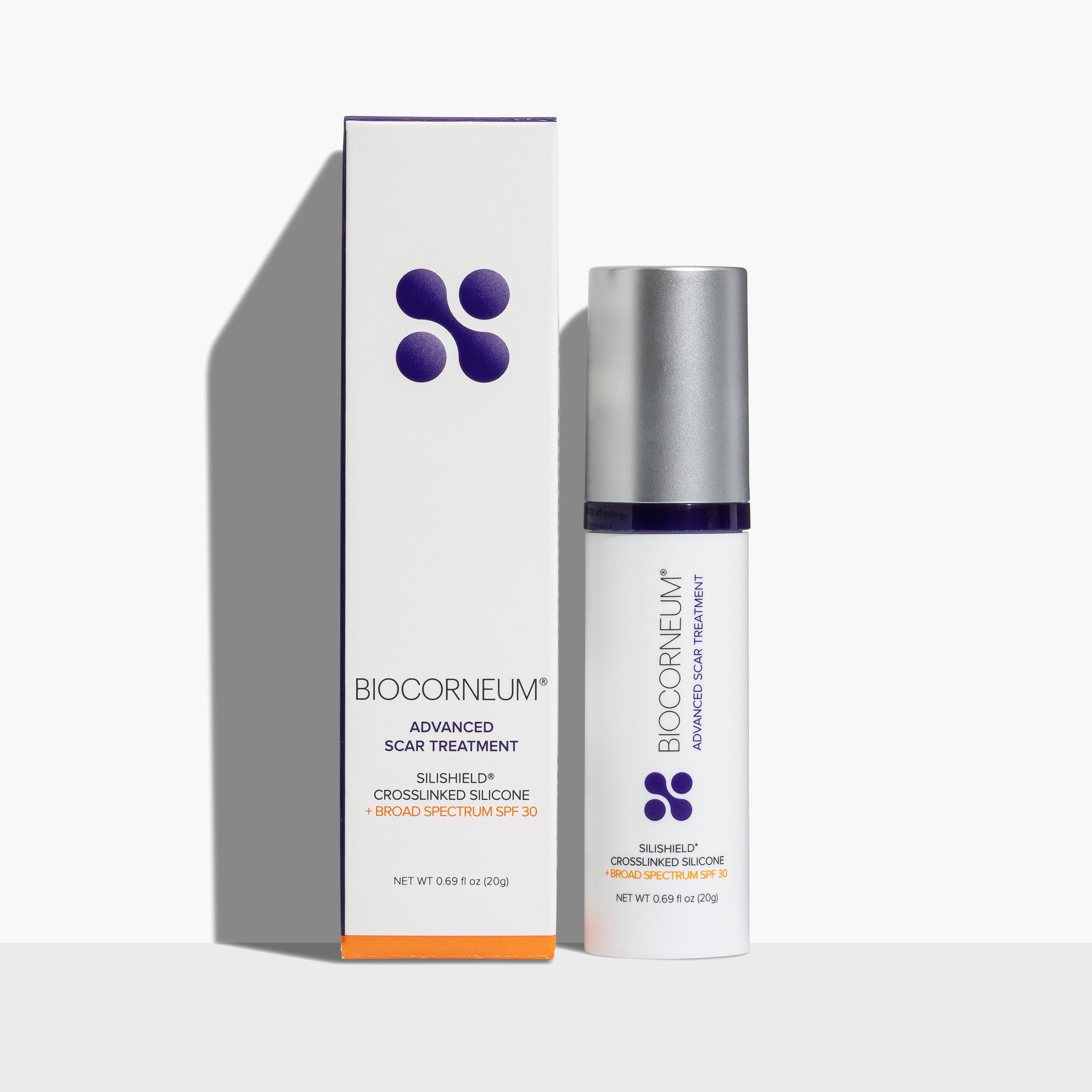
BIOCORNEUM 20g is a silicone scar gel priced at $75. It is intended for scars resulting from surgical and cosmetic procedures, trauma, wounds, and burns.
This positioning may help readers comparing scar gels for active, visible areas. The product page says it is self-adhering, does not require tape, and works well on skin that flexes a lot, such as around joints, irregular surfaces, and large scar areas. It is also described as ideal for the face, neck, chest, hands, and other sun-exposed areas.
The built-in SPF 30 is the clearest point of difference. Newer scars may darken or remain more visibly discolored with ultraviolet exposure, so combining silicone care and daily sun protection can simplify the routine for some users. However, it does not replace broader sun-safe behavior, and it does not mean every scar needs the same plan.
The product page also notes that it can be combined with other treatment options recommended by a physician and that it is suitable for children over 6 months of age.
BIOCORNEUM SiliSilk Advanced Scar Gel, 30g
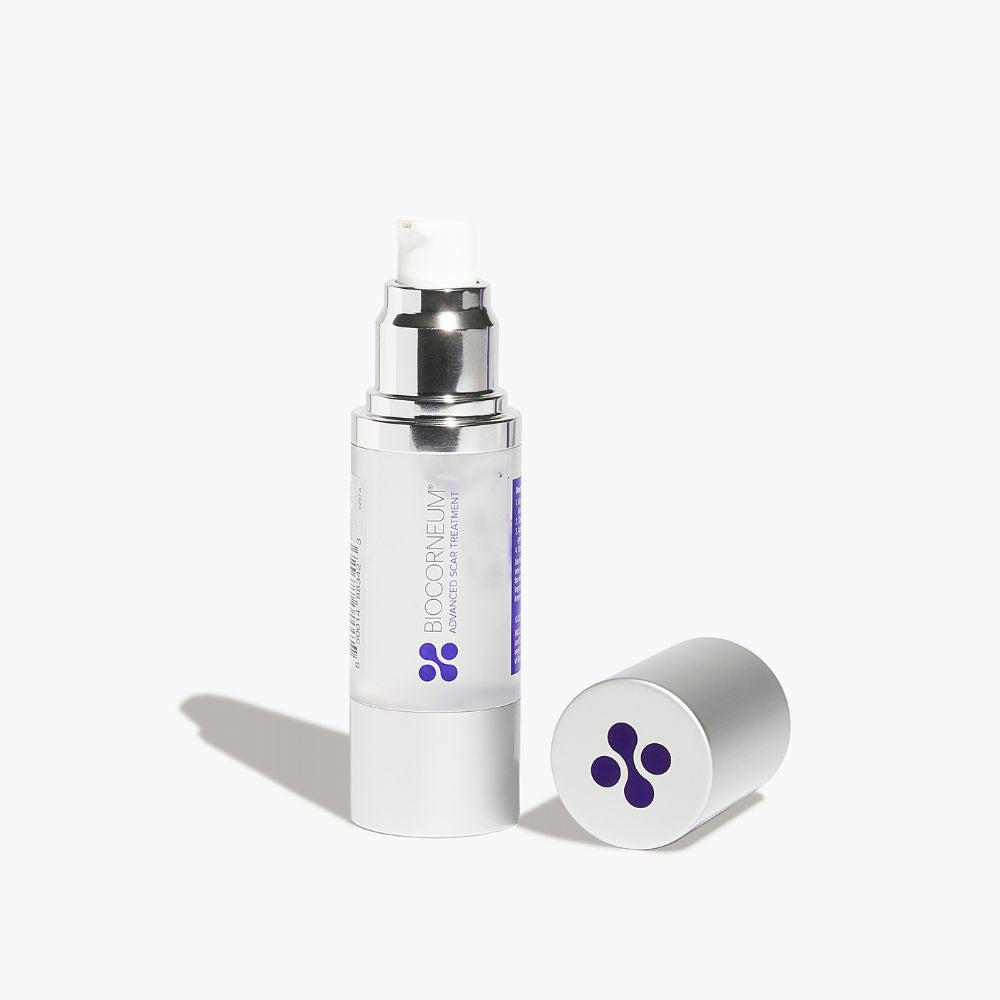
BIOCORNEUM SiliSilk Advanced Scar Gel, 30g is an SPF-free silicone scar gel priced at $84.95.
This option focuses on wearability and texture. The product page describes it as a clear, fast-drying silicone gel with an ultra-smooth, silky finish. It can work under sunscreen, makeup, or on its own during the day or night. It is also presented as water- and sweat-resistant for daily activities and transfer-resistant to clothing and bedding.
That profile may appeal to readers who dislike heavier-feeling scar products or want a formula that slips into an existing skincare routine. In addition, the SPF-free design gives more flexibility if you already use a preferred facial sunscreen and do not want to layer multiple sun-protection products on the same area.
The product page states that silicone is clinically proven to help minimize the appearance of scars and hyperpigmentation while supporting smoother, healthier-looking skin. It also notes a lightweight, non-greasy texture and travel-friendly, TSA-compliant packaging.
If you want a routine-focused overview of this formula, Nuance Medical also has a related article on Introducing SiliSilk™: Everyday Silicone Scar Care, Simplified.
Biocorneum vs Silagen Key Differences
The most meaningful difference is not just brand recognition. It is routine design.
- Sun exposure: BIOCORNEUM 20g includes SPF 30, while BIOCORNEUM SiliSilk is SPF-free.
- Layering style: SiliSilk is specifically described as a base layer or primer under makeup, sunscreen, and skincare.
- Use environment: BIOCORNEUM 20g is presented as ideal for exposed areas like the face, neck, chest, and hands, while SiliSilk is framed as especially suitable for indoor or nighttime use unless paired with separate sunscreen outdoors.
- Texture emphasis: SiliSilk leans heavily into a silky, soft, lightweight feel. BIOCORNEUM 20g emphasizes self-adhering performance and versatility across flexible or irregular surfaces.
- Price point: BIOCORNEUM 20g is listed at $75, while SiliSilk 30g is listed at $84.95.
For readers searching biocorneum vs silagen, these are the factors worth comparing across any silicone gel. Look at whether SPF is integrated, how the film feels once dry, how the product behaves under cosmetics, and whether the routine is realistic for the scar location.
Biocorneum vs Mederma and Other Common Alternatives
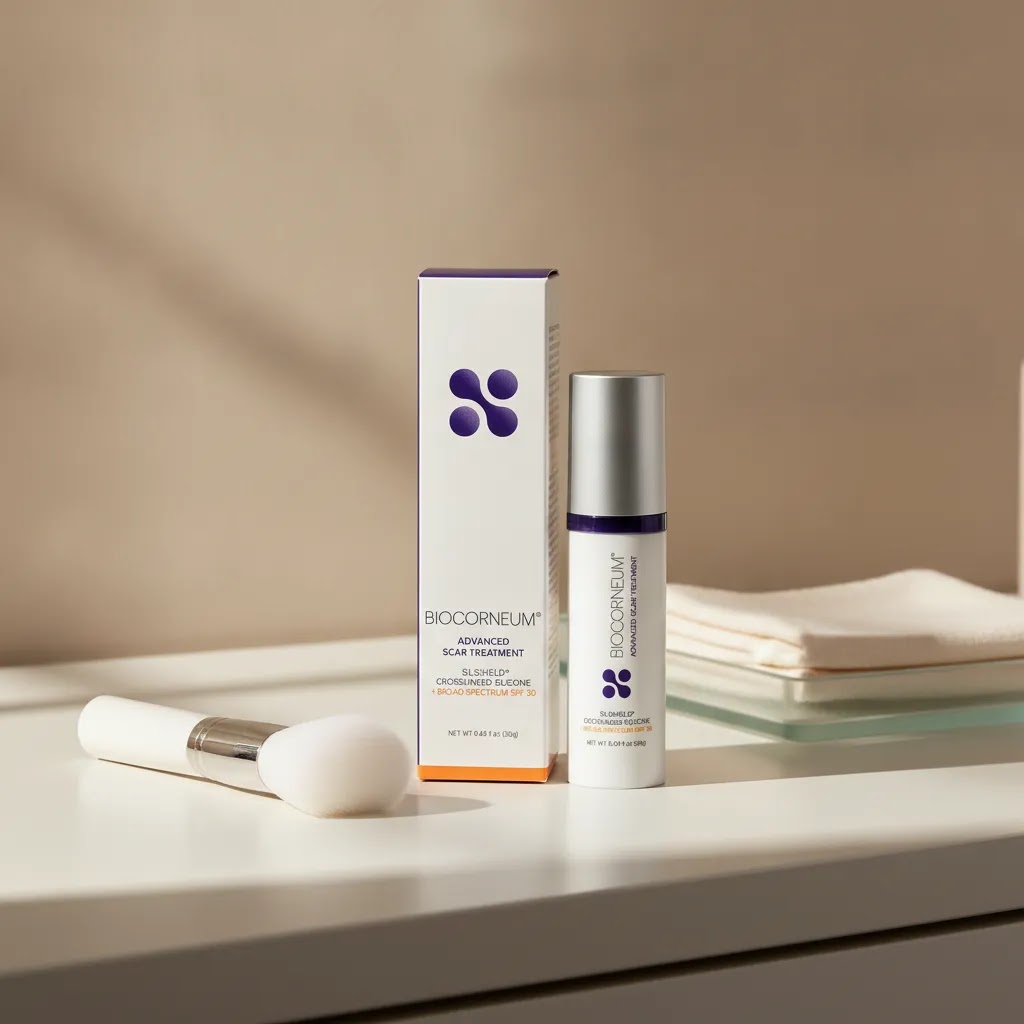
If you started by searching biocorneum vs silagen, you are already looking at silicone-based options. However, many people also compare silicone gels with non-silicone scar gels from the pharmacy, especially onion extract and allantoin formulas like Mederma.
That cross-shopping is common, and it helps to clarify what each product category aims to do. Silicone is widely discussed in scar-management education as a first-line topical approach once the skin fully closes, because it forms a film that supports hydration and reduces water loss at the scar surface. For broader scar care guidance, the American Academy of Dermatology provides a useful overview.
Onion extract and allantoin products are also marketed for scar appearance. Even so, many scar-care discussions and clinical education resources tend to favor silicone as the more consistently recommended starting point after closure. Individual response still varies, and the best plan depends on your scar type, location, and tolerance.
Where each option tends to fit
Think of these categories as formats and habits, not just brands:
- Silicone gels: This is the lane BIOCORNEUM and many Silagen products sit in, along with other commonly referenced silicone gels like Kelo-cote, ScarAway, and NewGel+. These can be a good match if you want a film that dries down and you prefer not to wear a sheet.
- Onion-based gels: Mederma is the best-known example. People often consider it because it is accessible and familiar. If you are choosing between this category and silicone, it helps to focus on what you will use consistently and what your clinician recommends for your specific scar.
- Silicone sheets: Products like Mepiform are frequently used when someone prefers sheet occlusion, or when a sheet can stay in place comfortably on that body area. Sheets can be a good option, but they are not always practical for every location, skin fold, or daily activity level.
Selection cues that matter more than brand
In a consultation, the practical assessment usually starts with what the scar faces every day.
- Friction: Clothing seams, waistbands, bras, athletic wear, and repetitive movement can irritate a scar and also reduce how well a topical film stays in place. A formula that dries well and tolerates movement can be easier to stick with.
- Hydration and occlusion: Silicone works largely by supporting a hydrated scar environment. If your scar gets very dry or feels tight, a silicone-based film may be particularly appealing, assuming your skin tolerates it.
- Sun exposure: UV exposure can contribute to prolonged discoloration in some newer scars. Built-in SPF may simplify routines for exposed areas, while SPF-free options can still work well if you are consistent with separate sunscreen.
- Compliance: Most scar routines require a meaningful window, commonly 8 to 12 weeks or longer. The product you will realistically apply and let dry, morning and night if instructed, often beats the product you use for one week and abandon.
As with any topical, remember that silicone gels, onion extract products, and sheets are not substitutes for medical evaluation if a scar becomes unusually painful, irritated, or slow to settle. A qualified practitioner can help you decide whether a topical fits the situation or whether you should discuss another approach.
If you want a direct pharmacy-category comparison, see our Biocorneum vs Mederma guide.
Which Biocorneum vs Silagen Option Should You Choose?
The best choice usually depends on the scar’s setting, not only the ingredient category.
1. Scar location
Scars on the face, neck, chest, and hands often need more deliberate sun management. In those situations, BIOCORNEUM 20g may be attractive because SPF 30 is already built into the formula. If the area is mostly covered or used indoors, an SPF-free option may be perfectly reasonable.
2. Your sunscreen habits
If you reliably apply a separate sunscreen every day, an SPF-free gel like SiliSilk may fit well. If you prefer fewer steps, a silicone gel with built-in SPF can make adherence easier. As a result, a simpler routine may support better consistency over time.
3. Texture preferences
Some people stop using scar products because they dislike how they feel, how they pill under makeup, or how visible they seem on the skin. A silky, fast-drying finish can matter just as much as the ingredient class if the scar sits on a highly visible area.
4. Daily activity
If the scar is over a flexible area or an irregular surface, BIOCORNEUM 20g has explicit support for those use cases. If you want something described as water- and sweat-resistant with transfer resistance, SiliSilk may be appealing for active daily wear.
5. Comparison with Silagen
If Silagen is still on your shortlist, compare the exact Silagen formula against these same criteria. Look for whether SPF is included, whether the texture is matte or shiny, how it behaves under sunscreen or makeup, and whether instructions differ for wear time or reapplication. General brand-level comparison is less useful than SKU-level comparison.
If your question is less about brand preference and more about visible change over time, the article on biocorneum scar gel before and after may help set more realistic expectations. You can also read How Long does It Take for Scars to Fade for a broader timeline view.
Pros and Considerations
Benefits
- Both confirmed Biocorneum products are silicone-based, which aligns with established scar-management practice once skin is fully closed.
- BIOCORNEUM 20g may simplify care for sun-exposed scars because SPF 30 is included in the formula.
- BIOCORNEUM 20g is described for flexible skin, irregular surfaces, and larger scar areas, which may matter after certain procedures.
- BIOCORNEUM SiliSilk emphasizes a silky, clear, fast-drying finish that may improve comfort and cosmetic wearability.
- SiliSilk is described as compatible with sunscreen, skincare, and cosmetics, which may make it easier to maintain in a daily routine.
- Both products are positioned for post-procedure scar care rather than casual cosmetic use alone, which may appeal to medically focused readers.
Considerations
- Results vary by scar age, location, skin behavior, wound tension, and how consistently the product is used.
- Silicone scar gels are generally started only after the skin surface is fully closed, so timing should be confirmed with a qualified practitioner.
- SPF-free formulas used outdoors may require a separate sunscreen step, which can affect convenience and adherence.
- Some readers searching for Silagen comparisons may need exact product-level information before a true one-to-one verdict is possible.
- Any topical product can cause irritation in some individuals, especially on sensitive or recently healed skin.
Product Authenticity and Where to Buy
One of the most common follow-up questions in scar gel research is simple: “How do I know I’m buying the real product?” That concern is reasonable, especially when popular medical and skincare items are sold through large marketplaces where seller and storage conditions can vary.
Practical ways to reduce authenticity risk
You do not need to panic, but it helps to stay methodical. A few steps can reduce the chance of receiving expired, mishandled, or counterfeit product:
- Check who the seller is: Look for listings sold by the brand itself or by clearly identified authorized retailers, rather than unknown third-party sellers.
- Review packaging details: When your product arrives, inspect packaging quality, seals (if applicable), and whether lot numbers and expiration dates are present and readable.
- Confirm return policies: Reputable sellers typically have clear return or exchange options. If a listing has confusing policies or restrictions, that is useful information before purchasing.
- Be cautious with unusually low prices: Deep discounts are not always a red flag, but they should prompt a little more diligence about the seller and product condition.
What “medical-grade” does and does not mean
“Medical-grade” often signals that clinicians commonly recommend a product, that it is made to certain quality standards, or that it is intended for post-procedure use. It does not automatically mean a product is FDA-approved for a specific individual outcome, and it does not guarantee results.
What it can signal is that buying through reputable channels matters. Storage conditions, expiration, and handling can affect product performance and tolerability.
What to do if a product seems off or causes irritation
If a gel has an unexpected odor, texture, or appearance, or if your skin becomes increasingly irritated, stop using it and contact the seller or manufacturer for guidance. As with any topical used on recently healed skin, it is also reasonable to check in with a qualified clinician if you are unsure whether what you are experiencing is expected or whether the area is ready for continued topical use.
Nuance Medical Perspective on Biocorneum vs Silagen
Nuance Medical’s educational approach fits this kind of comparison well because scar care decisions are usually more nuanced than asking which brand is best. The better question is which silicone routine you are most likely to use correctly and consistently once your practitioner confirms the area is ready.
For one person, that may mean built-in SPF. For another, it may mean an SPF-free, makeup-friendly finish.
If you are exploring silicone scar care in more detail, Nuance Medical also publishes supporting education such as BIOCORNEUM® SiliSilk™ Wins NewBeauty Award for Best Scar Gel. Readers who want a full category view can continue browsing the Scar Treatment & Skincare section and compare scar gels, sheets, and adjacent recovery products in context. The goal is not pressure. It is helping you match the format to the scar, your routine, and your preferences with realistic expectations.
Frequently Asked Questions
Is Biocorneum better than Silagen?
Neither is universally better. The more useful comparison is formula against formula, based on SPF needs, texture, wearability, and scar location. A product that fits your daily routine and your practitioner’s guidance may be the better choice for you, even if another option looks stronger on paper.
What makes BIOCORNEUM 20g different from BIOCORNEUM SiliSilk?
BIOCORNEUM 20g includes SPF 30, while BIOCORNEUM SiliSilk is SPF-free. BIOCORNEUM 20g is described for sun-exposed and flexible areas, while SiliSilk focuses more on a silky finish, layering under skincare or makeup, and comfortable cosmetic wear.
Can I use silicone scar gel on a fresh incision?
Usually not until the skin is fully closed, but the right timing can vary by procedure and healing progress. Applying a scar gel too early may irritate healing tissue or interfere with your aftercare plan. Your surgeon or qualified clinician should confirm when the site is ready.
Does SPF really matter in scar care?
Yes, SPF can matter, especially for newer or visible scars exposed to daylight. Ultraviolet exposure may contribute to prolonged discoloration in some scars. A scar gel with built-in SPF may be convenient, while an SPF-free gel may still work well if you are consistent with separate sunscreen.
How long does it take to see improvement from silicone scar gel?
Scar change is usually gradual and often measured in weeks to months rather than days. Some people notice improvements in texture or overall appearance sooner than others, but results vary widely. Scar biology, location, tension, and consistency of use all influence the timeline.
Can silicone scar gel help older scars too?
It may help improve the appearance of some older scars, although newer scars often get the most attention in routine scar management. Older scars can behave differently and may respond less dramatically. Expectations should stay realistic, and some scars may need a broader treatment discussion with a qualified professional.
Is silicone scar gel safe for sensitive skin?
Many people tolerate silicone gels well, but no topical product is suitable for every individual. Sensitive skin, recent procedures, or irritation history may affect how a product feels or whether it is appropriate. Patch testing or clinician guidance may be useful if you are concerned.
What is the highest rated scar gel?
“Highest rated” depends on where ratings are collected and what people value, like texture, dry time, or whether it layers under makeup. Clinically, silicone-based gels and sheets are commonly recommended once the skin is fully closed, but individual preferences and skin tolerance still matter. A qualified practitioner can help you choose a format you can use consistently for an appropriate time window.
Is BIOCORNEUM the best scar cream?
BIOCORNEUM is a silicone scar gel, and whether it is “best” depends on your scar location, sun exposure, and how the formula fits your routine. The SPF 30 version can be appealing for exposed areas, while SPF-free options may be better for those layering their own sunscreen or makeup. Results vary, and your clinician should confirm timing and suitability.
Is Silagen the best scar gel?
Silagen can be a strong option in the silicone category, but “best” is still a formula-by-formula question. The most meaningful comparisons are SPF needs, finish, wearability, and whether the instructions fit what you can do consistently for weeks. If you are deciding between products, reviewing the exact Silagen SKU with a qualified practitioner is more reliable than comparing at the brand level.
Is BIOCORNEUM on Amazon real or fake?
It can be real or it can be problematic, depending on who the seller is and how the product was stored and handled. Checking whether the seller appears authorized, reviewing packaging integrity, and confirming lot and expiration information can reduce risk. If anything seems off or causes irritation, stop use and contact the seller or manufacturer, and consider checking in with a qualified clinician if you are unsure.
Key Takeaways
- Biocorneum vs Silagen is most useful as a routine and formulation comparison, not a search for a miracle product.
- BIOCORNEUM 20g is the stronger match for readers prioritizing integrated SPF 30 on exposed scars.
- BIOCORNEUM SiliSilk may suit those who want an SPF-free, silky formula that layers neatly with skincare, sunscreen, or makeup.
- Silicone scar care is typically used only after the skin has fully closed, and results vary by individual.
- The best scar product is often the one that matches your scar location, lifestyle, and clinician guidance well enough to use consistently.
Conclusion
Biocorneum vs Silagen is not a one-line answer because scar care depends on context. The most practical decision points are whether you want built-in SPF, how the formula feels on the skin, how visible the scar is in daily life, and whether the product fits the routine you can realistically maintain.
Among the confirmed options reviewed here, BIOCORNEUM 20g and BIOCORNEUM SiliSilk serve slightly different priorities rather than acting as direct duplicates. If your scar is new, visible, or part of a post-procedure recovery plan, get individualized guidance before starting any product. Nuance Medical’s educational resources can help you compare formats thoughtfully and move forward with a calmer, more informed plan.
Medical Disclaimer: The information provided in this article is intended for general informational and educational purposes only. It does not constitute medical advice and should not be used as a substitute for a professional consultation with a qualified aesthetic practitioner or healthcare provider. Individual results from aesthetic treatments vary. Always seek the advice of a qualified medical professional before undergoing any cosmetic procedure.