
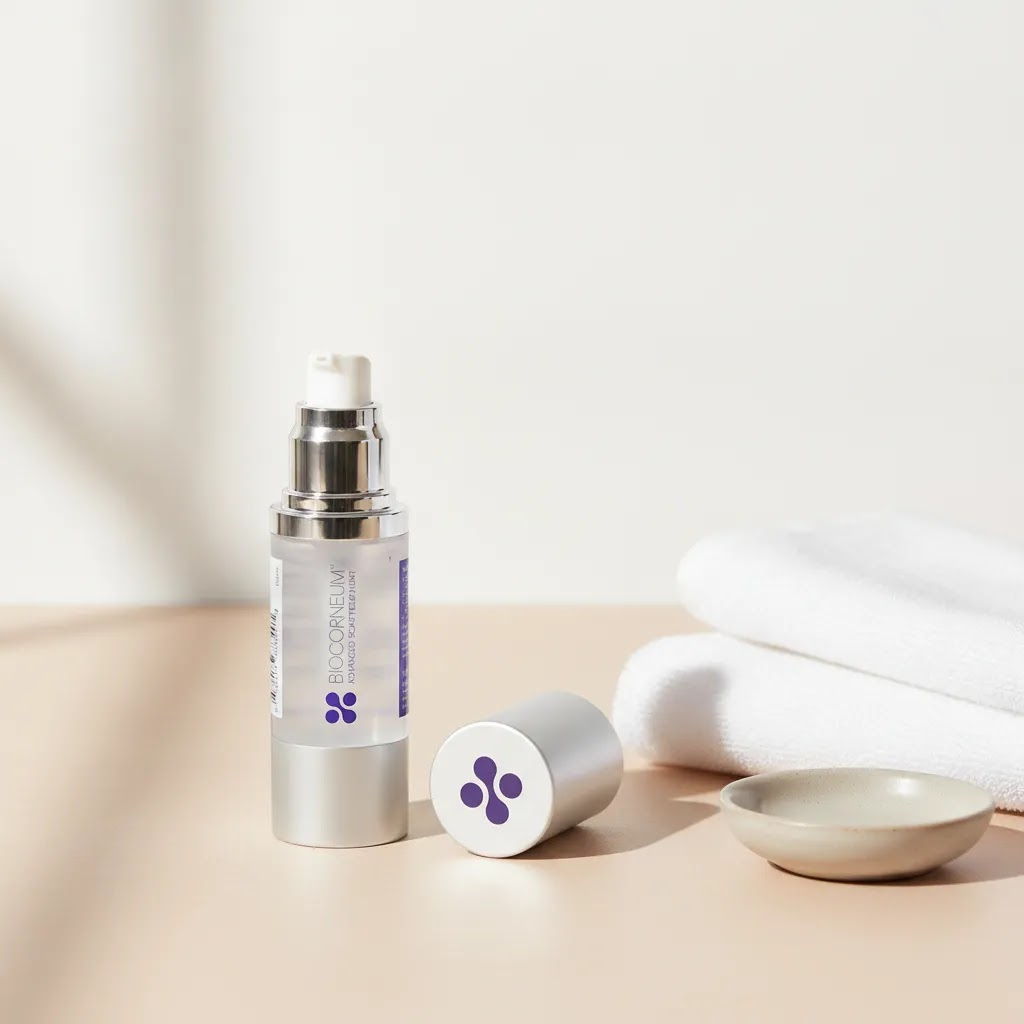
Why the gel format matters on difficult scar areas
Flat silicone sheets can be a useful option, but they are not ideal for every scar. The problem is usually not the ingredient. It is the shape of the body and the reality of movement.
A scar on the chin, around the mouth, near the collarbone, on the fingers, over the knee, or across the upper chest may face frequent motion, sweat, clothing friction, and changing contours. In those settings, a spreadable silicone gel may feel easier to apply and maintain. You do not need to trim, place, and keep a sheet aligned all day. Instead, you apply a thin layer where the scar sits and let it dry.
That practical difference matters because scar care often works best with consistent use over time. If a format feels inconvenient, many people stop using it regularly. By comparison, a gel may fit more naturally into a morning and evening routine, especially on visible areas where people also wear sunscreen, cosmetics, or both.
How biodermis scar gel supports scar care
Clinicians widely recognize silicone in scar management because it helps create a protective layer over the scar. That layer may support hydration balance and help limit excessive water loss from the skin surface. Scar tissue often behaves differently from surrounding skin. Therefore, keeping the surface environment stable can support a thoughtful scar routine.
That does not mean a gel removes a scar. It does not. Realistic scar care focuses on improvement, not erasure. Many people use silicone products to help a scar look flatter, smoother, or less noticeable over time. Some products also describe support for the appearance of hyperpigmentation, which means darker discoloration that can remain after healing.
If you are comparing formats, a useful companion read is biodermis scar sheets, which looks at situations where a sheet may still make more sense than a gel. You can also compare this format with biocorneum scar gel if you want a closer look at product positioning.
What affects results most: scar type, location, and daily exposures (friction, hydration, sun)
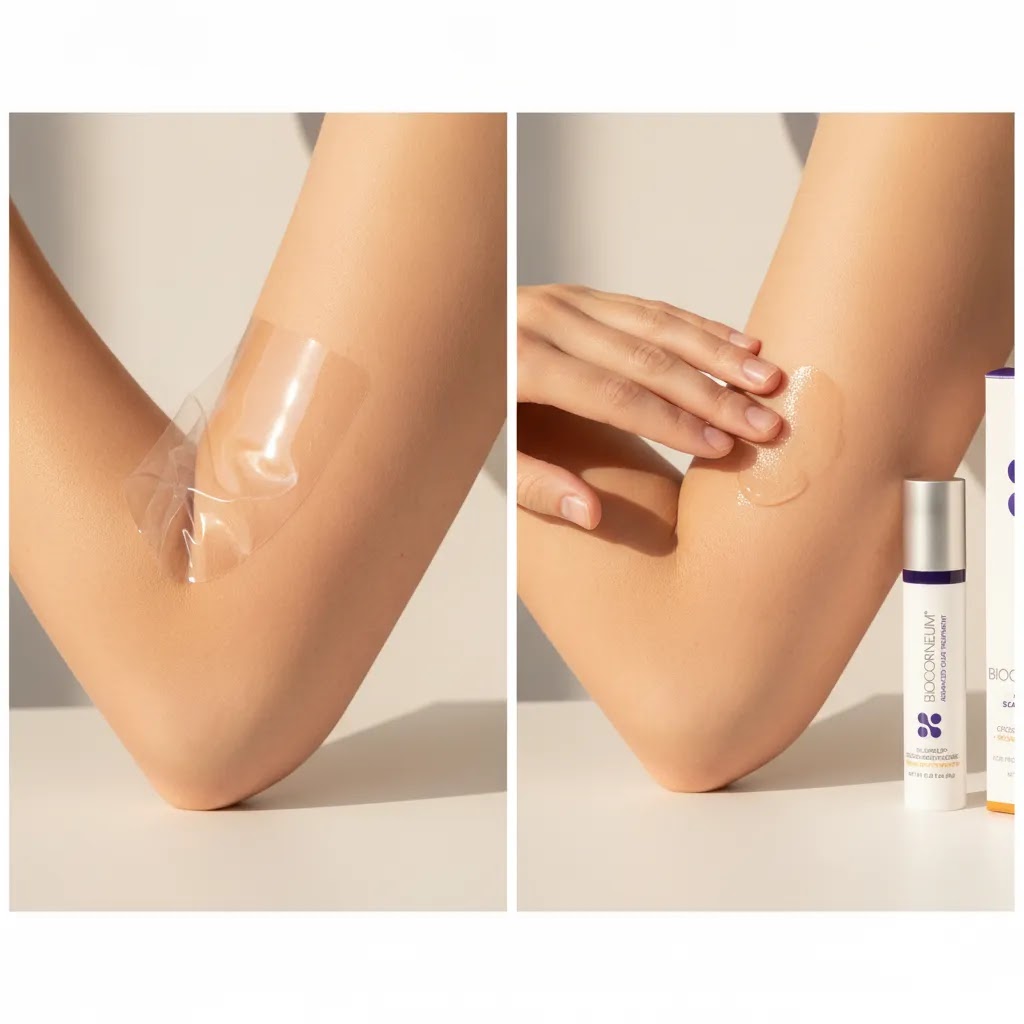
Here’s the thing: silicone gel can help, but the biggest drivers of visible change are often the scar’s biology and the day-to-day conditions around it. Two people can use the same product consistently and still see different outcomes.
A few variables tend to matter most:
Scar pattern: flat, hypertrophic, or keloid-prone
Some scars stay relatively flat as they mature. Others become raised, firm, or thickened. Clinicians often call raised scars hypertrophic when they stay within the original injury line. They call them keloid scars when they extend beyond it. If you or your family tend toward raised scarring, you may need closer guidance on what is realistic and which supportive steps make sense. Topical silicone may support appearance in many cases. However, raised scars can be stubborn, and management may involve more than one strategy.
Location and tension: where the skin is pulling or moving
Mechanical tension strongly influences scar behavior. Areas like the chest, shoulders, upper back, and jawline are common high-tension zones where scars may look more noticeable. Scars over joints and highly mobile areas, such as fingers, knees, elbows, and parts of the neck, also face repeated stretching. In practice, you can do everything right and still have a scar that takes longer to settle because the area keeps moving.
Daily exposures: friction, moisture balance, and sun
Many patients overlook how much simple, repeated rubbing can affect a new scar. Tight collars, bra straps, waistbands, backpack straps, shaving, and even frequent touching can create friction and keep the area irritated. If you use gel on a spot that rubs against clothing, let it dry fully and use only a thin layer. That can make it feel more comfortable and reduce product transfer.
Hydration balance matters too. People often use silicone products to support a stable surface environment. However, over-applying the product, applying it to damp skin, or layering too quickly can feel sticky and make friction worse. A thin, fully dried layer is usually more workable than a thick one.
Sun exposure is one of the most common reasons a newer scar stays darker for longer than expected. Fresh scars can react more to UV exposure, and discoloration can linger. Using sun protection on exposed scars is often a practical, high-impact step alongside any topical routine, especially during the early months. For more background, the American Academy of Dermatology discusses scar treatment options, and the AAD sunscreen guidance explains why sun protection matters.
New versus old scars
Newer scars are usually still in an active remodeling phase. That means the scar’s color, thickness, and texture can continue to shift over time. That is often when consistent, simple routines are most noticeable. Older, fully matured scars can still change, but progress is often slower and more modest. If you are treating an older scar, the goal is usually gradual refinement rather than a dramatic transformation.
Biodermis scar gel products to know
The Biodermis range includes several gel-based scar care options. The main differences are format, texture, and size. Those details can affect how practical the product feels in your daily life.
| Product | Size | Format | Notable details stated in this article | Price |
|---|---|---|---|---|
| BIOCORNEUM SiliSilk Advanced Scar Gel | 30g | Gel | Clear, fast-drying, ultra-smooth finish; lightweight, non-greasy, water- and sweat-resistant; suitable under sunscreen or makeup | $84.95 |
| BIOCORNEUM | 10g | Gel | Self-adhering, no tape, ideal for flexible, irregular, and sun-exposed areas | $55 |
| BIOCORNEUM | 20g | Gel | Same stated use categories as 10g version; more quantity for broader areas | $75 |
| BIOCORNEUM | 50g | Gel | Larger-volume version for large scar areas, irregular surfaces, and skin that flexes often | $130 |
| Pro-Sil | 17g | Stick | Glide-on applicator; compact; several times daily over 8 to 12 weeks or until the scar stops responding | $76.95 |
BIOCORNEUM SiliSilk Advanced Scar Gel, 30g
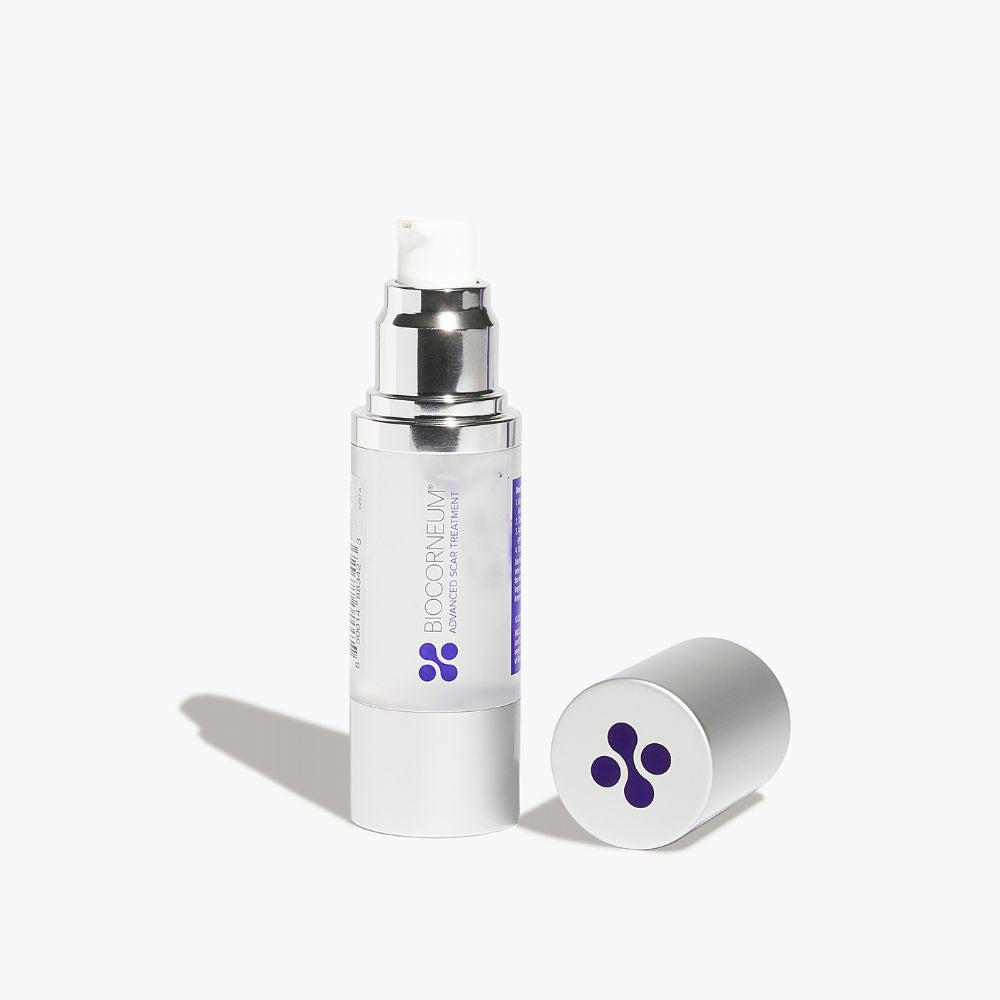
Price: $84.95
BIOCORNEUM SiliSilk Advanced Scar Gel, 30g is a scar care gel with a clear, fast-drying silicone formula and an ultra-smooth finish. The product page describes it as light
weight, non-greasy, water- and sweat-resistant, and suitable for use under sunscreen or makeup.
This makes it especially relevant for scars on exposed areas where a sheet may feel too visible or awkward. If your goal is a scar routine that fits everyday skincare, this option may be one of the most adaptable choices in the group.
BIOCORNEUM 10g
Price: $55
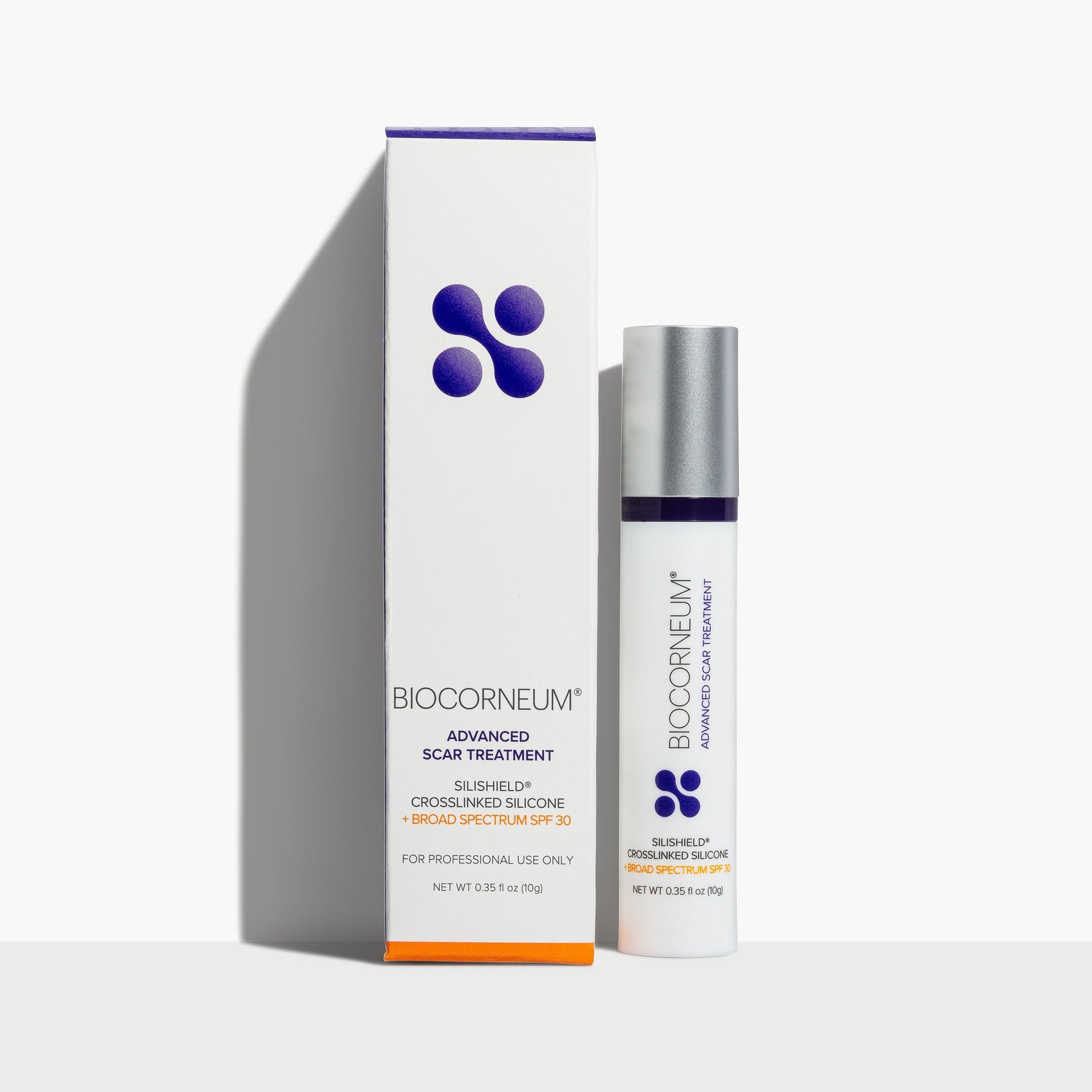
BIOCORNEUM 10g is a silicone scar gel presented as an option for scars from surgical and cosmetic procedures, trauma, wounds, and burns. The product information states that it is self-
adhering, requires no tape, and is ideal for areas that flex a lot, irregular surfaces, and areas exposed to the sun such as the face, neck, chest, and hands.
For a smaller scar or a more targeted application plan, the 10g size may be appealing. It fits the article topic well because gel is often most valuable where taping or fixed dressings become impractical.
BIOCORNEUM 20g
Price: $75
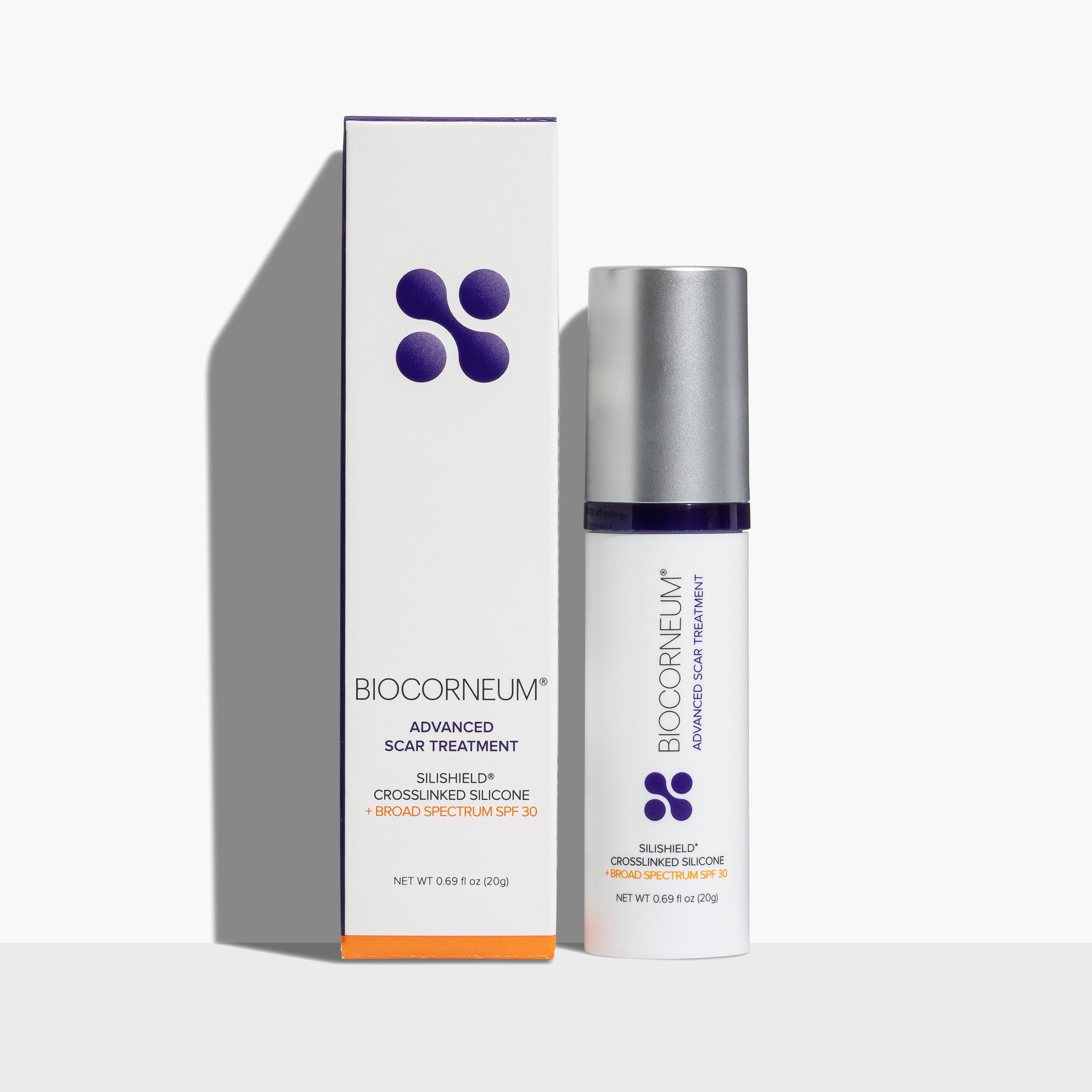
BIOCORNEUM 20g offers the same stated use categories as the 10g version, including scars on flexible or irregular surfaces and exposed sites. The difference is mainly quantity, which may matter if you are treating a moderately sized scar or expect to use the product over a broader area.
This size can make sense for people who want the same gel format but expect a longer routine or more generous coverage. It stays closely aligned with the needs of scars that are hard to manage with sheet prod
ucts alone.
BIOCORNEUM 50g
Price: $130
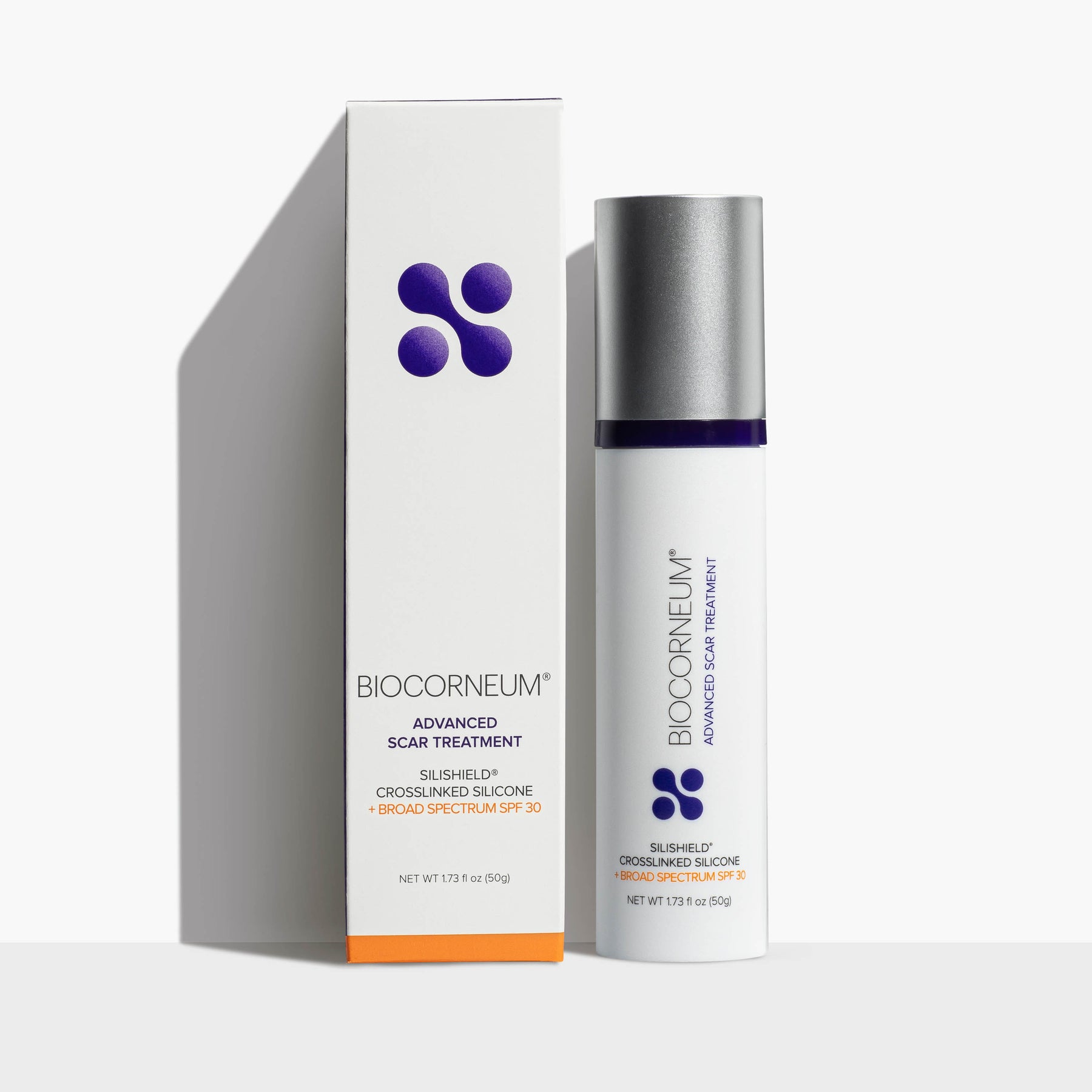
BIOCORNEUM 50g is the larger-volume version of the same silicone scar gel line. Product information highlights use on large scar areas, irregular surfaces, and skin that flexes often, while still noting compatibility with other physician-recommended options.
If your scar covers more surface area, or if you are caring for more than one scar, the 50g size may be more practical than repurchasing smaller tubes. In this article’s context, it reflects one of the main strengths of gel: easier coverage across places where body shape and motion complicate sheet wear.
Pro-Sil 17g
Price: $76.95
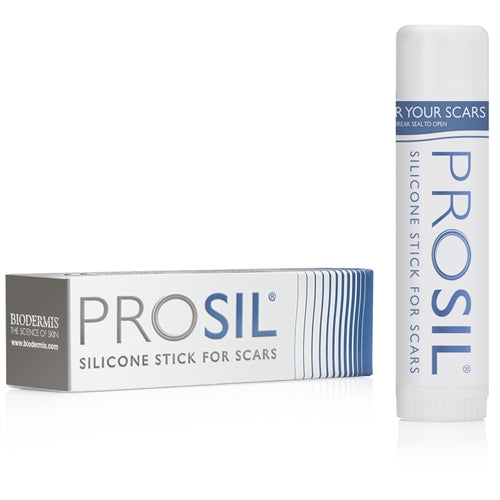
Pro-Sil 17g is a silicone scar treatment stick with a glide-on applicator. The product page emphasizes its compact design, ease of storage in a purse or pocket, and application several times daily over 8 to 12 weeks or until the scar stops responding.
This format may appeal to people who dislike squeezing gel from a tube or want more controlled, portable application. For small, visible, or on-the-go areas, a stick can sometimes turn an inconsistent routine into a manageable one.
Biodermis scar gel versus sheets for real-world scar routines
People often ask whether gel is better than sheets. The better question is which format is more usable for your scar location and daily habits.
- Gel may suit curved or uneven surfaces more easily.
- Gel may be easier on highly visible areas if you want something discreet.
- Sheets may suit flatter areas where coverage can stay in place more predictably.
- Gel may feel simpler around joints or mobile facial areas.
- Sheets may appeal to people who prefer a physical dressing-style approach.
If your scar sits in a narrow linear area, another related format is discussed in biodermis epi-derm c-strip silicone. That can help you compare where a strip-style sheet may still have a role.
For many readers, the choice is not philosophical. It is logistical. If one option is much easier to keep using, that practical advantage may matter more than theoretical preferences. If you want a broader comparison, see our guide to biodermis silicone scar sheets.
Silicone gel versus “onion extract” scar gels: what the evidence tends to support
Consider this: “scar gel” is a category label, not a single ingredient. Many over-the-counter scar gels are built around onion extract, often listed as Allium cepa. Some pair it with ingredients like allantoin. Those formulas are common in drugstore scar products, so it is normal to wonder whether they compare to silicone.
In most clinical scar care conversations, silicone tends to be the topical category discussed most consistently for supporting scar appearance. That does not mean every silicone product works the same way for every person. It also does not mean other ingredients are useless. It simply means silicone has a longer track record in scar management discussions and appears often in post-procedure routines.
What many patients overlook is that scars also improve naturally with time. So when people try one product for a few weeks and see change, it can be hard to separate the product effect from normal scar maturation. As a result, consistency and good scar habits often matter more than chasing a single miracle ingredient.
A practical way to choose between scar gel types
- Check the active category: silicone-based gel versus onion extract based gel, or a formula that includes both.
- Choose what you can use consistently: a gel, a stick, or a sheet that realistically fits your schedule and the scar’s location.
- Prioritize tolerance: if you notice redness, itching, burning, or persistent irritation, stop and ask a qualified clinician what to do next.
- Think about the scar’s pattern: if the scar is raised, thickening, or extending beyond the original area, it is worth getting professional guidance early rather than relying only on an over-the-counter product.
- Plan for sun protection on exposed scars: regardless of ingredient, UV exposure can prolong visible discoloration.
Product claims deserve a measured approach. Many scar products use confident language, but real-world results depend on scar type, location, and how faithfully you follow the routine. If you are comparing brands, our mederma vs biocorneum article may also help.
Who may prefer a biodermis scar gel approach
A gel format may be worth exploring if your scar is on the face, neck, chest, hands, or another exposed area where you want scar care to fit under daily products. Some Biodermis gel products specifically describe compatibility with sun-exposed areas, and SiliSilk is described as workable under sunscreen or makeup.
Gel may also appeal if your scar crosses an area that bends or stretches often. A fixed sheet can sometimes feel like one more thing to manage during normal movement. By contrast, a dried gel layer may feel less conspicuous.
Parents may notice that some BIOCORNEUM product pages state suitability for children over 6 months, but treatment decisions for children should always involve a qualified clinician. Adults recovering from surgery, cosmetic procedures, burns, or injury may also ask whether older scars are worth treating. Product pages for BIOCORNEUM state use on old or new scars, but the degree of visible change can still vary quite a bit from one person to another.
How to use biodermis scar gel well without overcomplicating it
Scar routines tend to work better when they are simple enough to repeat. That is one reason gel products have staying power in everyday scar care.
Most silicone scar products are used on clean, dry skin. Pro-Sil 17g specifically instructs users to clean and dry the scar site before each application and repeat several times daily for 8 to 12 weeks or until the scar stops responding. Individual products may differ, so follow the directions for the exact item you choose.
- Apply only to intact, healed skin unless your clinician has advised otherwise.
- Use the product consistently rather than applying heavily once in a while.
- Let the product settle properly before layering clothing, sunscreen, or makeup.
- Watch for irritation or discomfort and seek professional advice if it occurs.
- Stay realistic, scar care usually takes time rather than days.
If you are browsing the wider Scar Treatment & Skincare category, you will see that format choice is often just as important as active ingredient choice. You may also find our guide on how long does it take for scars to fade helpful for setting expectations.
When to start using silicone scar gel, and what “healed skin” really means
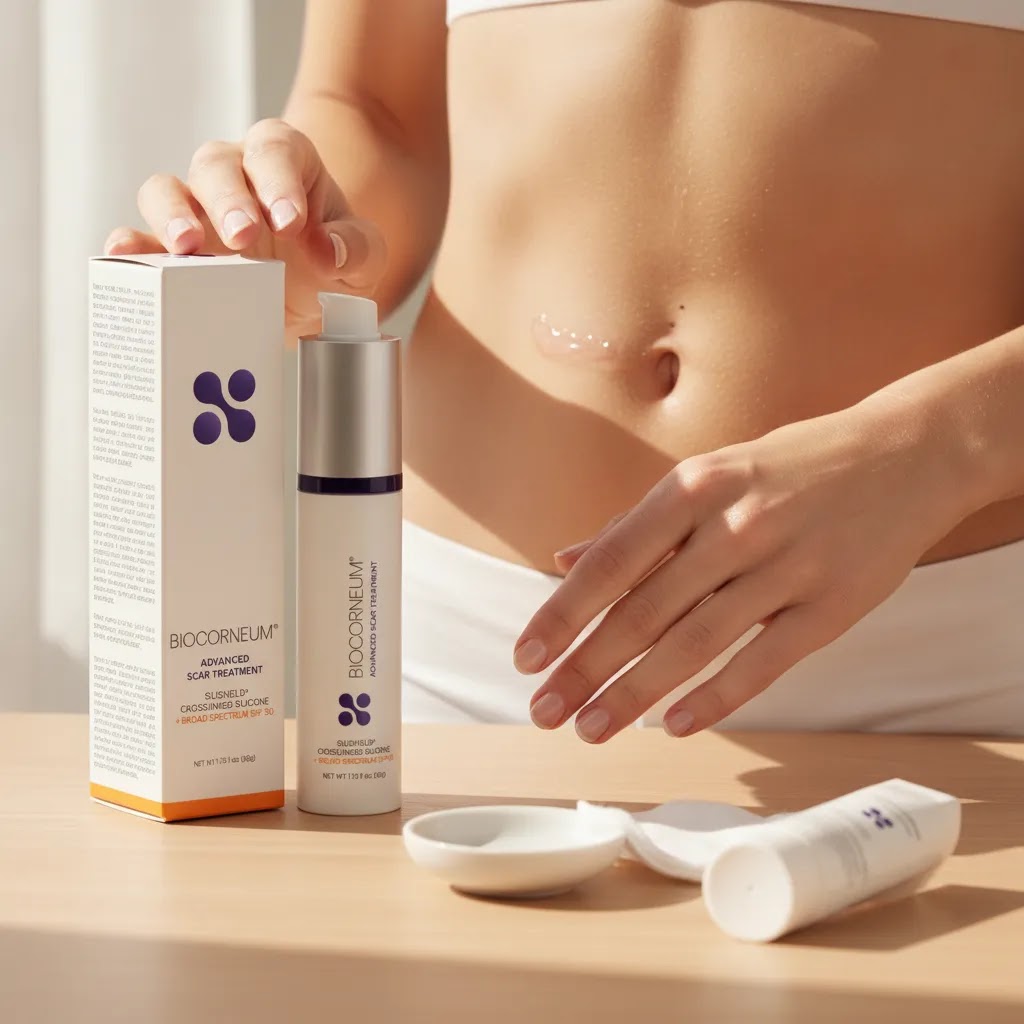
The most common timing mistake with scar gel is starting too early. Silicone gels are generally intended for closed, fully healed skin. That means no open areas, no drainage, no active bleeding, and no scabbing that is still coming and going. If the surface has not fully closed, a topical film can trap moisture in the wrong way, irritate the area, or complicate healing.
There is the initial wound healing phase, and then there is scar remodeling. Silicone gel is typically used during the remodeling phase, once the skin surface has sealed. Therefore, surgeon or clinician guidance should lead, especially after procedures, burns, or more complex injuries.
A simple stage-based framework many patients find useful
Immediate post-procedure or early healing: this is the period when you focus on wound care instructions, keep the area clean, and protect it as directed. At this stage, you are not trying to treat the scar yet. You are trying to heal the skin properly.
After closure, once the skin is intact: this is often when silicone gel routines begin. You want the area clean and dry, then apply a thin layer and let it dry fully. If your clinician gives specific timing, follow that rather than a generic timeline.
Remodeling phase (often most active in the first 8 to 12 weeks): scars can continue changing for months, but many routines emphasize the early remodeling window because this is when scars actively reorganize collagen and change in texture and color. In practice, consistent daily habits during that window may matter more than switching between products.
If you are unsure whether a scar is ready for gel, ask the clinician who treated you or another qualified medical professional who can look at the area. A two-minute check can prevent weeks of irritation or mixed results from starting at the wrong time.
Where Nuance Medical fits into the conversation
Nuance Medical offers a range of scar care and medical supply categories, including B2B Medical Supply and scar-focused resources that support both patient education and clinical use. For readers who want a medically grounded place to start, that broader context can be useful.
The company also publishes educational updates such as Introducing SiliSilk™: Everyday Silicone Scar Care, Simplified and BIOCORNEUM® SiliSilk™ Wins NewBeauty Award for Best Scar Gel, which help readers understand how these products are positioned within the brand’s scar care portfolio.
If you are unsure whether a gel, stick, or sheet makes more sense for your scar, a qualified clinic or medically informed team can help you match the format to the location, maturity, and practical demands of your healing process. That kind of guidance is often more valuable than chasing a product that sounds impressive but does not fit your real routine.
Medical Disclaimer: This article is intended for informational and educational purposes only. It does not constitute medical advice and should not be used as a substitute for professional consultation with a qualified medical or aesthetic practitioner. Individual results vary. Always seek the guidance of a licensed healthcare professional before pursuing any aesthetic treatment.
Frequently Asked Questions
What is biodermis scar gel used for?
Biodermis scar gel products are used as silicone-based scar care options for scars related to surgery, cosmetic procedures, trauma, wounds, and, in some product descriptions, burns. The goal is not to erase a scar but to support a better healing environment and potentially improve how the scar looks and feels over time. Different products within the range may be more suitable for different routines, especially if the scar is on a visible, curved, or frequently moving part of the body. Reading the directions for the exact product matters because format and use instructions can vary.
Why would someone choose scar gel instead of silicone sheets?
Many people choose gel because their scar is in a place where a sheet is inconvenient. Facial contours, neck creases, collarbone areas, fingers, knees, and other mobile zones can be difficult to cover with a flat dressing. A gel may be easier to spread over irregular surfaces and can feel less noticeable during normal daily activity. Some products are also described as suitable under sunscreen or makeup, which may matter for exposed areas. Sheets still have a place, but gel often wins on convenience when body shape and movement make sheet wear hard to maintain.
Can biodermis scar gel remove a scar completely?
No non-surgical topical product should be framed as completely removing a scar, and the product information for Pro-Sil directly pushes back against scar removal claims. Scar care is usually about improvement in appearance and surface quality, not total disappearance. Some people may notice a scar becomes less prominent, smoother, or easier to blend visually with surrounding skin over time. Others may see more modest change. The age of the scar, its location, your skin characteristics, and how consistently the product is used can all influence what kind of improvement is realistic.
Is BIOCORNEUM SiliSilk the same as other BIOCORNEUM products?
They are related, but not identical in presentation. BIOCORNEUM SiliSilk Advanced Scar Gel, 30g is described with an SPF-free, silky, fast-drying formula that works under sunscreen or makeup and has a water- and sweat-resistant finish. The BIOCORNEUM 10g, 20g, and 50g product pages emphasize self-adhering scar care for flexible, irregular, and sun-exposed areas, plus suitability across a range of scar types. The core scar-care concept overlaps, but the texture, positioning, and size options can shape which product feels most practical for your routine.
Which biodermis scar gel size should I choose?
The answer usually depends on the scar’s size, location, and how long you expect to use the product. A smaller tube may make sense for a short, targeted scar or for trying a gel format before committing to a larger amount. A medium or large size may be more practical for broader scars, more than one scar, or a routine you expect to maintain over time. The product pages do not prescribe one universal choice. They present different size options so users can match quantity to their actual use pattern rather than buying more than they need.
Is Pro-Sil 17g better for small areas?
Pro-Sil 17g may appeal to people treating smaller or more precise areas because it uses a glide-on stick applicator rather than a squeeze tube. The product page highlights its compact storage and convenience, which can be helpful if you want to reapply during the day without dealing with drips or leaks. That does not automatically make it better for everyone. Some people prefer the feel and spread of a tube gel. Others like the control of a stick format, especially for visible scars or situations where portability matters.
Can you use biodermis scar gel under sunscreen or makeup?
For BIOCORNEUM SiliSilk Advanced Scar Gel, 30g, the product page specifically states that it works under sunscreen, makeup, or on its own and describes it as a clear, fast-drying formula. That may make it a practical option for daytime use on exposed areas. Not every product page provides the same wording, so it is wise to follow the instructions for the exact item you are using. If layering products, allow the scar gel to dry properly first. That simple step may make the routine more comfortable and help avoid pilling or uneven product wear.
How long does scar gel usually need to be used?
Scar care usually requires patience. Pro-Sil 17g states repeated use several times daily for 8 to 12 weeks or until the scar stops responding. That gives a reasonable sense of the time horizon many people should expect with silicone-based topical routines. Visible change may happen gradually rather than all at once. Some scars continue evolving for months, especially after surgery or injury. If you stop too early because the area looks only slightly improved, you may not give the product enough time to show its full potential within normal healing limits.
Is biodermis scar gel only for new scars?
No. BIOCORNEUM product information states that it can be effective on old or new scars. Still, older scars may behave differently from newer ones, and expectations should stay realistic. A mature scar that has been present for a long time may not respond in the same way as a more recent scar that is still actively remodeling. That does not mean older scars are untreatable. It simply means the degree and speed of improvement can differ. A clinician can help you decide whether topical scar care alone makes sense or whether other options are worth discussing.
Is biodermis scar gel appropriate for children?
Some BIOCORNEUM product pages state suitability for children over the age of 6 months. That is product-specific information, not a universal recommendation for every child or every scar. Pediatric scar care deserves extra caution because skin sensitivity, scar type, and underlying medical context all matter. If you are considering a scar product for a child, speaking with a qualified healthcare professional is the safest next step. They can help you decide whether a silicone gel is appropriate, when to start, and how to use it in a way that supports healing rather than complicating it.
What scar gel do plastic surgeons recommend?
Many plastic surgeons and dermatology clinicians commonly discuss silicone-based scar gels and sheets as a practical, non-invasive option during scar remodeling, once the skin is fully healed. Specific recommendations can vary by procedure, location, and your personal scarring tendency. The most reliable approach is to ask the clinician who performed your procedure what they recommend for your scar and when to start, especially if you have a history of raised scars.
Does silicone gel actually work on scars?
Silicone gel may help support scar appearance over time by creating a protective film that supports hydration balance on the scar surface. Many people use it to help a scar look smoother, flatter, or less visually obvious as it matures. Results vary based on scar type, location, and consistency of use, and silicone gel should not be framed as a way to fully remove a scar.
What fades scars the fastest?
There is rarely one “fastest” option because scar maturation is a biological process that takes time. In many cases, the most meaningful steps are consistent daily habits during the early remodeling window, such as using a scar product as directed on fully healed skin and protecting the area from sun exposure. Reducing friction and irritation can also help the scar settle more predictably. If a scar is raised, thickening, or becoming more symptomatic, a qualified clinician can discuss additional options that may be appropriate.
What are biodermis silicone scar sheets for face?
Biodermis silicone scar sheets for the face are sheet-style silicone dressings intended to be placed over a scar to support a stable healing environment. Some people like sheets for flatter areas where the dressing can stay in place reliably. For facial contours or highly mobile areas, others prefer a silicone gel because it can be applied more discreetly and is less likely to lift with movement. The best format often depends on the exact scar location and what you can wear consistently.
Key Takeaways
- biodermis scar gel is often most useful on curved, visible, irregular, or highly mobile areas where sheets are less practical.
- Silicone scar gels may help support scar appearance over time, but they do not remove scars completely.
- BIOCORNEUM comes in multiple sizes, while Pro-Sil 17g offers a stick applicator for more targeted, portable use.
- Consistency, proper application, and realistic expectations matter more than chasing dramatic promises.
- If you are unsure which format fits your scar, a qualified medical professional can help match the product to your needs.
Conclusion
If you have been trying to decide whether biodermis scar gel is worth considering, the answer often comes down to fit, not hype. Gel formats can make scar care more workable on the exact areas people struggle with most, such as the face, neck, chest, hands, joints, and uneven surgical sites.
That convenience does not guarantee a particular result, but it may improve the odds that you will stick with the routine. The Biodermis range gives you several ways to approach that, from tube gels in different sizes to a stick applicator for more controlled use.
Ultimately, a product that suits your scar’s location and your day-to-day habits is often the more sensible choice than a format that sounds ideal but feels hard to live with. If you want help sorting through scar care options, you can explore Nuance Medical’s scar resources or speak with a qualified professional about what may fit your skin, healing stage, and goals.