
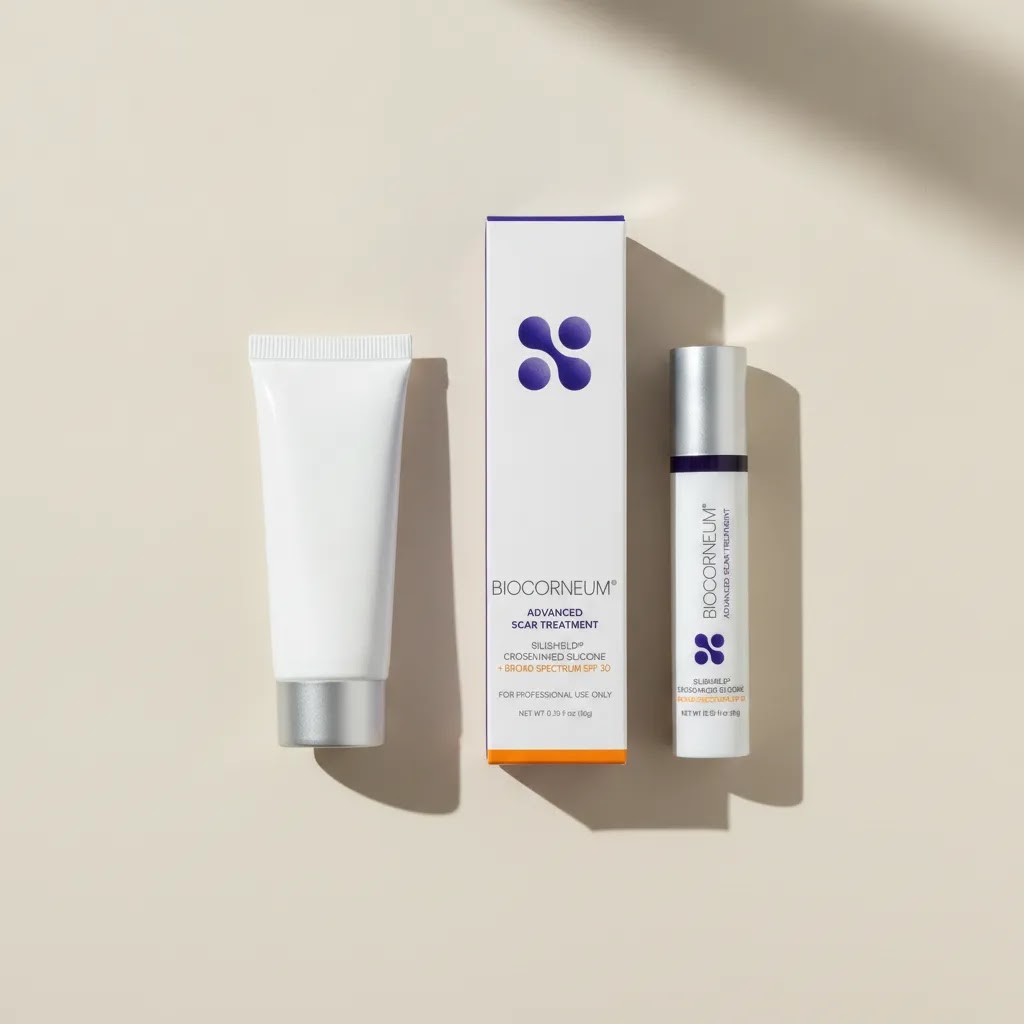
What silagen vs biocorneum is really about
In scar care, the strongest practical question is often not which product sounds more advanced on paper. Instead, ask which formula is most likely to support daily use on your specific scar during healing and remodeling.
This article uses a clinical-pedigree lens. In other words, it looks at what each product says it does, where it may fit after procedures, and how its format may affect adherence. Silicone often matters in scar care because it can form an occlusive, protective layer over healed skin. As a result, that environment may support flatter, softer, and less noticeable scar maturation. Still, results vary by scar age, location, tension, pigment response, and sun exposure.
Because the available product details here focus on BIOCORNEUM options, this is not a brand-versus-brand verdict based on guesswork. Instead, it is a grounded review of what we can confirm for the BIOCORNEUM products most readers compare when researching silagen vs biocorneum and other silicone scar gel options.
How silicone scar gel works in silagen vs biocorneum
Here’s the thing. A silicone scar gel does not work like a prescription medication. Its value comes from how it supports skin during scar remodeling.
How silicone creates a scar-friendly environment
Silicone gels and silicone sheets create a thin occlusive layer over healed skin. That layer helps reduce transepidermal water loss. Put simply, it helps skin hold moisture more steadily. Therefore, a more stable barrier may support scars that mature in a flatter, softer, and less noticeable way over time.
What the evidence usually supports
Clinicians often discuss silicone gel and silicone sheeting as first-line, noninvasive scar care options. They have decades of clinical use across many settings, including post-surgical scars. However, that does not mean silicone works the same way for every person or every scar.
Many patients overlook one point. Researchers have studied silicone most often for raised scars, including hypertrophic scars and keloid-prone scars, and for scars in the months after an incision or injury. That is the period when remodeling stays active. By comparison, silicone is less likely to change issues driven by mechanics or anatomy, such as scar width from tension across an incision line or deeper texture changes.
In practice, a strong silicone routine may refine a scar’s look, but it may not rewrite deeper scar structure. Consistency also matters more than most marketing claims. A product you can wear every day, with little irritation, often has the best chance of helping because it keeps the scar environment stable instead of treating it sporadically. For a broader overview, the American Academy of Dermatology scar guidance explains how clinicians approach scar treatment, and the NCBI overview of hypertrophic scars and keloids gives added clinical context.
Silagen vs Biocorneum quick verdict
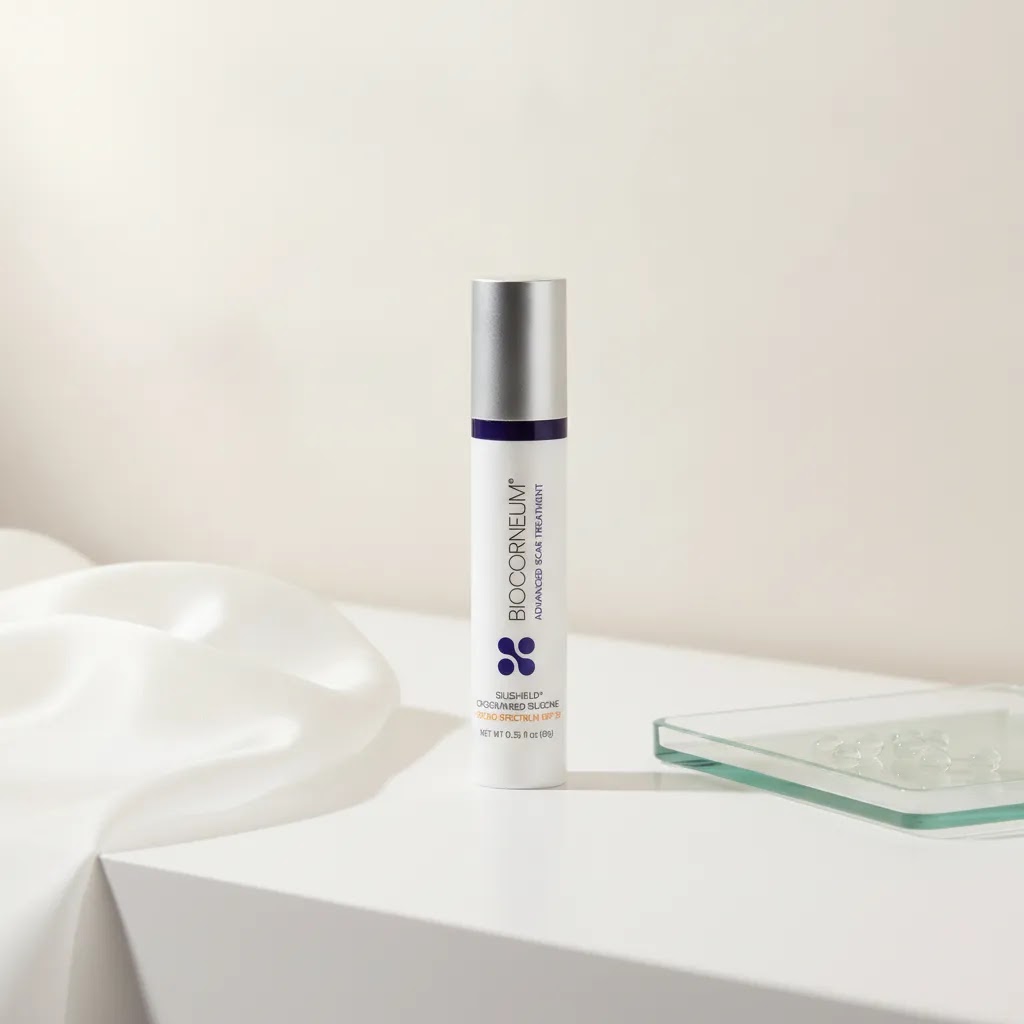
If your priority is a classic silicone scar gel with broad use language that includes scars from surgical and cosmetic procedures, trauma, wounds, and burns, BIOCORNEUM 10g is the more straightforward option to consider.
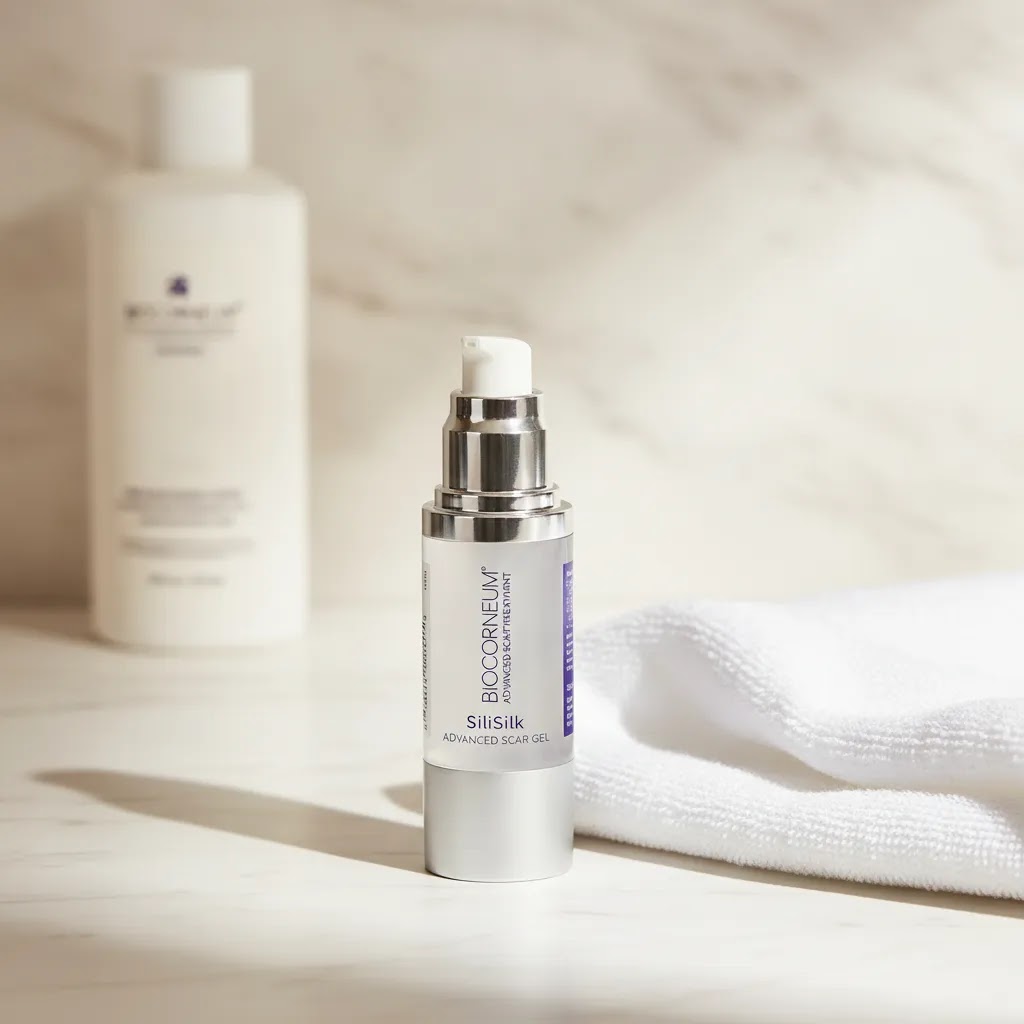
If your priority is a smoother cosmetic finish, easier layering under sunscreen or makeup, and an SPF-free formula intended to sit comfortably inside a skincare routine, BIOCORNEUM SiliSilk Advanced Scar Gel, 30g may be the better fit.
Neither product is automatically better for every scar. Instead, the smarter choice usually depends on scar location, visibility, daytime wear needs, and how likely you are to apply the product consistently.
Silagen vs Biocorneum side-by-side snapshot
| Product | Price | Format | Best fit based on available details | Notable product-page focus |
|---|---|---|---|---|
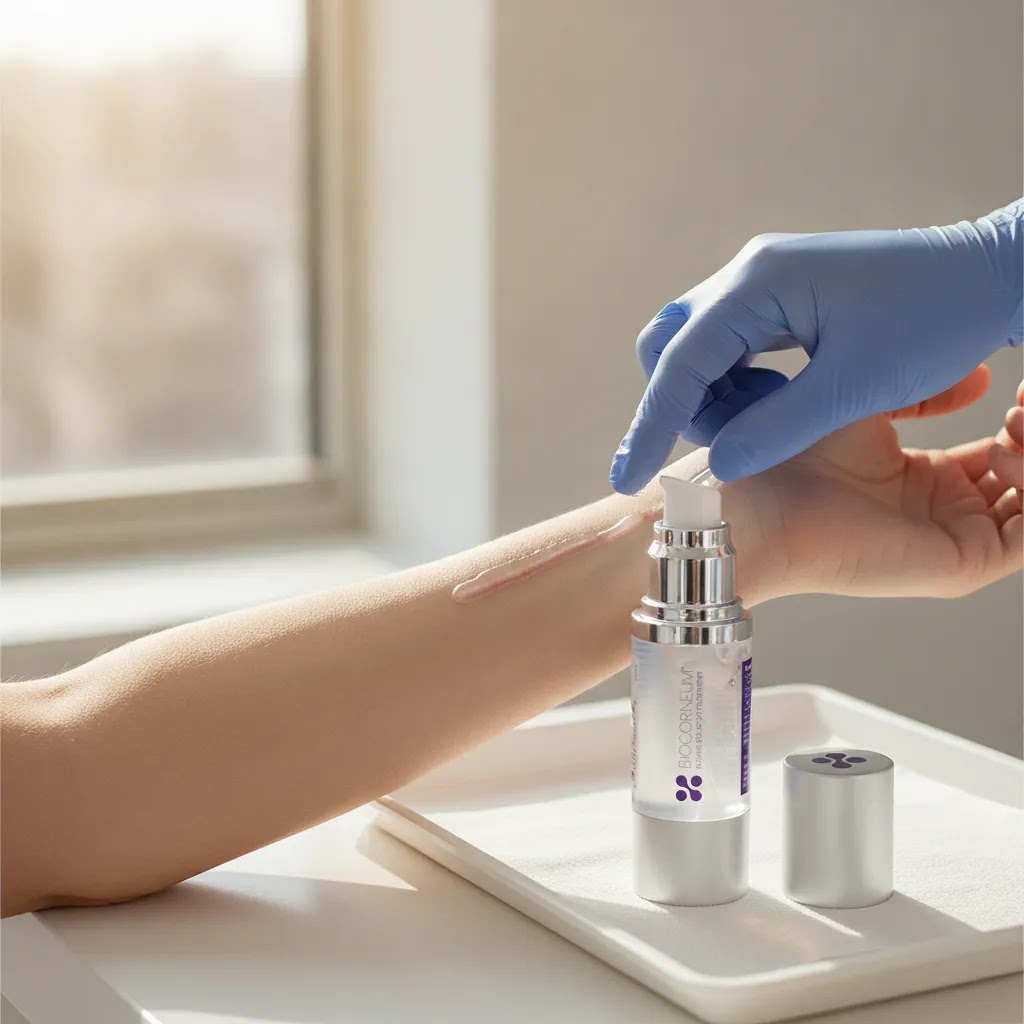
| BIOCORNEUM 10g | $55 | Silicone scar gel | Flexing areas, irregular surfaces, visible sun-exposed areas, smaller quantity needs | Recovery control, self-adhering wear, broad scar-use language |
| BIOCORNEUM SiliSilk Advanced Scar Gel, 30g | $84.95 | Silicone scar gel, SPF-free | Readers who want a silky finish, fast drying application, and compatibility with cosmetics | Professional-grade silicone care, cosmetic wearability, clear finish |
Where Silagen fits in silagen vs biocorneum
If you searched for silagen vs biocorneum, you probably want a direct product-to-product answer. The challenge is simple. This article only includes confirmed, detailed product-page information for the BIOCORNEUM options listed above. Without Silagen’s specific formulation details shown here, it would not be clinically responsible to guess how it compares based on name recognition alone.
Instead, use this as a practical framework when you review Silagen’s packaging, labeling, or clinician-provided instructions. That approach helps most when you are trying to decide which option you will realistically use every day. If you want another brand comparison, see Biocorneum vs Silagen or Mederma vs Biocorneum.
Silagen vs Biocorneum comparison checklist
- Silicone type and percentage, if listed. Some products disclose the silicone blend or concentration, while others focus on performance claims. If it is not listed, you can still compare how the gel behaves on skin, but you are comparing user experience more than composition.
- Dry-down time and tackiness. If a gel stays sticky, it can discourage consistent use, especially in warm climates, under clothing, or in high-motion areas.
- Sensitivity and tolerability. Look for clear use instructions and consider how your skin typically reacts to occlusive products. If you are prone to irritation, your clinician can help you choose an option that fits your skin behavior.
- Intended scar types and timing language. Some products explicitly discuss post-surgical scars, raised scars, older scars, or use in sun-exposed areas. If the language is vague, ask your provider what they routinely recommend for your scar type and location.
- SPF strategy. Some scar gels include SPF and some are clearly SPF-free. If the gel is SPF-free, you are responsible for layering a sunscreen and using physical protection, which can be just as important as the gel itself for visible areas.
Credibility and safety filters that matter
Scar gels should come with realistic timelines, clear instructions, and an emphasis on consistent use. They should not promise guaranteed results. Be cautious with any product that claims it can remove scars. Likewise, follow your surgeon’s or clinician’s timing guidance after a procedure. Using a product too early on compromised skin can cause unnecessary irritation or delay comfort.
BIOCORNEUM 10g
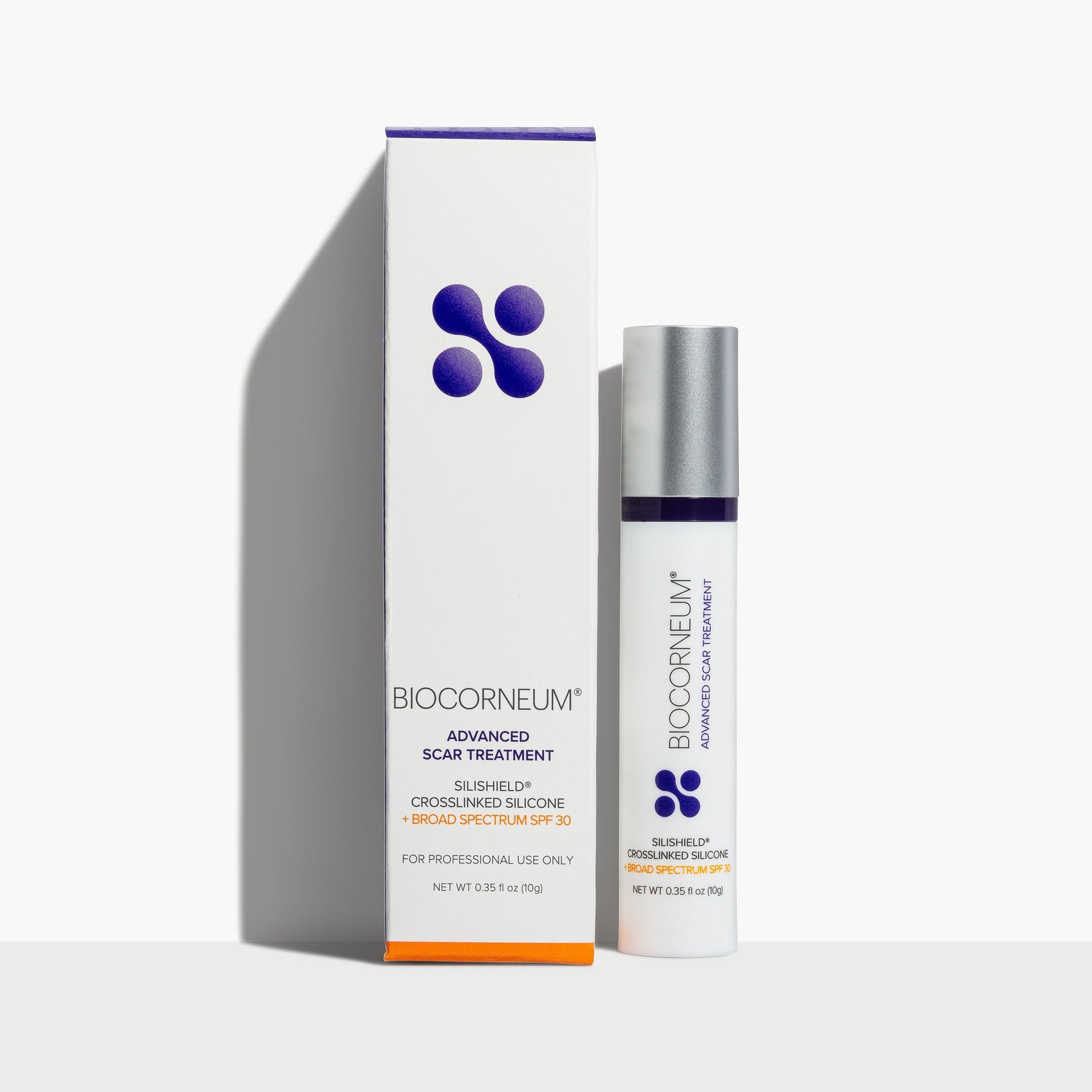
BIOCORNEUM 10g is presented as a silicone scar option designed to give users more control over recovery after a procedure or injury. The product-page language says it can be used on scars from surgical and cosmetic procedures, trauma, wounds, and burns. It also says it may be effective on old or new scars.
Its clinical appeal is less about luxury texture and more about versatility across body areas that can be hard to manage. The product-page description highlights self-adhering wear, with no tape required. It also notes that it is ideal for areas that flex a lot, irregular surfaces, and large scar areas. In addition, it specifically mentions the face, neck, chest, hands, and other areas exposed to the sun.
That makes BIOCORNEUM 10g especially relevant for scars in motion-heavy or visually prominent areas, where a traditional dressing may be less convenient. The page also notes that it can be combined with other treatment options recommended by a physician and that it is suitable for children over 6 months of age.
Strengths
- Broad product-page use language that includes surgical, cosmetic, traumatic, wound, and burn-related scars
- Self-adhering format with no tape required
- Positioned for areas that bend, move, or have irregular contours
- Suitable for visible areas such as the face, neck, chest, and hands
- Can be paired with physician-directed treatment plans
Best use case
This option may appeal most to someone who wants a recognized silicone scar approach for a healing plan that needs practicality across different scar types and body locations.
BIOCORNEUM SiliSilk Advanced Scar Gel, 30g
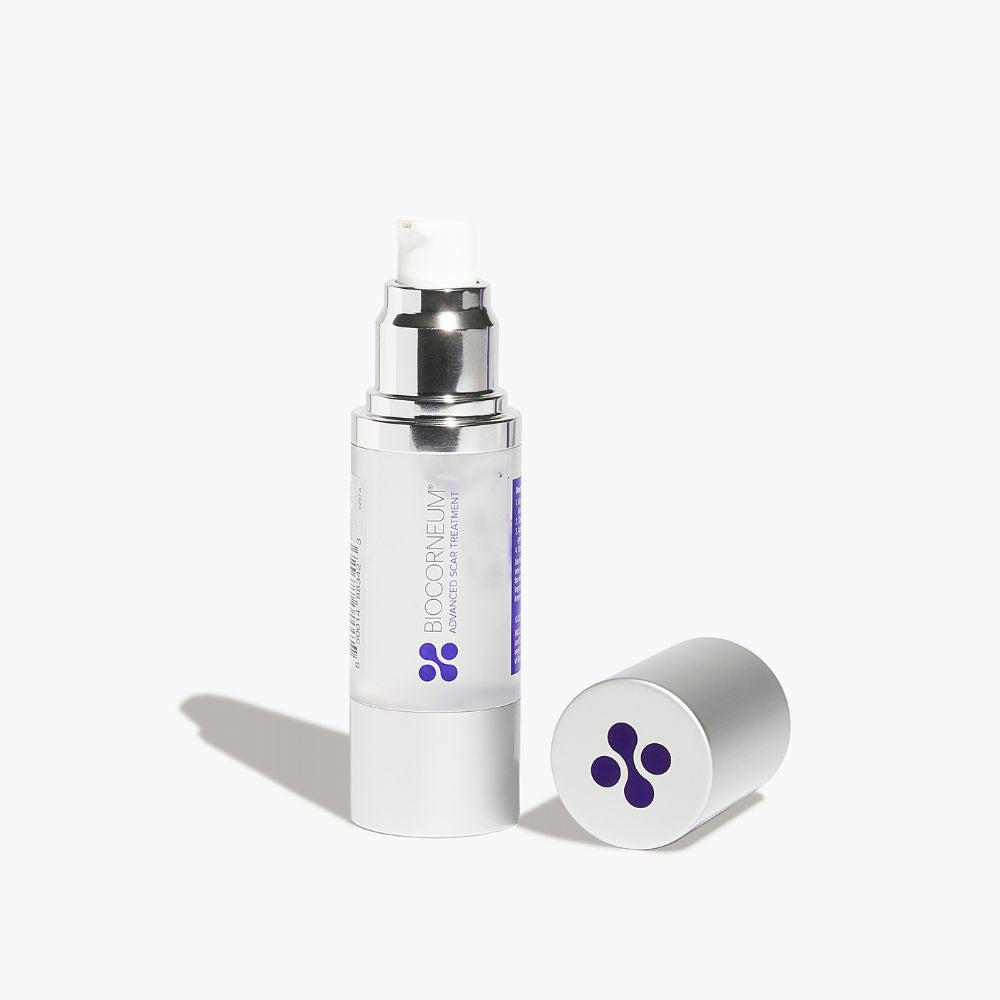
BIOCORNEUM SiliSilk Advanced Scar Gel, 30g is framed as professional-grade silicone scar care with an ultra-smooth, silky finish. The product page describes it as a clear, fast-drying silicone gel that blends easily into a skincare routine and works under sunscreen, makeup, or on its own during the day or night.
This profile gives it a distinct cosmetic advantage for readers who want scar care that behaves well on the skin during regular daily wear. The page also states that silicone is clinically proven to help minimize the appearance of scars and hyperpigmentation while supporting smoother, healthier-looking skin. It adds that the lightweight, non-greasy texture helps protect skin from moisture-robbing dehydration and may help diminish the look of fine lines and wrinkles.
Other stated features include water- and sweat-resistant wear, transfer resistance to clothing and bedding, travel-friendly packaging, and a clear formula suitable for all skin tones. It is also specifically described as SPF-free, with guidance to pair it with a preferred sunscreen outdoors.
Strengths
- Fast-drying, lightweight, clear silicone gel intended for elegant daily wear
- Designed to layer well with skincare, sunscreen, and cosmetics
- Water- and sweat-resistant for routine activities
- Transfer-resistant finish may make daytime use easier
- Travel-friendly packaging may help maintain consistency
Best use case
This option may suit someone whose scar care routine needs to coexist with makeup, sunscreen, workdays, exercise, or visible facial and body areas where finish matters.
Key differences in silagen vs biocorneum
The main difference is not that one product is medical and the other is cosmetic. Both sit within silicone scar care. Instead, the difference is emphasis.
- BIOCORNEUM 10g emphasizes recovery control, flexible-area use, irregular surfaces, and broad scar scenarios.
- BIOCORNEUM SiliSilk Advanced Scar Gel, 30g emphasizes refined texture, fast drying wear, layering compatibility, and a polished cosmetic finish.
- The 10g product page explicitly mentions use on old or new scars and suitability for children over 6 months. The SiliSilk page does not make those same statements, so they should not be assumed.
- SiliSilk is clearly identified as SPF-free and designed to be paired with sunscreen outdoors. That may matter for readers managing visible scars in daylight.
- There is also a price and size difference: BIOCORNEUM 10g is $55, while BIOCORNEUM SiliSilk Advanced Scar Gel, 30g is $84.95.
If you are researching expectations, our articles on biocorneum scar treatment and biocorneum scar gel before and after add useful context around practical use and visible change over time. You may also want to read Best Scar Cream After Surgery for broader post-procedure options.
Pros and Considerations
Benefits
- Silicone scar gels are widely used in post-procedure scar management because they can help create a protective film over healed skin.
- Both products are designed for non-invasive scar care, which may appeal to people who want an at-home option after a procedure.
- BIOCORNEUM 10g appears especially practical for curved, mobile, or high-visibility areas.
- BIOCORNEUM SiliSilk may be easier for people who want scar care that integrates smoothly with sunscreen and makeup.
- Both options may support consistency, which is one of the most meaningful real-world factors in topical scar routines.
Considerations
- Results vary by scar type, timing, skin behavior, pigment response, and how consistently the product is used.
- Silicone products are generally used on closed, healed skin, not open wounds, so timing should follow professional guidance.
- One formula may feel more wearable than another depending on skin type, climate, activity level, and the body area treated.
- Topical scar products may help appearance, but they do not guarantee complete scar removal.
- Some scars remain raised, red, tight, or pigmented enough to warrant professional review rather than relying on self-selection alone.
Timing and routine: when to start, how long to use it, and sun protection
Scar gel results depend on more than the product alone. When you start, how long you stick with it, and how you manage sun exposure can all affect how a scar looks as it matures.
When to start
Silicone scar gels are generally intended for closed, healed skin. Do not apply scar gel over open areas, scabs, or actively irritated skin unless a qualified clinician tells you to do so. After surgery, your surgeon’s instructions should come first because timing varies by incision type, closure method, and your healing pattern.
How long to use it
Scar remodeling is slow. Many routines require a minimum commitment of about 8 to 12 weeks to judge early change, and longer use is common, especially for older scars or scars in high-tension areas. Think of it this way. Good habits tend to matter most during earlier remodeling because the scar is still evolving, but scars can continue to change for months.
Sun protection is not optional for exposed areas
Many patients overlook this step. Ultraviolet exposure can darken scar tissue and make uneven pigment more noticeable. If you use an SPF-free silicone gel, pair it with a daily sunscreen and physical protection such as clothing or hats. This matters most for the face, chest, neck, and hands.
Formulas that layer well under sunscreen and makeup can help for one simple reason. The best approach is the one you can do every day. As with any aesthetic product used after a procedure, irritation or sensitivity can occur, especially if you start too early or layer products too aggressively. If you are unsure about timing, frequency, or what to do if redness or discomfort appears, a qualified medical professional can help you adjust your routine safely. If your main question is timeline, our guide on How Long does It Take for Scars to Fade adds more context.
Which One May Suit You Better
A useful way to choose is to focus on 5 practical criteria.
1. Where is the scar?
If the scar sits on a bending joint, a curved surgical site, or an irregular area, BIOCORNEUM 10g has stronger product-page language around flexible and irregular surfaces. If the scar is on a visible area where finish and layering matter, SiliSilk may feel more compatible with daily life.
2. How polished does the daytime wear need to be?
SiliSilk is described with a silky, fast-drying, non-greasy finish and compatibility with sunscreen and makeup. That may matter if you want scar care that behaves more like a refined skincare step than a separate treatment layer.
3. What stage of recovery are you in?
Introduce any scar gel according to professional advice, especially after surgery or procedural skin injury. If your scar is still healing, draining, crusted, or irritated, a practitioner should guide timing. Topicals usually become part of scar management after the skin has closed.
4. Do you want broad-use practicality or cosmetic routine elegance?
BIOCORNEUM 10g leans toward broad functional versatility. SiliSilk leans toward polished daily wear. Neither goal is wrong. Ultimately, the right fit depends on whether you are optimizing for location and flexibility or for feel and routine integration.
5. Are you comparing products with enough context?
Many people compare scar gels by price alone, but cost is only one factor. Quantity, application frequency, scar size, wear comfort, and whether you actually keep using the product all matter. If you work in a professional purchasing environment, the B2B Medical Supply section may also be relevant for broader product exploration.
Nuance Medical perspective on silagen vs biocorneum
Nuance Medical approaches education with the same mindset patients and clinicians both value: precision, realistic expectations, and respect for individual variation. In scar care, that means matching the product format to the scar, the body area, and the routine a person can realistically maintain.
If you are comparing silicone options, it helps to review product-specific education rather than relying on broad claims alone. The Nuance Medical blog includes additional reading on Introducing SiliSilk™: Everyday Silicone Scar Care, Simplified and BIOCORNEUM® SiliSilk™ Wins NewBeauty Award for Best Scar Gel. If your scar is changing in a way that concerns you, or if you are unsure when to start topical care after a procedure, personalized guidance from a qualified medical professional is the safest next step.
Frequently Asked Questions
Is Silagen better than Biocorneum?
There is no universal winner because scar products are chosen based on scar type, location, routine fit, and tolerance. A product that feels easy to wear every day may be more useful than one that sounds ideal but is used inconsistently. Clinical guidance can help if the scar is complex or still early in healing.
What usually matters most in a silicone scar gel comparison?
The most useful factors are wearability, scar location, timing after healing, and whether the formula supports steady use. Texture, drying time, cosmetic finish, and compatibility with sunscreen or makeup can shape adherence more than marketing language alone.
Can silicone scar gel remove a scar completely?
No topical scar gel should be expected to erase a scar completely. Silicone may help improve the appearance of a scar over time by supporting a better healing environment, but the final result depends on biology, tension, inflammation, pigment response, and consistent use.
Which BIOCORNEUM option looks more suitable under makeup?
Based on the product-page details, BIOCORNEUM SiliSilk Advanced Scar Gel, 30g is the more makeup-friendly option. It is described as clear, fast-drying, lightweight, and suitable as a base layer or primer under makeup, which may make it easier to incorporate into daytime routines.
Can I start using scar gel right after surgery?
Not always. Scar gels are generally used after the skin has closed, and the exact timing can vary by procedure and healing progress. Your surgeon, dermatologist, or qualified clinician should tell you when topical scar care is appropriate for your incision or treatment area.
Does the more expensive scar gel always work better?
Not necessarily. Higher cost may reflect size, finish, packaging, or routine compatibility, but it does not guarantee a better result for every person. The best value is often the product you can use correctly and consistently for the scar you actually have.
What scar gel do plastic surgeons recommend?
Plastic surgeons commonly recommend silicone-based scar products, including silicone gels and silicone sheets, because they are widely used and frequently discussed as a first-line topical option for scar management. The best recommendation depends on your incision, healing stage, and skin response, so your surgeon’s guidance should lead the plan.
Does BIOCORNEUM actually work?
BIOCORNEUM is a silicone scar gel, and silicone may help support flatter, softer scar maturation over time when used consistently on healed skin. Results vary based on scar type, location, tension, pigment response, and how early and consistently you use it.
What is the highest rated scar gel?
Highest rated depends on where ratings are collected and what people value, such as drying time, feel, or compatibility with makeup. Clinically, the more useful question is which product you can use consistently on healed skin for long enough to support scar remodeling.
Is Silagen the best scar gel?
Silagen may be a good option for some people, but best is individual and depends on the specific formulation, how your skin tolerates it, and whether it fits your routine. If you are deciding between products, reviewing the label details and getting clinician guidance can help you choose based on your scar type and timing rather than branding.
Key Takeaways
- Silagen vs Biocorneum is best approached as a routine-fit and formulation comparison, not a search for a guaranteed “best” product.
- BIOCORNEUM 10g emphasizes broad scar-use versatility, flexible areas, and irregular surfaces.
- BIOCORNEUM SiliSilk Advanced Scar Gel, 30g emphasizes a silky finish, fast drying wear, and cosmetic routine compatibility.
- Silicone scar care may help appearance over time, but outcomes vary and complete scar removal should not be expected.
- If you are unsure about timing, scar type, or healing stage, a qualified medical professional should guide your next step.
Conclusion
Silagen vs Biocorneum usually becomes clearer once you move past branding and focus on function. In this case, BIOCORNEUM 10g stands out for broad practical use across scar scenarios and body contours, while BIOCORNEUM SiliSilk Advanced Scar Gel, 30g stands out for finish, layering, and day-to-day elegance.
That distinction can be more helpful than trying to declare one option superior for everyone. If you are building a scar care plan after a procedure, use product details carefully, keep expectations realistic, and factor in how likely you are to stay consistent. For more educational guidance, explore Nuance Medical’s scar resources and speak with a qualified practitioner if you want help choosing a scar strategy that fits your skin, recovery stage, and goals.
Medical Disclaimer: The information provided in this article is intended for general informational and educational purposes only. It does not constitute medical advice and should not be used as a substitute for a professional consultation with a qualified aesthetic practitioner or healthcare provider. Individual results from aesthetic treatments vary. Always seek the advice of a qualified medical professional before undergoing any cosmetic procedure.